


Traditional Landscape Fine Art
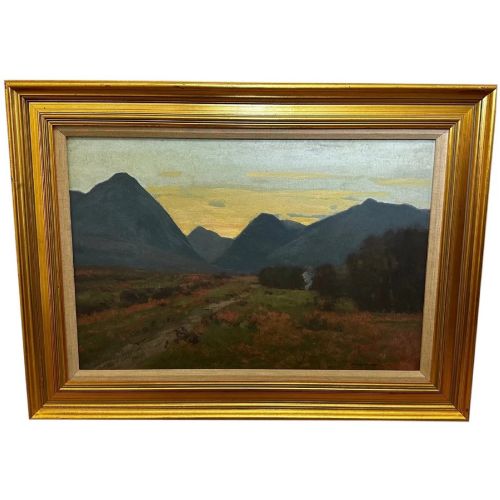
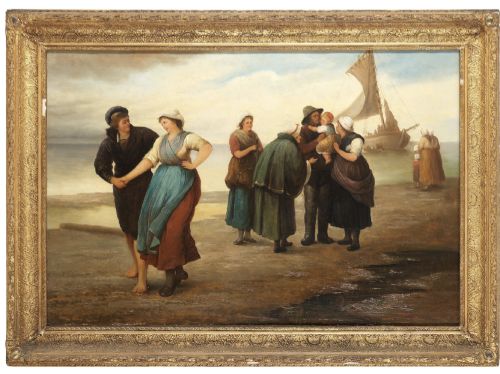
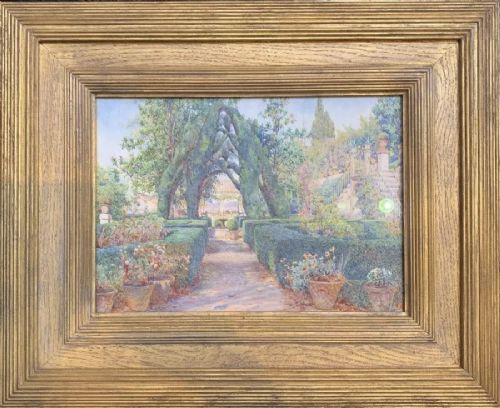
Traditional landscape fine art captures pastoral vistas and coastal scenes using oil and canvas across multiple European schools.

Traditional Landscape Fine Art
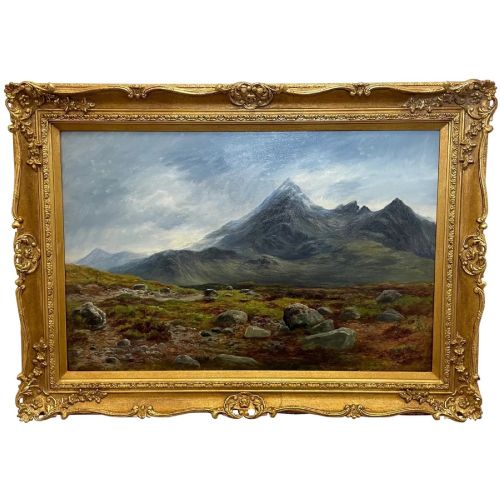
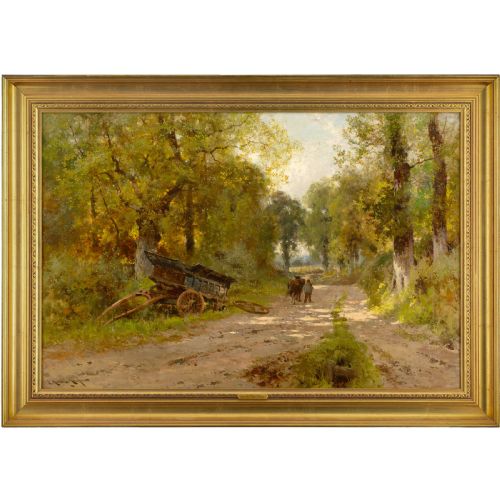
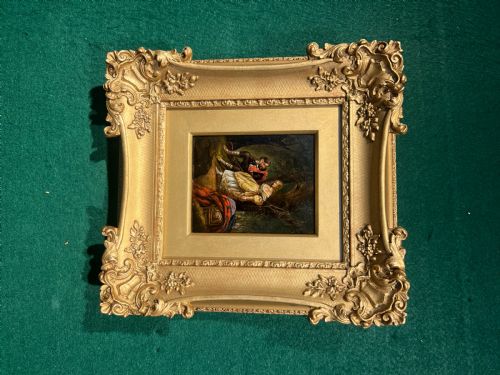
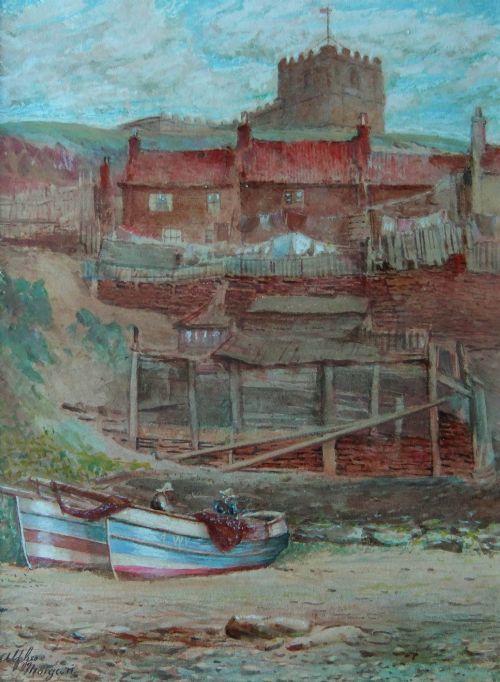
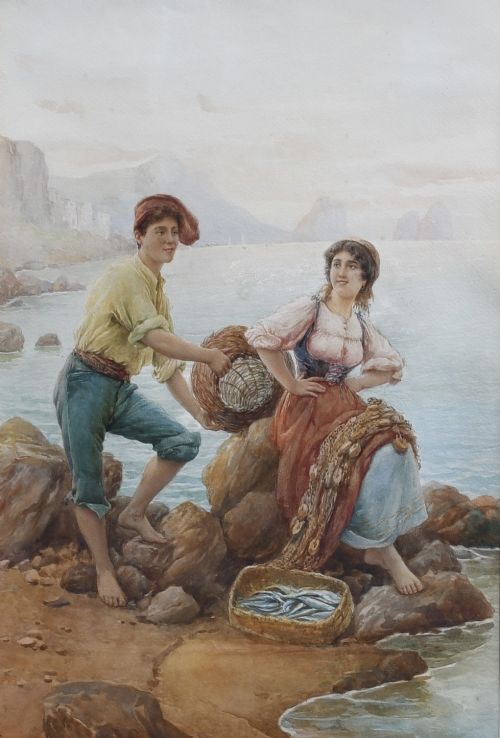
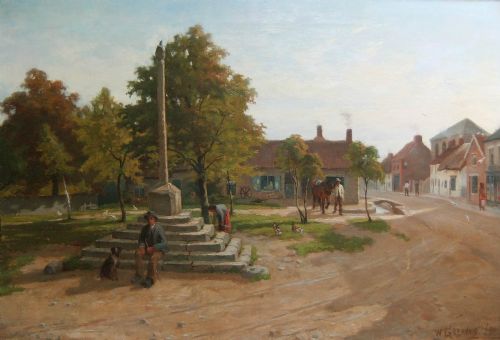
Traditional landscape fine art encompasses framed oil paintings, watercolours, and panel works depicting rural views, riverscapes, and coastal settings.
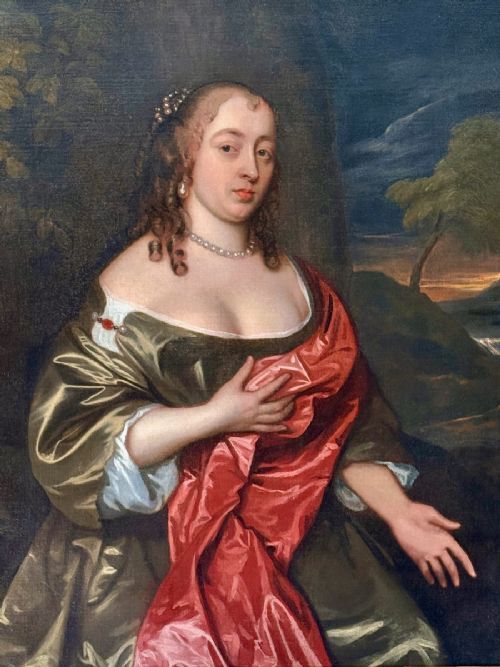
The pieces on this page span the 17th through the early 20th centuries, with strong representation from Victorian, Edwardian, and British or continental Impressionist schools.
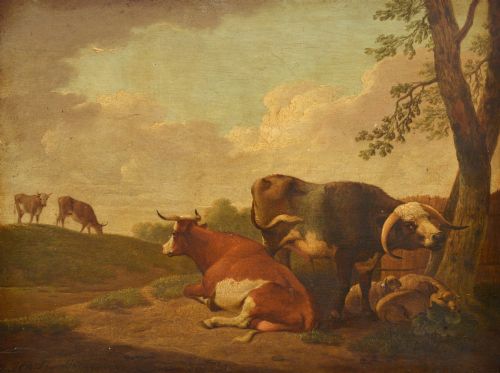
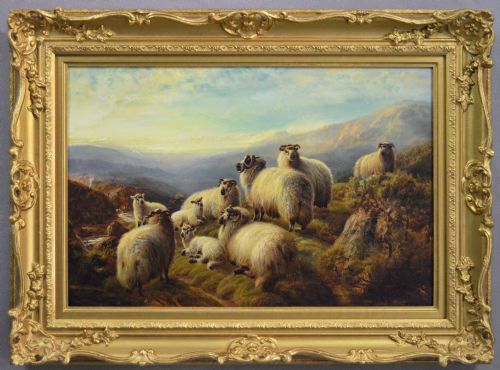
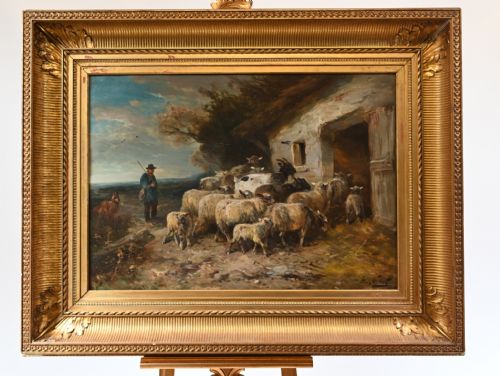
Subjects frequently include livestock such as sheep and cattle, agricultural workers, and specific geographic locations across Britain, France, the Netherlands, and Belgium.
Materials and Construction
Pigments were worked in oil paint upon woven canvas stretched over wooden frames, or applied directly to wood panels and board supports.
Many works retain their original giltwood or gilt frames, which complement the depth and tone of the historical compositions.
Traditional Landscape Fine Art Retail Price Guide 2026
Typical asking prices for traditional landscape fine art among the pieces listed under this phrase on Sellingantiques today, from the lower quarter to the upper quarter. They describe what is for sale here now, not the wider market.
Several sheep make repeated appearances across Scottish and Welsh hillsides, diligently posing for generations of landscape painters.
Factors of Quality
Quality rests in the handling of light, atmospheric perspective, and the precision with which foliage, water, and livestock are rendered.
Works by listed academic artists or established regional schools demonstrate superior compositional balance compared to anonymous student pieces.
William Beattie Brown·George Graham·Tom Campbell·John Horace Hooper·Hendrik Willem Schweickhardt·George Houston·Ernest Arthur Rowe·Alfred G Morgan·Carlo Ferranti·Robert Watson·William Greaves·Henry Schouten·Alexander Wellwood Rattray·Archibald Kay·Alexandre Le Bihan·William Edward Webb·Thomas Sidney Cooper·John Sanderson Wells·Reginald Grange Brundrit·Herbert Royle·Owen Bowen·John Hamilton Mortimer·George Vicat Cole·Thomas Spinks·George Hilditch
The Traditional Landscape Fine Art Glossary
- Giltwood
- Carved wood coated with a thin layer of gold leaf or gold paint. Frames of this material are frequently contemporary to the artwork.
- Oil on Canvas
- Pigment mixed with drying oil applied to a woven fabric support. This technique allowed artists to achieve rich textures and blended tones.
- Panel Painting
- A flat wooden board used as a painting support instead of canvas. Artists often utilised oak or mahogany panels for smaller scale works.
- Impressionism
- An art movement focusing on transient effects of light and spontaneous brushwork. British and Scottish variations adapted these principles to familiar rural scenery.
- Riverscape
- A painting depicting a river or waterway as the primary subject. These compositions frequently incorporate bridges, boats, and figures along the banks.
Traditional Landscape Fine Art: Frequently Asked Questions
What subjects appear most often?
Landscapes feature rural valleys, coastal harbours, mountainous backdrops, and pastoral scenes populated by sheep, cattle, or local figures.
Views frequently record specific topography in Britain, France, and the Netherlands during the Victorian and Edwardian eras.
How should these paintings be displayed?
Hang paintings away from direct sunlight and fluctuating heat sources to protect the canvas, wood panels, and historical pigments.
Retain original gilt frames where present, as they complement the period aesthetic of the artwork.
Are watercolours common alongside oils?
Watercolour paintings on paper appear alongside oil paintings on canvas and wood panel within the selection.
Both mediums document the prevailing aesthetic preferences of nineteenth and early twentieth century artists.
How are periods identified?
Dating relies on recorded artist lifespans, stylistic signatures associated with movements like British Impressionism, and framing techniques.
Catalogued dates span from the seventeenth century through the early twentieth century.