






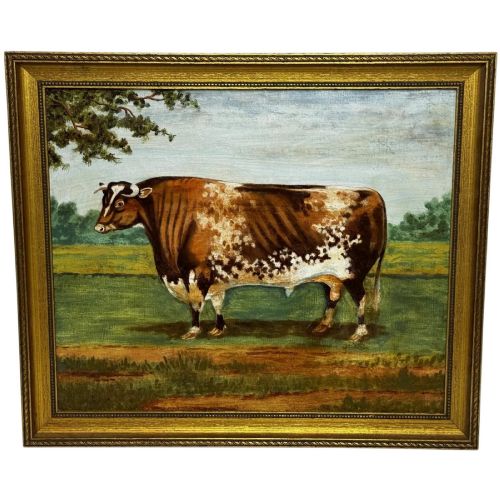
British Landscape Oil Artwork
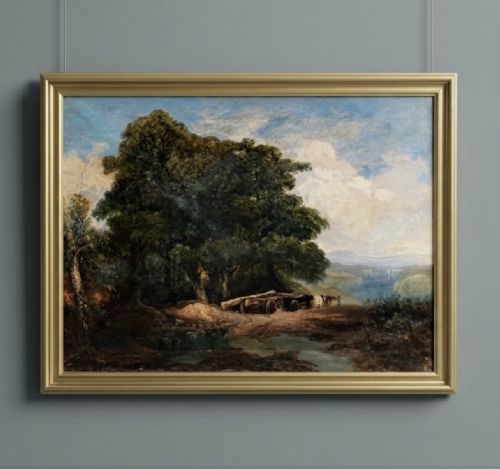
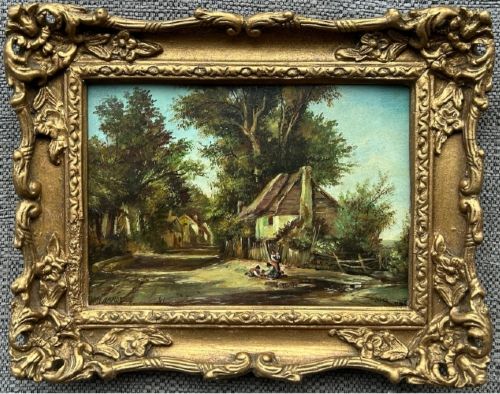
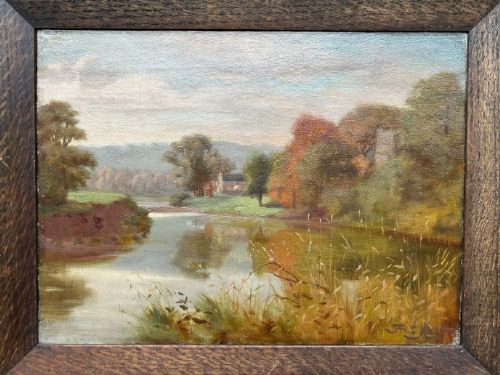
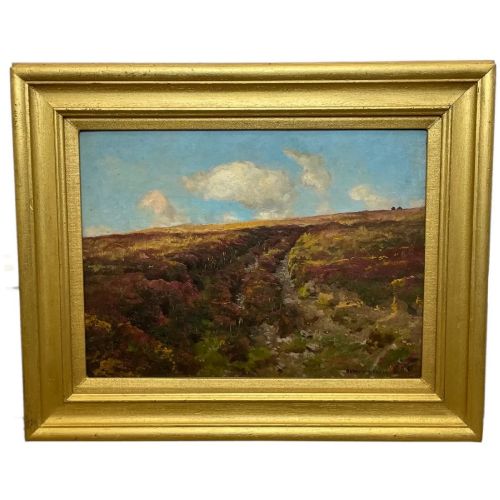
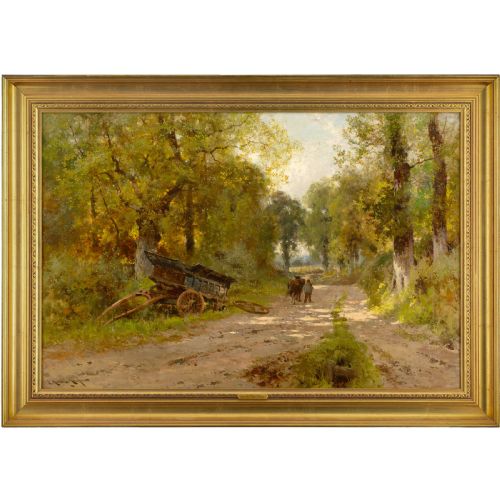
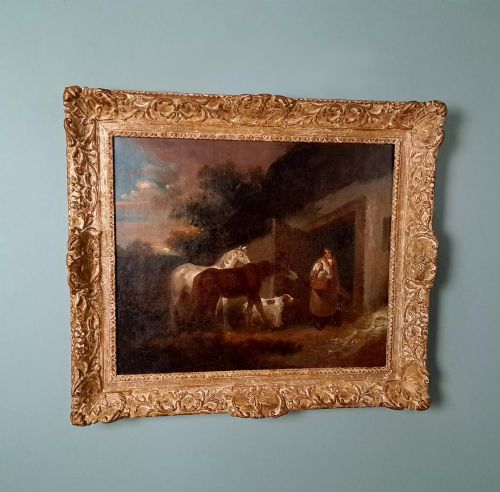
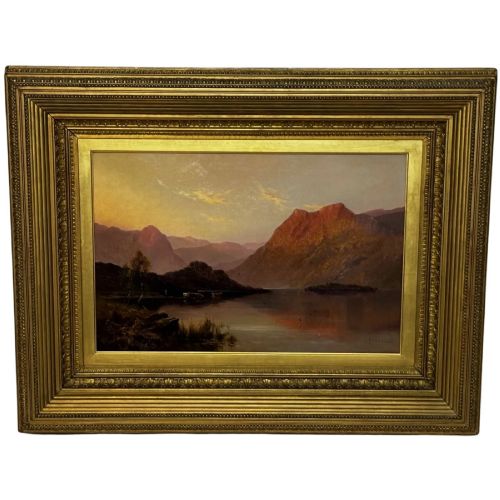
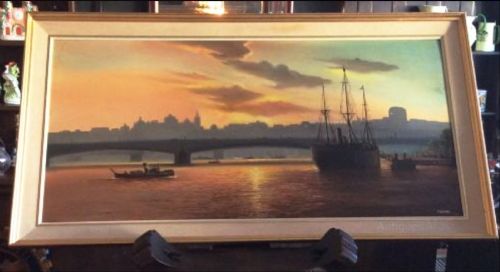
British landscape oil artwork captures the changing light and terrain of the British Isles through layered pigments on canvas and wood panel.
British Landscape Oil Artwork
A british landscape oil artwork captures rural vistas, coastal scenes, and river views created by painters working across the British Isles. These pieces range from nineteenth-century romantic pastoral views to later twentieth-century interpretations influenced by modernism and impressionism.
Buyers browsing this selection encounter works executed on canvas, wood panel, and board, often signed by known artists or attributed to regional schools. The forms span expansive panoramic scenes of Scottish highlands and tranquil depictions of southern rivers.
Materials and Techniques
Painters applied oil paint using brushes and palette knives onto prepared supports such as stretched canvas, wood panels, and boards. The medium allowed artists to build rich impasto textures or smooth glazes that capture changing weather and natural light.
Supports often received a ground layer before pigment application, ensuring the stability of the oil colours over centuries. Many works retain their original gilt frames, which were selected to complement the tonal palette of the painted composition.
Several paintings capture cows stubbornly pausing in woodland streams, proving that bovine curiosity predates modern photography by centuries.
Assessing Quality and Execution
Quality rests in the artist's handling of light, atmospheric depth, and composition rather than the mere age of the canvas. Superior works demonstrate confident brushwork and a coherent tonal balance that brings the natural scenery to life.
The relationship between the subject and the painter's direct observation dictates the artistic success of a piece. Finer examples maintain structural integrity in the underlying support and preserve the original pigment layers without extensive overpainting.
Richard Sebastian Bond·Tom Campbell·Clifford Hanney·Frederick Marriott·Arthur Wardle·John Horace Hooper·William Joseph Shayer Senior·Alfred Fontville de Breanski Jr·Sidney A Court·Edward Mills·Kershaw Schofield·Herbert Royle·Robert Morson Hughes·Thomas Barker of Bath·Thomas W Lascelles·David Bates·Benjamin Barker of Bath·Thomas Smythe·Robert John Hammond·Walter Heath Williams·Clive Browne·Peter Brannan·Francis Moltino·Bernard Benedict Hemy
The British Landscape Oil Artwork Glossary
- Impasto
- Paint applied thickly to a canvas or board, leaving distinct brush or palette knife marks that stand out from the surface. This technique adds tactile depth and catches light across the painted landscape.
- En plein air
- The practice of painting outdoors directly in front of the subject to capture natural light and transient weather conditions. Artists adopted this method to record immediate visual impressions of the countryside.
- Wood panel
- A rigid wooden support used by artists as an alternative to stretched canvas. Panels provide a firm foundation that resists the flexing common in fabric supports.
- Gilt frame
- A decorative wooden framing structure covered with a thin layer of gold leaf or metallic gilding. These frames enclose and protect the edges of the oil painting while enhancing its visual presence.
British Landscape Oil Artwork: Frequently Asked Questions
What defines a british landscape oil artwork?
These works are painted using oil-based pigments on supports like canvas, wood, or board, focusing specifically on scenery found within Britain. They reflect changing artistic movements from the nineteenth century onward.
Subjects encompass rural valleys, coastal waters, livestock pastures, and urban river views, painted either in studios or directly outdoors in natural light.
How do I date an antique oil painting?
Dating relies on examining the stretcher frames, the type of canvas or wood panel used, and the chemical composition of the ground layers. Signatures, artist lifespan records, and stylistic clues also provide reliable chronological markers.
Clothing styles of any figures depicted or architectural landmarks in the background further help narrow down the decade of creation.
Where were these landscape paintings displayed?
Historical owners typically hung these artworks in domestic drawing rooms, country houses, and formal galleries to showcase appreciation for natural scenery. They served as decorative focal points above mantelpieces or along wood-paneled corridors.
Today, collectors place them in similar residential settings where controlled lighting protects the oil pigments from excessive direct sunlight.
How should I care for an oil on canvas?
Maintaining an oil painting involves keeping it away from rapid temperature shifts and high humidity that can warp wooden panels or slacken canvas tension. Dust should be removed gently with a soft, dry brush without applying liquid cleaners.
Professional conservators should handle any structural repairs, cleaning of discolored varnish, or stabilization of flaking pigment layers.