







Earthy Tone Fine Art
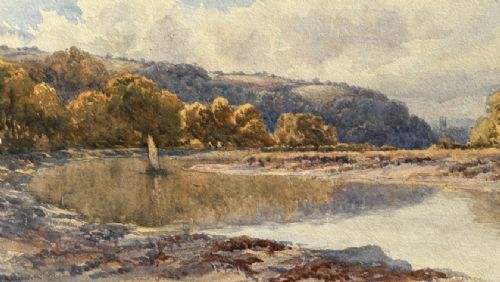
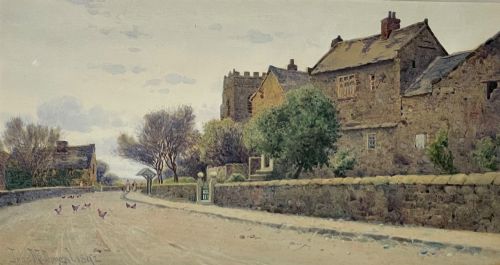
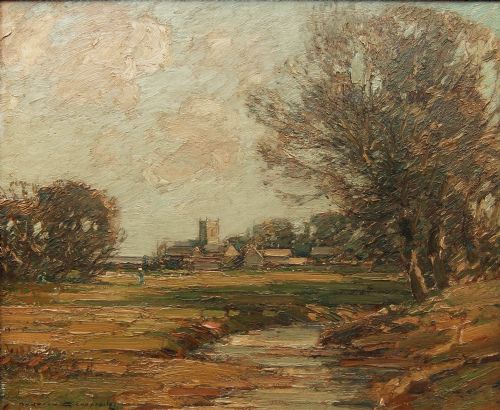
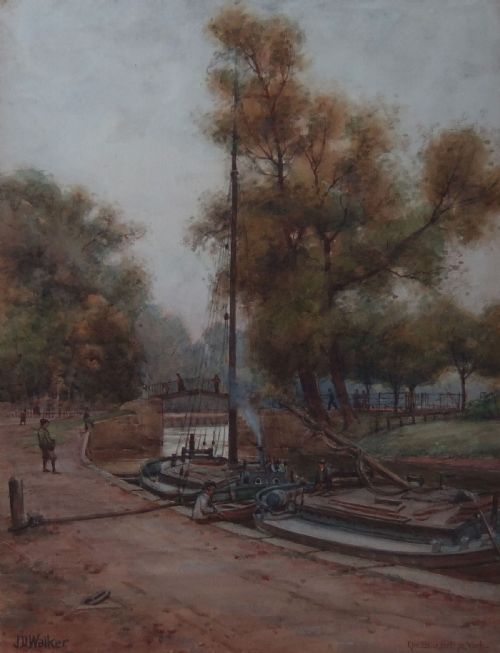
These earthy tone fine art pieces bring muted landscapes and rural scenes into your rooms with understated palette and authentic period touch.
Earthy Tone Fine Art
When you search for earthy tone fine art, you encounter a selection of nineteenth and early twentieth century works capturing rural landscapes, coastal views, and pastoral scenes. The paintings and watercolours on this page reflect the natural pigments and subdued palettes favoured by British, Scottish, Belgian, and Italian artists of those periods.
You meet oil paintings on canvas and wood panel alongside watercolours on paper and board. These mediums preserve the subtle browns, greens, and ochres characteristic of Victorian, Edwardian, and impressionist output.
The subjects range from Scottish Highland vistas and Yorkshire morning views to farm animals and village streets. Each piece offers a window into nineteenth century realism and early twentieth century impressionism.
How they were made
Artists worked primarily with oil paint or watercolour pigment applied to canvas, wood panel, board, or paper. Oil paintings on canvas and panel allowed for rich layering and textured brushwork, while watercolours on paper captured lighter atmospheric effects with fluid washes.
Pigments derived from natural earths provided the subdued greens, browns, and ochres that define the visual character of these landscapes. Painters built their compositions through direct observation, whether capturing Scottish rivers, Belgian workhorses, or Yorkshire morning light.
Listings include works from the nineteenth century, Victorian era, 1900, 1910, 1920, and 1930.
What varies in quality
The distinction between standard works and exceptional pieces lies in the sureness of the brushwork and the handling of light. Master painters control tone and atmosphere with precision, turning a simple village lane or river bank into a compelling study of space.
Material preservation also sets works apart. Paintings retaining their original untouched surfaces and stable panels or canvases demonstrate superior survival through the decades.
David Law·Tom Campbell·John McDougal·Reginald Grange Brundrit·Vincenzo Irolli·John Frederick Herring·Thomas Creswick·Charles H Poingdestre·Kershaw Schofield·William Greaves·Owen Bowen·John D Walker·William Kay Blacklock·Maurice Wagermans
The Earthy Tone Fine Art Glossary
- Watercolour pigment
- Ground colour mixed with a water-soluble binder, applied in washes to paper or board. This medium creates translucent layers that rely on the white of the paper for luminosity.
- Wood panel
- A rigid support used by painters instead of stretched canvas. Panels provide a firm surface that often bears early twentieth century oil paintings.
- Impressionism
- A style focusing on the accurate depiction of light and its changing qualities. Artists working in this manner use visible brushstrokes and open compositions.
- Realism
- The precise, unidealised representation of subject matter. Nineteenth century works in this mode depict rural labour and landscape without romantic exaggeration.
Earthy Tone Fine Art: Frequently Asked Questions
What periods do these pieces span?
The works originate from the nineteenth century through to the 1930s. They encompass Victorian, Edwardian, and early twentieth century artistic movements.
This timeframe includes both British Realism and various impressionist schools from Britain and mainland Europe.
How should I frame these watercolours?
Watercolours require framing behind glass with acid-free mount board to protect the paper and pigments from atmospheric moisture and UV light. Keeping the paper from direct contact with the glass preserves the medium.
Traditional wood frames suit the earthy tones and period character of these watercolours.
Are these works signed by the artists?
Many of the listed pieces carry signatures or attributions to named painters from the nineteenth and early twentieth centuries. Signatures often appear in the lower corners of the canvas or paper.
Documentation on the piece connects the work to established practitioners of the Scottish School and British Impressionism.
What surfaces were used for these paintings?
Artists used stretched canvas, wooden panels, paper, and board as supports for their oils and watercolours. Canvas and panels provided sturdy surfaces for heavier oil applications.
Watercolours were executed on paper or board to accommodate fluid pigment washes.