


19th Century Marine Oil
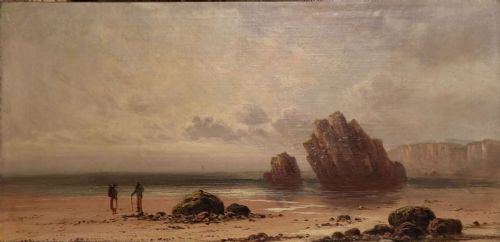
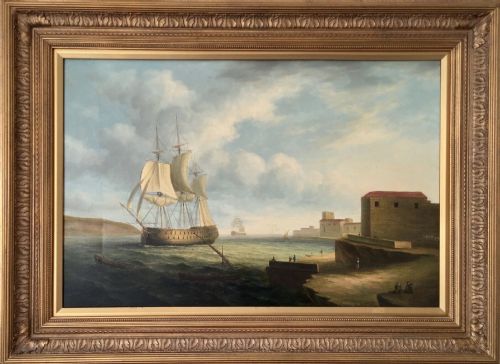
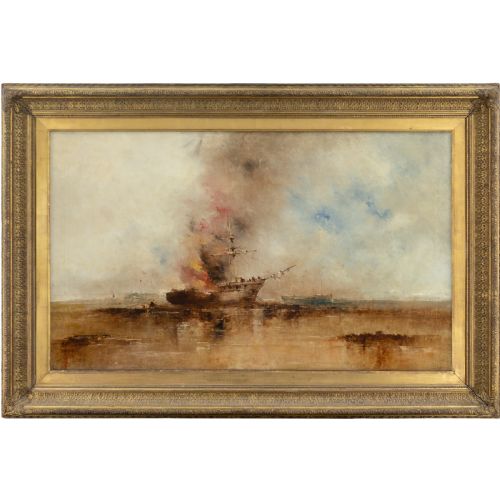
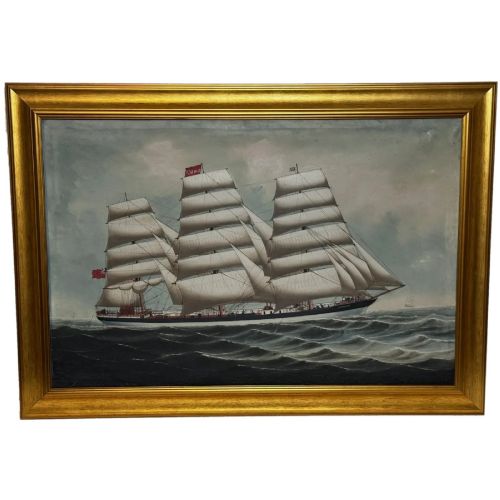
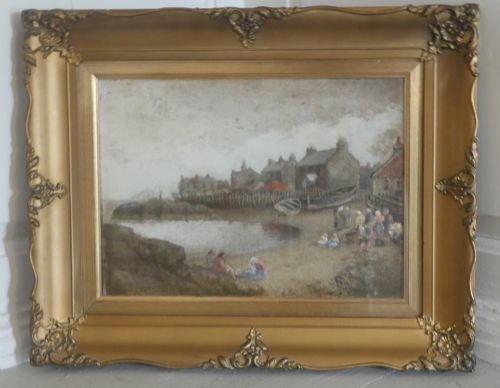
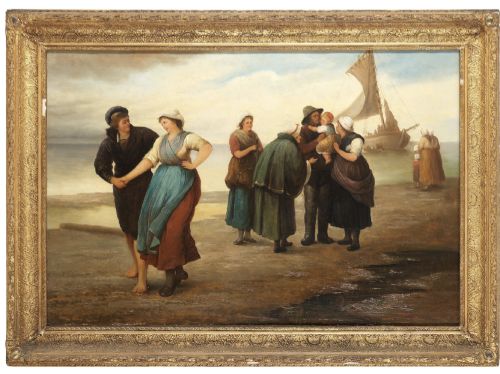
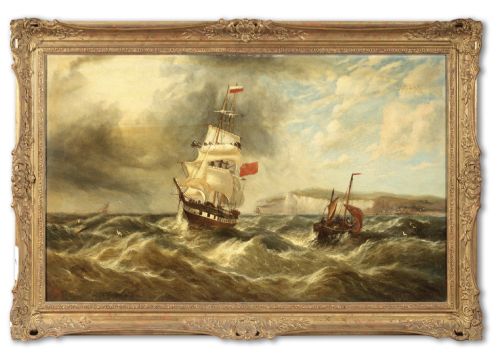
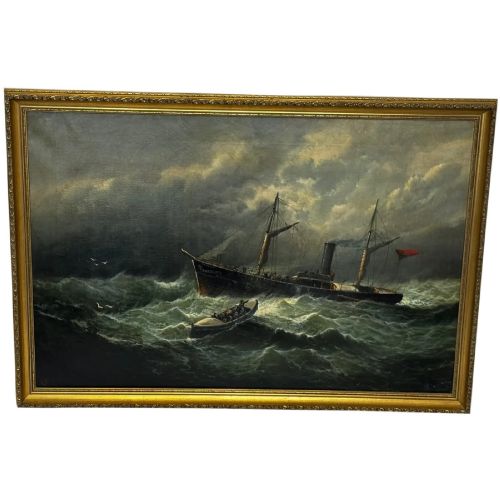
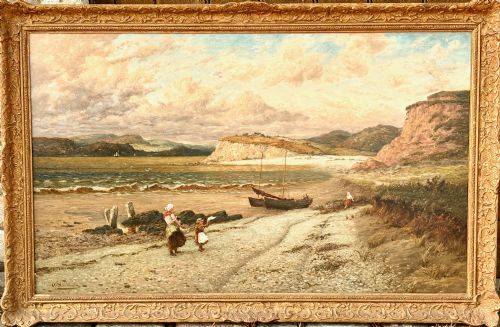
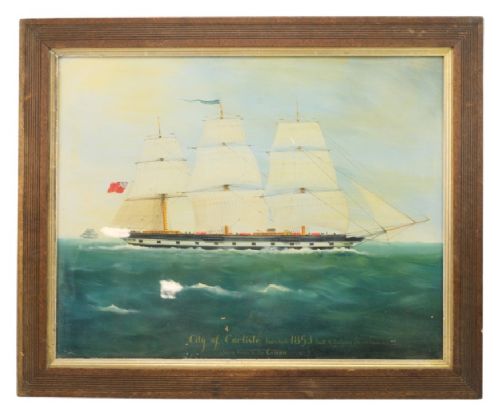
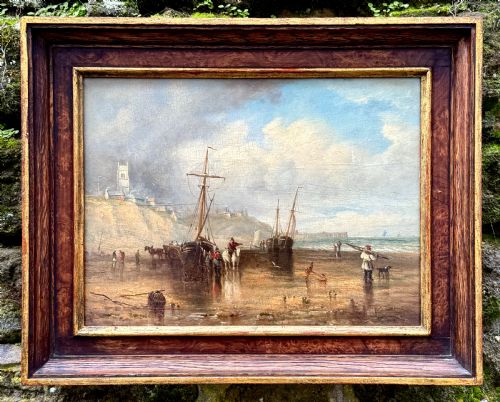
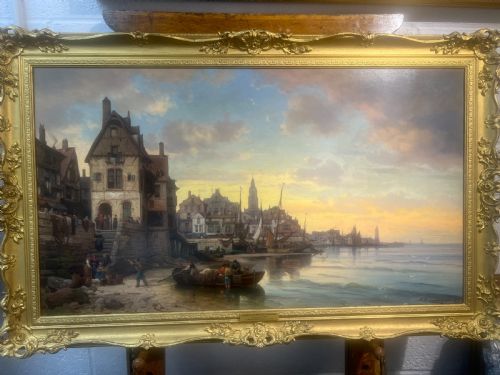
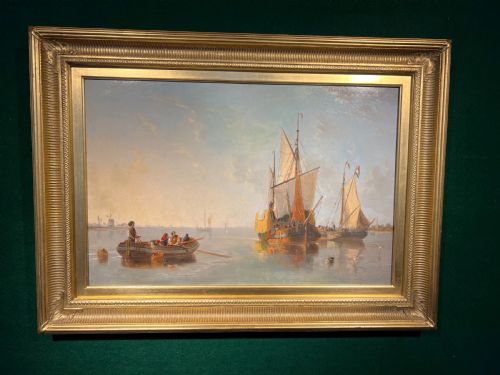
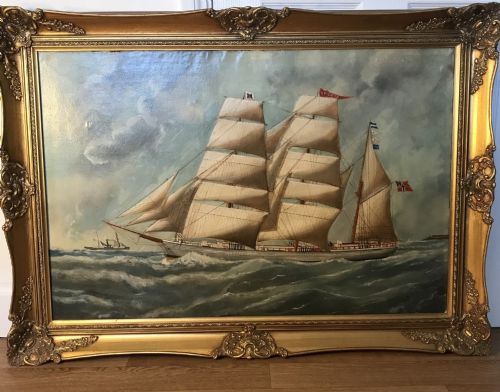
19th century marine oil paintings capture historical shipping, coastal harbours and turbulent seas through brushwork handed down from Victorian maritime artists.
19th Century Marine Oil
When you search for 19th century marine oil, you encounter canvas and panel works depicting coastal scenes, rough seas, and named sailing vessels.
The selections span the Victorian era, bringing together British, French, and Dutch school depictions of harbours, shipwrecks, and rescue scenes.
Many works record specific historical events, such as troop transports, clipper ships, and named barques navigating coastal waters.
Methods and Materials
Artists painted primarily with oil paint on stretched canvas, artists' board, card, or wooden panels.
Surviving works frequently retain their original giltwood, gilt wood, or gesso frames embellished with gold leaf.
Several canvases faithfully record hard-working vessels with names like Slieve Roe and Vick.
Distinctions in Quality
Quality rests upon the artist's handling of light, atmospheric clouds, and the anatomical accuracy of rigging and hull construction.
Works attributed to documented painters or signed pieces carry stronger provenance than anonymous school studies.
The preservation of the original gilt frame and the stability of the canvas or panel influence the overall integrity of the piece.
James Hardy·Reginald Arthur Borstel·Edward Mills·John Rose Miles·William Broome·Bernard Benedict Hemy·Thomas Creswick·Charles Euphraisie Kuasseg·John Wilson Carmichael·Lai Fong·Joseph Farquharson·John Moore of Ipswich·Nicholas Condy·Richard B Spencer·William Henry Williamson·John Holland·Abraham Hulk I·Charles William Wyllie·William Edward Webb·Gustave De Bréanski·Pieter Cornelis Dommersen·James Kyd·Adrian Van Porten·Arthur Joseph Meadows·George Webster
The 19th Century Marine Oil Glossary
- Oil on Canvas
- Pigment bound in a drying oil applied to a woven fabric support stretched across a wooden frame. This method allows for textured brushwork and layered glazing.
- Giltwood
- Timber carved and coated with gold leaf or metallic powder. It provides decorative framing for maritime canvases.
- Panel
- A flat piece of wood or board used as a rigid support for painting. It was frequently utilised for smaller coastal studies.
- Gesso
- A paint mixture consisting of a neutral binder mixed with chalk, gypsum, or pigment. It prepares wooden frames and panels before gilding.
- School
- A group of artists working in a similar style, region, or period, often under the influence of a master. Anonymous works are frequently attributed to these regional groups.
19th Century Marine Oil: Frequently Asked Questions
What subjects appear in 19th century marine oil?
Paintings show merchant ships, war vessels, fishing boats, and rescue operations off cliffs and harbours.
Scenes range from calm coastal views to dramatic shipwrecks in heavy seas.
How do I identify a Victorian marine painting?
Look for canvas or board supports combined with nineteenth-century framing techniques.
Signatures, school attributions, and subject matter involving steamships or tall ships help date the work.
Were these paintings created outdoors?
Some artists produced cloud studies and beach scenes on site as plein air works.
Larger historical compositions of ships and harbour scenes were typically finished inside studios.
How should I care for a framed oil painting?
Keep the canvas away from direct sunlight and excessive humidity fluctuations.
Dust the gilt frame gently with a dry, soft brush without touching the painted surface.