

Framed Victorian Art
Framed victorian art brings nineteenth-century portraiture, landscape painting and delicate paper silhouettes directly into domestic spaces.
Framed Victorian Art
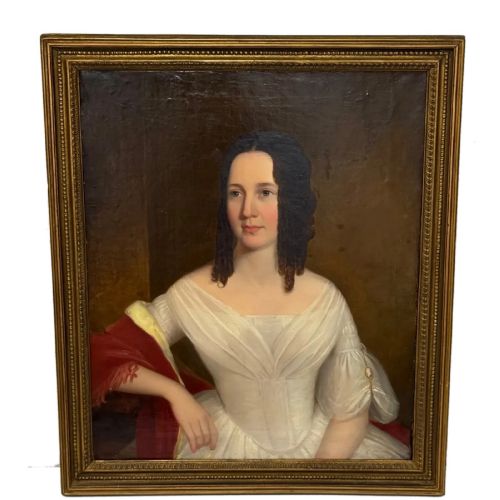
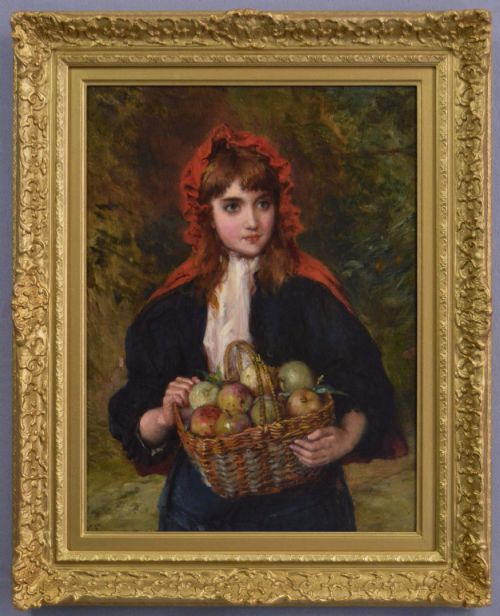
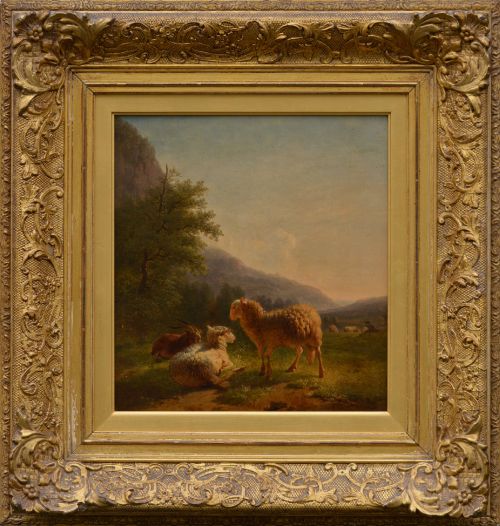
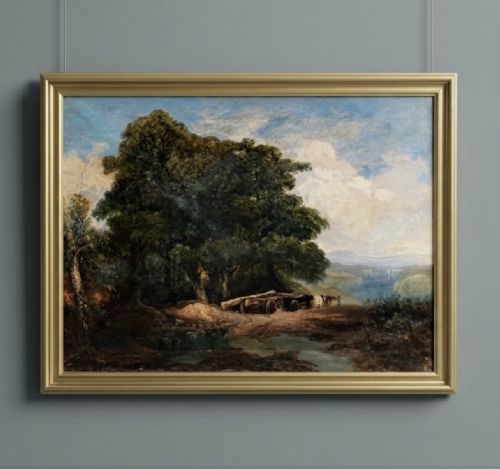
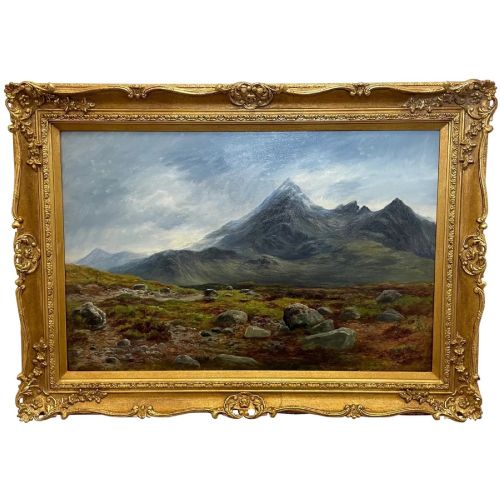
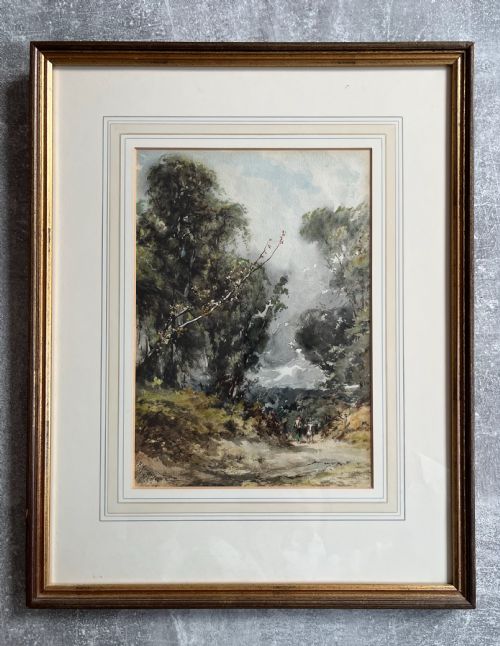
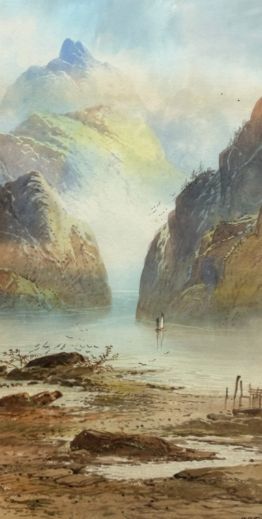
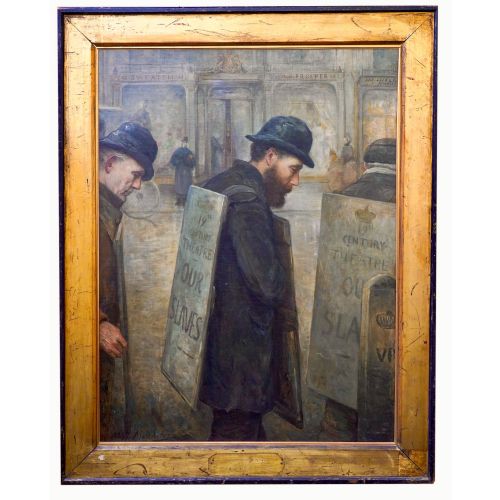
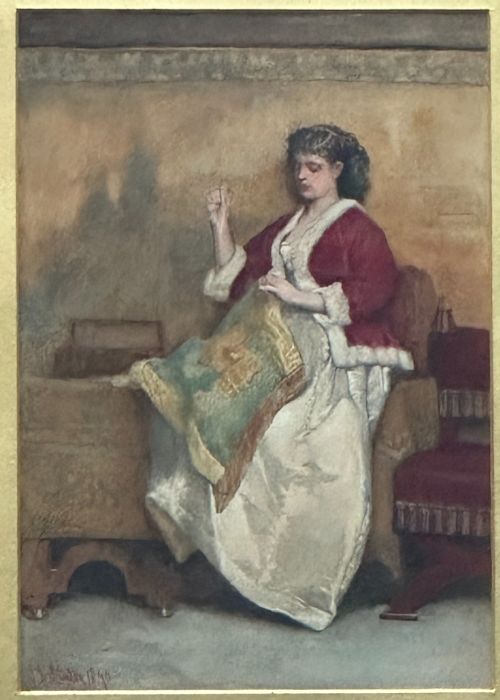
When you search for framed victorian art, you encounter oil paintings on canvas or board, detailed watercolours and crisp cut-paper silhouettes. These pieces span the nineteenth century, capturing romantic landscapes, domestic social scenes and formal portraiture within period frames.
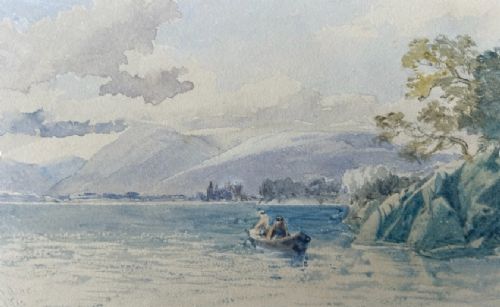
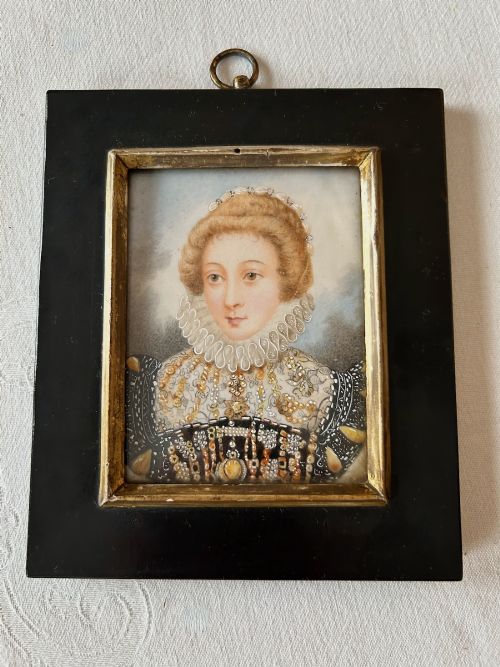
You are most likely to meet nineteenth-century oil paintings of British landscapes and watercolour studies on paper. Alongside these traditional fine art mediums, the category encompasses portrait miniatures, decorative prints and woolwork pictures preserved behind glass in wood or giltwood surrounds.
Materials and construction
Painters utilised oil on canvas, wood panel and board, building rich textures and deep colour pigments that have endured across the decades. Watercolour artists worked on heavy paper stock, often applying gum arabic to intensify highlights and secure transparent washes.
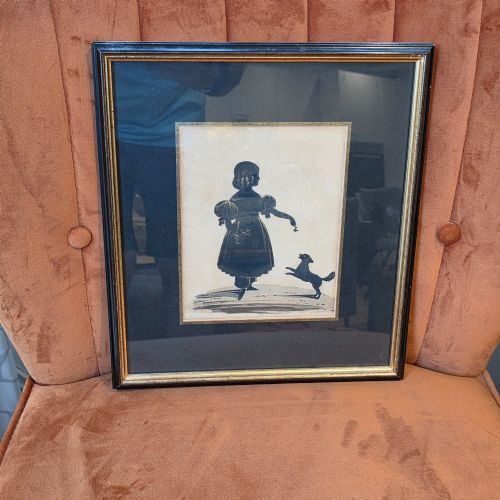
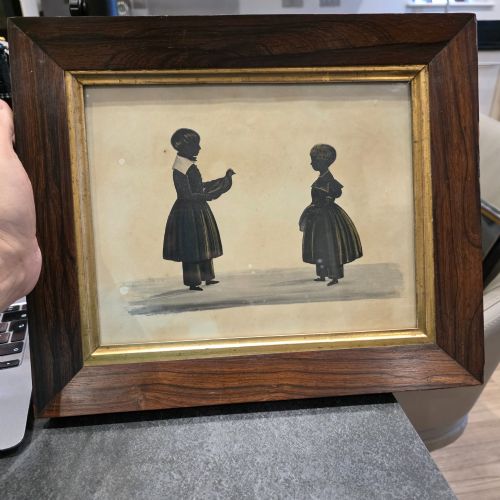
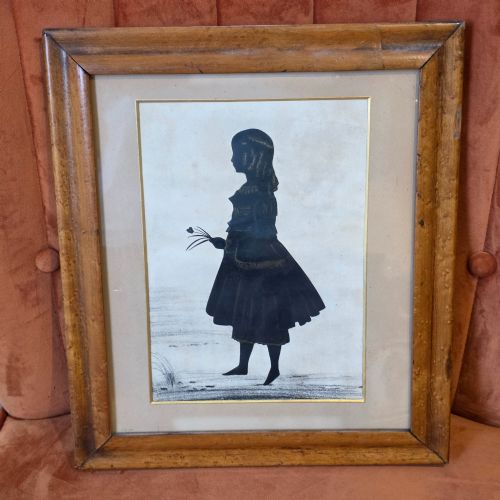
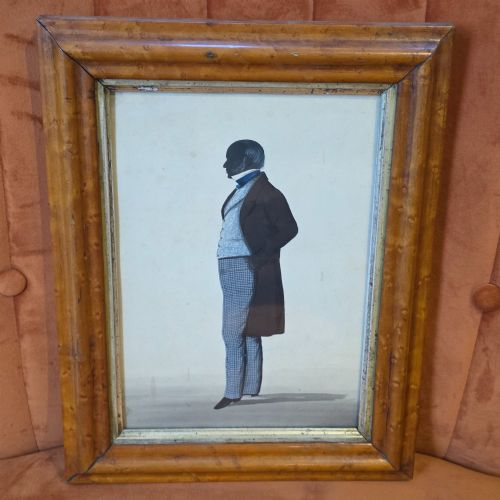
Makers shaped delicate silhouettes from black cut paper combined with ink and watercolour details, mounting them securely within protective glazing. Frames predominantly consist of carved wood, finished with gilt leaf or polished to display natural grain.
The listings span multiple nineteenth-century periods, incorporating early Victorian oil paintings alongside Edwardian watercolours and Regency silhouettes.
Distinctions in execution
Superior examples demonstrate confident brushwork, accurate anatomical proportions and careful attention to light within landscape or interior settings. Lesser works often rely on rigid repetition or hurried execution by unknown studio hands without individual artistic vision.
The sophistication of the framing also dictates overall quality, with hand-carved giltwood mouldings elevating the status of an oil painting compared to standard replacement frames. Original glass, undisturbed backing papers and clear artist signatures further distinguish museum-grade pieces from decorative wall items.
William James Hubard·William Oliver·Eugène Verboeckhoven·Richard Sebastian Bond·Thomas Miles Richardson Jnr·James Orrock·William Henry Earp·Felix Stone Moscheles·Sir James Dromgole Linton·Valentine T. Garland·John Maler Collier·Arthur Wardle·James Smetham·John Horace Hooper·John McDougal
The Framed Victorian Art Glossary
- Silhouette
- A solid black profile portrait cut from paper or painted onto a pale background, frequently enhanced with subtle highlights in gold or watercolour.
- Giltwood
- Timber that has been coated with a thin layer of gold leaf or gold paint, commonly used for ornate nineteenth-century picture frames.
- Portrait miniature
- A small, highly detailed painting executed on ivory, vellum or card, designed to be held in the hand or displayed in a small case.
- Watercolour
- A paint consisting of pigment suspended in a water-soluble binder, used extensively on paper for both rapid sketches and finished exhibition pieces.
- Woolwork
- A textile picture stitched in coloured wool yarn, sometimes called a woolie, depicting maritime scenes or domestic animals.
Framed Victorian Art: Frequently Asked Questions
How do I care for antique watercolours?
Keep framed watercolours away from direct sunlight to prevent the fugitive pigments and paper supports from fading permanently. Maintain stable room temperatures and low humidity to protect the paper from foxing and mould growth.
Ensure the piece remains sealed in its frame with acid-free backing materials to prevent atmospheric pollution from damaging the delicate painted surface over time.
What subjects are common in these paintings?
Landscapes form a significant portion of the works, particularly Scottish scenery, pastoral views and coastal shipping scenes with rough seas. Portraiture is equally prevalent, ranging from formal oil portraits of nobility and professionals to intimate silhouette profiles.
Genre scenes depicting everyday domestic life, animals such as dogs and racing pigeons, and historical subjects also appear frequently across the selection.
Are these works signed by the artists?
Many oil paintings and watercolours feature artist signatures, monograms or contemporary inscriptions on the front or the reverse of the canvas. Signed pieces often provide clearer provenance and biographical context regarding the painter's exhibition history.
Unsigned works remain common, particularly decorative portraits, school pieces and silhouette portraits, which were frequently produced anonymously or attributed through stylistic analysis.
How were nineteenth-century frames constructed?
Makers constructed frames primarily from hardwoods such as oak and pine, applying moulded plaster or gesso to form intricate decorative relief patterns. They finished these mouldings with gold leaf, bronze paint or dark wood stains to complement the artwork.
Original frames often feature historic mitre joints, hand-applied gilding and aged glass, making them integral to the historical character of the piece.