
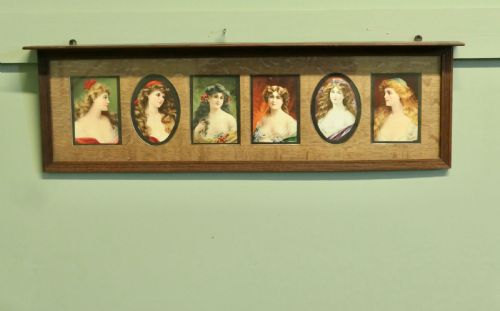


Antique Portrait Gallery Wall
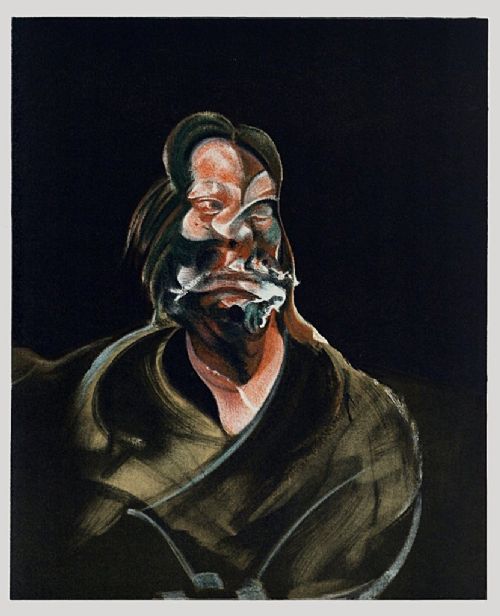
An antique portrait gallery wall brings together framed historic faces, oil paintings and prints to fill an interior with layered character.
Antique Portrait Gallery Wall
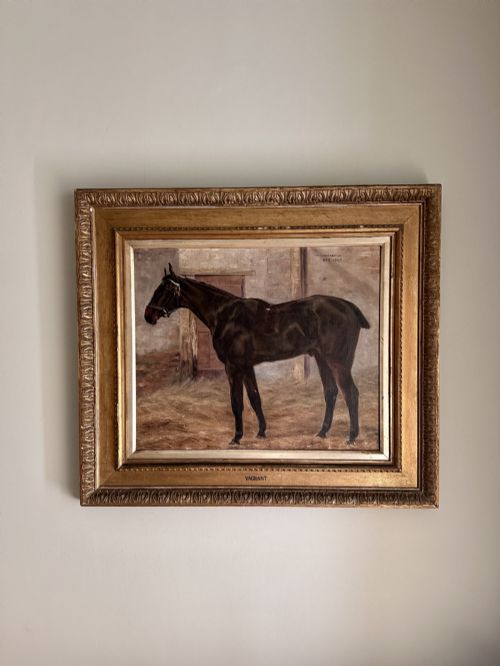
An antique portrait gallery wall comprises grouped sets of framed artworks, prints, and paintings originating from the eighteenth, nineteenth, and early twentieth centuries. These arrangements often include uniform sets of engravings, photographic prints of racehorses, and watercolor sketches.
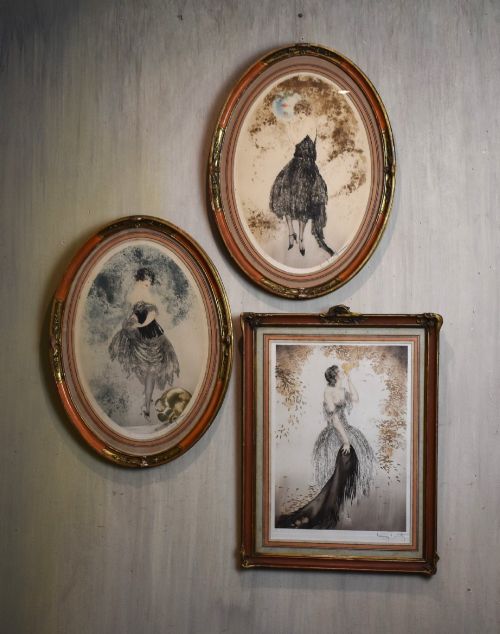
The pieces encountered here span Victorian sporting art, Georgian Revival, and Art Deco styles, bringing together diverse subjects from royalty and dignitaries to equines and gentlemen. Buyers select these groupings to create an immediate, cohesive display of historic imagery.
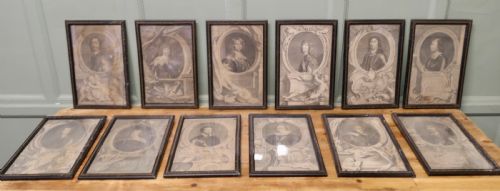
Compositions range from large sets of twelve Jacobus Houbraken engravings to intimate collections of pencil and watercolor portraits. Each grouping relies on the visual weight of historical frames and varied print techniques to anchor a room.
Materials and construction
The artworks rely on traditional media including oil on canvas, pencil, watercolor, and various print techniques such as engraving and mezzotint executed on paper. These are housed behind glass within timber frames, frequently enhanced with gilt or giltwood finishes.
Execution involves meticulous hand-applied watercolor washes, precise pencil work, and detailed plate engravings that demand high technical skill. Framing materials combine solid wood structures with protective glazing to preserve the delicate paper and canvas surfaces.
Several noble dignitaries, famous racehorses, and Victorian gentlemen share the same wall space across these historical collections.
Assessing quality and depth
Quality reveals itself in the fidelity of the print impression, the crispness of pencil line work, and the depth of oil on canvas. Intact sets with matching frames show greater compositional harmony than assembled groupings.
Signatures by documented artists like Fred Fitzpatrick or Louis Icart elevate a collection, as does verifiable provenance linking pieces to historical estates and galleries. The preservation of the original paper, glass, and giltwood determines the enduring integrity of the wall.
Jacobus Howbraken·Fred Fitzpatrick·Louis Icart·Edward Stodart·John Phillip
The Antique Portrait Gallery Wall Glossary
- Engraving
- A printmaking technique where an image is incised into a metal plate, holding ink to transfer fine lines onto paper. This method produces sharp, durable details favoured in eighteenth-century portraiture.
- Mezzotint
- A tonal printmaking method allowing smooth gradations of light and shade without using line alone. Artists achieve rich, velvety dark backgrounds particularly suited to dramatic portraiture.
- Giltwood
- Wood that has been carved and coated with a thin layer of gold leaf or gilt. It provides a reflective, ornate border that complements traditional oil paintings and framed prints.
- Provarnce
- The documented history of ownership of an artwork, establishing its authenticity and origin. Provenance records often link pieces to notable estates or historical galleries.
Antique Portrait Gallery Wall: Frequently Asked Questions
How do I hang a gallery wall?
Plan the layout on the floor first, arranging pieces around a central focal point to balance frame sizes and subjects. Keep consistent spacing between frames to ensure the diverse prints and paintings cohere as a single installation.
Secure each piece with appropriate fixings rated for the weight of the timber and glass. Heavier oil paintings require wall anchors, while lighter framed engravings sit securely on standard picture hooks.
Are these prints original period pieces?
The listings comprise original nineteenth-century and eighteenth-century prints, engravings, and contemporary paintings rather than modern reproductions. Techniques like plate engraving and hand-applied watercolor confirm their period manufacture.
Documentation and signatures within the titles, such as works by Louis Icart or Jacobus Houbraken, verify the age of the prints. Examining the paper and framing materials further establishes their historical origin.
Can I mix different centuries together?
Combining eighteenth-century engravings with Victorian and early twentieth-century pieces creates a rich, collected aesthetic. The unifying element is the portrait subject matter rather than a single production date.
Matching frame materials, such as giltwood or dark wood, helps bridge different eras within the same display. This approach mirrors historic interior traditions where collections accumulated over generations.
How should I light historic portrait prints?
Position picture lights or directional wall sconces to illuminate the collection without generating excessive heat. Keep light levels moderate to protect delicate watercolours and paper from fading over time.
Avoid placing the gallery wall in direct, harsh sunlight. UV-filtering glass provides an extra layer of conservation for paper-based prints and original drawings.