
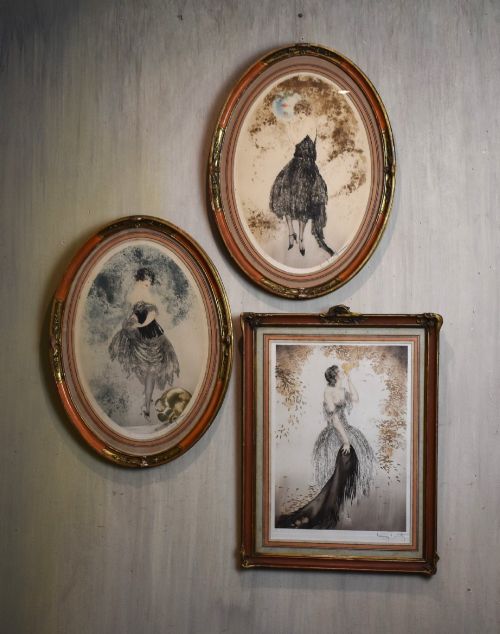
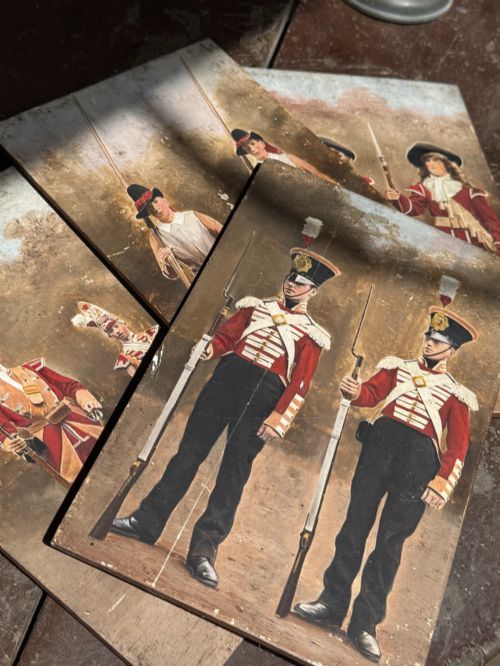


Antique Portrait Wall Set
An antique portrait wall set gathers multiple framed likenesses together, offering a balanced scheme of faces from past centuries.
Antique Portrait Wall Set
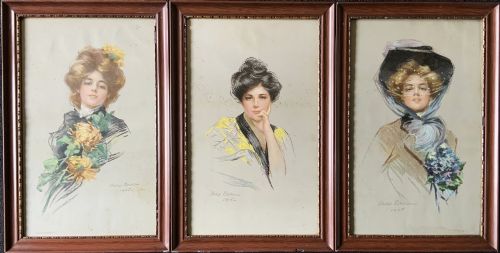
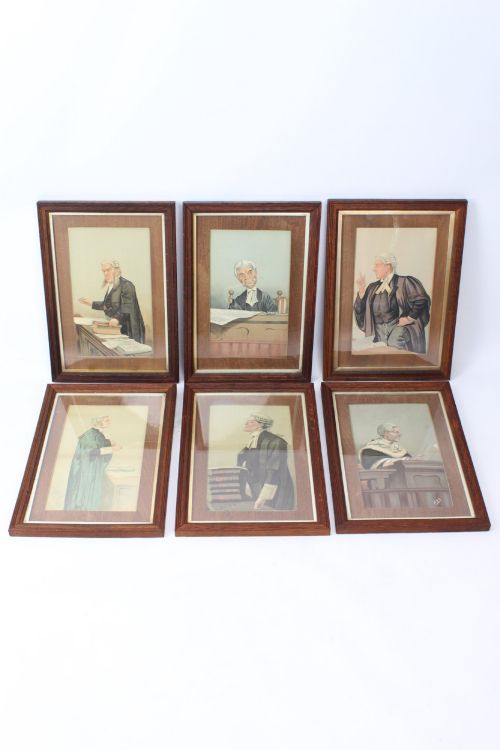
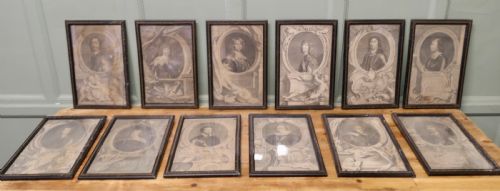
An antique portrait wall set brings together multiple framed likenesses, ranging from engraved nobility and theatrical decoupage to military figures and painted dignitaries. You will frequently encounter groupings of Vanity Fair prints, botanical or literary engravings, and small portrait miniatures designed to be hung in formation.
The periods represented span from the eighteenth century through the Edwardian era and into the early twentieth century. Sets often comprise varying numbers of pieces, from pairs and groups of four up to larger collections of twelve or fifteen framed works.
Materials and formats vary widely across these groupings, including oil on canvas, wax portraits, pencil and watercolour, woodblock prints, and photographic plates. Each set presents a cohesive visual rhythm intended for display together on a wall.
Materials and construction
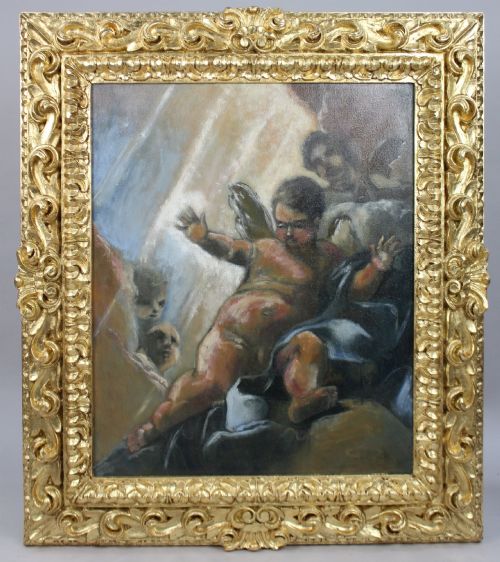
Works within an antique portrait wall set rely on traditional paper, canvas, panel, and wax media housed in period frames of giltwood, brass, and carved wood. Engravings, mezzotints, and lithographs provide the printed basis for many collections, while others utilise hand-painted watercolours, oils, and pencil.
Framing plays a defining role in how these sets are constructed, utilising glass protection, card mounts, and gilt wood mouldings to unify the individual pieces. Panel paintings and metal wall plaques employ direct carving and casting techniques suited to their respective mediums.
German generals, theatrical tinsel actors, and famous racehorses share wall space in this company.
Distinctions in execution and preservation
The standard of a portrait set rests on the fineness of the original execution, whether that is the delicate line of an eighteenth-century engraving or the brushwork of a nineteenth-century oil painting. Intact matching frames and preserved paper surfaces elevate the overall integrity of the group.
Cohesion within the set matters greatly, as collections sharing uniform framing and contemporaneous origin display a stronger decorative presence than assembled groupings. The clarity of the likenesses and the depth of the medium determine the visual impact on the wall.
Louis Icart·Kitagawa Utamaro·Edward Stodart·Guiseppe Mazzolini
The Antique Portrait Wall Set Glossary
- Mezzotint
- A printmaking process where the copper plate is roughened to achieve rich dark tones and subtle gradations of light. This technique allows for remarkably soft and lifelike portraiture.
- Plumbago
- A drawing executed in graphite, taking its name from the Latin word for lead ore. These monochromatic works often appear in miniature format during the eighteenth century.
- Decoupage
- The art of decorating a surface with paper cutouts arranged into decorative compositions. In theatrical prints, this method adds layered dimension to the framed image.
- Woodblock print
- A technique where an image is carved into a block of wood, inked, and transferred to paper. Japanese examples utilise multiple blocks to achieve intricate coloured designs.
- Giltwood
- Wood that has been treated with a thin layer of gold leaf or gilt composition. Antique frames finished in this manner provide a reflective border for portrait artworks.
Antique Portrait Wall Set: Frequently Asked Questions
How should I hang a portrait wall set?
Arranging multiple frames requires careful spacing to maintain visual balance across the wall. Keep the centre of the grouping at eye level and measure the gaps evenly between each piece.
Matching frames can be arranged in strict grids, while mixed sizes benefit from a more organic cluster layout that anchors the heavier pieces near the bottom.
What periods do these portrait sets cover?
The listings span from the seventeenth and eighteenth centuries through the Regency, Victorian, and Edwardian eras, extending into the early twentieth century. Earlier examples often feature engravings and wax profiles, while later sets include photographic prints and caricatures.
Each era brings its own distinct framing styles and artistic mediums to the wall groupings.
Are these portraits original period pieces?
The works comprise original engravings, period watercolours, vintage photographs, and authentic painted panels from their respective eras. Makers and printmakers of the past produced these series for contemporary publication or private display.
Examination of the paper, backing materials, and framing construction helps confirm the historical context of each set.
How do I care for antique framed prints?
Protect delicate paper, watercolours, and wax portraits by avoiding direct sunlight and maintaining stable indoor humidity. Excessive light causes fading in older pigments and yellowing in antique paper stocks.
Dust wooden and gilt frames gently with a dry cloth, and refrain from using liquid cleaners near the exposed edges of the glass.