

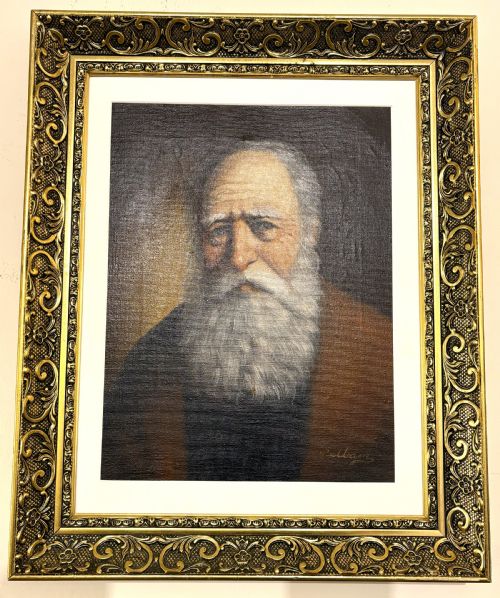


Brown Tone Wall Art
Brown tone wall art brings warmth and depth to a room through centuries of painted canvases, watercolours, and wooden panels.
Brown Tone Wall Art
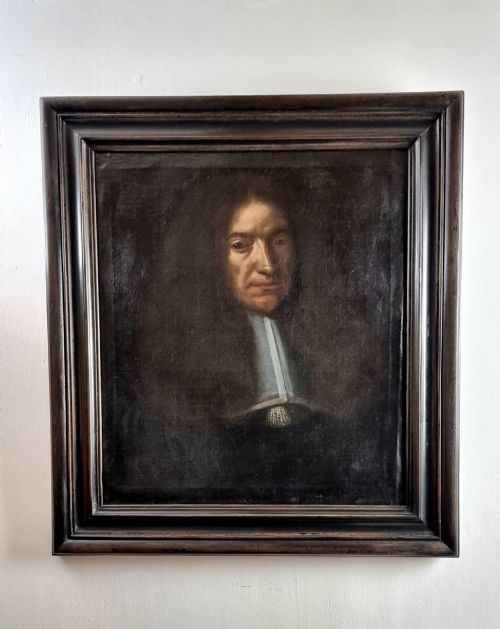
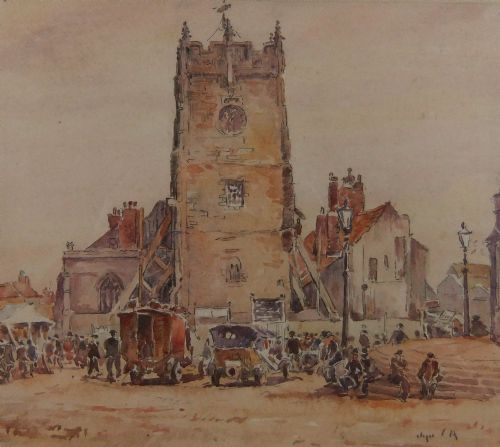
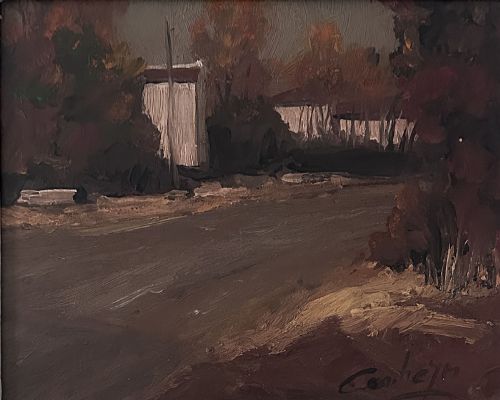
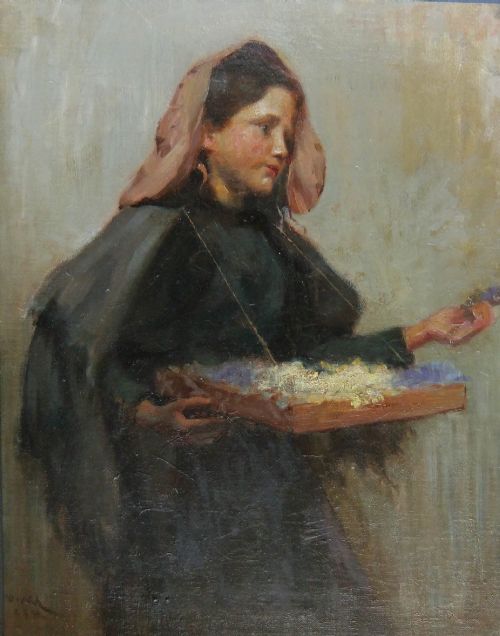
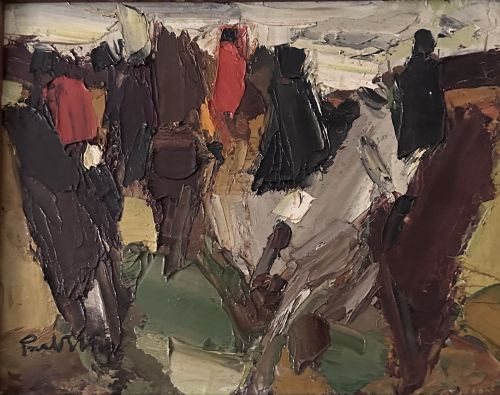
Brown tone wall art encompasses centuries of painted works, from seventeenth-century portraits to mid-century abstract cityscapes. Buyers seeking this aesthetic will find oil paintings on canvas and wood panel alongside watercolours on paper.
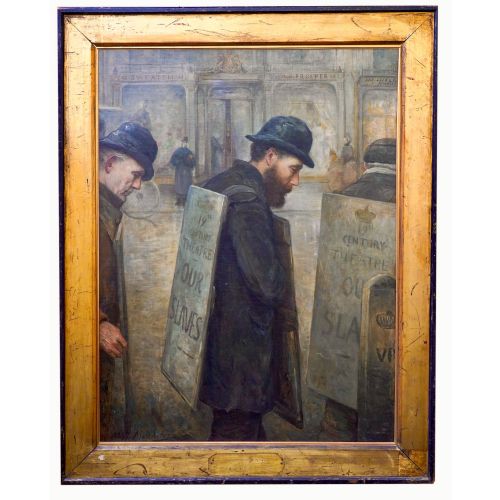
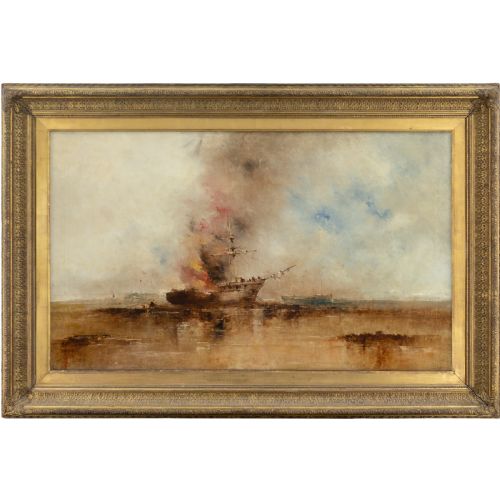
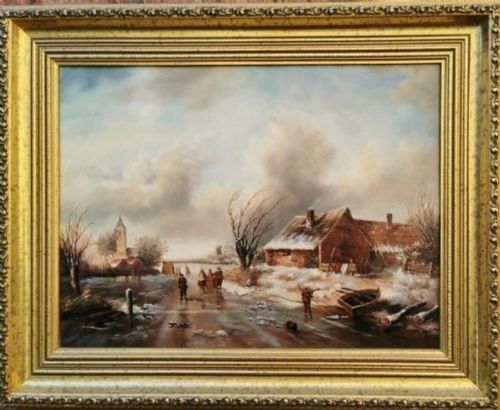
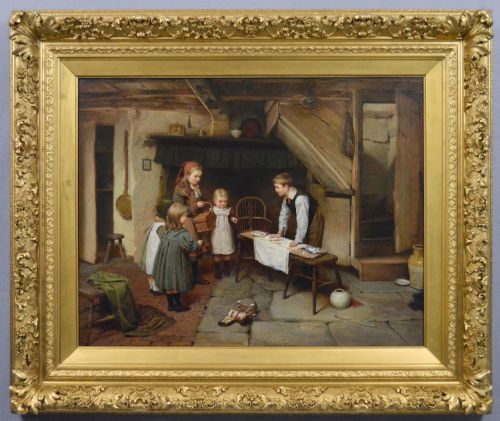
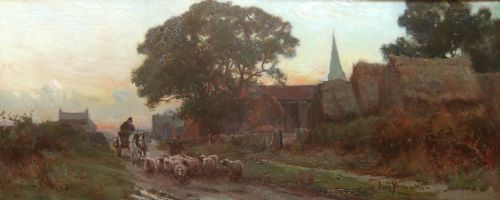
The selections span Victorian genre scenes, Scottish landscapes, and British Impressionism, where earthy pigments and rich umber tones dominate the palette. Many pieces focus on rural life, domestic interiors, and historical subjects.
Most examples originate from nineteenth-century British and European traditions, capturing farmyards, horses, and coastal views in deep brown and ochre hues. These works rely on natural light and shaded interiors to create their characteristic warmth.
Materials and methods
Artists built these works using oil paint applied to canvas, board, and wood panels, alongside watercolours worked on paper. Oil pigments allowed for thick impasto textures and subtle glazing, while watercolours offered fluid transparency.
Supports ranged from woven canvas stretched over wooden frames to solid wood panels and heavy paper sheets. Pigments were bound with oils or water-soluble gums, layered to achieve the deep brown tonality seen across the pieces.
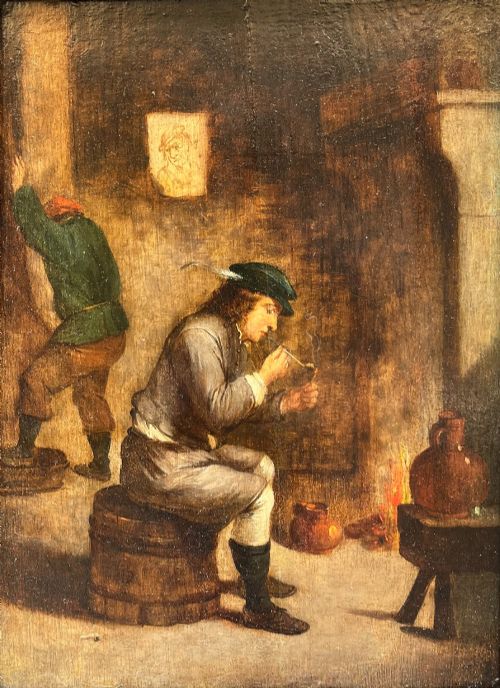
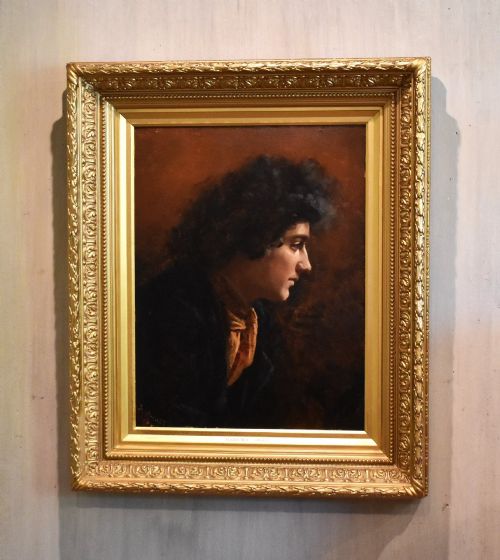
Monks, smoking men, and farmyard animals share these canvases with formal portraits and quiet landscapes.
What sets individual pieces apart
The distinction between standard works and exceptional examples lies in the handling of brushwork and the management of light within the composition. Masterful use of impasto and tonal gradation creates depth and atmosphere that lesser paintings lack.
Condition of the canvas or panel and the preservation of the original pigment layer determine the integrity of each piece. Finer works retain their original surface texture and unblemished colour harmony without intrusive restoration.
Felix Stone Moscheles·Tom Campbell·William McAlpine·John Smith Atherton·David Teniers·Florence Small·William Watt Milne·Harry Brooker·Owen Bowen·David Pelbam·Alfred George Morgan·James Tower·Gyrth Russell·Raimond Louis Lecourt·John Watkins Chapman·W.E. Evans·John Atkinson·William Greaves·Percival Glenfern·John Frederick Herring·Frank Hyde·John Henry Dell·Ralph Hedley·William Manners·Thomas Sidney Cooper
The Brown Tone Wall Art Glossary
- Canvas
- A heavy woven fabric used as a surface for oil painting. It is typically stretched over a wooden frame before application.
- Impasto
- Paint laid thickly on a surface so that it stands out from it. This technique creates a tangible texture that catches the light.
- Wood Panel
- A solid wooden board utilised as a rigid support for oil paintings. It provides a stable base distinct from flexible canvas.
- Watercolour
- A paint whose water-soluble-pigments are diluted with water and applied to paper. It produces transparent washes of colour.
- Genre Painting
- A pictorial representation of scenes from everyday life. These works depict ordinary people engaged in common activities.
Brown Tone Wall Art: Frequently Asked Questions
What periods do these paintings cover?
The works span from the seventeenth century through the Victorian era and into the mid-twentieth century.
Nineteenth-century examples are particularly common, alongside pieces from the nineteen-twenties and nineteen-sixties.
How are these artworks constructed?
Makers utilised oil paint on canvas, board, and wood panels, as well as watercolours on paper.
Pigments were layered to create deep umber tones and rich earthy atmospheres across the various supports.
Where were these pieces created?
The collection includes works from British, French, Dutch, and Canadian artists.
Many capture specific regional landscapes such as Scottish highlands, Yorkshire harbours, and Normandy farms.
How should I display them?
These pieces suit traditional and mid-century interiors alike, anchoring room decor with warm earthy palettes.
Keep them away from direct sunlight to protect the aged oil pigments and paper supports.