
Victorian Gentleman Painting
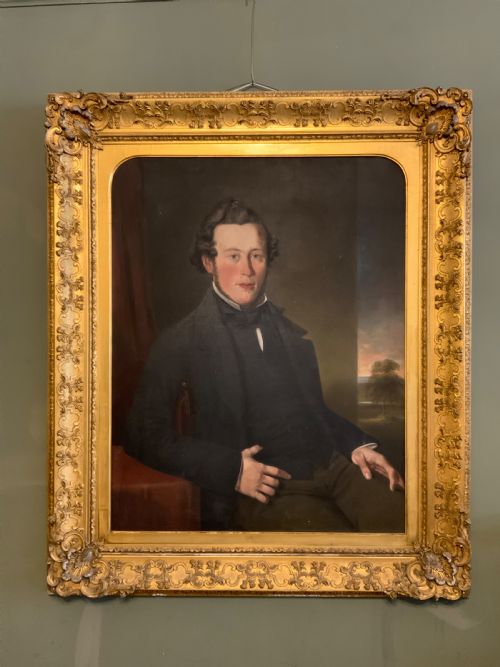
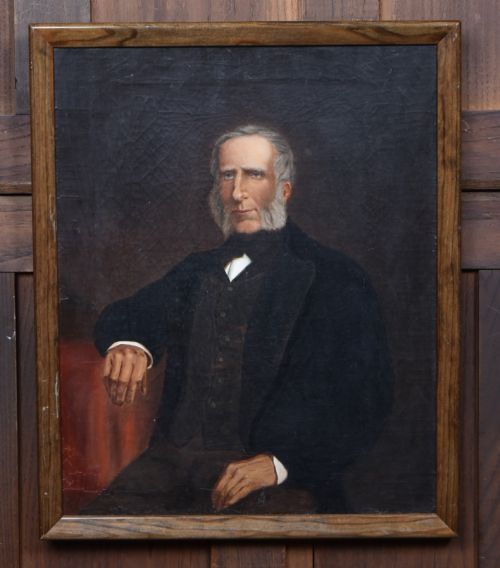
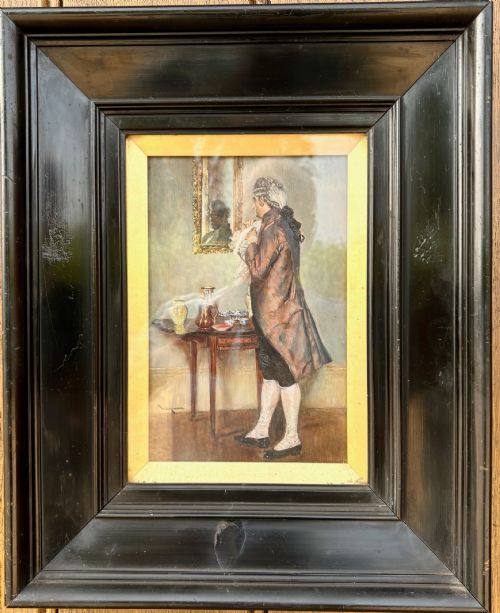
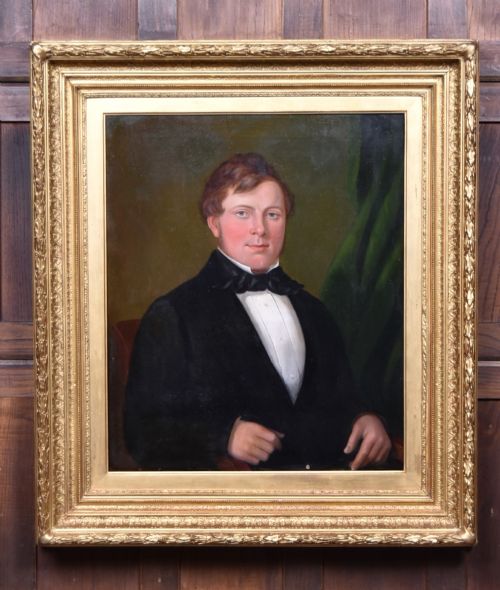
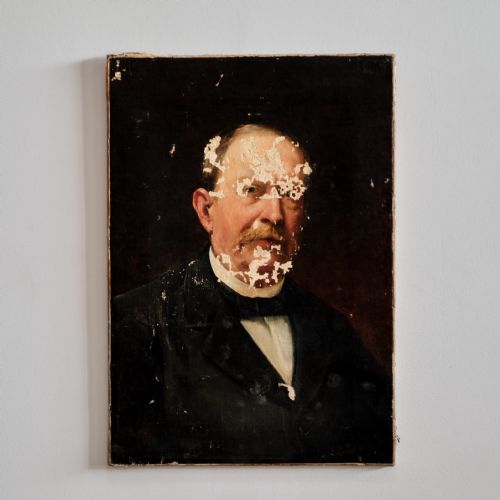
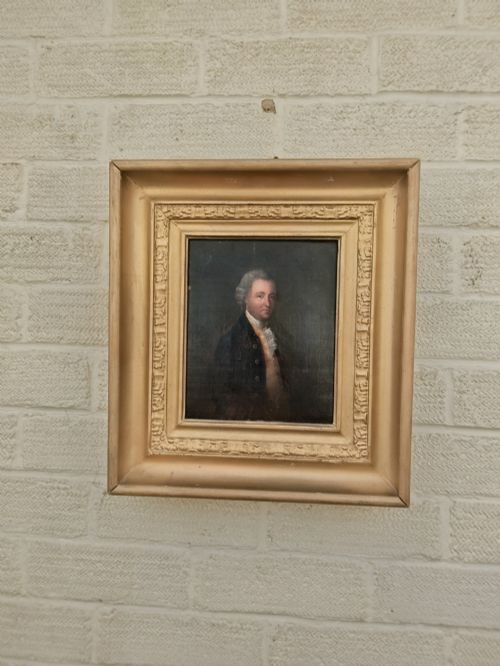
A victorian gentleman painting captures the character and attire of nineteenth-century sitters in oil on canvas or delicate watercolour.
Victorian Gentleman Painting
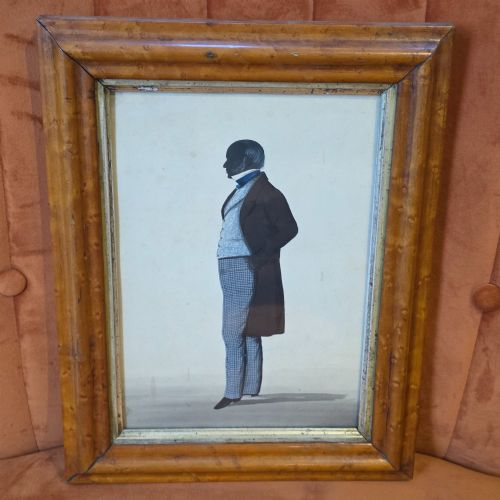
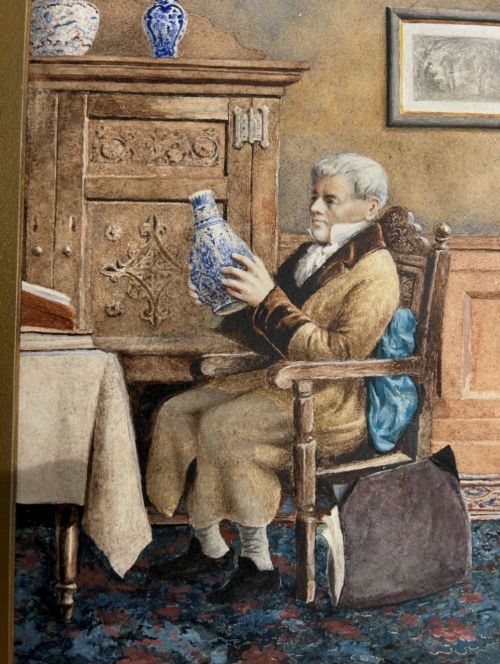
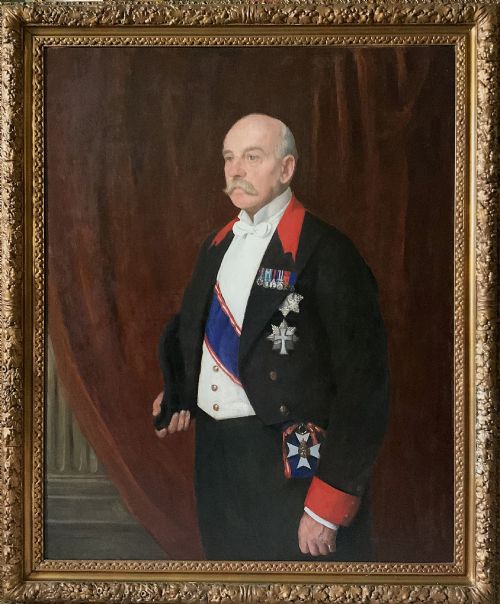
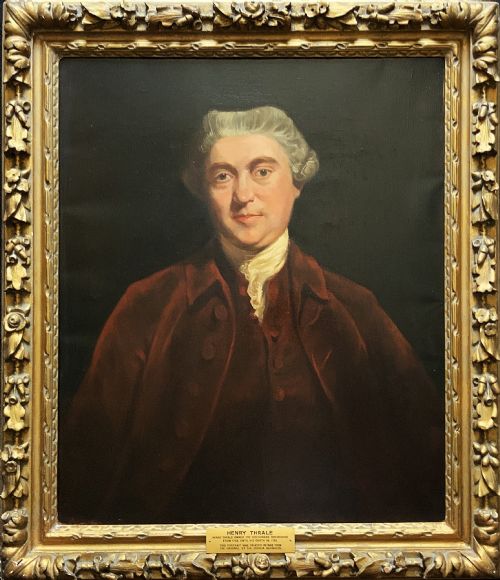
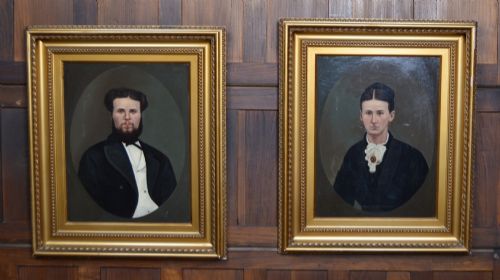
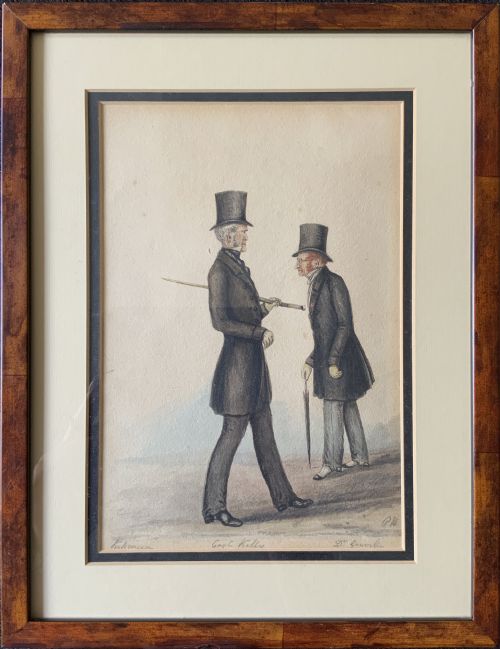
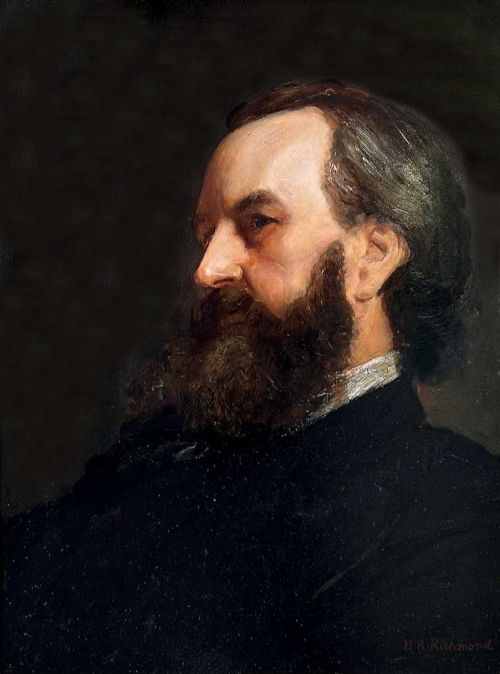
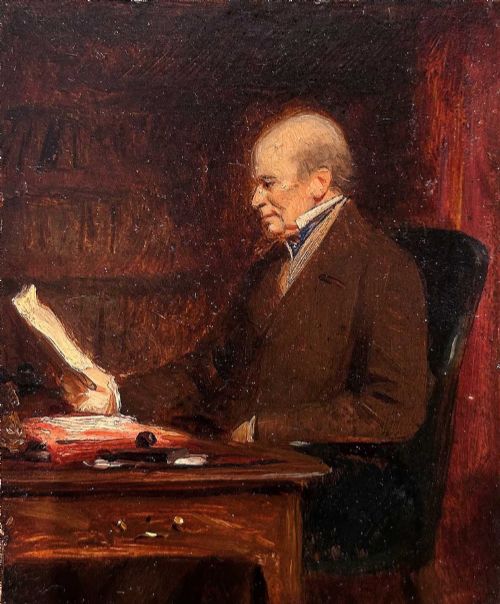
A victorian gentleman painting typically depicts a male sitter, ranging from military officers and nobility to literary figures and danderers, captured during the nineteenth century. These artworks span full-length portraits, intimate miniatures on paper or glass, and companion pairs.
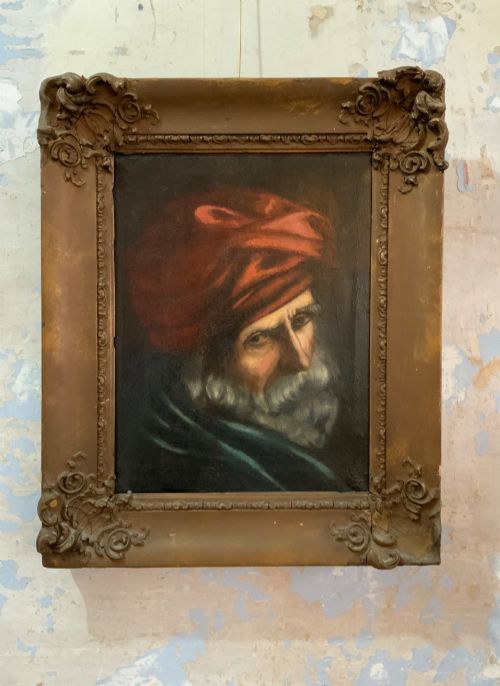
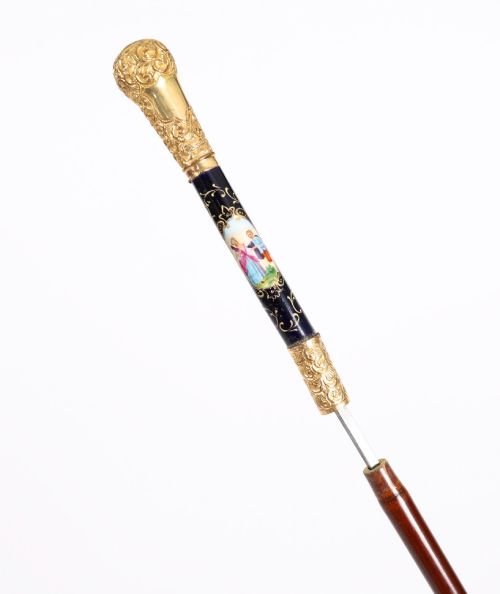
Most examples found within this category rely on traditional media such as oil on canvas, wood panels, or watercolour, often housed within deep giltwood frames. The subjects reveal much about the social standing, occupation, and fashion of the era, from sporting guns to walking canes.
Origins vary between English schools, Scottish portraiture, and continental works, reflecting the widespread tradition of commissioned likenesses before the ubiquity of photography. Buyers encounter both signed works by known artists and unsigned studies by regional painters.
How they were made
Painters applied oil paint to stretched canvas or wooden board, building depth through successive glazes and fine brushwork to render fabrics, skin tones, and background details. Watercolour versions required steady application on paper, sometimes protected beneath glass in miniature brooch mounts or birdseye maple frames.
Frames formed an integral part of the presentation, constructed from wood and finished with gilt gesso or deep velvet mounts to enhance the presence of the portrait. Craftspeople also utilised paper and card for silhouettes, cutting profiles by hand.
Victorian Gentleman Painting Retail Price Guide 2026
Typical asking prices for victorian gentleman painting among the pieces listed under this phrase on Sellingantiques today, from the lower quarter to the upper quarter. They describe what is for sale here now, not the wider market.
Several gentlemen are immortalised mid-smoke with cigars or accompanied by faithful walking canes, capturing the leisurely side of nineteenth-century life.
What varies in quality
The skill of the brushwork and the psychological depth of the sitter set exceptional portraits apart from standard output. A superior piece captures individual expression and texture in textiles rather than relying on formulaic expressions and flat backgrounds.
The preservation of the original support, the stability of the canvas, and the integrity of the period frame influence the standing of an artwork. Contemporary restorations and stable pigment retention preserve the original balance intended by the artist.
Henry Stacy Marks·Sir Joshua Reynolds·William Blake Richmond·Stephen Pearce·Frederick Goodall·John Watkins Chapman·Lance Calkin
The Victorian Gentleman Painting Glossary
- Oil on Canvas
- A traditional painting medium where pigments suspended in drying oil are applied to a woven fabric support. This technique allowed artists to achieve rich colour saturation and subtle blending.
- Giltwood
- Wood carved and coated with a thin layer of gold leaf or metallic powder. It provided ornate, reflective borders suited to nineteenth-century display.
- Watercolour
- A painting method utilising water-soluble pigments on paper. It produced translucent effects common in portable portraits and intimate studies.
- Miniature
- A small-scale portrait designed for personal use or travel. These delicate works frequently employed watercolour on glass, card, or ivory.
- Silhouette
- A two-dimensional profile portrait cut from dark paper or painted en grisaille. The form gained popularity for swift likenesses before photographic methods dominated.
Victorian Gentleman Painting: Frequently Asked Questions
How do I identify the sitter?
Sitters are sometimes identified by inscriptions on the canvas reverse, accompanying exhibition labels, or family provenance noted by previous owners. Uniforms, civilian decorations, and specific books or instruments held in the portrait offer strong clues to an individual's profession or social rank.
Unidentified portraits remain common because sitters often commissioned works for private domestic settings rather than public display. Researching regimental records or local archives can occasionally link an unmarked face to a historical figure.
Where should I hang these portraits?
These works suit traditional studies, libraries, and living rooms, especially when grouped with other period artworks or complementary furniture. The dark tones of nineteenth-century oil paintings pair well with wood-panelled walls and muted interior palettes.
Direct sunlight should be avoided to prevent fading in watercolour pigments and cracking in oil paint. Stable indoor humidity protects both the canvas support and the delicate giltwood frames.
Are frames original to the paintings?
Many nineteenth-century portraits retain their contemporaneous giltwood or gesso frames, which match the aesthetic standards of the period when the canvas was painted. Subtle signs of wear, shrinkage, and matching corner mitres often indicate an original pairing.
Frames were frequently updated by later owners to suit changing interior fashions, meaning some Victorian canvases reside in later or earlier surrounds. Examining the rebates and fixing nails helps determine whether a frame has been changed.
What does attribution mean?
Attribution indicates that an expert has linked an unsigned or documented painting to a specific artist based on stylistic similarities, brush technique, and compositional habits. Terms like follower or circle suggest the work was produced in the manner of a prominent master rather than by their own hand.
Such designations provide a contextual framework for understanding the artistic standard of the piece. They reflect scholarly consensus regarding the workshop or educational background of the creator.