






Antique Coastal Seascape Canvas
When you search for an antique coastal seascape canvas, you enter a world of salt air, crashing waves and nineteenth-century maritime life.
Antique Coastal Seascape Canvas
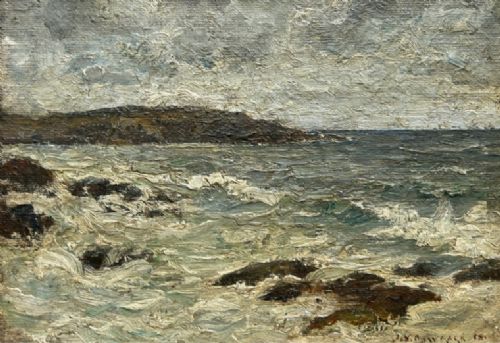
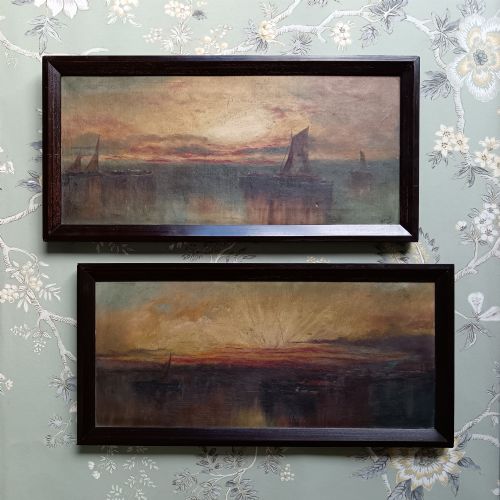
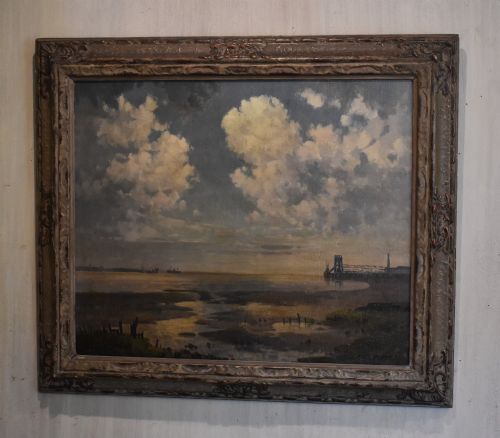
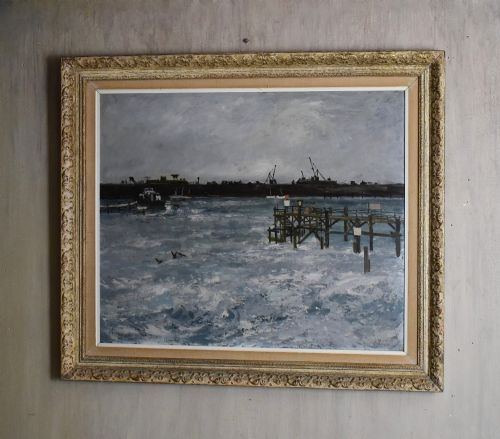
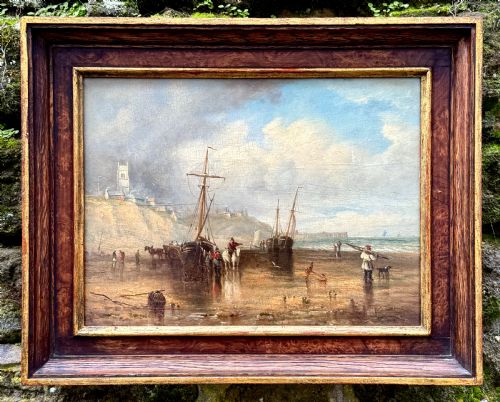
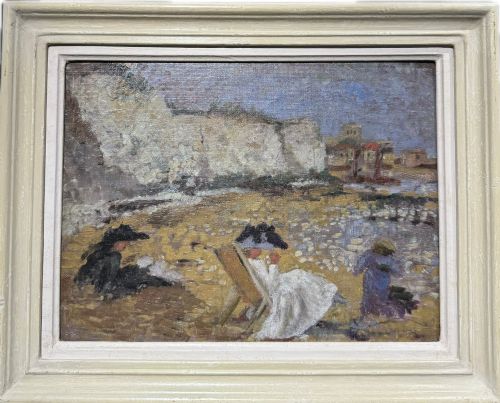
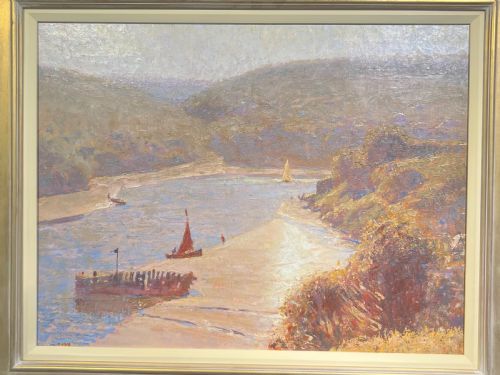
An antique coastal seascape canvas captures the temper of the sea and the daily toil of harbours, fishing boats and rocky shores across Britain and Europe. Buyers seeking these works will most frequently encounter nineteenth-century and Victorian examples rendered in rich oil paint on stretched fabric.
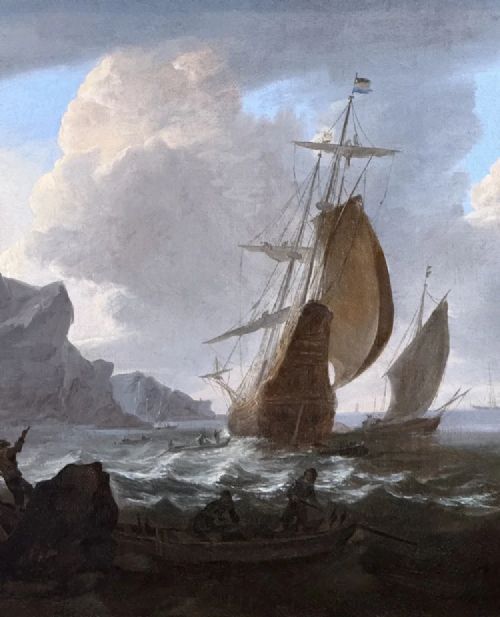
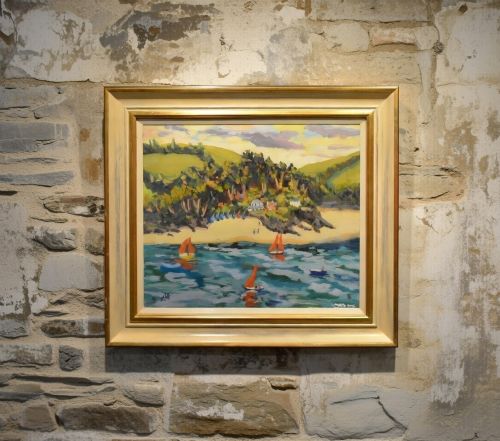
The subjects range from quiet tidal estuaries and bustling Cornish fishing villages to dramatic gales off Dutch coasts and sunlit Mediterranean bays. These works record maritime heritage and topographical changes through the eyes of artists who observed the water firsthand.
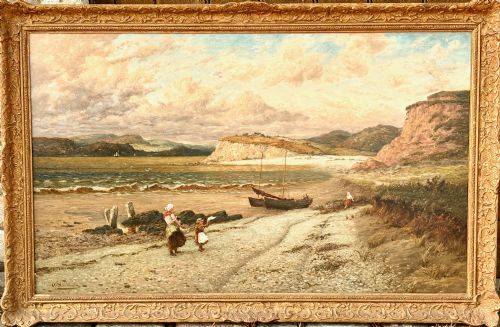
Most pieces survive in their period frames, ranging from simple mouldings to heavy gilded wood that enhances the depth of the painted horizon. Each canvas brings the movement of tides and the atmosphere of past centuries directly onto an interior wall.
Materials and methods of the canvas works
Painters applied oil paint onto woven canvas stretched over wooden frames, utilising the natural texture of the fabric to suggest the rough surface of water or cliffs. Artists built up layers of pigment, sometimes using impasto techniques to give cresting waves and foam a physical relief.
Frames were constructed from timber, frequently finished with carved plaster ornamentation and gilded with gold leaf or metallic paint to frame the view. These wooden surrounds protect the perimeter of the canvas and provide the traditional weight associated with period fine art.
Several Victorian canvases capture fishermen hauling oysters and sailing through gales, proving that past artists also enjoyed getting splashed for their art.
Distinctions in quality across the range
Quality rests in the artist's command of light, atmosphere and the fluid movement of water, where confident brushwork separates master observation from stiff mechanical copying. The most accomplished paintings convey the genuine force of a gale or the subtle shimmer of sunrise on a wet beach without relying on formulaic details.
The integrity of the canvas and the preservation of the original paint surface also dictate standing, as unlined canvases with stable pigment hold greater art historical value. Furthermore, the harmony between the painting and its period gilt wood frame elevates the overall presence of the piece.
Bonaventura Peeters·Bernard Benedict Hemy·Thomas Creswick·Charles Euphraisie Kuasseg·John Wilson Carmichael·Joseph Farquharson·William Henry Williamson·John Holland·Abraham Hulk I·William Edward Webb·Edward Matthew Elliott·Charles Napier Hemy·Louis Suire·Gustave Vidal·Jean-Baptiste Olive·Gustave De Bréanski·Adrian Van Porten·Stanley Leader·William Greaves·George Shaw·Charles Malfroy·Edward Seago
The Antique Coastal Seascape Canvas Glossary
- Impasto
- Paint applied thickly to a canvas, standing out in relief from the surface so that the artist's brush or knife marks remain visible. This technique adds tactile dimension to elements like churning surf or rocky cliffs.
- Stretcher
- The wooden framework upon which an artist's canvas is mounted and tensioned before painting. Period stretchers often show wedge keys in the corners used to retighten the fabric.
- Giltwood
- Wood that has been coated with a thin layer of gold leaf or gilt powder. It was the standard finish for fine art frames throughout the Victorian and Edwardian periods.
- Provenance
- The documented history of ownership and exhibition for a work of art. A clear provenance helps confirm the attribution and date of a nineteenth-century maritime painting.
Antique Coastal Seascape Canvas: Frequently Asked Questions
How do I date an antique coastal canvas?
Dating relies on stylistic clues, stretcher construction, costume details in any figures, and the materials used in the frame. Nineteenth-century works often feature distinct canvas stamps from artists' colourmen on the reverse.
Signatures, exhibition labels, and biographical dates of the painter provide further confirmation of the period. Comparing the atmospheric style to known dated works helps narrow down the exact decade.
Were these paintings created outdoors?
While some artists made small watercolour or oil sketches directly on the shore, large finished canvases were typically completed back in the studio. Painters used their field studies to capture accurate local light and weather conditions.
This method allowed artists working in the Victorian and Edwardian eras to manage larger compositions without the paint drying too quickly in sea breezes.
How should I care for an antique oil painting?
Keep the canvas away from direct sunlight and dramatic fluctuations in temperature and humidity to prevent the paint and wood from cracking. Dust the surface and the gilt frame very gently with a soft, dry brush.
Avoid using water, chemical cleaners, or damp cloths on the painted surface. Professional conservation should be left to specialists if the canvas ever requires cleaning or structural repair.
What subjects are most common in these seascapes?
Common subjects include local fishing fleets leaving or returning to harbour, sailing vessels caught in rough weather, and quiet coastal towns at low tide. Painters frequently focused on British and European shores, particularly Cornwall, the Isle of Man, and Dutch coastal waters.
These scenes reflect a nineteenth-century fascination with the sea, coastal trade, and the daily lives of coastal communities.