




Antique Ship Oil Painting
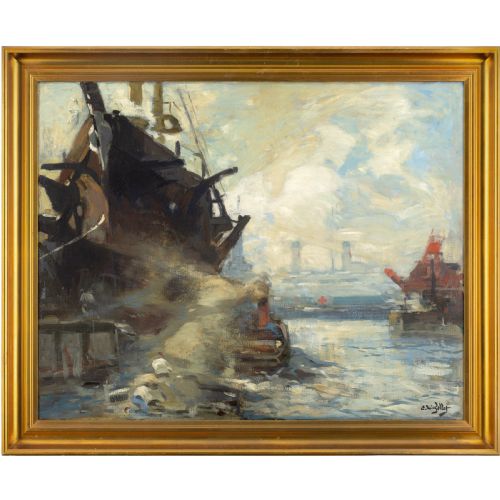
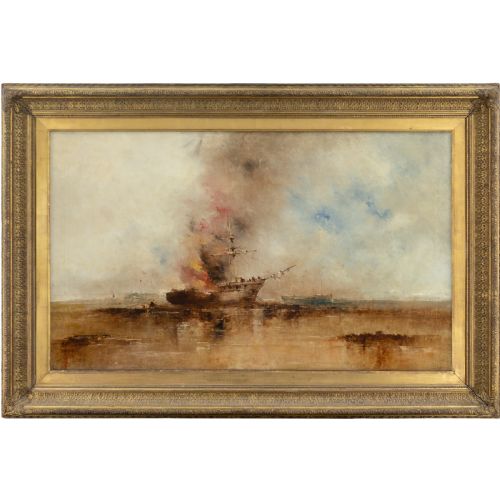
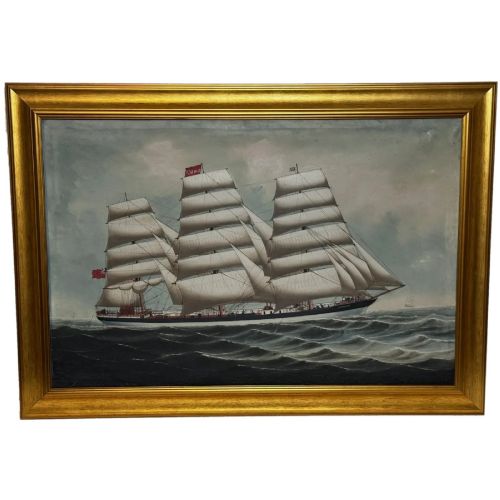
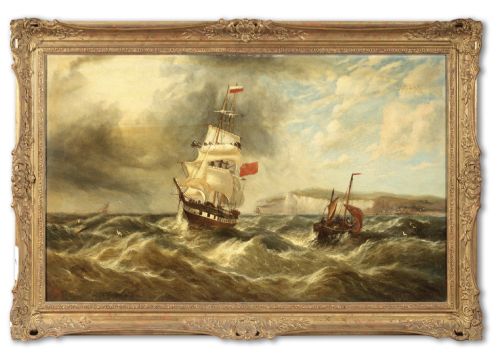
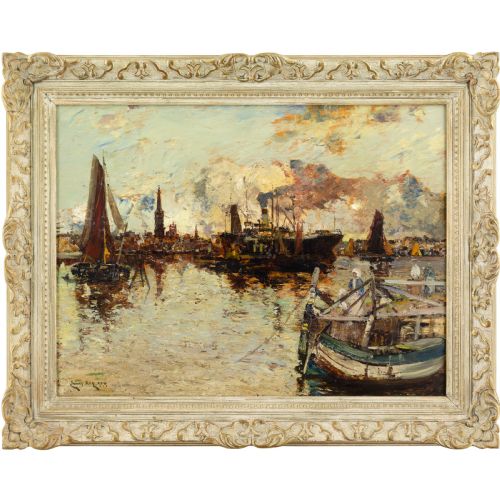
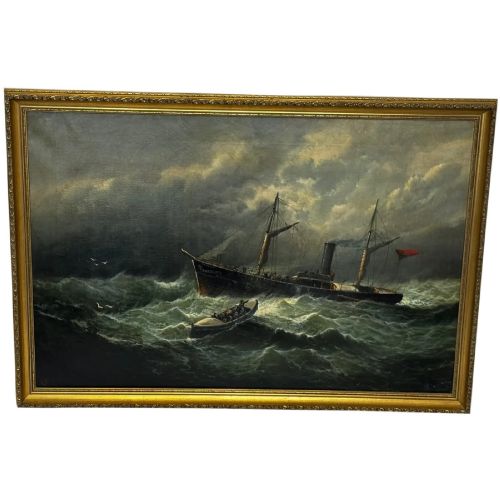
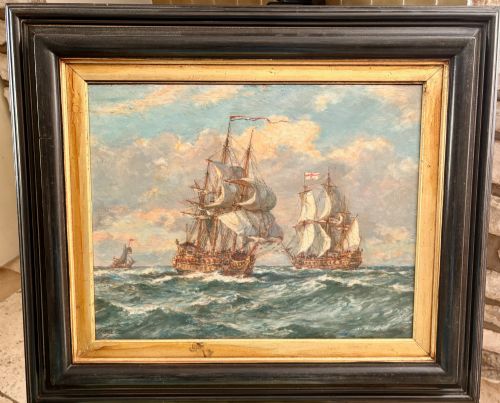
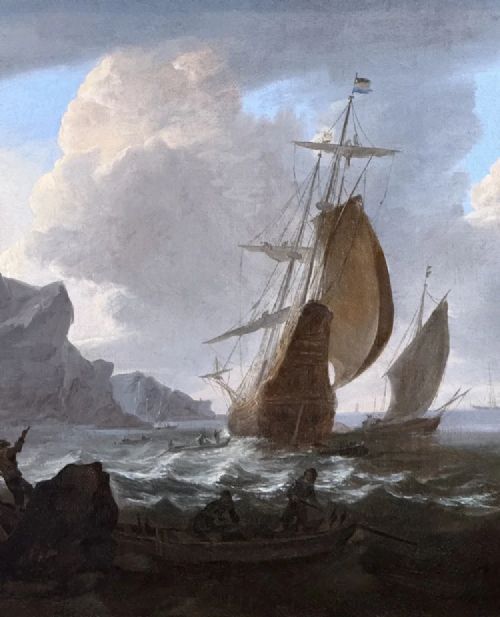
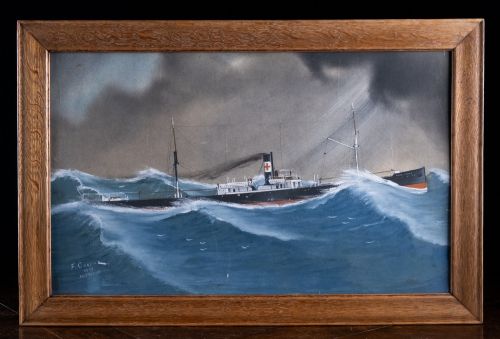
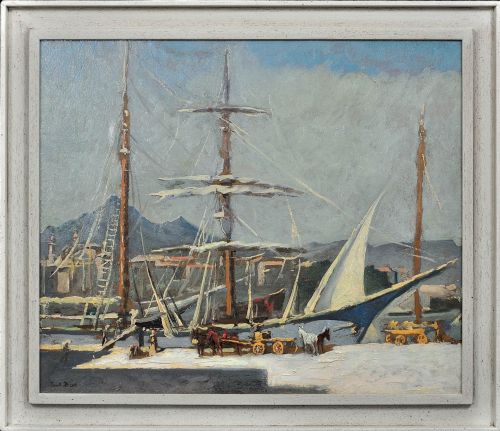
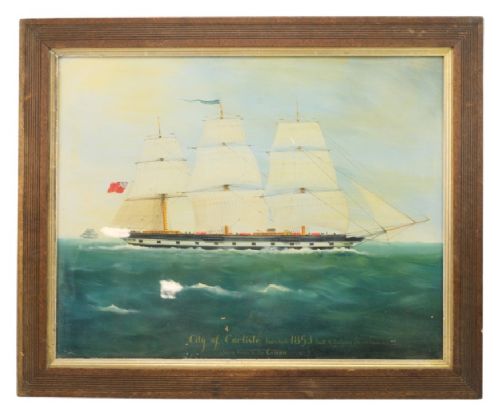
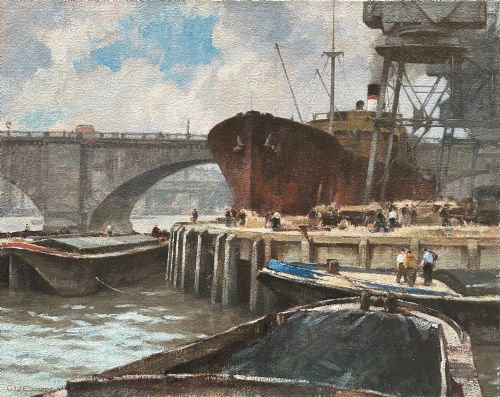
An antique ship oil painting captures maritime history, featuring merchant vessels, warships and coastal scenes across stormy and calm waters.
Antique Ship Oil Painting
An antique ship oil painting depicts maritime subjects ranging from nineteenth-century schooners and clippers to steamships and naval vessels. These works record naval history, coastal trade, and coastal scenes through detailed depictions of vessels upon the water.
Buyers commonly encounter Victorian and Edwardian examples on canvas or board, often set within period gilt frames. These pieces include both named portrait studies of specific vessels and broader atmospheric seascapes.
The selection encompasses works by identified marine artists alongside pieces produced by regional British and European schools. Subjects extend from harbour entrances and calm anchorages to dramatic storms and shipwrecks.
How They Were Made
These works utilise oil paint applied to prepared canvas, wood panel, or board. Artists built compositions using layered pigments to render the translucent qualities of water and the dense textures of wooden hulls and billowing sails.
Listings feature works executed in oil on canvas, oil on board, and gouache, spanning the Victorian and Edwardian periods.
What Varies in Quality
Quality rests upon the artist's command of maritime architecture, rigging accuracy, and atmospheric perspective. Superior works demonstrate precise observation of water movement, wind effects upon canvas, and the specific structural details of named vessels.
The handling of light and shadow across turbulent seas or calm harbours distinguishes accomplished compositions from more formulaic productions. Additionally, the survival of the original pigment layer without extensive intervention preserves the intended visual impact of the work.
James Hardy·Eugène-Louis Gillot·William McAlpine·Reginald Arthur Borstel·John Rose Miles·James Kay·William Broome·Bernard Gribble·Bonaventura Peeters·F. Corpuz·Bernard Benedict Hemy·John Wilson Carmichael·Lai Fong·Richard B. Spencer·Abraham Hulk I·Charles William Wyllie·Daniel Sherrin·George Shaw·Charles Sim Mottram·Dominic Serres The Elder·George Clarkson Stanfield·William Clark Of Greenock·Henry Loos·E K Redmore·Edwin Fletcher
The Antique Ship Oil Painting Glossary
- Pierhead painting
- A specialised genre of marine art depicting specific merchant vessels or warships as they arrived at or departed from a port. These portraits were frequently commissioned by ship captains or owners.
- Barque
- A sailing vessel with three or more masts, having the fore- and main-masts square-rigged and the mizzen-mast fore-and-aft rigged. This rig appeared frequently in nineteenth-century commercial shipping.
- Giltwood
- Wood carved and surfaced with a thin layer of gold leaf. Frames executed in this material frequently accompany nineteenth-century marine paintings.
- Seascape
- A work of art depicting the sea, coastal views, or marine vessels in motion. These compositions focus primarily on the expanse of water and atmospheric conditions.
- Clipper
- A very fast nineteenth-century merchant sailing vessel with three masts and a large sail area. Artists often depicted them navigating heavy seas or entering harbour.
Antique Ship Oil Painting: Frequently Asked Questions
What subjects appear in these paintings?
The subjects include named merchant ships, royal yachts, warships, and fishing vessels operating in coastal waters or open seas. Many works record specific historical craft such as three-masted schooners and steamships.
Scenes range from tranquil harbour anchorages to dramatic encounters with storms, wrecks, and rough seas.
How do I identify the period of a painting?
Period indicators include the style of the vessel depicted, the clothing of any figures, and the construction methods of the canvas support and frame. Steamships and iron-hulled vessels point towards the later nineteenth and early twentieth centuries, while wooden sailing ships span the eighteenth to early twentieth centuries.
Signatures, artist dates, and framing materials also provide primary evidence for dating the work.
Were these works painted by professional artists?
The selection includes pieces by recognised marine painters exhibited at major institutions, alongside works by regional artists and unsigned school pieces. Many professional maritime painters specialised in recording commercial shipping for shipowners and captains.
Other works reflect the output of British and European schools working in coastal towns.
How should I care for an antique oil painting?
Preservation requires stable indoor humidity and temperature away from direct sunlight and heat sources. Canvases and wooden panels react to environmental fluctuations, making consistent conditions essential for the stability of the paint layer.
Dusting should be performed gently with a soft, dry brush, avoiding liquid cleaners on the canvas or the gilt frame.