


Multicolour Wool Kilim
When you choose a multicolour wool kilim, you acquire a flat-woven textile carrying distinct regional patterns from tribal weavers.
Multicolour Wool Kilim
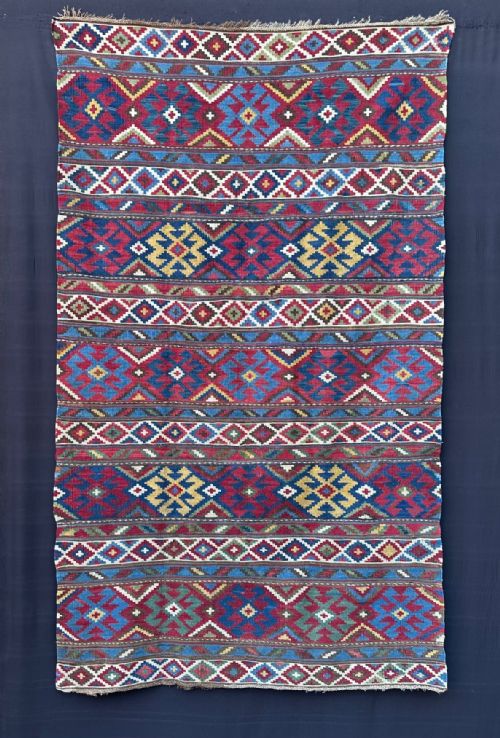
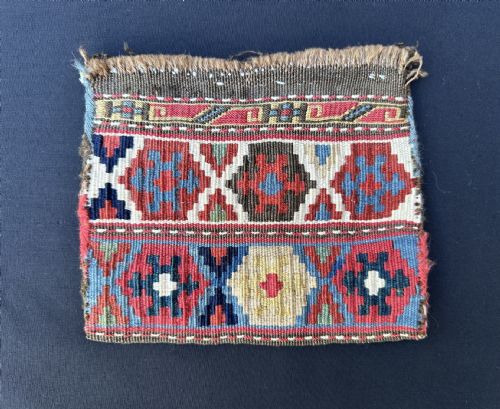
A multicolour wool kilim represents flat-woven nomadic and traditional textiles originating from Anatolia, Persia, the Caucasus, Central Asia, and the Balkans. These pieces include floor rugs, runner rugs, throw cushions, vanity bags, and complete pairs of storage bags dating from the mid-nineteenth century to the early twentieth century. The version you are most likely to meet on this page is a tribal rug featuring geometric motifs or banded designs.
How they were made
Weavers constructed these flatweaves primarily using wool and cotton foundations, occasionally incorporating camel hair grounds for texture and durability. Artisans employed slit-tapestry techniques and embroidery methods to build the surface patterns without creating pile. Natural dyes provided the palette for the varied hues seen across the designs.
The construction method involves interweaving warp and weft threads tightly to form a flat textile. Certain larger examples, such as specific Turkish pieces, were woven in two parts and joined down the centre. This technique allowed nomads to manage wider formats on portable looms.
Periods represented span from the eighteen-fifties through the nineteen-thirties.
What varies in quality
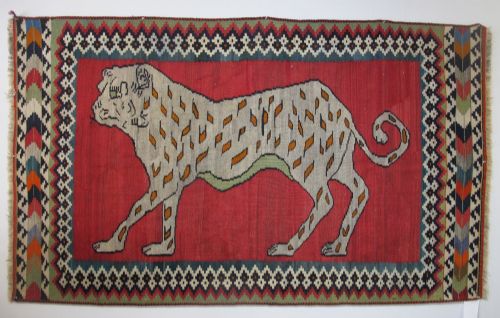
The visual strength of the design separates the finer examples from standard production, particularly in the precision of geometric layouts and repeat patterns. Pieces displaying strong graphic clarity or unusual compositions, such as lion motifs or specific banded arrangements, demonstrate superior artistic intent.
Material selection and dye quality define the upper tier of these textiles. The depth achieved through natural dyes and the preservation of the weave across larger formats determine the distinction of a piece.
The Multicolour Wool Kilim Glossary
- Kilim
- A flat-woven carpet or rug made without a pile. These textiles are produced by tightly interweaving warp and weft strands.
- Warp
- The vertical foundation threads stretched tightly on a loom before weaving begins. Wefts are passed horizontally through these stationary threads.
- Weft
- The horizontal threads passed back and forth through the warp to create the pattern and fabric. In kilims, these coloured threads form the visible design.
- Natural Dyes
- Colourants derived from plants, insects, and minerals rather than synthetic chemistry. They produce rich, variable tones that age gracefully.
- Slit-tapstry
- A weaving technique where the weft threads are returned at the edge of a colour motif, leaving a small slit in the fabric. This method creates crisp vertical lines in geometric designs.
Multicolour Wool Kilim: Frequently Asked Questions
How were kilims used originally?
Nomadic groups and villagers utilised these flatweaves as floor coverings, blankets, wall hangings, and animal trappings. Smaller examples and bags served for storing household possessions inside tents.
Their portable nature suited migratory lifestyles, allowing families to roll and transport them easily between seasonal camps.
How do I care for a wool kilim?
Vacuum gently without using a rotating brush bar to prevent snagging the flat-woven threads. Protect the textile from prolonged direct sunlight to preserve the natural dye colours.
Rotate the piece periodically to ensure even wear across high-traffic areas.
How do I distinguish regional styles?
Caucasian and Persian tribal pieces often display sharp geometric medallions and animal figures. Anatolian and Balkan examples frequently feature banded layouts, prayer niches, or specific village motifs.
Examining the structural palette and wool characteristics helps identify the specific weaving origin.
Can I use kilims as wall art?
Flat-weaves make ideal wall hangings because their lightweight structure hangs flat without sagging. Proper hanging distributes the weight evenly along the top edge.
Use a sleeve or specialised textile clips to secure the piece safely without damaging the historic fibres.