

Mercury Glass Mirror
A mercury glass mirror brings historic depth and atmospheric reflection into a room through its characteristic chemical backing.
Mercury Glass Mirror
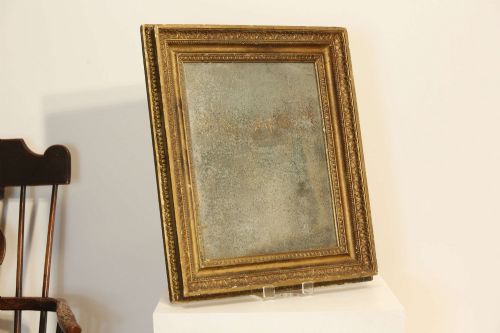
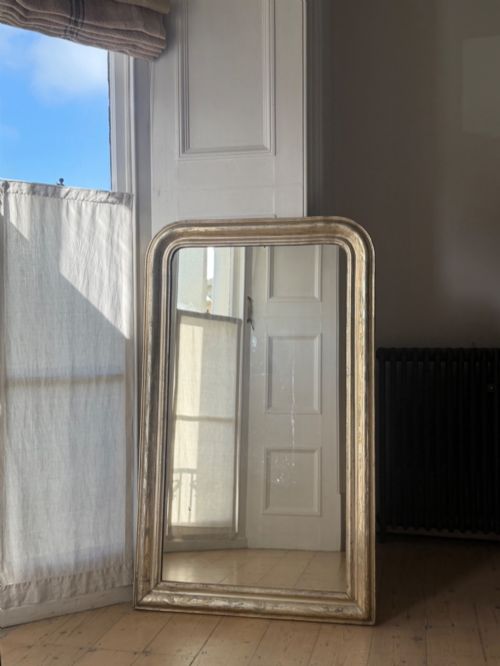
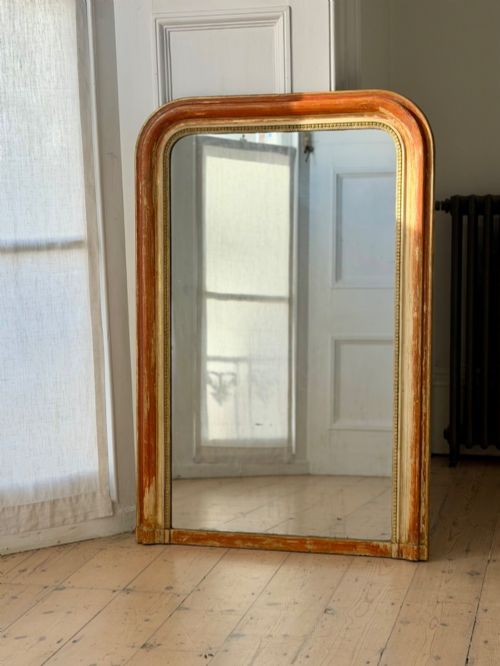
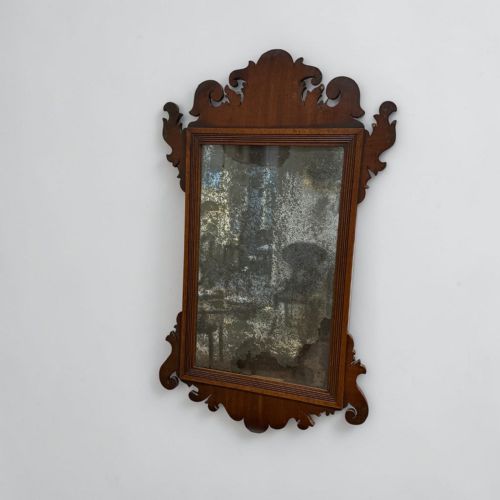
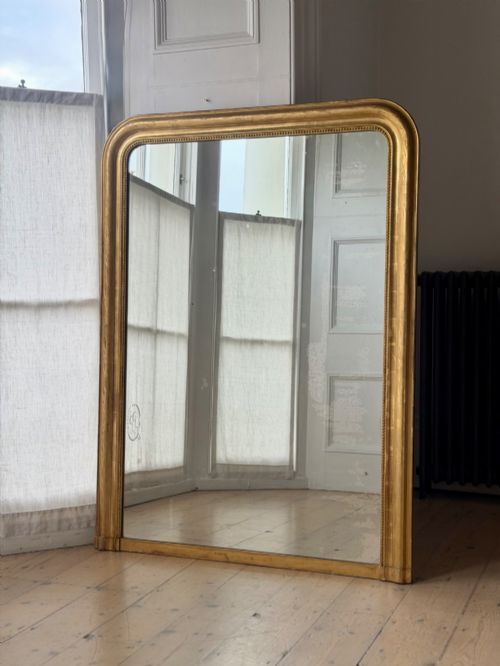
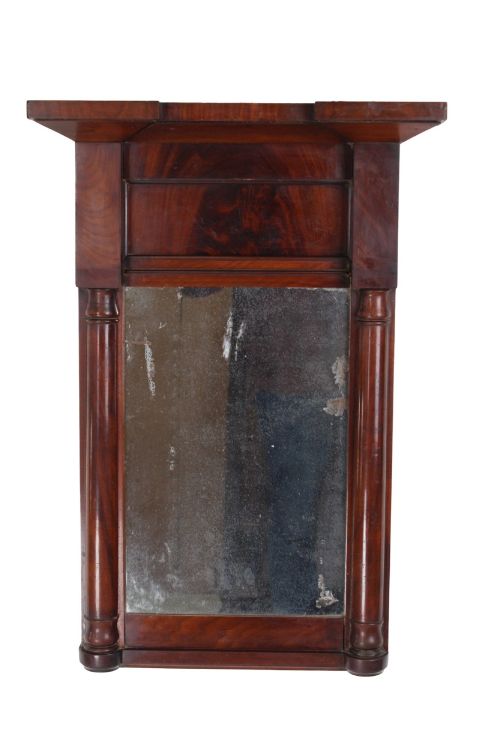
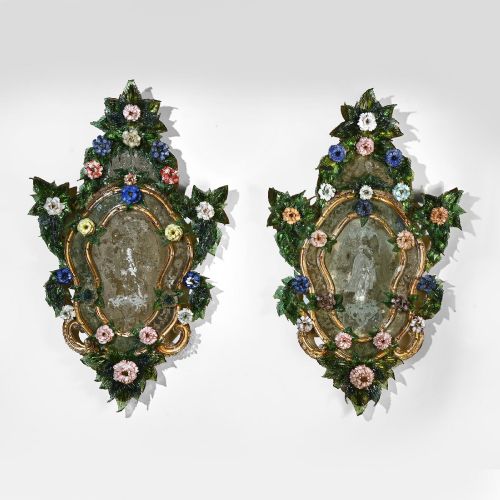
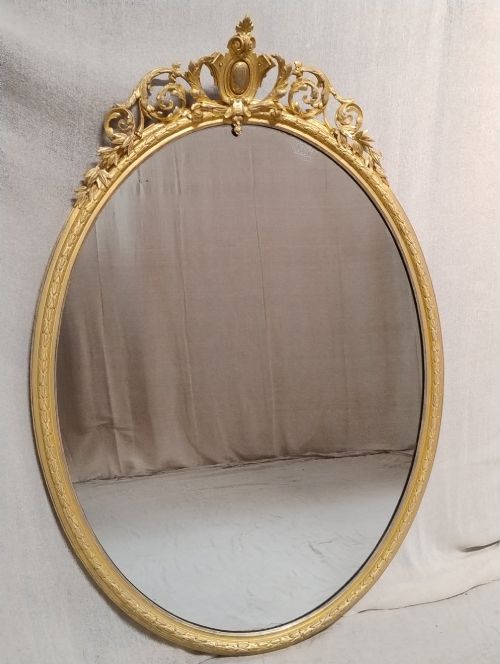
A mercury glass mirror is a looking glass produced using historic silvering techniques rather than modern aluminium or chemical depositions. When searching for a mercury glass mirror, buyers encounter numerous wall-hung forms, overmantels, and pier mirrors originating across the nineteenth and eighteenth centuries.
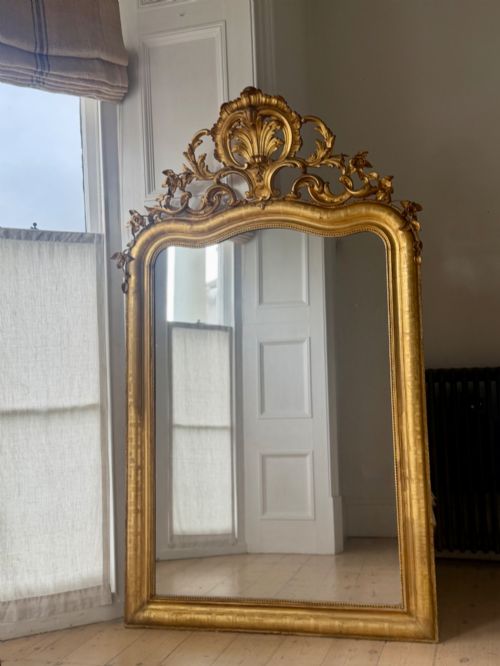
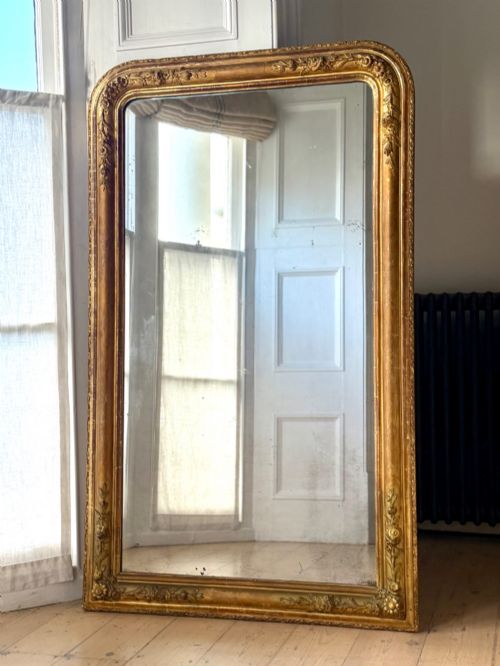
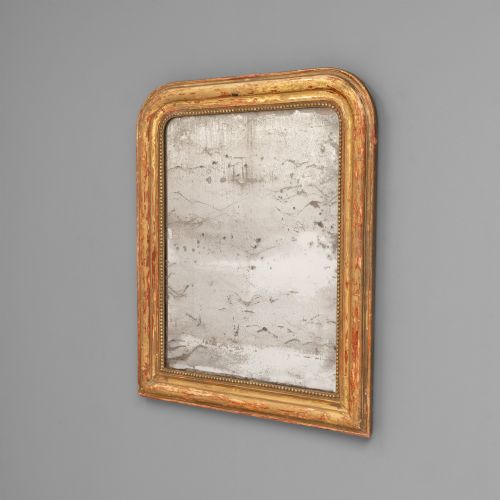
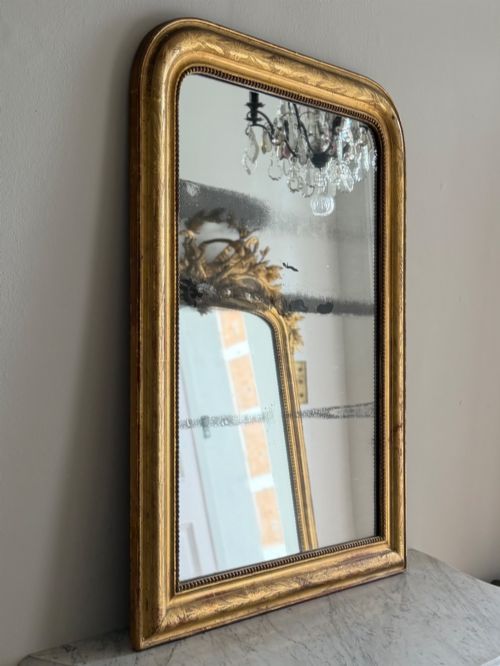
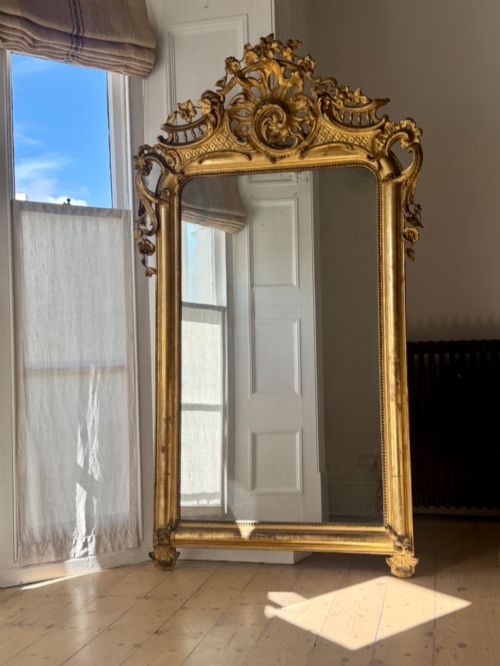
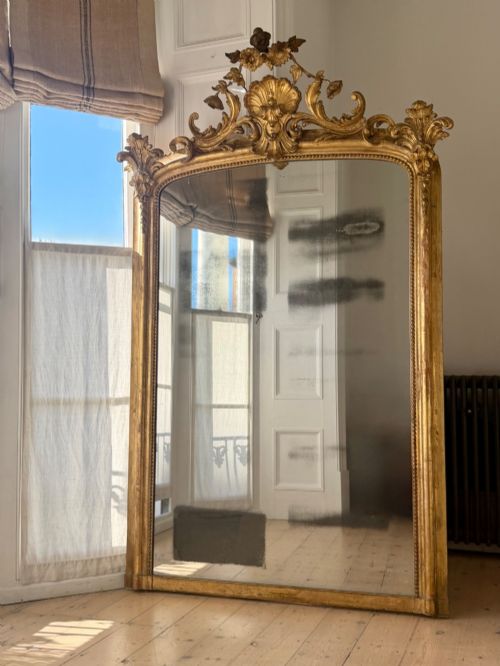
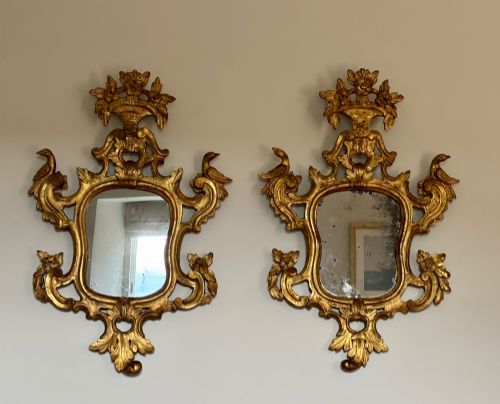
The most common examples on this page are French giltwood frames enclosing plates with visible foxing, alongside nineteenth-century English and Italian wall mirrors. These pieces span styles from Regency and Louis Philippe to French Rococo and Victorian ornamentation.
Beyond standard wall mirrors, the category encompasses trumeau panels, decorative barometers, and twentieth-century pendant lights or plateau mirrors. Each variant relies on the distinctive mottled quality of the historic glass to distinguish itself from modern reproductions.
How they were made
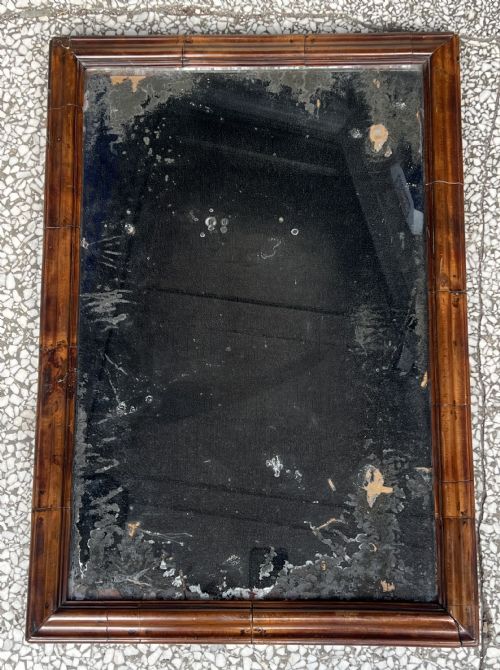
The fabrication of a traditional mercury glass mirror involved pouring a tin and mercury amalgam onto a flat sheet of glass, creating a reflective backing that aged with distinct chemical spots and dark patches over time. Frames supporting these antique plates were constructed from timber such as mahogany, oak, or birch, often layered with gesso before receiving gold leaf or paint.
Carved giltwood and gilt brass elements required skilled joinery and hand-applied gilding to match the prevailing French Neoclassical, Baroque, or Georgian styles of the period. The resulting physical union of heavy silvered glass and carved wood gives these objects their substantial weight and enduring structural integrity.
Mercury Glass Mirror Retail Price Guide 2026
Typical asking prices for mercury glass mirror among the pieces listed under this phrase on Sellingantiques today, from the lower quarter to the upper quarter. They describe what is for sale here now, not the wider market.
Some nineteenth-century pieces enlisted mercury to reflect fortune rather than faces, functioning as curious sorcerer plateau mirrors.
What varies in quality
Quality in a mercury glass mirror rests upon the originality of the glass plate and the integrity of the frame's construction. Examples retaining their untouched original mercury plate demonstrate superior historical authenticity compared to those with later replacement glass.
The depth and execution of hand-carved gesso work, original gilding, and structural joinery differentiate high-workshop production from simpler commercial pieces. A harmonious balance between the age-related patination of the mirror plate and the preservation of the frame governs the overall standard.
Jenkins Of Old Swindon
The Mercury Glass Mirror Glossary
- Mercury glass
- A type of glass featuring a reflective silvered backing historically produced using a mercury amalgam, though the actual metal used often contained tin and lead.
- Foxing
- The gradual dark spotting, speckling, or mottled oxidation appearing across the reflective surface of older mirror plates.
- Trumeau
- A decorative wall mirror combined with an oil painting or carved wooden panel, designed to fit the space between two windows or above a fireplace mantel.
- Pier mirror
- A tall, narrow looking glass traditionally placed on the architectural wall pier situated between windows.
- Giltwood
- Timber carved and subsequently coated with a thin layer of gold leaf over a prepared base of gesso.
Mercury Glass Mirror: Frequently Asked Questions
What is a mercury glass mirror?
A mercury glass mirror is a historic looking glass backed with a reflective amalgam, producing a characteristic mottled and dark-spotted appearance.
These pieces date primarily from the eighteenth and nineteenth centuries, housed within carved giltwood, mahogany, or painted frames.
How do I spot original mercury glass?
Original plates exhibit natural foxing, speckling, and uneven dark patches caused by decades of chemical interaction behind the glass.
Modern replicas attempt to mimic this ageing artificially, but lack the depth and random distribution found in authentic antique silvering.
Where should I hang a pier mirror?
A pier mirror is traditionally scaled to occupy the narrow wall space situated between two windows in a historic interior.
In modern rooms, these tall vertical pieces function effectively to draw light into darker corners or to anchor an entryway.
What is a trumeau mirror?
A trumeau mirror incorporates a decorative painted panel or carved artwork directly above the glass plate within a unified frame.
Originating largely in eighteenth and nineteenth-century France, these grand architectural fixtures were designed to mount above mantelpieces.