





Meiji Porcelain Dish
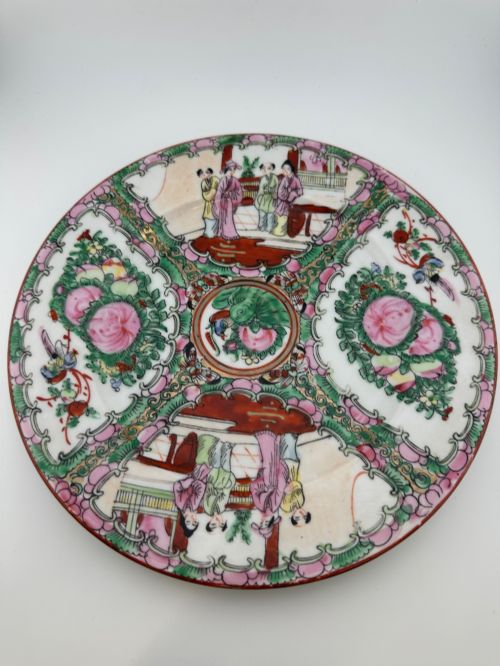
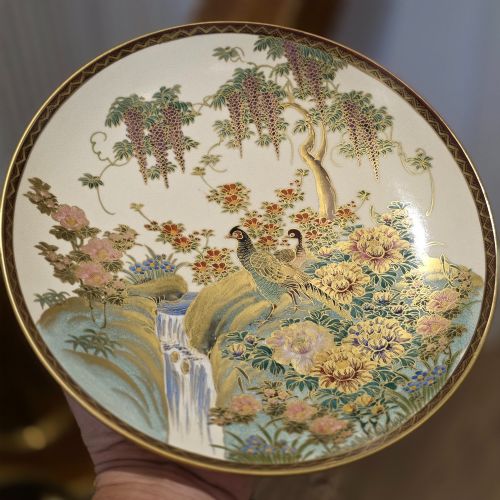
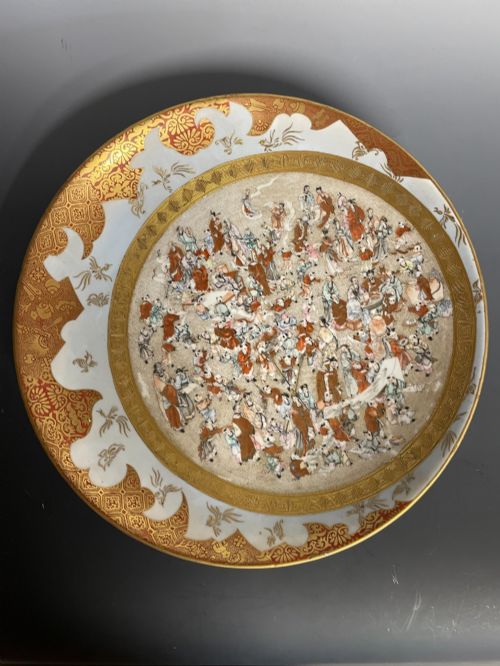
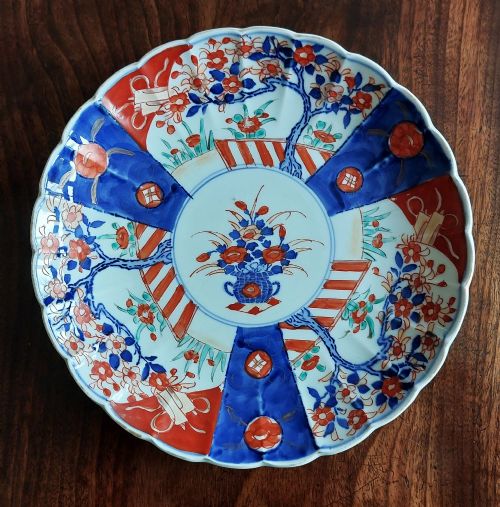
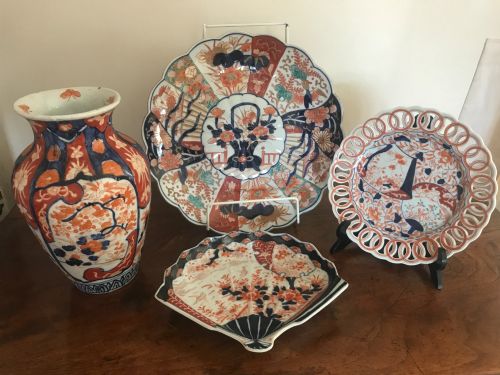
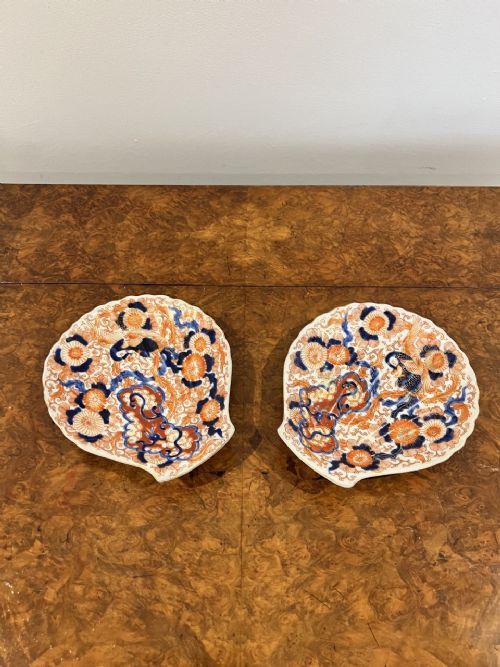
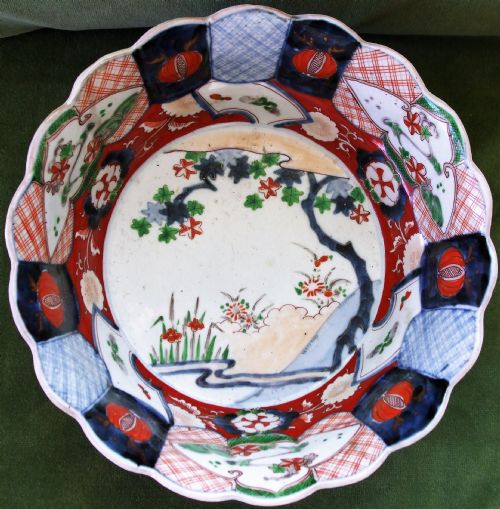
These Japanese meiji porcelain dish selections offer hand-painted floral, bird, and geometric designs shaped into scallops, squares, and shells from the nineteenth and early twentieth centuries.
Meiji Porcelain Dish
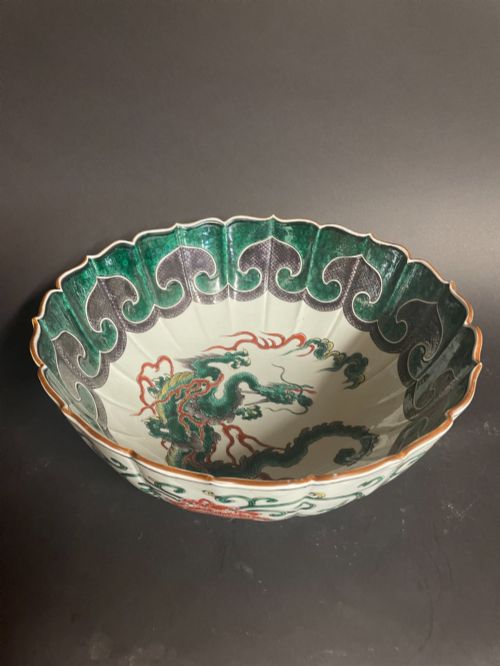
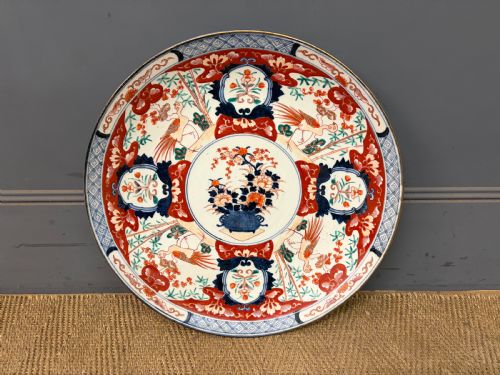
When searching for a meiji porcelain dish, collectors encounter decorative plates, bowls, chargers, and dishes originating from Japan during the nineteenth century, the Meiji period, and the early twentieth century. The selection on this page centres heavily on Japanese Imari porcelain alongside Satsuma, Kutani, and Arita wares.
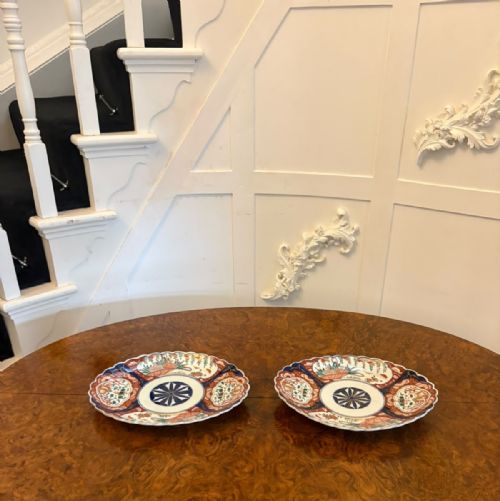
Most examples take the form of round, scalloped edge, oval, square, or shell shaped decorative display pieces. Buyers frequently find individual plates, pairs, and large chargers featuring hand painted floral and bird designs.
The objects span periods from the 1850s through the Victorian era up to 1920, reflecting diverse kilns and workshop traditions across Japan. These ceramic items were created both for export and domestic use, surviving in various sizes from small bowls to large wall plates.
How they were made
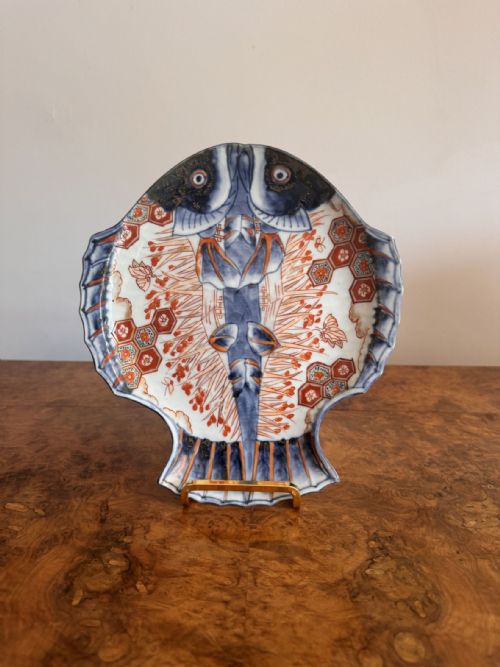
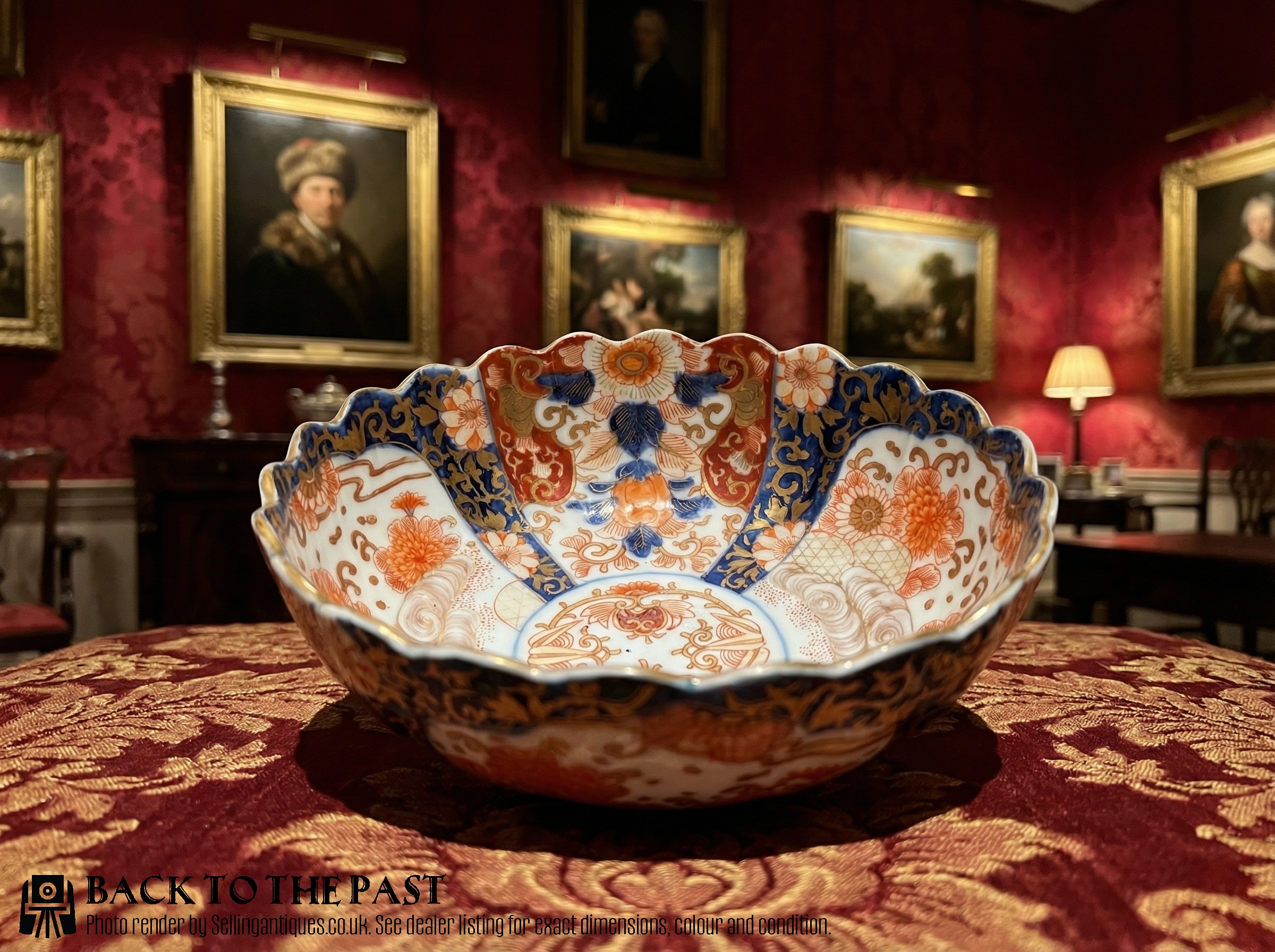
Potters utilised porcelain and earthenware bases shaped into bowls, chargers, and plates with scallop edges or fish forms. These ceramic bodies received hand painted designs using cobalt blue, enamel, and gold leaf or gilding.
Kilns applied glazes to seal the surfaces before firing, while specific workshops incorporated moriage relief work and cloisonné enamel details. Wood elements sometimes accompany larger charger displays or associated stands.
Fish-shaped porcelain plates swim alongside traditional chargers, proving nineteenth-century potters enjoyed bringing sea life to the dining table.
What varies in quality
The distinction between standard items and exceptional pieces rests upon the precision of the hand painted brushwork and the complexity of the design. Chargers and plates featuring detailed exotic birds, peacocks, wisteria, and peonies demonstrate superior artistic control.
Form and moulding also define the tier of a piece, with unusual shapes such as fish, squares, and heavily scalloped edges commanding greater attention than standard round dishes. Signed works by recognised makers elevate the standing of ceramic items within this tradition.
Koshida·Gyokkō·Kozan·Hichozan Shinpo
The Meiji Porcelain Dish Glossary
- Imari
- A style of Japanese porcelain decorated in underglaze blue, iron red, and gold. It originated in Arita and became popular for export during the Meiji period.
- Satsuma
- A type of Japanese earthenware featuring a pale, ivory crackle glaze decorated with enamel and gold leaf. Kyoto workshops produced fine examples of this ware.
- Charger
- A large decorative plate intended for display rather than dining use. These pieces often measure significantly wider than standard dinner plates.
- Moriage
- A decorative ceramic technique involving raised dots or lines of slip applied to create a textured, three-dimensional surface pattern.
- Kutani
- Japanese coloured porcelain and pottery characterised by heavy overglaze enamel painting in greens, purples, yellows, and reds.
- Scallop edge
- A curved, shell-like rim moulding applied to plates and bowls to create an ornamental outline.
Meiji Porcelain Dish: Frequently Asked Questions
How do I display a charger?
Large chargers and decorative plates suit wall mounting using appropriate wire display hangers or placement on sturdy wooden stands upon furniture surfaces.
Positioning them away from direct sunlight protects the enamel and gold leaf detailing from fading over time.
Are these dishes food safe?
These antique ceramic pieces serve primarily as decorative display items rather than practical tableware for daily dining.
Historic glazes and gold leaf decorations can wear down or react poorly with modern detergents and foodstuffs.
How do I clean my porcelain?
Dust surfaces gently with a soft, dry cloth to remove everyday particles without applying moisture or abrasive cleaners.
Avoid submerging pieces in water, particularly earthenware pieces with crackle glazes or delicate gilding.
What defines the Meiji period?
The Meiji period spans from 1868 to 1912, marking an era of extensive artistic production and international export for Japanese ceramics.
Pieces from this time combine traditional kiln techniques with decorative styles tailored for Western collectors.
How do Imari and Satsuma differ?
Imari ware consists of hard porcelain featuring cobalt blue and iron red designs enhanced with gold leaf. Satsuma ware utilises an earthenware body with a distinctive crackle glaze and ornate enamel painting.
Both styles appear frequently among nineteenth-century Japanese ceramics.