







Oriental Porcelain Wall Platter
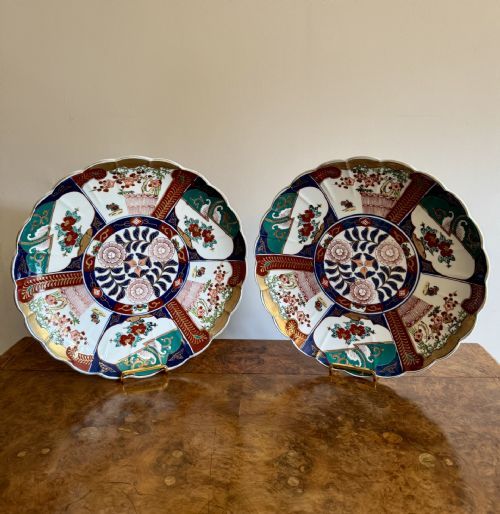
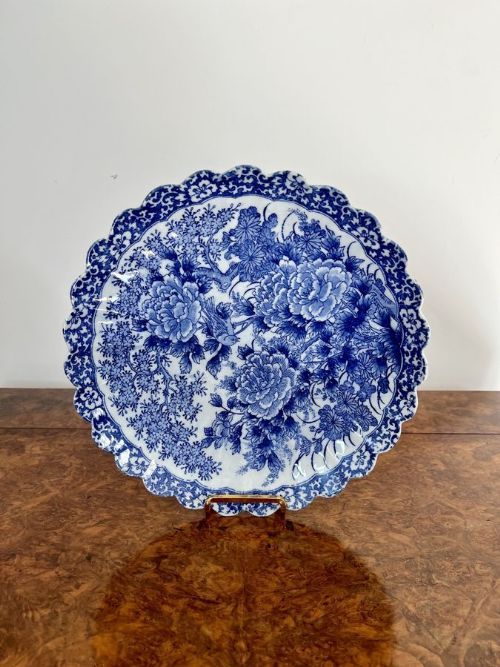
An oriental porcelain wall platter brings striking colour and intricate hand-painted detail directly to an interior scheme.
Oriental Porcelain Wall Platter
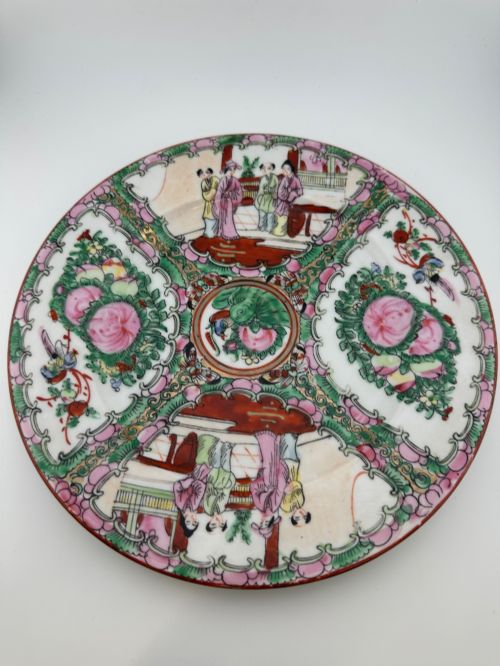
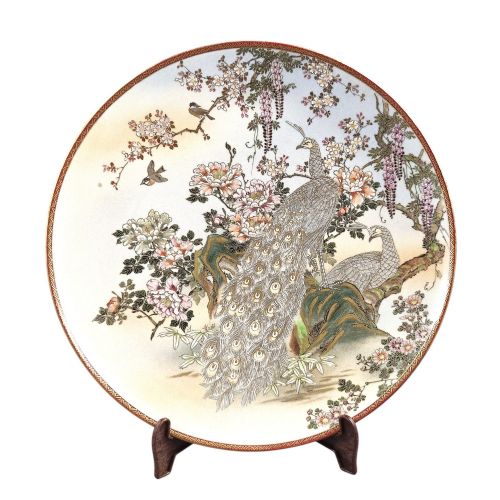
When searching for an oriental porcelain wall platter, collectors encounter large decorative plates and chargers originating from various Asian traditions and periods. These display surfaces frequently span Japanese Imari, Satsuma, Kutani, and Chinese export wares, offering significant visual weight for display.
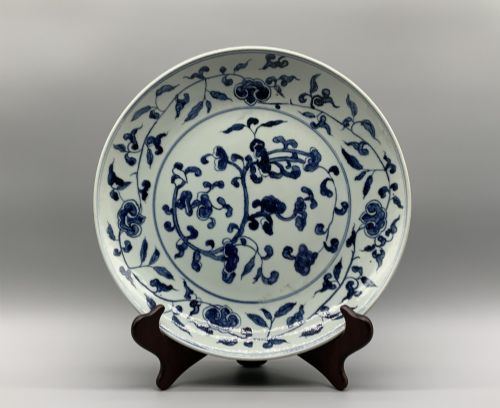
The pieces on this page are most commonly Victorian-era imports or late nineteenth and early twentieth century Japanese Meiji period examples, alongside earlier Edo period items and seventeenth-century blue and white chargers.
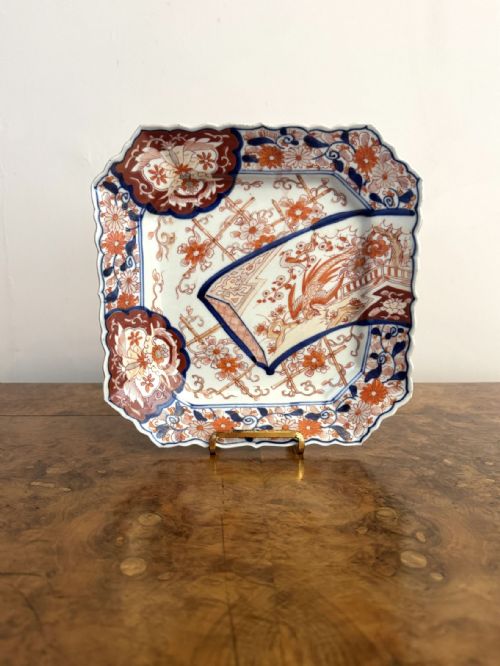
Formats range from traditional circular chargers and scalloped plates to square, octagonal, and fan-shaped variations designed to be hung or mounted for display.
Materials and technique
These items rely on durable ceramic bodies formed from fine porcelain, shaped into broad platters and fired at high temperatures before receiving their decorative treatment.
Decoration is executed using cobalt underglaze, vibrant enamel paints, and applied gold leaf or gilt details to build up complex pictorial scenes featuring fauna, flora, and figural narratives.
Several platters feature depictions of the Seven Lucky Gods, ensuring your wall display comes heavily staffed with celestial good fortune.
Assessing quality
Quality rests upon the precision of the hand painting, where finer brushwork, clarity of the cobalt underglaze, and richness of the enamel palette distinguish superior examples.
The complexity of the composition also plays a role, with intricate detailing involving specific subjects such as koi carp, deities, or court life commanding attention.
The Oriental Porcelain Wall Platter Glossary
- Imari
- A traditional Japanese style of porcelain decorated in underglaze blue, iron red, and gold. This palette creates a rich, highly patterned surface that dominated export markets.
- Charger
- A large decorative plate or platter utilised historically for service or display. On walls, these large formats provide a strong focal point.
- Meiji Period
- The era in Japanese history spanning from 1868 to 1912. Many finely painted export porcelains date from this creative period.
- Edo Period
- The period in Japanese history lasting from 1603 to 1867. Surviving plates from this time exhibit early traditional regional patterns.
Oriental Porcelain Wall Platter: Frequently Asked Questions
How do I hang a heavy charger safely?
Heavy porcelain platters require specialised spring-loaded brass wall hangers that distribute the weight evenly across the rim. Ensure the mounting bracket is secured directly into wall studs or utilises appropriate masonry anchors.
Avoid wire attachments that rely on glued fittings on the reverse of the plate. Regular checks of the tension on spring hangers maintain safe wall display.
What is the difference between Imari and Kutani ware?
Imari ware utilises a distinct palette of cobalt blue, iron red, and gilt highlights arranged in dense geometric and floral panels. The style originated in Arita and focused on high-contrast decorative surfaces.
Kutani ware typically employs bolder, pictorial enamel designs dominated by greens, yellows, purples, and reds. These pieces often depict narrative scenes or natural motifs with less reliance on blue underglaze.
Can these platters be used for serving food?
Antique ceramic wall platters are intended primarily for decorative display rather than daily culinary use. Older glazes and enamels may not meet modern food safety standards for lead content.
Hand-washing is essential if an antique plate is ever used for dining, as dishwasher cycles and heated drying can damage historic enamels and gold leaf.
How do I date an antique Japanese porcelain plate?
Dating relies on stylistic markers, throwing marks on the unglazed foot ring, and the type of pigments used in the decoration. Meiji period pieces often display finer, denser enamel work compared to earlier Edo examples.
Markings on the base, where present, can indicate kiln origins or specific export periods, though many decorative export pieces left bases unmarked.