







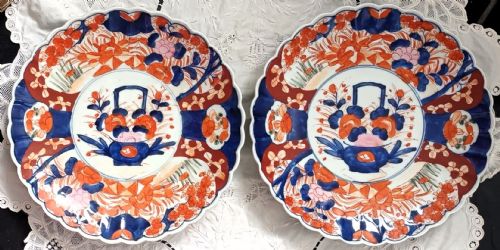
Meiji Period Porcelain Plate
These Japanese meiji period porcelain plate examples offer striking Meiji craftsmanship, decorative presence and traditional artistry for any collector.
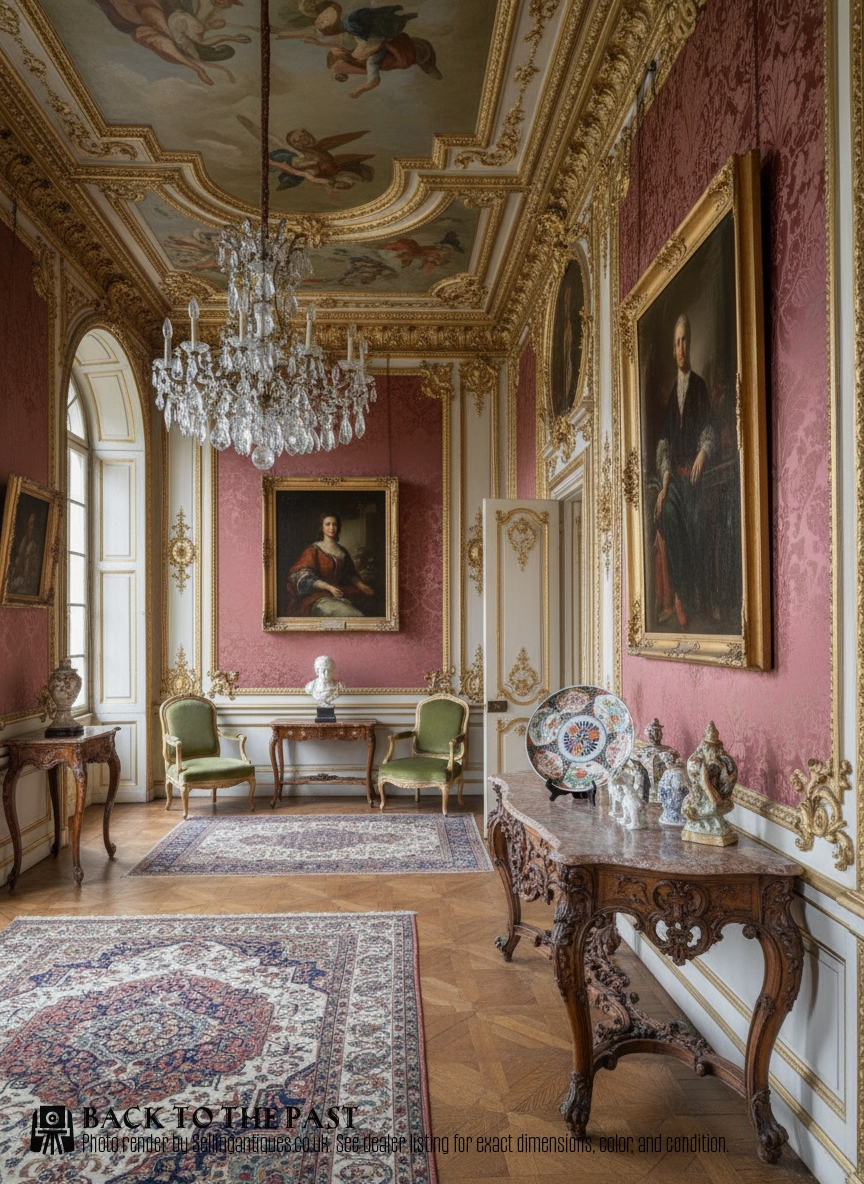
Understanding the Japanese meiji period porcelain plate
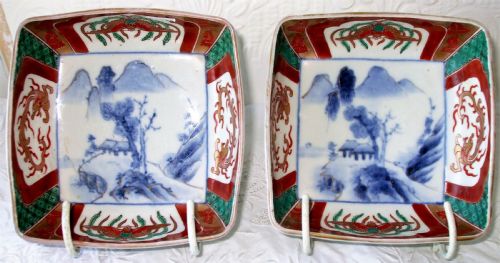
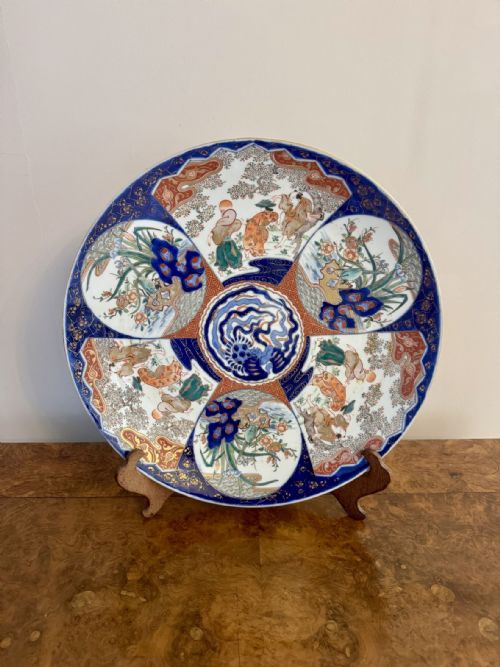
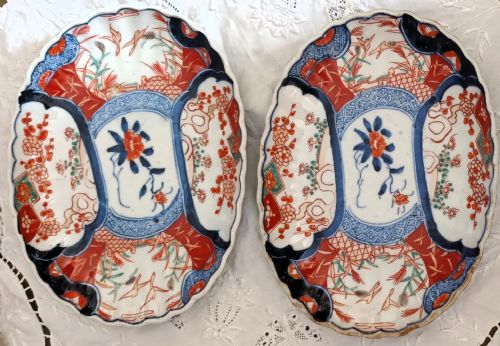
A Japanese meiji period porcelain plate brings distinctive Meiji era design into a collection, appearing across forms such as decorative plates, wall chargers, chargers and platters, and shell shaped plates. These items date from the 19th Century, specifically the years 1890 and 1900.
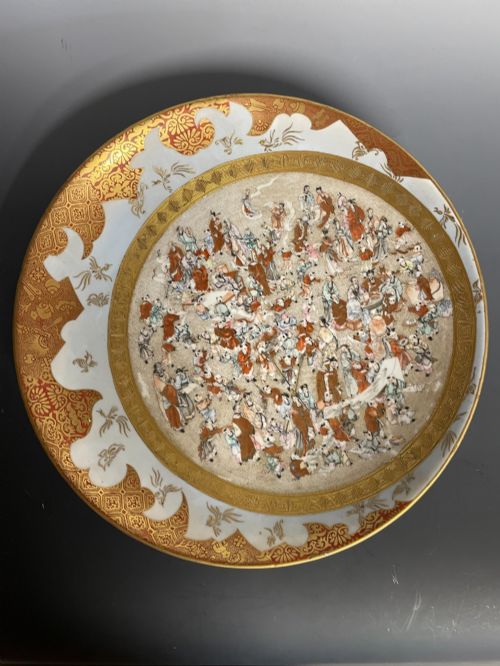
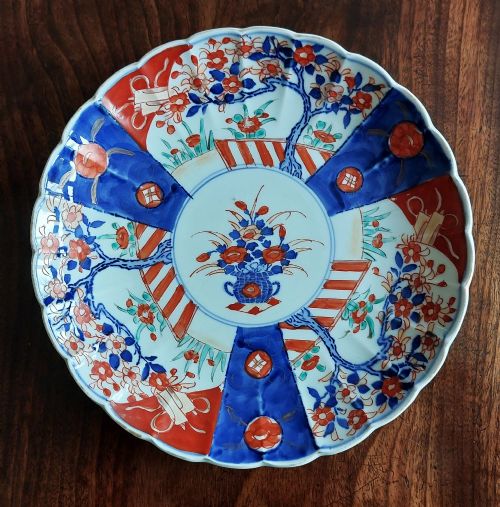
The objects frequently adopt the Japanese Imari style alongside Chinoiserie and Satsuma designs. Buyers encounter both standard plates and large scale wall chargers measuring up to fifty-five centimetres in diameter.
The selection ranges from standard porcelain dishes to crackle porcelain bodies and unusual shell shaped variants. Each piece reflects the broader output of Japanese ceramic workshops during this historical period.
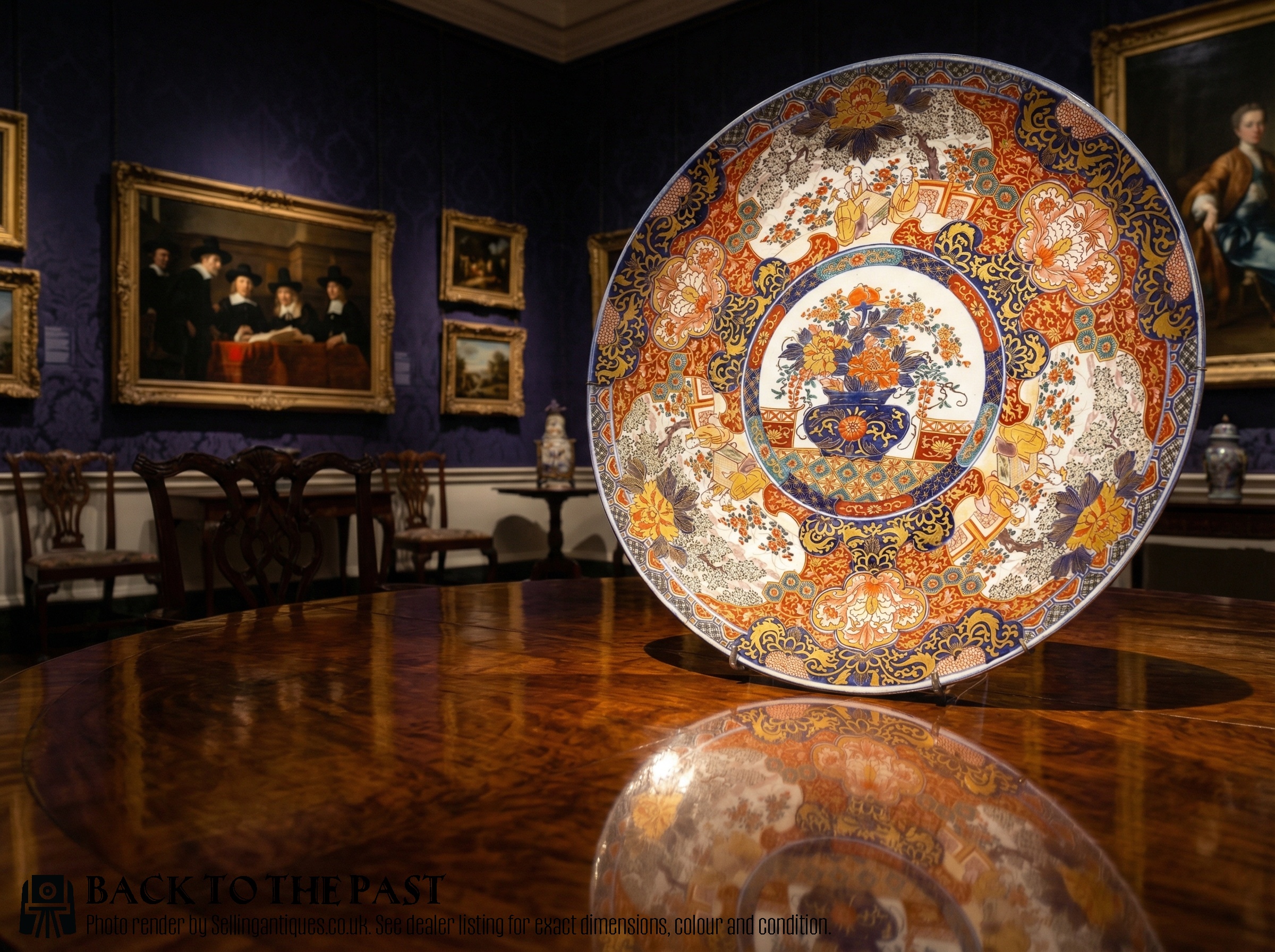
Materials and construction methods
Potters formed these items from hard paste porcelain, sometimes utilising crackle porcelain bodies to achieve specific surface textures. Artisans then hand painted the dried and fired ceramic bases using vibrant enamel pigments.
Many examples incorporate metallic detailing through the application of gold leaf or gold gilt directly onto the porcelain surface. This combination of hand painted enamel and gold highlights characterises the decorative finish of the pieces.
Retail Price Guide 2026
Typical UK retail prices for meiji period porcelain plate, calculated from the Sellingantiques database of over a million retail prices indexed since 2003. This retail price guide relies exclusively on Sellingantiques data; no external sources or auction records are used, so the figures do not describe the wider market.
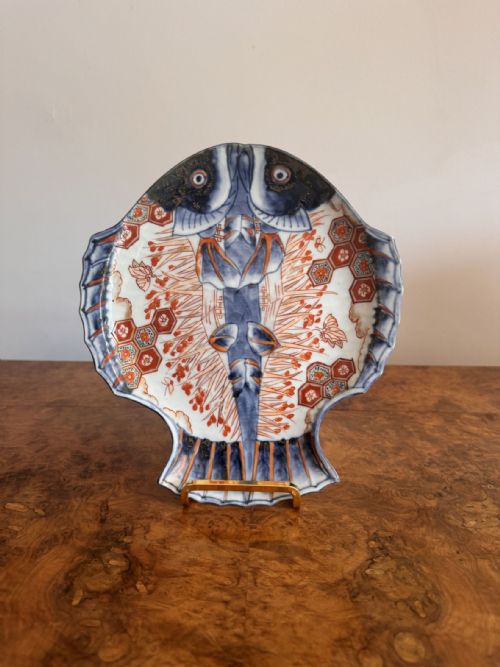
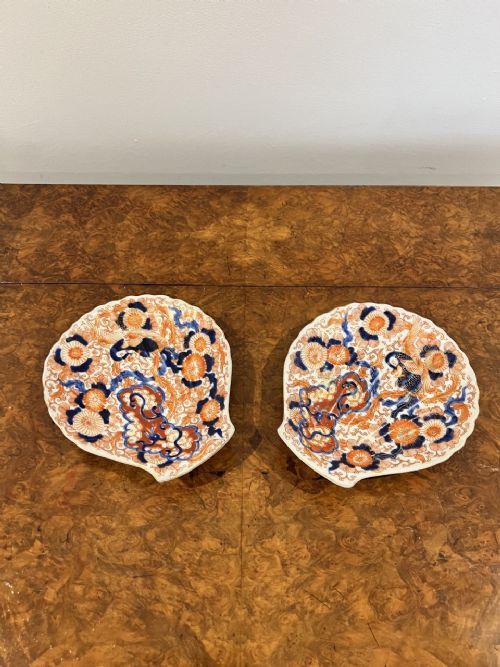
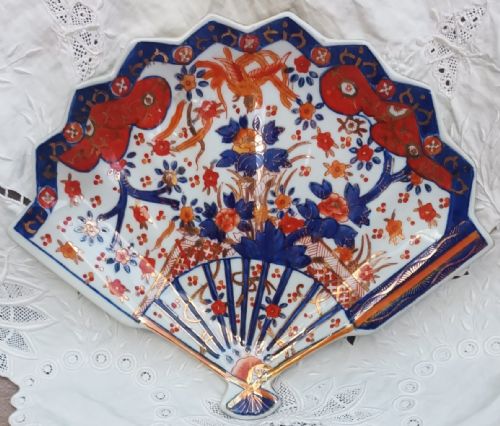
Some plates abandon traditional circles entirely to take the distinct shape of a shell.
Judging the range of quality
Quality diverges between standard decorative wares and ambitious chargers that demonstrate exceptional scale and hand painted detail. The precision of the brushwork and the complexity of the Japanese Imari or Satsuma ornamentation dictate the standing of an individual piece.
The application of gold leaf and gold gilt varies significantly, with superior examples exhibiting richer, more intact metallic embellishments. Unusual forms, such as shell shaped plates, also set certain items apart from standard circular platters.
Koshida
The Meiji Period Porcelain Plate Glossary
- Meiji period
- The era of Japanese history lasting from 1868 to 1912. Pieces from this time demonstrate traditional craftsmanship alongside evolving export styles.
- Imari
- A traditional style of Japanese export porcelain originating from Arita. These designs typically feature deep blues and iron reds highlighted with gold.
- Charger
- A large decorative plate intended for display rather than dining use. Chargers often measure fifty centimetres or more in diameter.
- Satsuma
- A type of Japanese earthenware or porcelain with a characteristic ivory crackle glaze. These items are frequently decorated with intricate enamel and gold motifs.
- Chinoiserie
- European or Asian decorative art reflecting Chinese artistic motifs. This style appears in specific coloured porcelain large plates from the period.
Frequently Asked Questions
What is a meiji period porcelain plate?
A meiji period porcelain plate is a decorative ceramic piece manufactured in Japan between 1868 and 1912. These items frequently display hand painted enamel and gold gilt.
Such objects include wall chargers, platters and standard plates. They reflect the stylistic developments of Japanese export pottery during the late nineteenth and early twentieth centuries.
How were these plates used?
Many of these items served as decorative wall chargers or display platters rather than functional tableware. Their intricate hand painted surfaces were designed for visual presentation.
Larger chargers were mounted or placed on stands to showcase the Japanese Imari or Satsuma artistry. Smaller shell shaped plates functioned as ornamental table pieces.
What styles do these plates feature?
The listings show Japanese Imari, Satsuma and Chinoiserie styles. Japanese Meiji period aesthetics dominate the visual decoration of these ceramics.
Artisans combined hand painted enamel with gold leaf and gold gilt. Some items also feature crackle porcelain bodies that create distinctive surface textures.
How do I identify a Meiji piece?
Identification relies on recognising the characteristic materials, including porcelain, enamel and gold leaf. The presence of Japanese Imari and Satsuma styles points directly to this era.
Specific makers such as Koshida are associated with Satsuma porcelain plates from the period. Dating typically falls within the late nineteenth century and around 1900.