





Meiji Period Porcelain Charger
These meiji period porcelain charger pieces are striking decorative plates that bring bold palettes and intricate hand-painting into any room.

What They Are
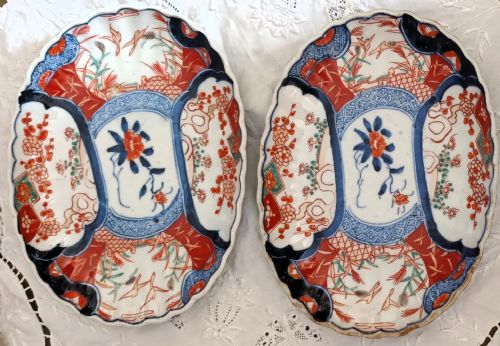
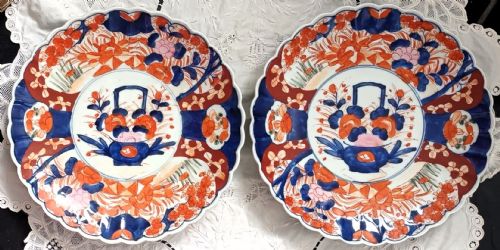
When you search for meiji period porcelain charger, you encounter large decorative plates and display plates originating from Japan during the late nineteenth and early twentieth centuries. These impressive chargers often take the form of wide circular dishes intended for formal display rather than dining.
The versions most commonly met on this page span the nineteenth century through to nineteen twenty, frequently featuring traditional Japanese Imari styles and distinctive cobalt glazes. Alongside standard chargers, some listings include related decorative objects such as covered vases.
These pieces showcase the rich decorative output of Japanese kilns during a period of intense international export. Their broad surfaces provided artisans with ample space to execute complex pictorial schemes.
How They Were Made
These items rely on a durable ceramic base of porcelain shaped into wide plates and fired at high temperatures. Artisans then applied detailed surface designs utilising cobalt glaze, enamel pigments, and occasionally gold leaf highlights.
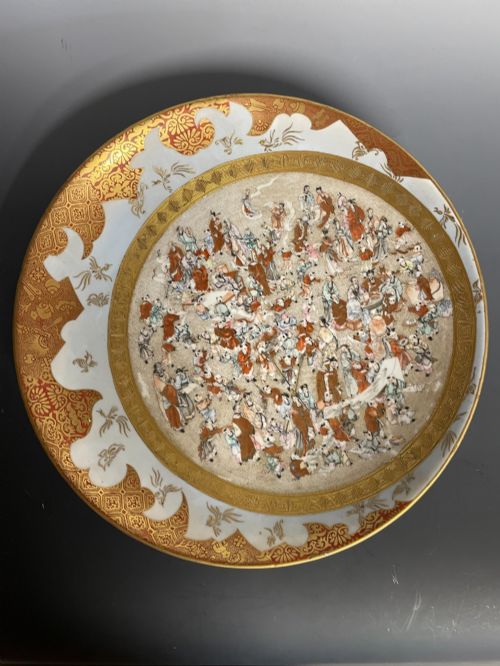
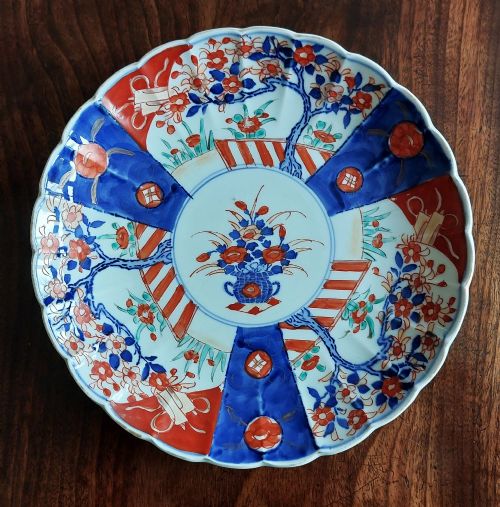
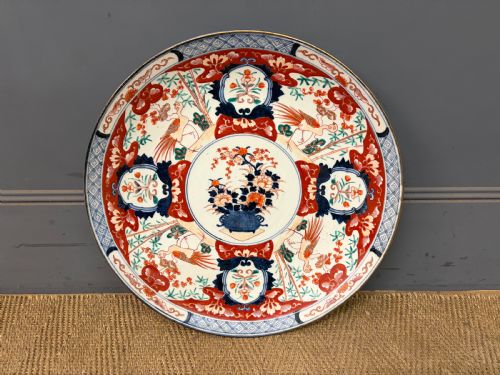
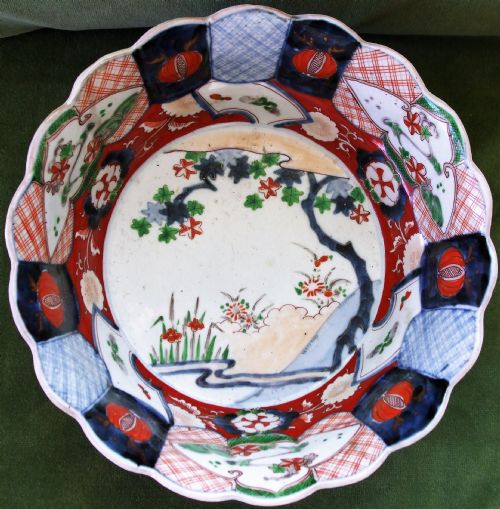
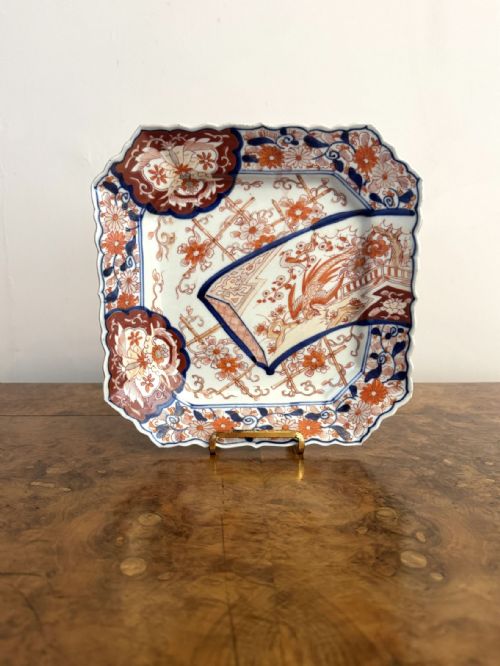
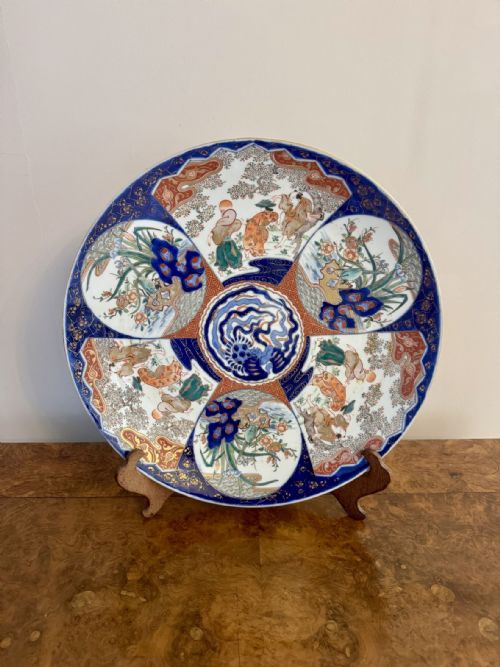
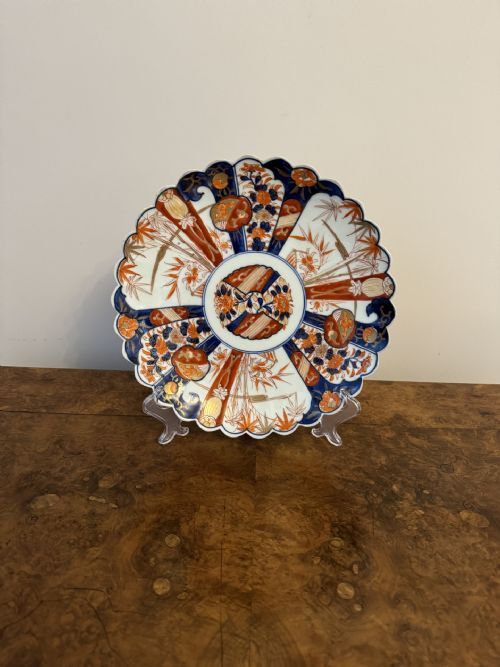
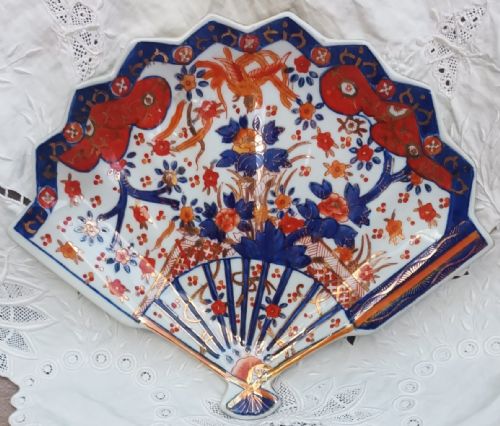
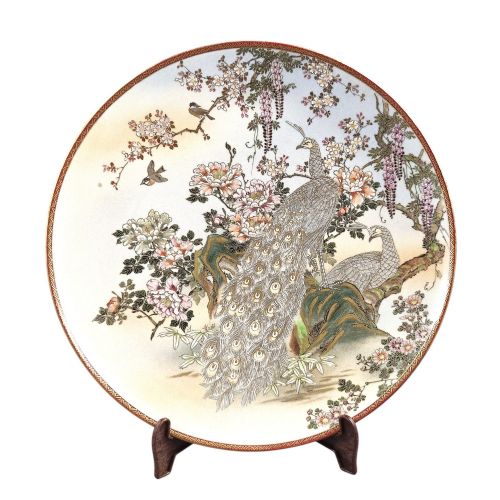
The decoration frequently draws upon the Imari palette, combining deep blues and reddish iron-red tones within busy geometric and floral compositions. Some examples employ a simpler blue and white scheme, while others incorporate the distinct polychrome styles associated with Kutani ware.
Retail Price Guide 2026
Typical UK retail prices for meiji period porcelain charger, calculated from the Sellingantiques database of over a million retail prices indexed since 2003. This retail price guide relies exclusively on Sellingantiques data; no external sources or auction records are used, so the figures do not describe the wider market.
Listings for this phrase include porcelain, enamel, gold leaf, and cobalt glaze applied across nineteenth and early twentieth century periods.
What Varies in Quality
The distinction between standard output and exhibition quality pieces lies in the precision and density of the hand-painted decoration. Finer examples display meticulous brushwork across the entire surface, integrating gold leaf and rich enamel layers with exceptional control.
Scale and ambition also define the upper tier of these chargers, with larger diameters and complex pictorial layouts commanding greater visual presence. Simpler blue and white or standard Imari plates represent the more straightforward end of the scale.
The Meiji Period Porcelain Charger Glossary
- Charger
- A large decorative plate or dish intended primarily for display on a wall or stand rather than for serving food. These items measure significantly larger than standard dining plates.
- Imari Palette
- A traditional colour scheme featuring deep cobalt blue, iron-red, and gold highlights over a white porcelain ground. This style originated in Japan and became immensely popular for export wares.
- Cobalt Glaze
- A mineral pigment applied under the glaze to produce a deep blue colour during high-temperature firing. It forms the primary linear foundation for many blue and white ceramic designs.
- Gold Leaf
- Extremely thin sheets of beaten gold applied to the cured surface of the ceramic to add luminous highlights. This material elevates the decorative richness of the final piece.
- Kutani Ware
- A distinct style of Japanese porcelain known for its bold polychrome enamel decorations and pictorial scenes. These wares often appear alongside traditional Imari pieces in historical collections.
Frequently Asked Questions
What is a meiji period porcelain charger?
A meiji period porcelain charger is a large decorative plate produced in Japan during the late nineteenth or early twentieth century. These broad pieces were created primarily for display, featuring elaborate hand-painted designs.
They serve as striking focal points in interior settings, showcasing the rich ceramic traditions exported during the Meiji era.
How were these chargers displayed historically?
Historically, these large plates were showcased on specialist stands or mounted directly onto walls within formal reception rooms. Their impressive scale and vibrant colours made them status symbols for collectors.
Today, they continue to function best as prominent display pieces on large surfaces or secure wall mounts.
What colours appear on Imari chargers?
Imari chargers typically display a combination of deep cobalt blue, iron-red, and supplementary gold leaf details. This specific palette creates a high-contrast visual effect across the porcelain surface.
Additional enamel colours frequently fill out the complex floral and geometric borders characteristic of the style.
How do I identify a Meiji period piece?
Meiji period porcelain can be identified through its historical manufacturing window spanning the late nineteenth and early twentieth centuries. The combination of traditional export styles like Imari and Kutani helps anchor the dating.
Examining the specific materials, such as the application of cobalt glaze and enamel work, provides further context for the era.