






Meiji Period Dishes
These meiji period dishes bring delicate hand-painted motifs and rich decorative forms directly into modern spaces.
Meiji Period Dishes
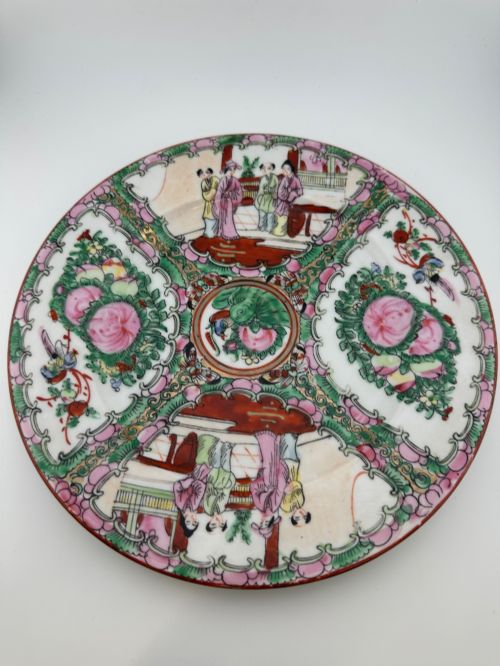
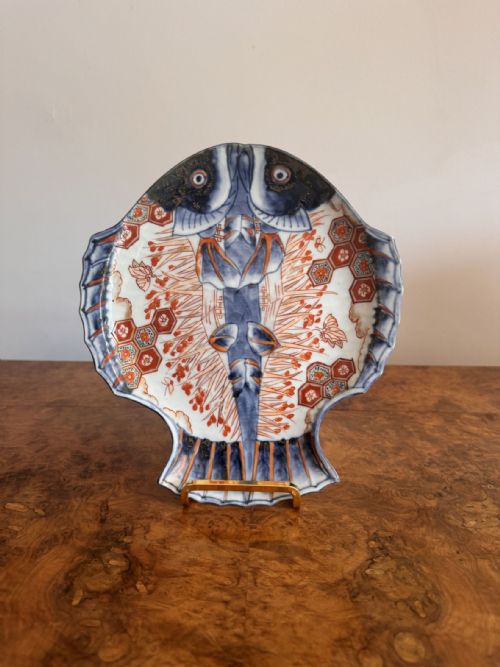
When searching for meiji period dishes, buyers encounter a diverse selection of decorative plates, bowls, chargers, and trays originating from Japan during the late nineteenth and early twentieth centuries. These items serve primarily as decorative display pieces, showcasing traditional craftsmanship through varied forms such as scallop edges, fish shapes, and shell designs.
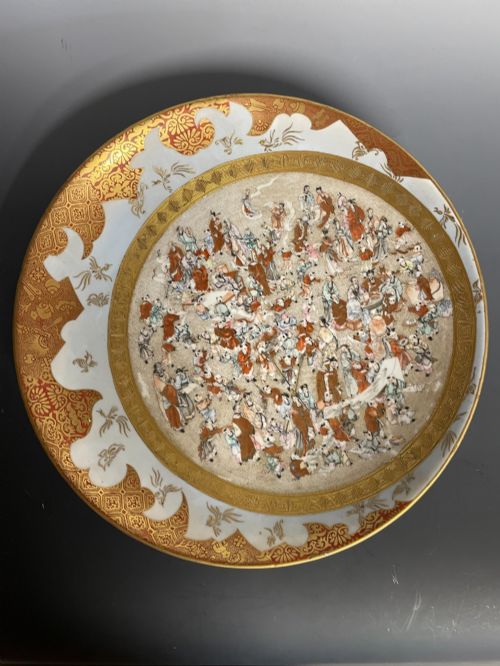
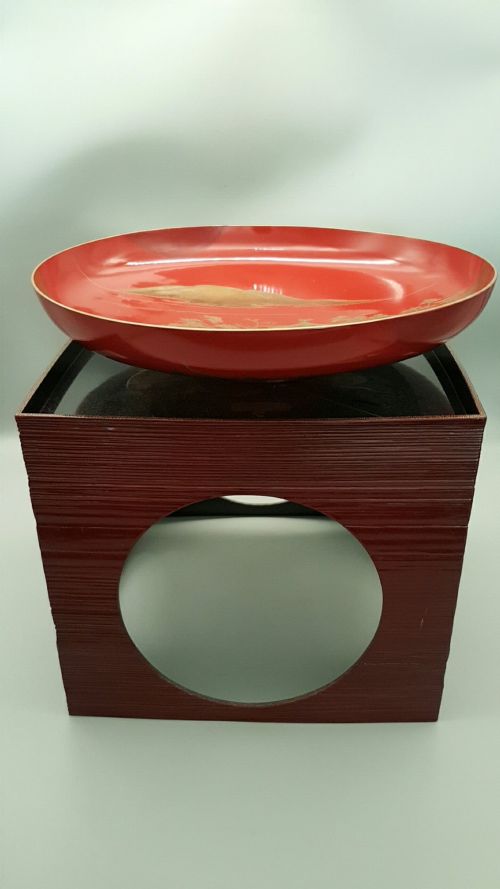
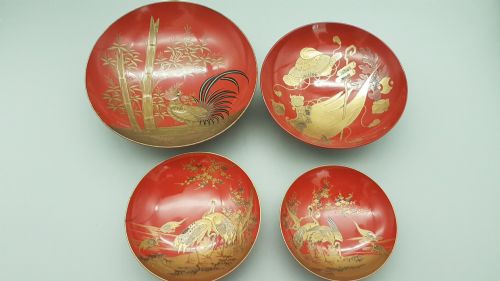
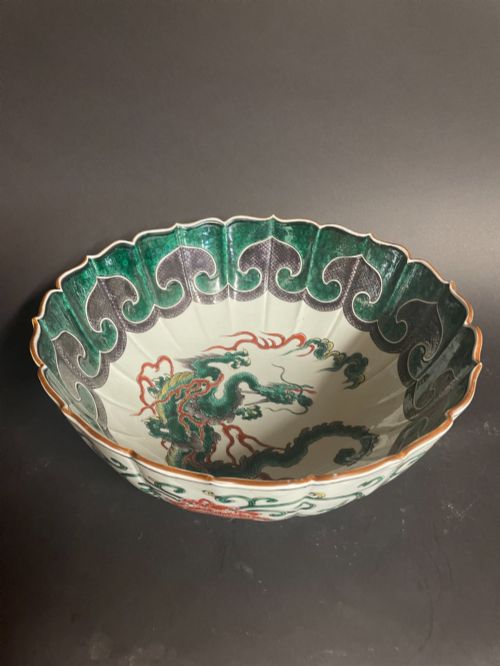
The objects span multiple distinct regional styles and ceramic traditions, with Japanese Imari porcelain appearing most frequently alongside Satsuma earthenware, Kutani porcelain, and Arita wares. Alongside ceramics, the selection incorporates metalwork chargers and wooden lacquerware items like sake tables and cups.
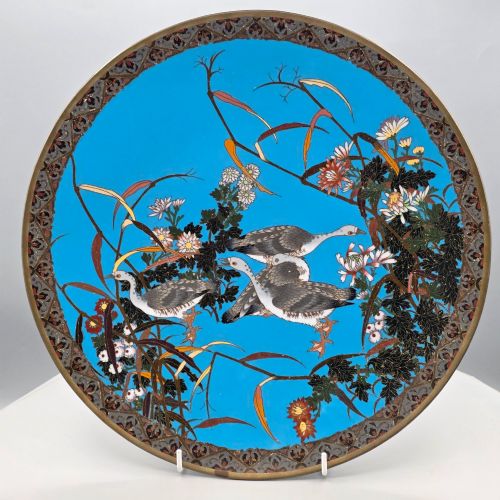
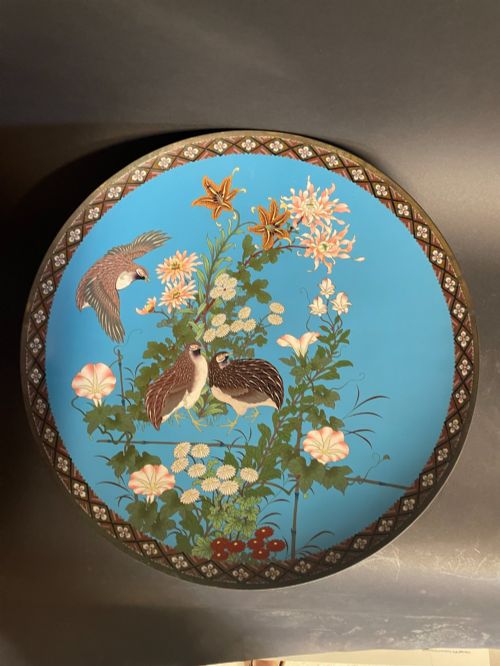
Originating from a period of significant artistic exchange, these pieces utilise traditional Japanese motifs including exotic birds, geese, flowers, chrysanthemums, and landscapes. Collectors find both individual statement chargers and matching pairs suitable for display.
How they were made
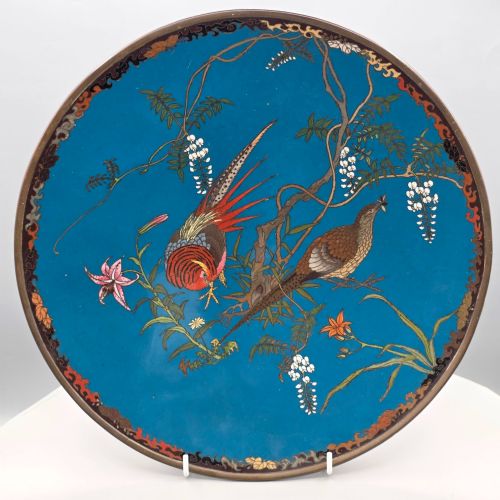
Potters and artisans utilised porcelain, earthenware, and metal as foundational bases, applying intricate glazes, enamel, and gold leaf to achieve detailed surface patterns. Ceramic items underwent high-temperature firing, while cloisonné examples involved soldering fine wire partitions onto copper or brass bodies before filling the cells with enamel paste.
Decoration relied heavily on skilled hand-painting, incorporating moriage relief techniques on Satsuma wares and precise cloisonné work depicting flora and fauna. Wood and lacquer techniques combined to create durable serving vessels and display items finished with deep, polished coatings.
The selection includes Japanese Imari, Satsuma, Kutani, and Arita styles, spanning decorative plates, bowls, chargers, trays, and lacquer sake tables.
What varies in quality
Quality separates through the precision and complexity of the hand-painted or enamelled design, where finer brushwork and balanced compositions distinguish superior examples from standard production pieces. The crispness of moulding on shaped edges, such as scallops or shells, further indicates the maker's level of skill.
The complexity of decorative techniques, including intricate cloisonné wirework or detailed moriage relief, marks the distinction between ordinary items and master-grade works. Artist signatures and workshop marks also contribute to the standing of individual pieces within the market.
Yasuda Company Tokyo·Kizan·Kozan
The Meiji Period Dishes Glossary
- Imari
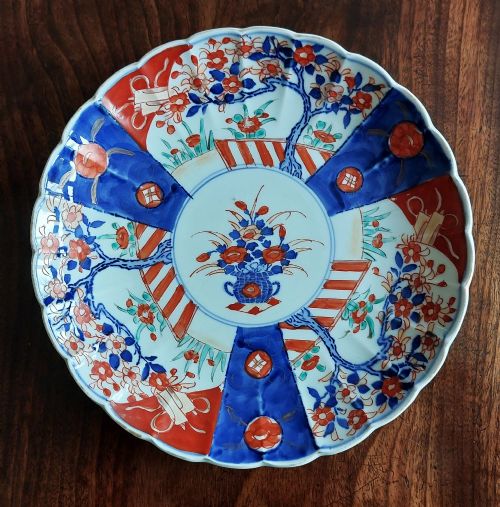
- A style of Japanese porcelain decorated in underglaze blue, iron red, and gold, originating from the town of Arita. These pieces frequently display rich floral and bird motifs.
- Cloisonne
- A metalwork technique where flat wire is soldered to a metal body to create compartments that are filled with enamel. Artisans then fire and polish the surface to a smooth finish.
- Satsuma
- A type of earthenware from Japan featuring a crackled ivory glaze and elaborate polychrome enamel designs often enriched with gold. Bowls and chargers in this style typically depict figures, birds, and flowers.
- Kutani
- Japanese porcelain known for its vibrant colour palette, particularly greens, blues, yellows, and purples. Items in this style often feature bold pictorial scenes.
- Moriage
- A decorative ceramic technique using raised slip or clay dots and lines to create a tactile, three-dimensional surface pattern. This method appears frequently on Satsuma wares.
- Charger
- A large decorative plate or dish intended primarily for display rather than for serving food. These items showcase the highest skill of the potter or metalworker.
Meiji Period Dishes: Frequently Asked Questions
How do I display a charger safely?
Large chargers require sturdy plate stands designed to support their substantial weight and diameter safely on flat surfaces. Wall mounting involves specialised brackets that distribute the load evenly without damaging the rim or glaze.
Positioning pieces away from direct sunlight preserves the vibrant enamel colours and gold leaf details over time. Ensuring stable placement prevents accidental knocks in busy household environments.
Can I use these dishes for serving food?
Most antique decorative dishes function best as display items rather than functional tableware due to their age and delicate enamel surfaces. Everyday use can cause wear to the hand-painted glazes and metallic highlights.
Gentle cleaning with a soft, dry cloth maintains the finish without risking moisture damage to older ceramic bodies or lacquer coatings. Displaying them in cabinets or on walls protects them from potential kitchen mishaps.
How do I distinguish Satsuma from Imari?
Satsuma pieces feature a distinctive crackled ivory-coloured earthenware body with dense enamel and gold decoration, often including raised moriage details. They tend to have a warmer, matte appearance compared to porcelain.
Imari wares consist of hard-paste porcelain decorated in characteristic underglaze blue and contrasting iron red with gilt additions. Their surfaces are smooth, vitreous, and typically bright white where the glaze remains unpainted.
What does Meiji period mean?
The Meiji period spans the reign of the Emperor Meiji from 1868 to 1912, marking an era of rapid modernization and international trade in Japan. Craftsmen during this time produced exceptional decorative arts for both domestic use and export to Western markets.
Pieces from this era reflect a blend of traditional Japanese aesthetics and technical innovation in ceramics, metalwork, and lacquer. This historical context helps collectors date and appreciate the origins of individual items.