






Meiji Imari Ceramics
Meiji imari ceramics bring vibrant palettes and intricate patterns into rooms, offering traditional craftsmanship from nineteenth-century Japan.
Meiji Imari Ceramics
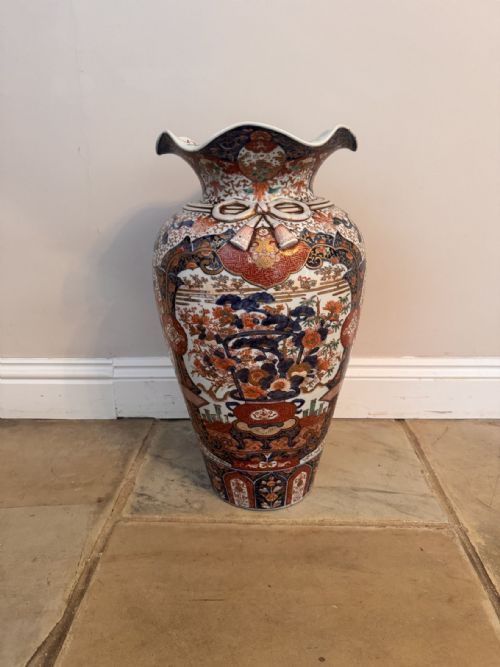
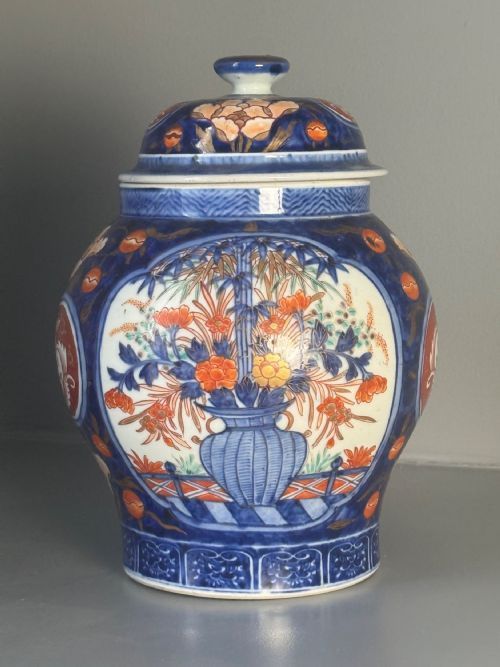
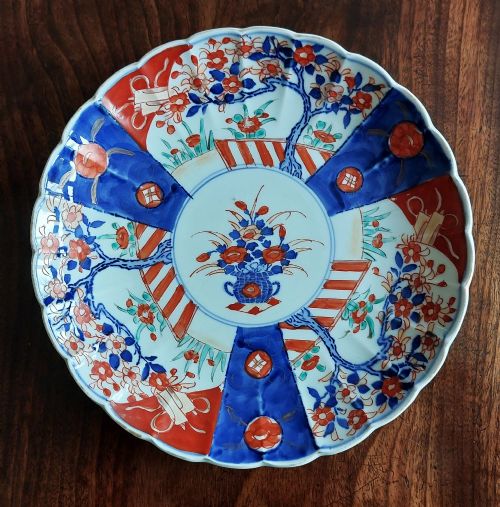
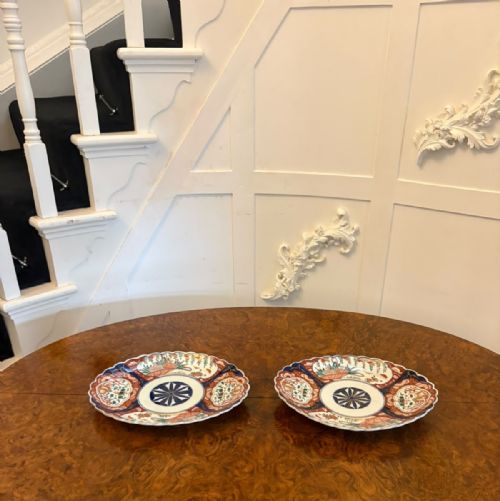
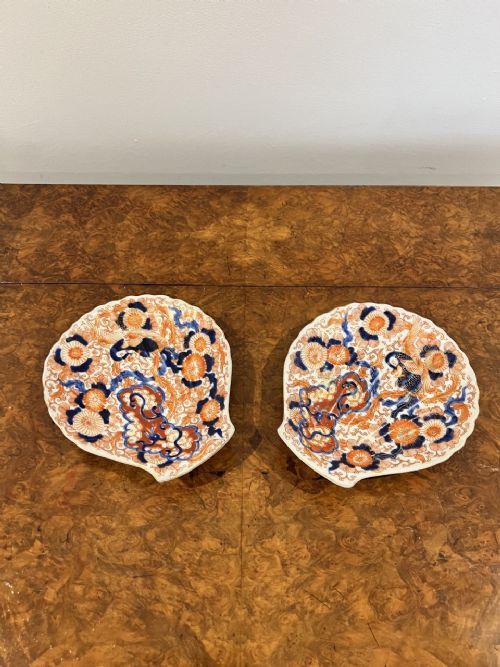
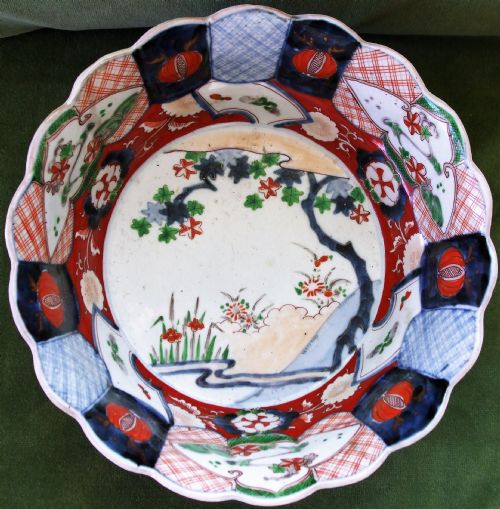
When you search for meiji imari ceramics, you encounter decorative porcelain objects originating from Japan during the nineteenth century and the early twentieth century. The selections available on this page concentrate on decorative plates, bowls, chargers, and vases created in the Arita tradition.
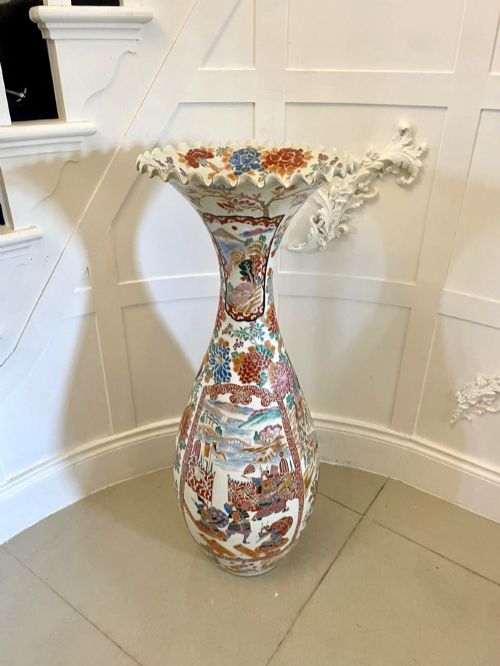
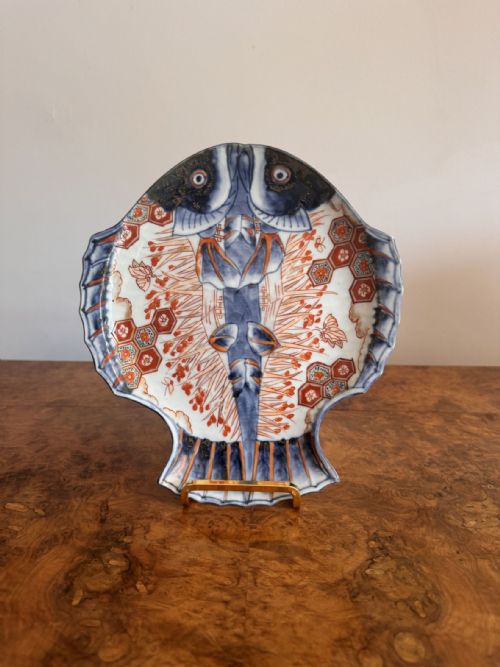
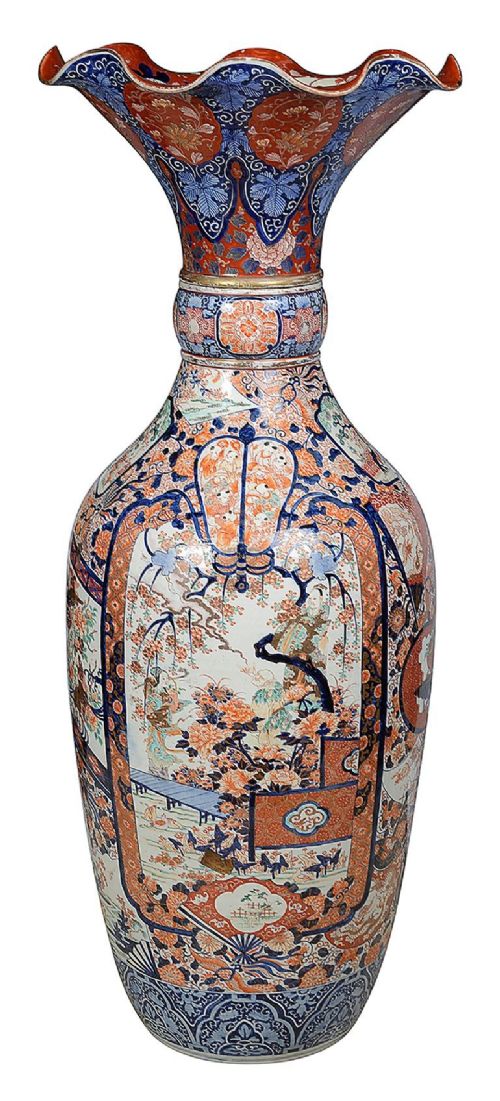
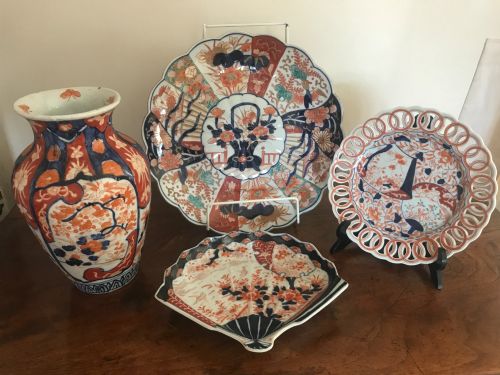
The objects span varied forms, including large floor-standing vases, scalloped dishes, fish-shaped plates, and biscuit barrels. Most examples date from the Meiji period, reflecting the distinctive aesthetic output of Japanese kilns during that era.
How they were made
The makers formed these objects from porcelain, applying cobalt underglaze alongside enamel colours and ceramic glaze to build complex visual designs. Artisans integrated gold leaf, gilt, and gilding to highlight specific motifs across the ceramic surfaces.
Kiln workers shaped porcelain into diverse geometric and natural forms, ranging from standard circular chargers to square plates, shell-shaped dishes, and tall floor vases.
Materials recorded across the inventory include porcelain, enamel, gold leaf, glaze, gilt, gilding, cobalt underglaze, and ceramic glaze.
What varies in quality
Differentiation across these ceramics rests upon the precision of the hand-painted enamel work and the complexity of the cobalt underglaze patterns. Superior pieces display sharper delineation in their decorative motifs and more careful application of gilding.
The ambition of the form also dictates the standing of an object, with large floor-standing vases and unusual sculptural shapes such as fish or shell plates representing more demanding production standards than standard round dishes.
Ginshōtei Gyokushi
The Meiji Imari Ceramics Glossary
- Imari
- A style of Japanese porcelain decorated in cobalt blue, iron red, and gold, produced in the town of Arita and exported widely from the port of Imari. This aesthetic defined much of the ceramic output seen across the nineteenth century.
- Meiji Period
- The era in Japanese history spanning from 1868 to 1912, characterised by extensive artistic production and international trade. Objects from this time often combine traditional motifs with refined decorative techniques.
- Cobalt Underglaze
- A blue pigment applied to ceramic pieces before the application of glaze and firing, forming the foundational dark outlines of many traditional designs. It provides depth and durability beneath the glossy surface.
- Charger
- A large decorative plate intended primarily for display rather than serving food. These items often feature dense pictorial compositions across a broad surface area.
- Gilding
- The application of gold leaf or powdered gold onto the surface of the ceramic to accent patterns and add reflective detail. It typically crowns the final stages of decoration before secondary firing.
Meiji Imari Ceramics: Frequently Asked Questions
How do I display a large imari charger?
Large chargers work well mounted securely on walls or supported on sturdy plate stands within cabinets. Their broad diameters allow intricate cobalt and enamel patterns to act as focal points in a room.
Ensure the mounting hardware matches the weight of the porcelain, particularly for nineteenth-century chargers with thick bodies and rich surface gilding.
What is the difference between an imari dish and a charger?
Dishes generally measure smaller and were historically used for serving food or smaller portions, while chargers are oversized plates designed purely for display. Both share the characteristic red, blue, and gold palette associated with Arita kilns.
Examining the scale and the presence of any hanging fixtures or wear patterns helps determine how an individual piece was used historically.
How should I clean my meiji imari porcelain?
Dust these ceramics gently with a soft, dry cloth to prevent the accumulation of particles on the glazed surface. Avoid harsh chemical cleaners or abrasive scouring pads that might damage the delicate enamel and gold leaf.
Hand washing in lukewarm water with mild soap is suitable only when strictly necessary, followed by immediate drying with a lint-free towel.
Can I use these bowls for daily dining?
Historic bowls from the Meiji period are generally treated as decorative or display objects rather than everyday tableware. The delicate enamel work and gilding can wear down with frequent use and washing.
Enjoying them on side tables or within cabinets preserves the painted details and prevents accidental chips to the rim.