




Meiji Period Decor
Meiji period decor encompasses Japanese craftsmanship from the late nineteenth and early twentieth centuries, bringing intricate porcelain, bronze, and lacquer pieces into modern interiors.
Meiji Period Decor
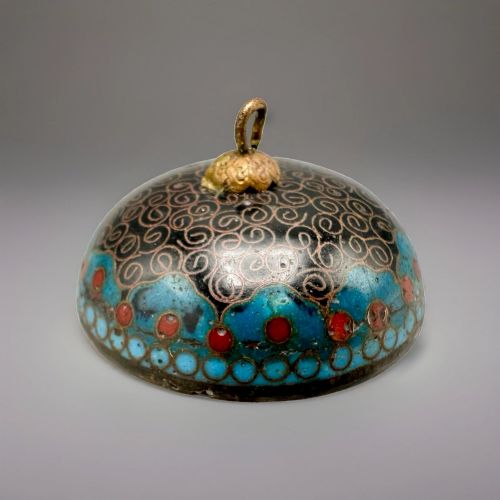
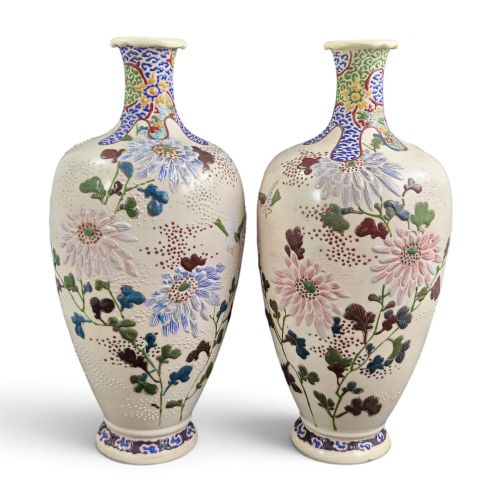
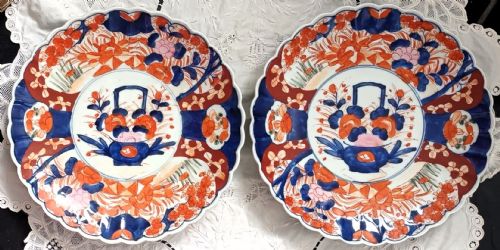
Porcelain decorated in the Imari palette appears frequently on this page, often featuring rich blue and rust-red tones alongside exotic birds or floral motifs. Alongside ceramics, items fashioned from bronze, cloisonne enamel, and lacquered wood represent the era's varied artisanal output.
What varies in quality
The distinction between standard production pieces and superior examples lies in the precision of the hand-painted details and the complexity of the motifs. Items featuring finely rendered birds, figures, or intricate cloisonne wirework demonstrate greater technical mastery by the workshop.
Subtlety in the layering of glazes and the crispness of moulded or carved forms also separate everyday domestic wares from exhibition-grade creations. The weight and finish of the bronze or the depth of the lacquer provide clear indicators of the maker's skill.
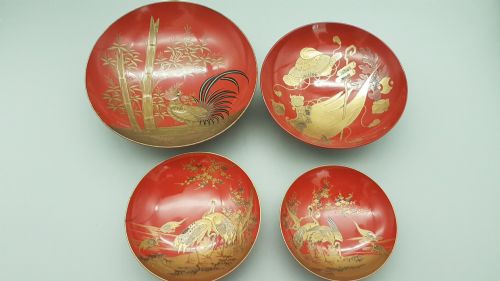
Some lacquer sake cups are so light they practically float off the tray when you lift them.
Hakusan·Fukugawa
The Meiji Period Decor Glossary
- Imari
- A traditional Japanese style of porcelain decoration originating from the port of Imari, typically characterised by a palette of underglaze blue, iron red, and gilt highlights. These pieces frequently depict floral arrangements or exotic birds.
- Satsuma
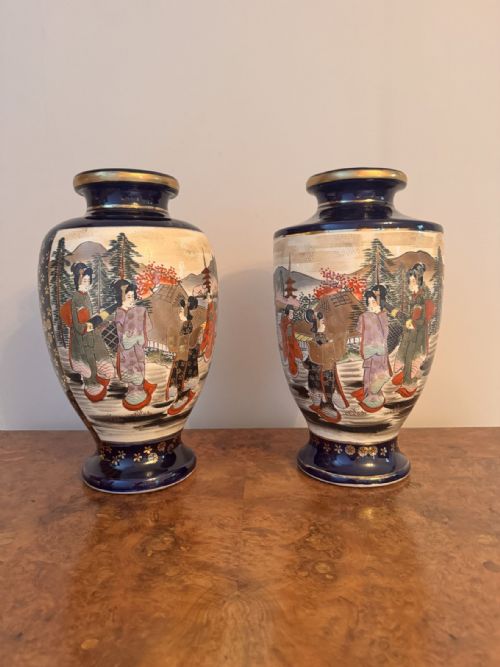
- A type of Japanese earthenware featuring a fine, ivory-coloured crackle glaze, often richly embellished with enamel and gilt overpaint depicting figures or gardens.
- Cloisonne
- An enamelling technique where metal wire is applied to a vessel to create compartments that are filled with coloured glass paste and fired.
- Charger
- A large decorative plate or platter designed for display rather than for serving food at the table.
- Shibayama
- A meticulous craft involving the inlay of materials such as shell, ivory, and bone into lacquer or wood bases to form decorative pictorial panels.
Meiji Period Decor: Frequently Asked Questions
How do I display meiji period decor at home?
Large chargers and wall plaques look striking mounted on walls or displayed on sturdy stands within a reception room. Smaller items like lacquer sake cups or delicate vases sit well on open shelving or mantels where their fine details can be observed closely.
Mixing different materials, such as placing a bronze vase alongside porcelain plates, adds textural depth to a display. Keeping these pieces away from direct sunlight helps preserve the rich colours of the enamels and gold leaf over time.
Were these items made for export?
Many objects from this era were produced specifically for international exhibition and export following the opening of trade with the West. Workshops adapted traditional Japanese motifs to suit European and American interior tastes.
This exchange influenced both Western design movements and the output of Japanese kilns and metal studios. As a result, domestic Japanese aesthetics merged with forms suited to Western display practices.
How should I clean bronze and lacquer pieces?
Dust bronze surfaces gently with a soft, dry cloth to prevent the accumulation of grit in recessed details. Avoid using liquid polishes or abrasive cleaners, which can strip the patination built up over the decades.
Lacquered wood requires similar care, needing only a gentle wipe with a dry or very slightly damp cloth. Keeping them in stable humidity conditions prevents the wood from expanding and protects the lacquer finish from cracking.