




Meiji Period Arita Ware
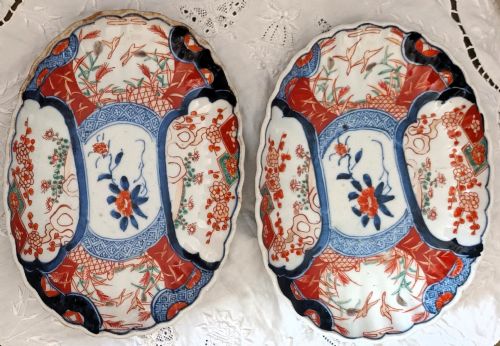
Meiji period arita ware consists of Japanese porcelain vessels and plates valued for their decorative floral and bird designs.
Meiji Period Arita Ware
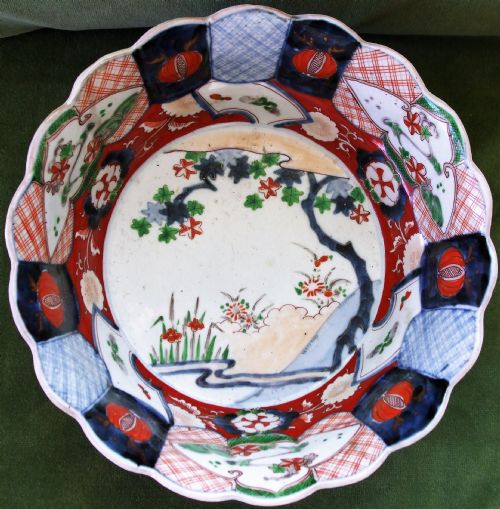
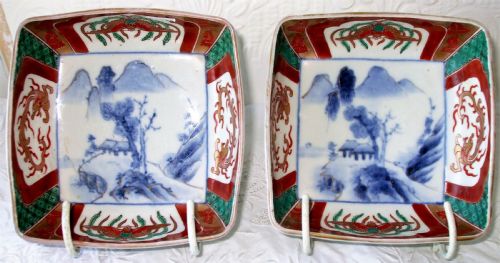
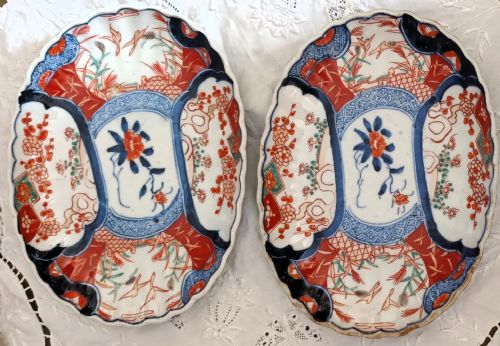
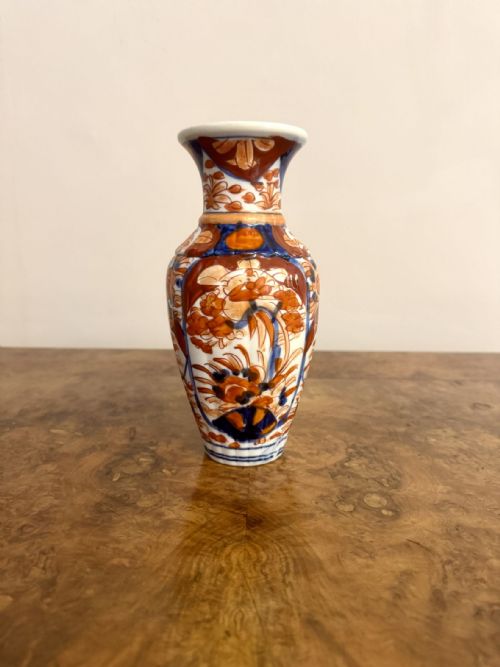
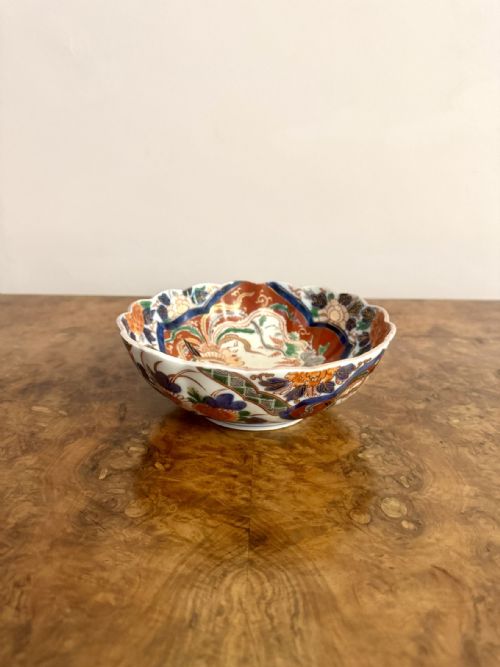
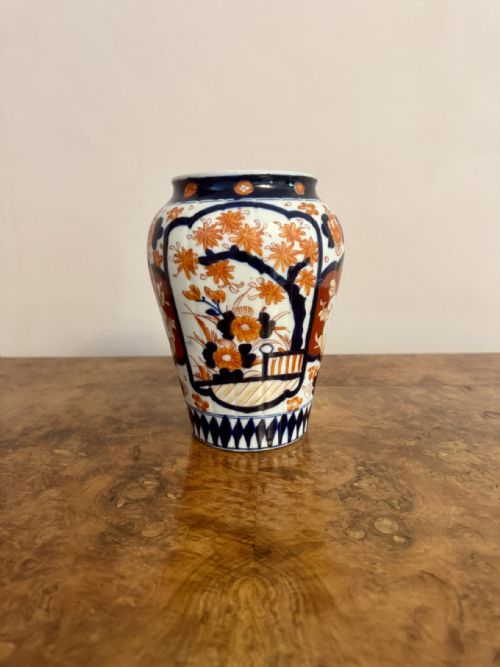
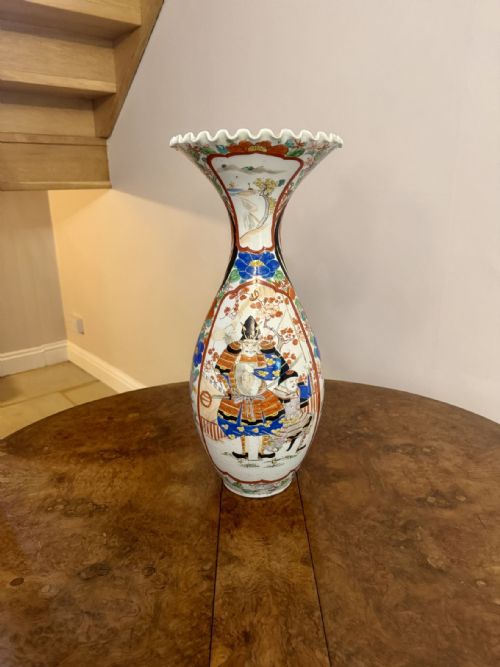
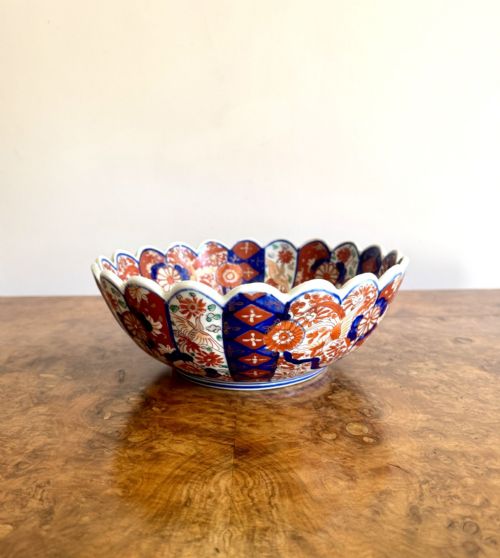
When you search for meiji period arita ware, you encounter decorative porcelain items produced in Japan during the nineteenth and early twentieth centuries. These pieces encompass a variety of forms including large chargers, scalloped bowls, shaped dishes, and tall vases.
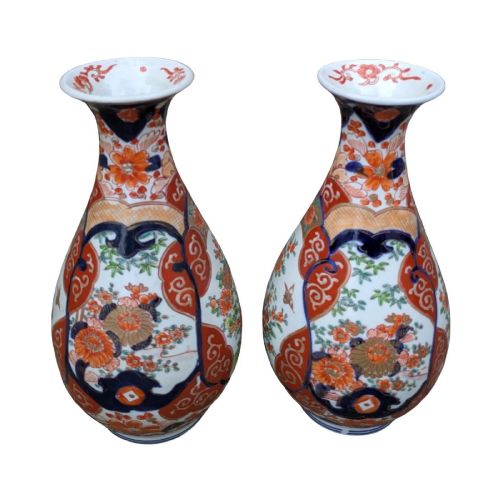
Buyers frequently find domestic and export tableware items designed for display or containment. Scallop edge bowls, hexagonal plates, and bottle shaped vases appear regularly among the available inventory.
Materials and production methods
Potters constructed these objects using white porcelain clay as the primary body material. Artisans then applied cobalt underglaze alongside enamel colours to create the distinctive palette seen across the pieces.
Makers integrated surface enrichment through the application of gold leaf, gilt, and gilding over the fired porcelain body. Hand painted floral and bird motifs were meticulously rendered onto chargers, plates, and vases before final firing.
Some plates were thoughtfully housed in dedicated boxes, proving that careful packaging is a tradition centuries old.
Assessments of quality
Quality in these ceramics rests upon the crispness of the hand painting and the complexity of the design. Pieces featuring detailed floral and bird compositions demonstrate superior craftsmanship compared to simpler decorative efforts.
The physical form and moulding also distinguish individual examples, as seen in unusual shapes like fan shaped plates, hexagonal bowls, and garnitures of three matching vases. Preservation of the enamel glaze and gilt highlights further elevates the standing of an item.
The Meiji Period Arita Ware Glossary
- Arita ware
- Japanese porcelain originating from the town of Arita in Hizen province. This ceramic tradition encompasses various decorative styles produced for both domestic use and export.
- Imari
- A traditional style of Japanese export porcelain characterised by a palette of cobalt blue, iron red, and gilt. Pieces often incorporate intricate floral and bird patterns.
- Charger
- A large decorative plate intended for display rather than for serving food at table. These substantial pieces frequently showcase complex hand painted compositions.
- Garniture
- A set of matching ceramic vessels, typically numbering three or more, designed to be displayed together on a mantelpiece or cabinet. These groupings create a symmetrical decorative arrangement.
- Underglaze
- Pigment applied to the ceramic body before the glaze is added and the piece is fired. Cobalt serves as the primary underglaze colour on these wares.
Meiji Period Arita Ware: Frequently Asked Questions
What is meiji period arita ware?
Meiji period arita ware comprises Japanese porcelain items created during the Meiji era, spanning decorative plates, bowls, and vases.
These ceramics predominantly feature Japanese Imari designs executed in cobalt, enamel, and gilt.
How were these porcelain pieces used?
Many of these items served as decorative display pieces rather than functional tableware. Large chargers and garnitures adorned rooms, while bowls and dishes held various household items.
Export wares were specifically produced for international markets to satisfy Western demand for Japanese art.
How do I identify Japanese Imari style?
Japanese Imari is recognised by its distinct colour palette, combining cobalt blue underglaze with iron red and gold leaf overglaze. The motifs typically include detailed floral patterns and bird designs.
Plates and bowls in this style often feature shaped or scalloped edges.
How should I care for antique porcelain?
Antique porcelain requires gentle handling to protect the hand painted enamel glaze and gilt details. Dusting with a soft cloth keeps the surface clean without risking abrasion.
Avoid using harsh chemical cleaners or submerging pieces with delicate gold leaf in water for extended periods.