
Meiji Period Antiques
Meiji period antiques encompass bronze sculptures, Imari porcelain, and cloisonné enamel chargers originating from Japan during the late nineteenth and early twentieth centuries.
Meiji Period Antiques
Meiji period antiques span decorative objects and furnishings created during the late nineteenth and early twentieth centuries, reflecting the opening of Japan to Western trade. A buyer searching this phrase encounters works ranging from patinated bronze sculptures and okimono to Kutani and Imari porcelain vessels.
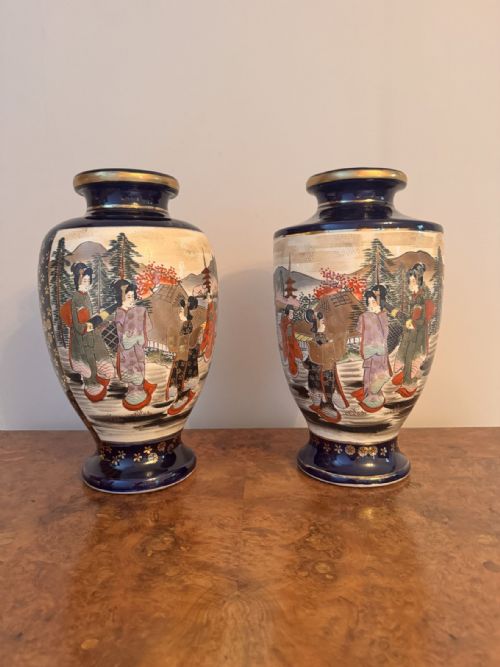
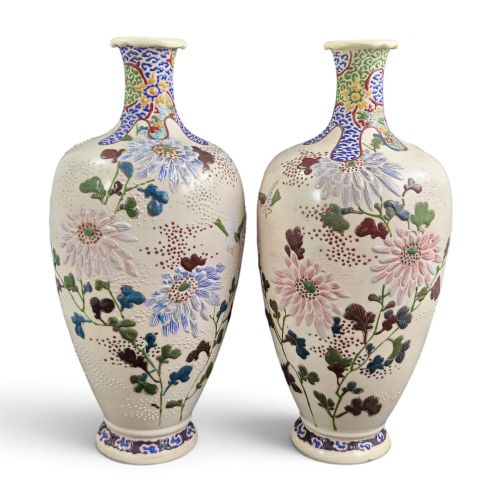
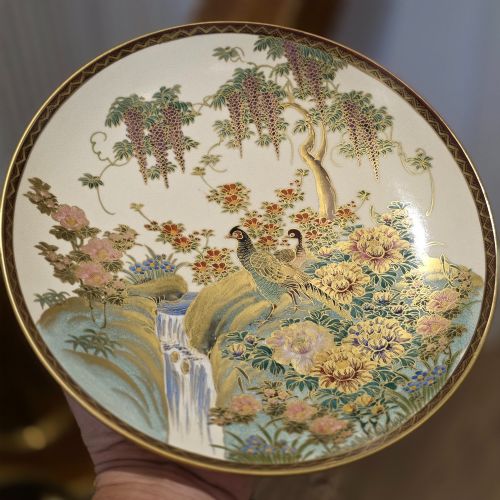
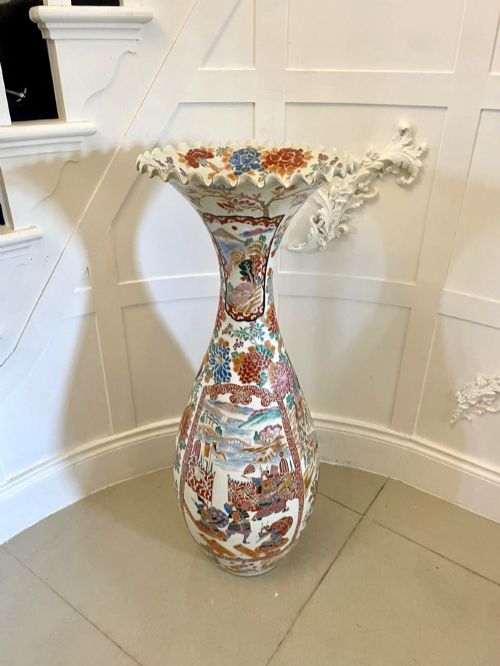
The objects available on this page lean heavily towards bronze figures, Satsuma pottery vases, and lacquer tableware such as sake sets and table cabinets. Vases and chargers dominate the ceramic offerings, often displaying detailed floral or bird motifs.
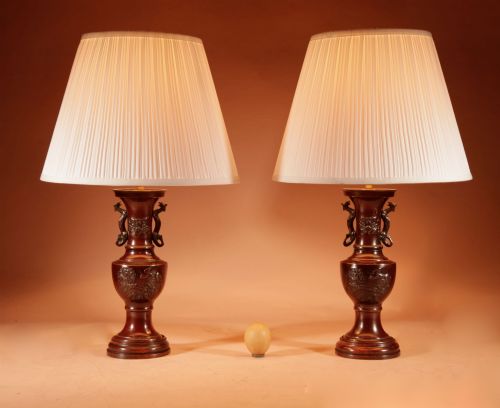
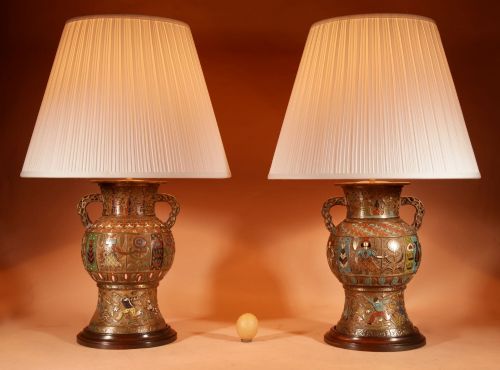
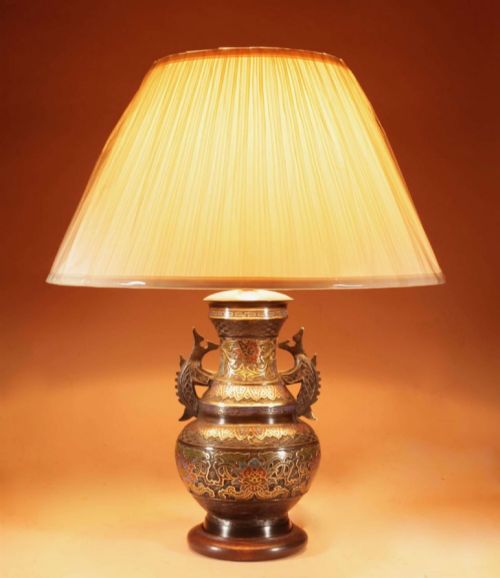
Forms extend to practical domestic pieces including floor lamps, table screens, and lidded jars alongside sculptural figures of animals and human subjects. These pieces demonstrate the transition of traditional Japanese craftsmanship toward international export markets.
Materials and construction
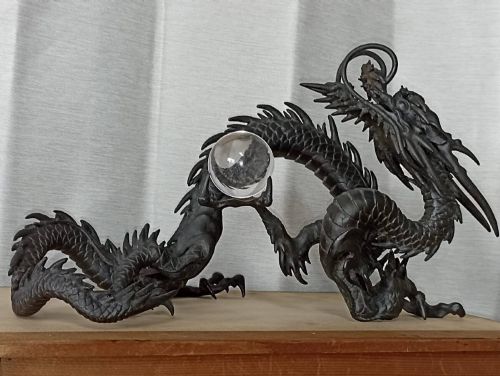
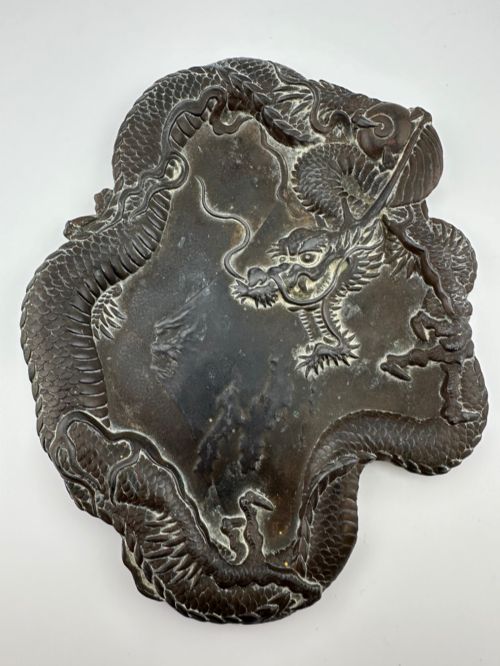
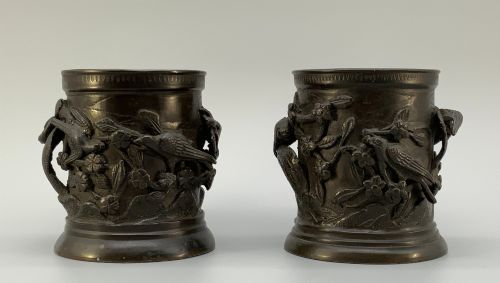
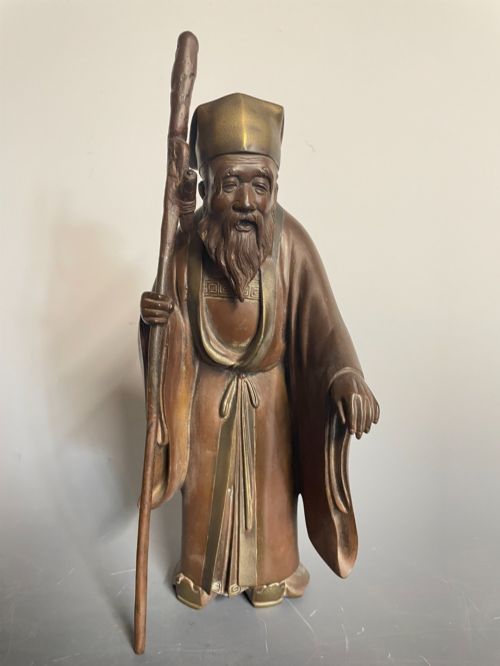
Bronze forms depend on complex casting methods, frequently enhanced with mixed-metal inlays, patination, and shakudo detailing to create texture and contrast. Artisans applied precision to bird and human subjects, often combining cast bronze with applied silver or gold leaf elements.
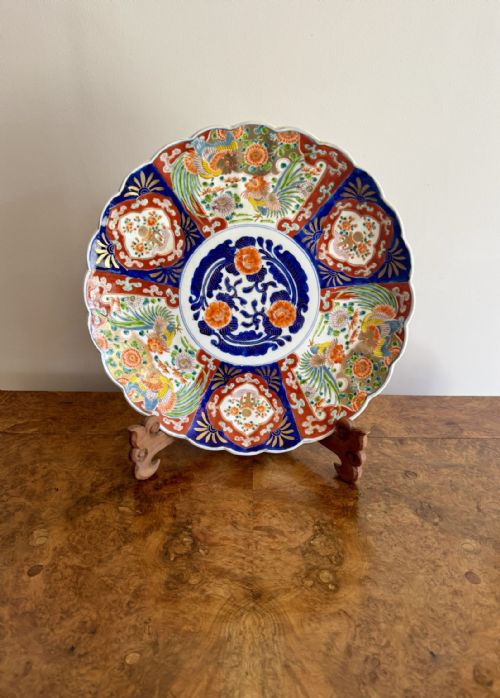
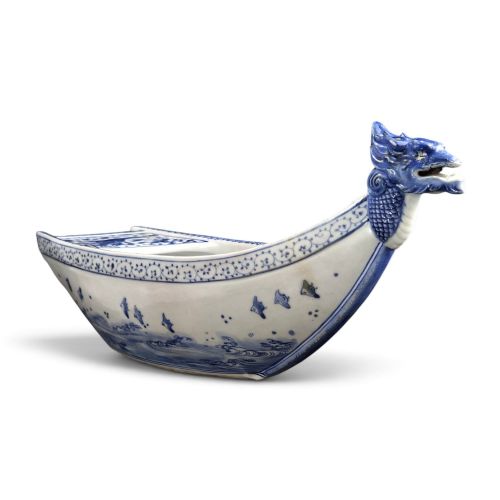
Ceramics such as Kutani, Satsuma, and Imari rely on regional clays finished with rich glazes, enamel decoration, and hand-painted gilt work. Porcelain pieces utilise underglaze cobalt blue and iron-red enamels, while earthenware Satsuma pottery employs intricate polychrome enamel overglazes.
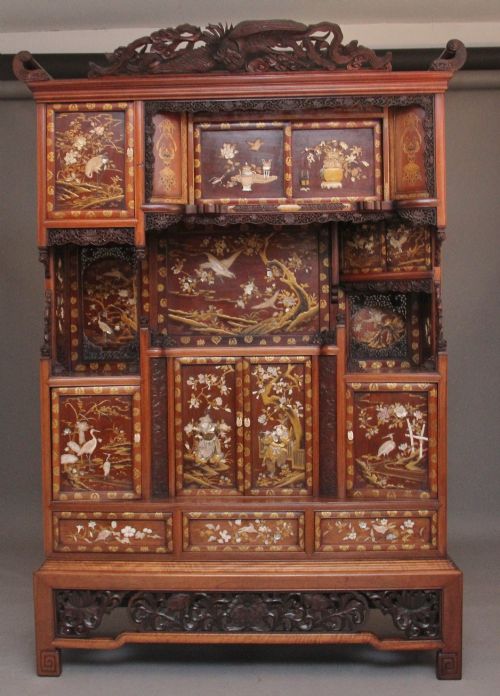
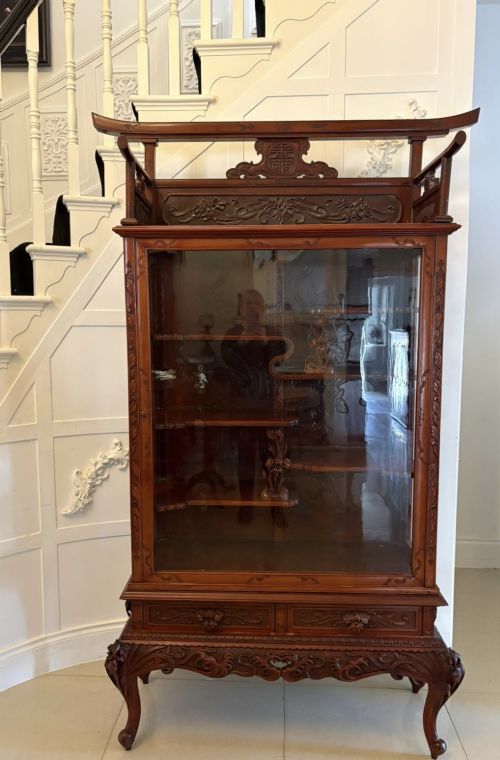
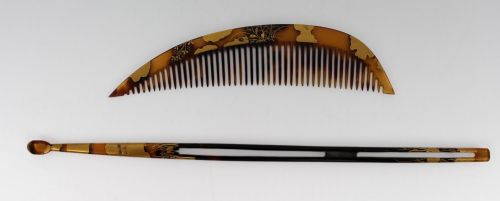
Lacquerware utilises successive layers of natural resin applied to wooden cores, sometimes combined with mother-of-pearl inlay or Shibayama technique using shell, ivory, and bone. Wood is also shaped into functional furniture and cabinets finished with gilt lacquer.
Listings feature ceramics, bronzes, and lacquerware spanning the nineteenth century through the early twentieth century, including Imari, Satsuma, and Kutani wares.
Assessing quality and execution
Quality rests in the precision of the surface detailing, whether in the fine chisel work on a bronze feather or the registration of enamel colours on a cloisonné charger. Superior examples display disciplined control where every line contributes to the unified composition of the subject.
The integration of mixed metals and the stability of patination indicate the skill applied during manufacture. Finer lacquerware and Satsuma porcelain exhibit restraint in their ornamentation, avoiding overcrowding while maintaining crisp definition in the painted motifs.
KANASAWA·Maruni Kobe·Shozan·Jomi Eisuke
The Meiji Period Antiques Glossary
- Okimono
- A small Japanese freestanding carving intended for display in an alcove or on a shelf. These decorative figures typically depict animals, historical personages, or scenes from daily life.
- Imari
- A traditional style of Japanese porcelain featuring a distinctive palette of underglaze blue, iron red, and added gold highlights. These wares were widely exported to European markets during the nineteenth century.
- Cloisonné
- A metalwork technique where thin wire partitions are affixed to a metal base to form cells, which are then filled with enamel paste and fired. This method produced intricate pictorial designs of birds and flowers.
- Satsuma
- A type of Japanese earthenware characterised by a crackled ivory glaze and richly coloured enamel decorations enriched with gilt. Vases and garnitures are the most common forms found in this style.
- Shibayama
- A decorative method involving the inlay of precious materials such as mother-of-pearl, ivory, and tortoiseshell into wood or lacquer surfaces. It creates a high-relief pictorial effect used on screens and small objects.
Meiji Period Antiques: Frequently Asked Questions
What defines a meiji period antique?
These pieces originate from the reign of Emperor Meiji, spanning from eighteen sixty-eight to nineteen twelve, a time of rapid industrial and artistic exchange between Japan and the West.
The work from this era combines traditional Japanese craftsmanship with forms tailored for international collectors, resulting in highly detailed bronzes, ceramics, and lacquerware.
How are bronze sculptures and okimono different?
A bronze sculpture often serves a functional or large decorative purpose, such as a floor lamp, vase, or substantial animal figure cast in metal.
An okimono is specifically a standalone decorative carving or small sculpture meant for interior display, capturing momentary gestures of humans, deities, or animals.
How do I care for lacquerware and bronze?
Lacquerware requires stable indoor humidity and protection from direct sunlight to prevent the wooden core from expanding and the surface from cracking.
Bronze benefits from occasional dusting with a soft brush and should be kept free from moisture to preserve the original patination and mixed-metal inlays.
How can I tell Satsuma and Imari apart?
Satsuma ware consists of earthenware covered in a characteristic creamy, crackled glaze that serves as a canvas for detailed polychrome and gilt enamel painting.
Imari pieces are made of hard porcelain decorated in a robust palette dominated by underglaze cobalt blue, iron red, and gilt highlights.