
Japanese Patinated Bronze
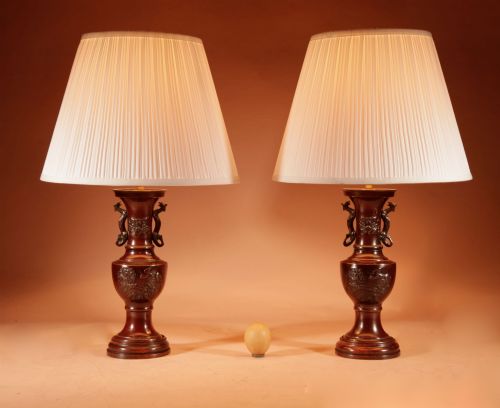
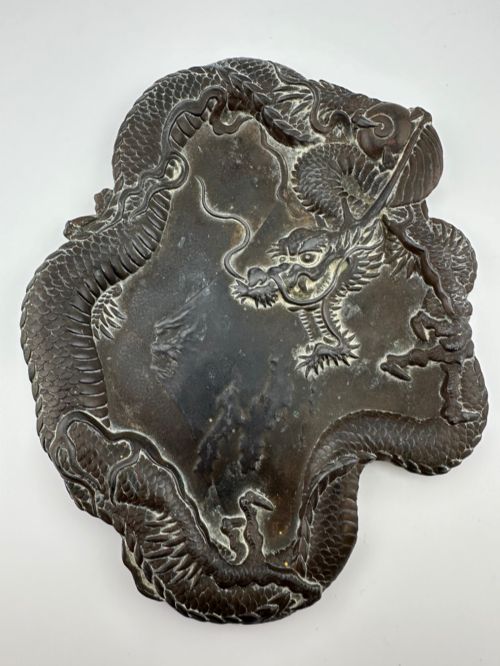
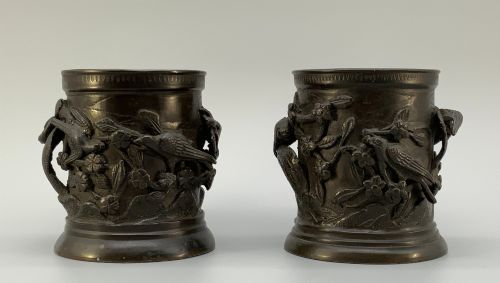
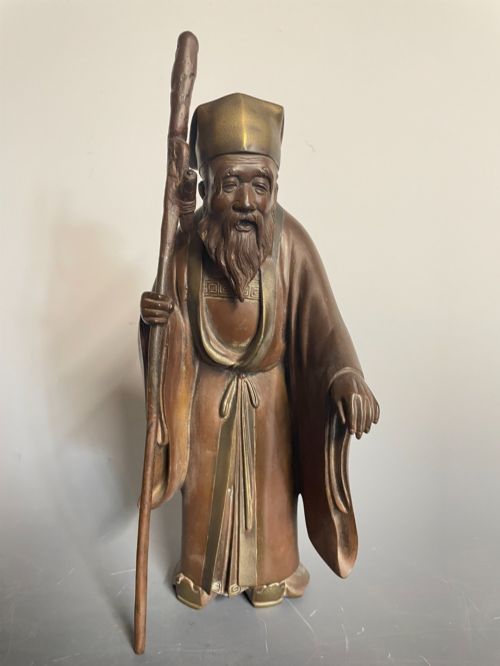
These Japanese patinated bronze pieces bring sculptural depth to a room through dark metal surfaces and intricate casting.
Japanese Patinated Bronze
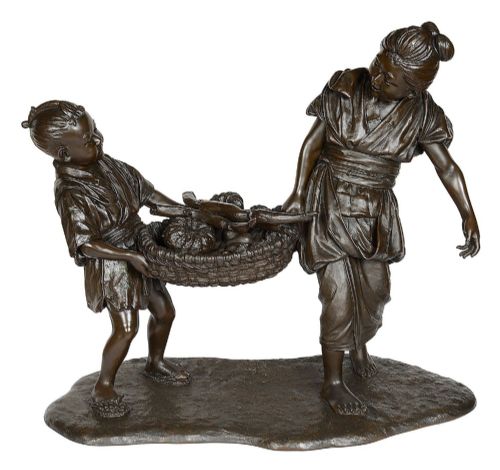
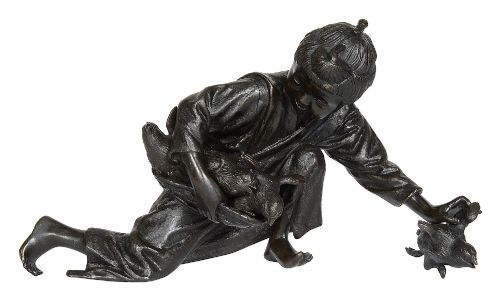
When you search for japanese patinated bronze, you encounter objects spanning the 19th century, the Meiji period, and the early 20th century. The selection ranges from figural sculptures and okimono to vases, table lamps, and planters.
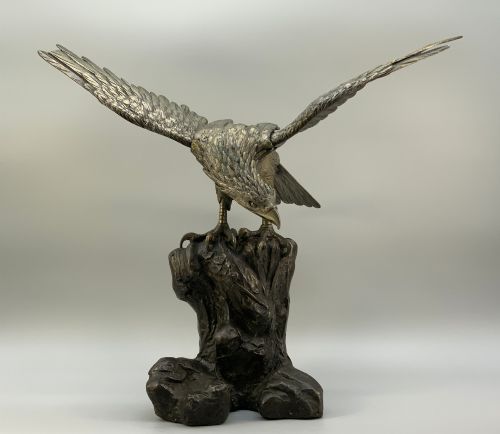
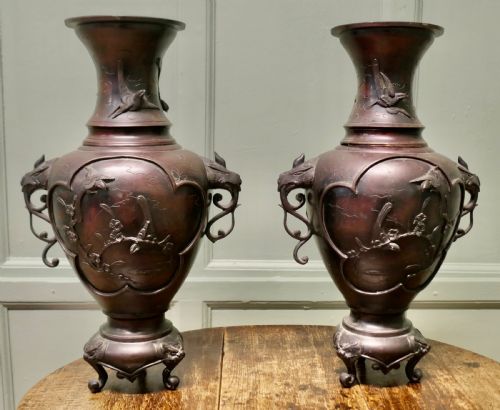
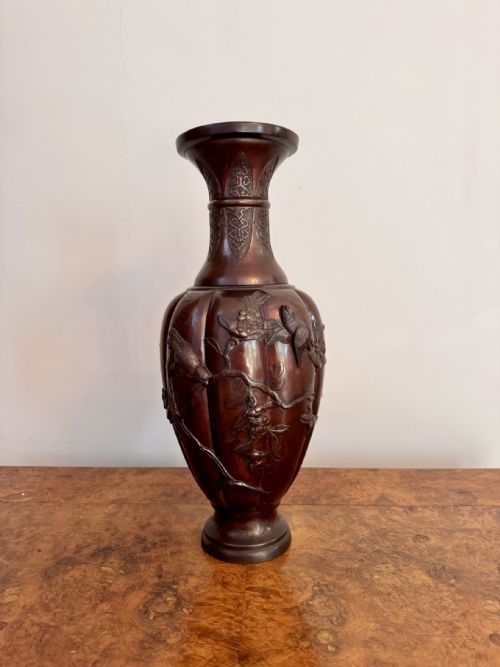
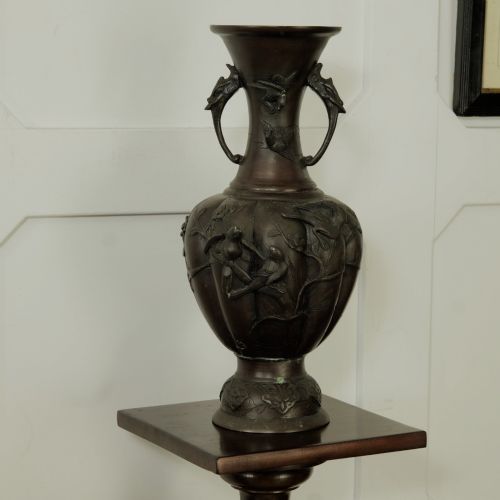
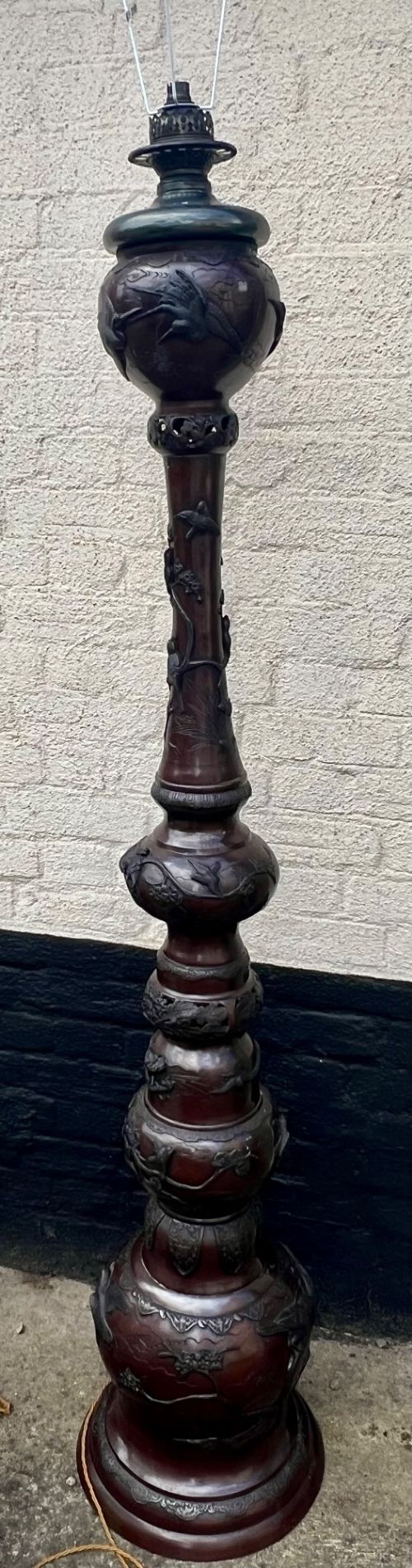
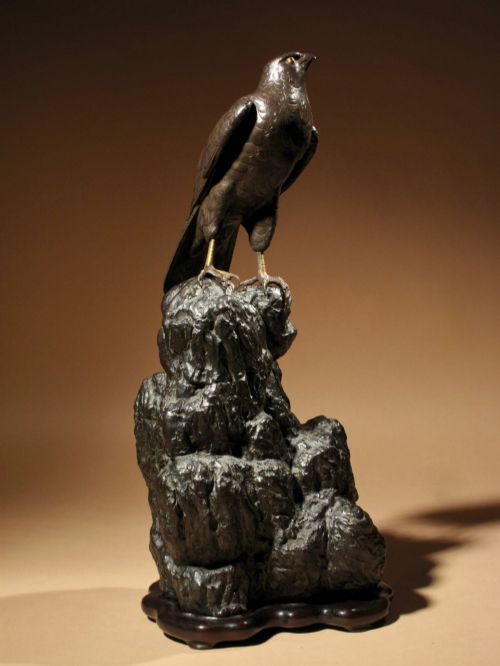
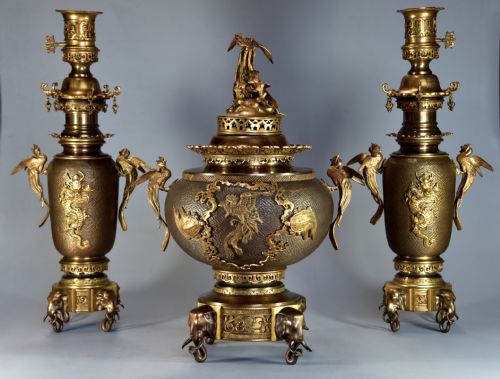
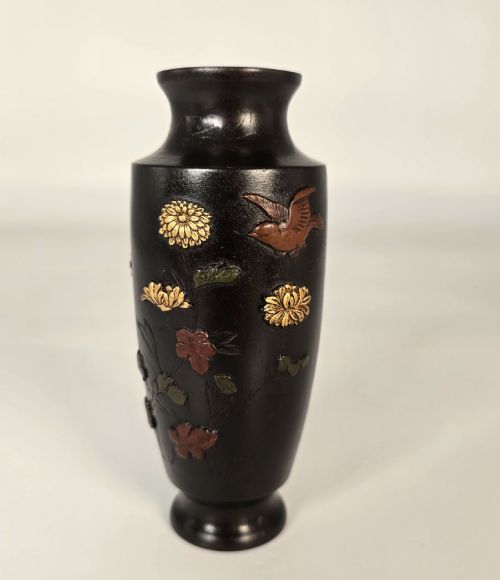
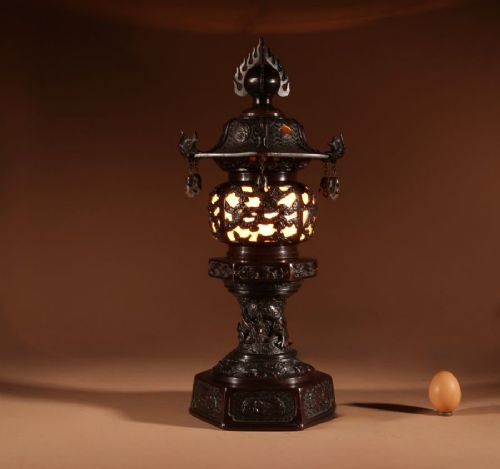
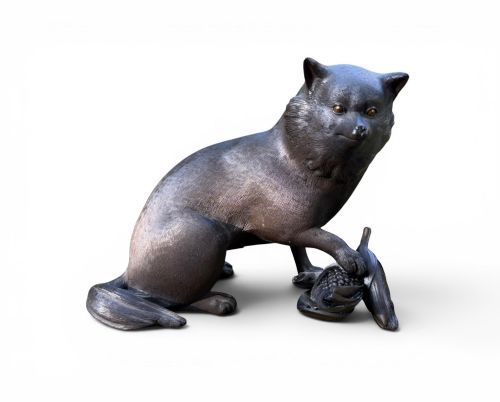
Vases and garniture sets appear frequently alongside animal studies depicting hawks, elephants, horses, and insects. Larger floor lamps and table lamps adapt traditional cast forms for domestic illumination.
Materials and technique
Metalworkers utilise bronze as the primary medium, frequently combining it with gold inlay, copper, and wood bases. Artisans apply chemical treatments to the surface to achieve dark patinated finishes across the metal.
Casting methods allow for high levels of anatomical detail in figures and naturalistic textures in floral vases. Articulated sections appear in specific animal sculptures, demonstrating advanced assembly techniques.
The inventory records span the Meiji, Edo, and Taisho periods, utilising bronze, copper, wood, and gold inlay across multiple decorative forms.
Craftsmanship and finish
The distinction between tiers rests on the sharpness of the chiselling and the depth of the patination. Master metalworkers achieve subtle tonal variations across the bronze surface rather than a flat, uniform colour.
Complex compositions involving multiple figures or dynamic animal interactions demand greater technical skill from the foundry. The integration of gold inlay and the finish of the underside indicate the level of care taken during production.
Kunio Itô·Masaaki·Kaniya Kuniharu·Sakai Kōzan·Tsunemitsu
The Japanese Patinated Bronze Glossary
- Okimono
- A Japanese ornamental statue or sculpture designed for display on a shelf or tokonoma. These freestanding bronze figures often depict animals, insects, or human subjects.
- Meiji Period
- The era in Japanese history lasting from 1868 to 1912, associated with rapid modernisation and the export of metalwork to Western markets.
- Patinated Bronze
- Bronze metal treated with chemical solutions to produce a specific surface colour and tone. This finish protects the metal and defines the visual character of the piece.
- Garniture Set
- A coordinated group of vases or decorative vessels designed to be displayed together on a mantelpiece or sideboard.
- Chinoiserie
- A European artistic style reflecting Chinese and broader East Asian motifs, sometimes intersecting with Japanese design influences in late 19th-century decorative arts.
Japanese Patinated Bronze: Frequently Asked Questions
What is an okimono?
An okimono is a standalone decorative sculpture designed for interior display rather than religious use. These bronze pieces typically represent animals, mythical creatures, or genre figures from daily life.
Craftsmen produced them in varying scales during the Meiji period for both domestic and international collectors. Their detailed surfaces often feature naturalistic textures and complex patination.
How do I care for patinated bronze?
Maintenance requires only a soft, dry cloth to remove dust from the surface. Avoid using chemical cleaners, polishes, or abrasive cloths that can strip the chemical patination from the metal.
Keeping the piece away from direct sunlight and damp environments preserves the stability of the bronze and any secondary materials like wood bases.
How do I date a Japanese bronze?
Dating relies on stylistic markers, casting techniques, and any signatures or foundry marks present on the piece. Items produced during the Meiji period often display high sculptural ambition and specific patination styles.
Comparative analysis with documented okimono and vase forms helps narrow the decade of production when written records are absent.
Were these pieces made for export?
Many bronze sculptures and vases from the late 19th century were created specifically for Western markets following the opening of trade ports. These works catered to European interest in Japanese craftsmanship and the Japonisme movement.
Export pieces frequently combined traditional foundry methods with forms suited to Western interiors, such as table lamps and large decorative vases.