




Oriental Metal Ornament
An oriental metal ornament brings sculptural weight and cast detail from nineteenth and early twentieth century workshops into a room.
Oriental Metal Ornament
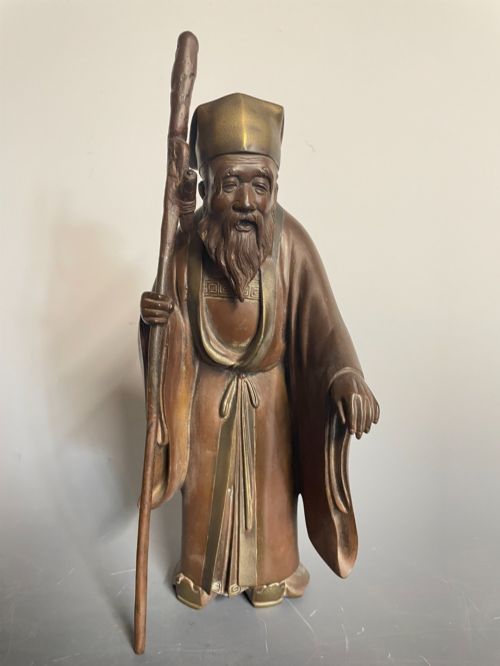
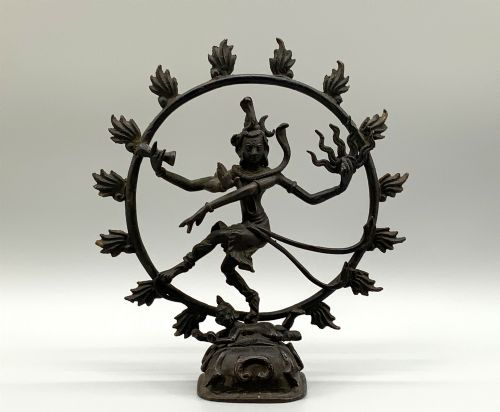
When you search for oriental metal ornament, you encounter cast figures, pairs of vases, and animal sculptures originating from China, Japan, India, and Tibet. The majority of pieces on this page stem from the nineteenth century, particularly the Meiji period in Japan, alongside Chinese Qing dynasty works and regional pieces from Burma, Indochina, and India.
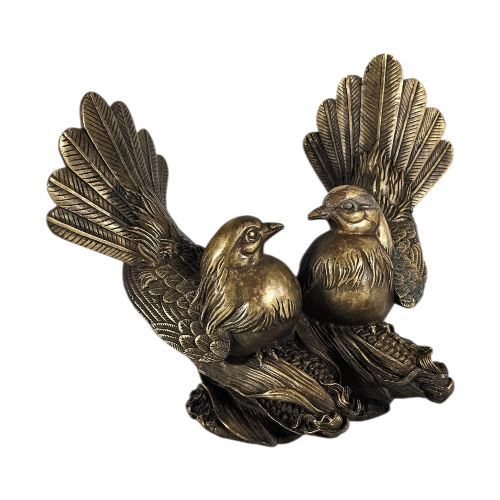
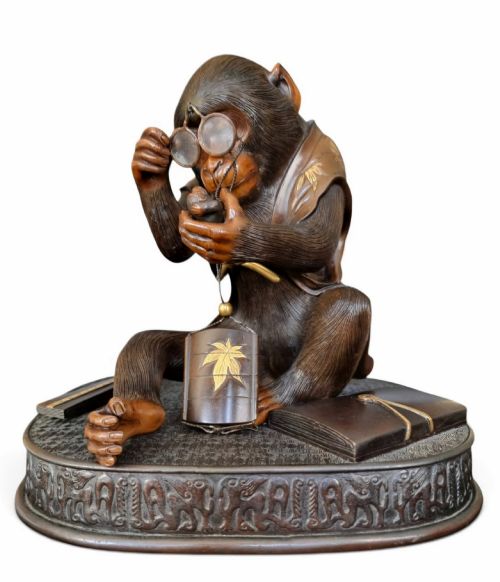
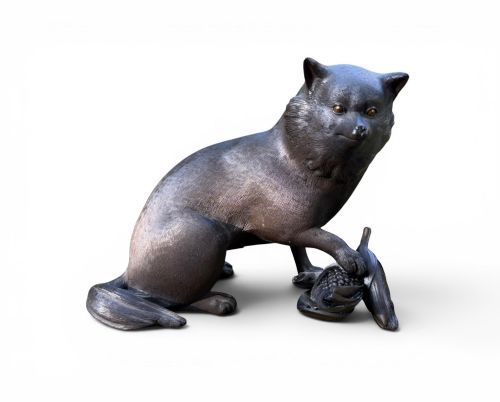
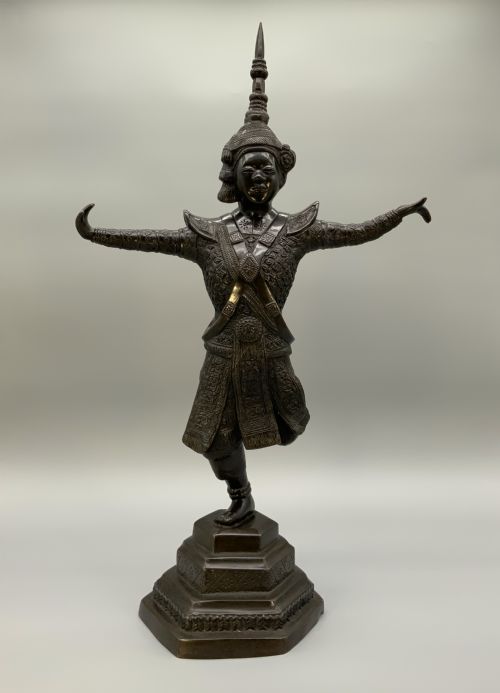
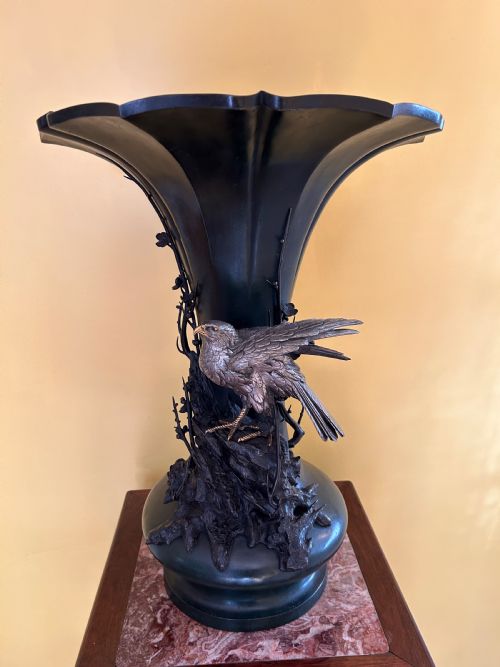
The forms range from bronze pigeons and scholar monkeys to large temple lions, money toads, and court dancers. Vases and decorative urns complement the figural sculptures, providing variety in both scale and domestic function.
Distinctions in quality
Quality rests in the crispness of the chased detail and the precision of the initial casting, where finer pieces retain sharp plumage on birds or individual hairs on animal okimono. Mixed metal pieces show superior craftsmanship when the inlaid metals sit flush with the surrounding bronze or copper ground.
The weight and balance of the object also indicate standard, as substantial bronze statues and thick-walled vases demonstrate a generous use of material. Furthermore, individual character in figural works, such as the expressive posture of a monkey or a dancing figure, separates standard production from exceptional artistry.
The listings on this page span the nineteenth and twentieth centuries, featuring bronze, brass, and mixed metal items from Japanese, Chinese, Indian, and Burmese origins.
The Oriental Metal Ornament Glossary
- Okimono
- A Japanese ornamental statue or figurine designed for display on a shelf or in a tokonoma alcove. These sculptures typically depict animals, figures, or mythical subjects.
- Meiji Period
- The era in Japanese history spanning from 1868 to 1912, characterised by opening trade and exceptional metalwork production. Works from this time often show realistic animal anatomy combined with traditional motifs.
- Qing Dynasty
- The final imperial dynasty of China, lasting from 1644 until 1912. Bronze works from the late phase of this period frequently employ traditional marks and heavy casting.
- Mixed Metal
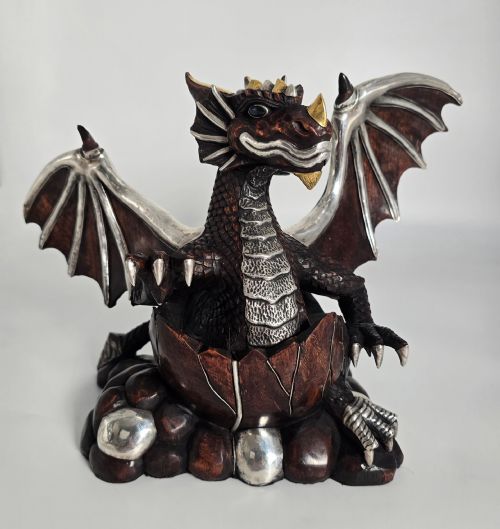
- An alloy combination or the technique of fusing different metals such as copper, brass, and bronze within a single decorative object. This method creates visual contrast through varied natural metal colours.
Oriental Metal Ornament: Frequently Asked Questions
How do I identify a Meiji period bronze?
Meiji period bronzes often display a high degree of naturalism, particularly in depictions of animals like dogs, rats, and monkeys. The surface finish typically shows careful patination rather than simple paint.
Look for the characteristic weight and dense casting associated with Japanese workshops of the late nineteenth century. Many pieces also incorporate subtle mixed metal highlights or distinct signature panels underneath.
Where should I place a bronze sculpture?
These metal ornaments suit stable wooden surfaces such as sideboards, desks, or mantelpieces where their weight provides a secure base. Positioning them away from direct moisture prevents surface corrosion on the exposed bronze or brass.
Allow sufficient space around larger pieces like temple lions or pairs of vases so the cast details remain visible. Good ambient light helps reveal the subtle patination and varied metal tones.
How do I clean antique bronze?
Dust bronze and brass ornaments gently with a soft, dry cloth to remove daily particles without disturbing the underlying patina. Avoid using chemical metal polishes, as these strip away historical surface finishes and diminish the value.
If deeper cleaning is necessary, consult a professional conservator rather than applying domestic cleaning agents. Preserving the original colour of the metal is essential for maintaining the integrity of the piece.