

Japanese Metalwork
Japanese antique metalwork brings substance and intricate detail to a room, offering bronze vases and bowls shaped across centuries.
What Japanese antique metalwork is
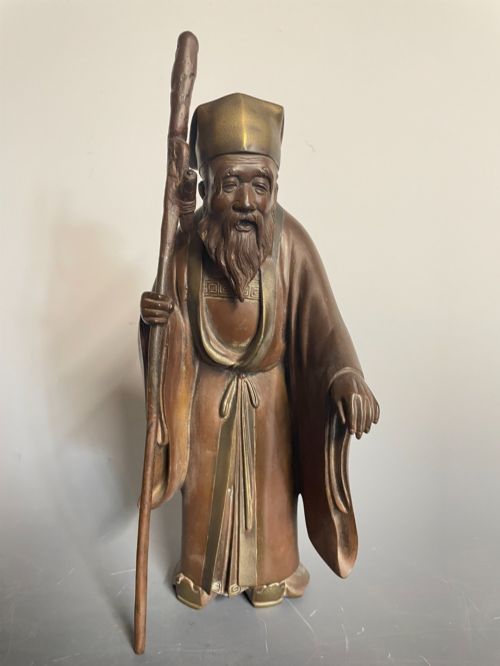
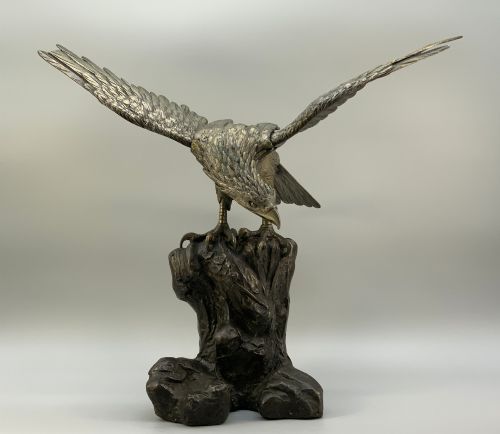
Japanese antique metalwork encompasses items created from bronze, silver, and gold, ranging from decorative vessels to sculptural forms. Buyers exploring japanese antique metalwork encounter pieces shaped during the Edo period, the Meiji period, and the Edwardian era.
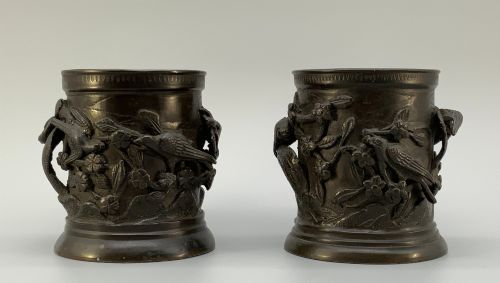
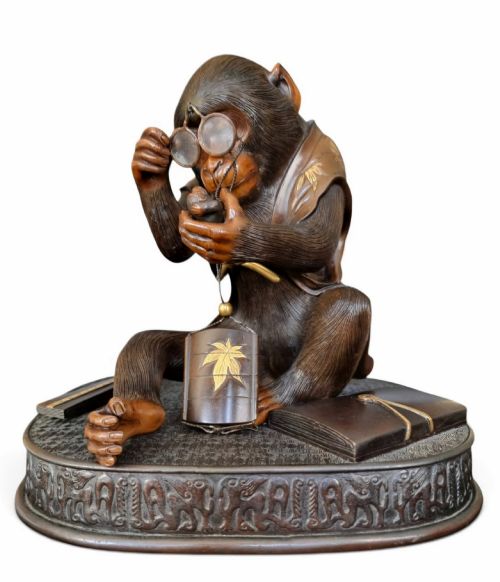
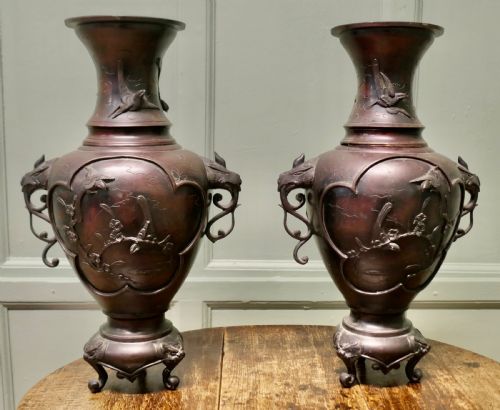
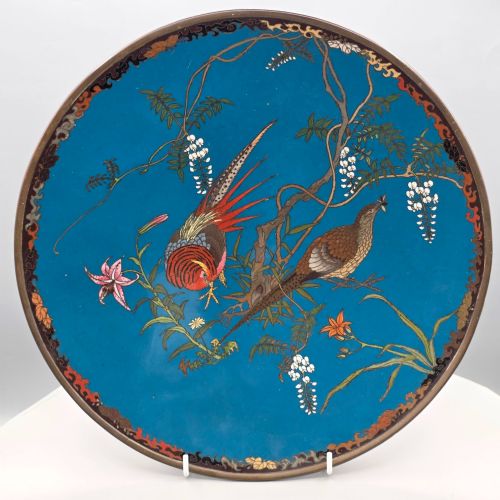
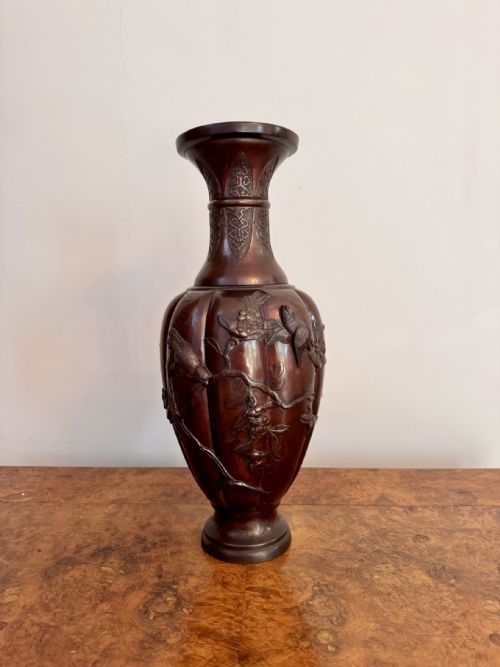
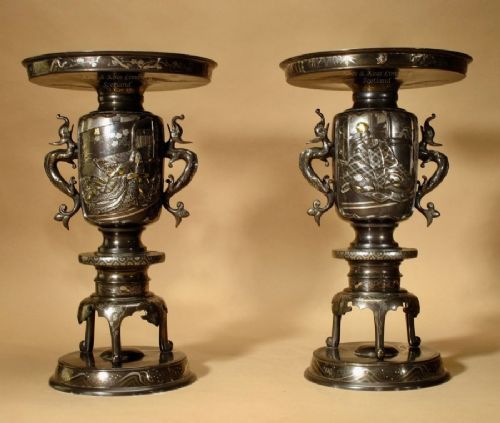
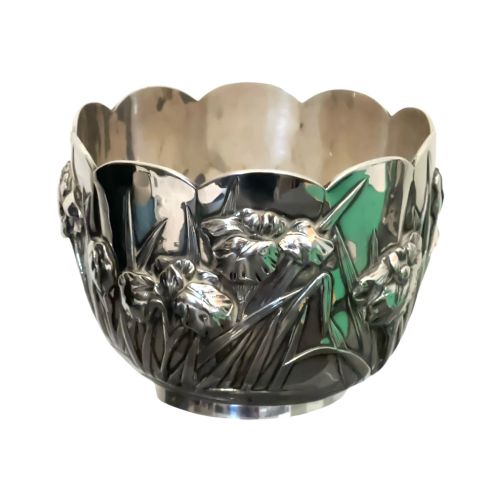
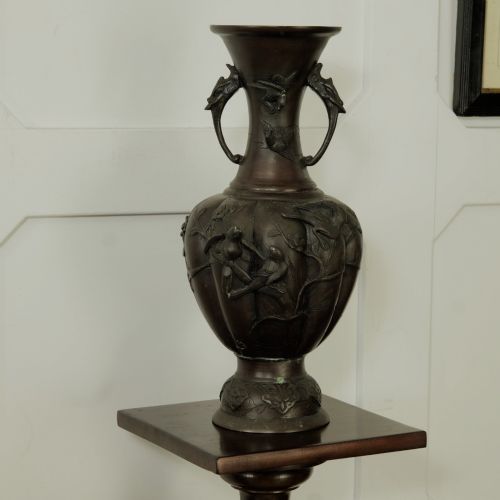
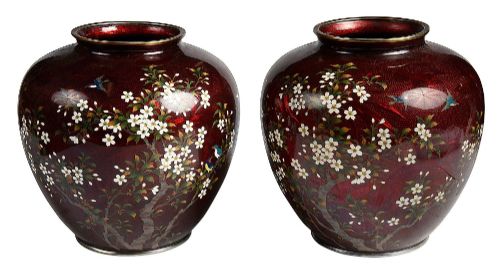
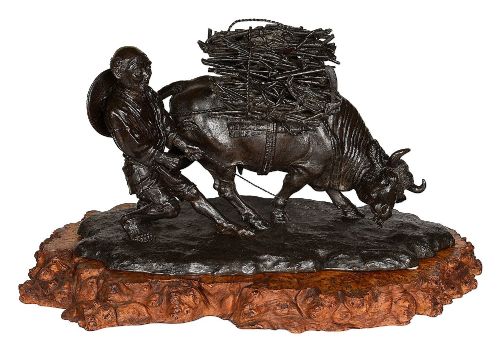
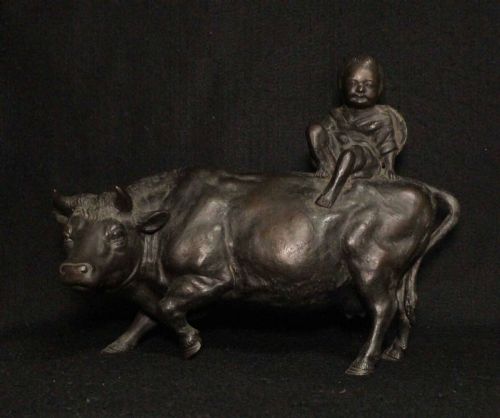
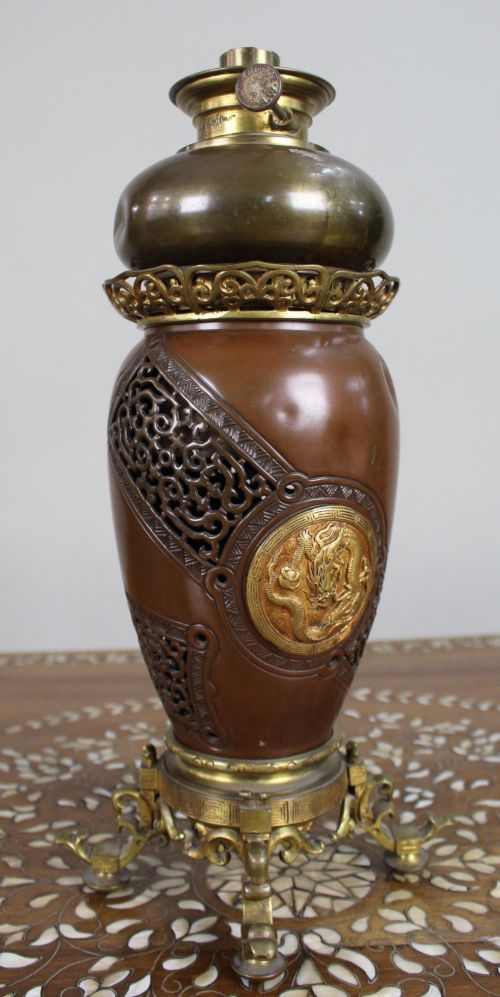
The objects listed on this page include bronze vases, decorative bowls, spectacle cases, and elephant sculptures. These forms display the varied design traditions and casting skills developed across different centuries of production.
How they were made
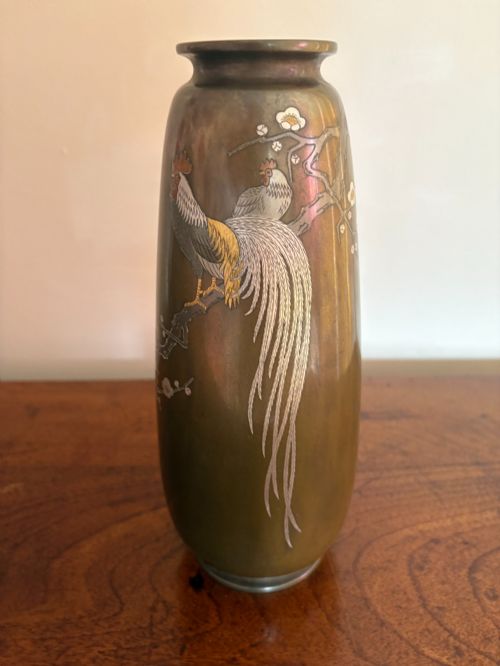
Makers utilised bronze, silver, and gold, frequently incorporating silver inlay to add contrast and pattern to the metallic surface. Some pieces also integrate wood, bone, and silk cord elements into their overall construction.
Casting and metal-inlaying techniques define the physical structure of these items. Skilled artisans shaped dense metal into complex sculptural forms and functional vessels.
Retail Price Guide 2026
Typical UK retail prices for japanese metalwork, calculated from the Sellingantiques database of over a million retail prices indexed since 2003. This retail price guide relies exclusively on Sellingantiques data; no external sources or auction records are used, so the figures do not describe the wider market.
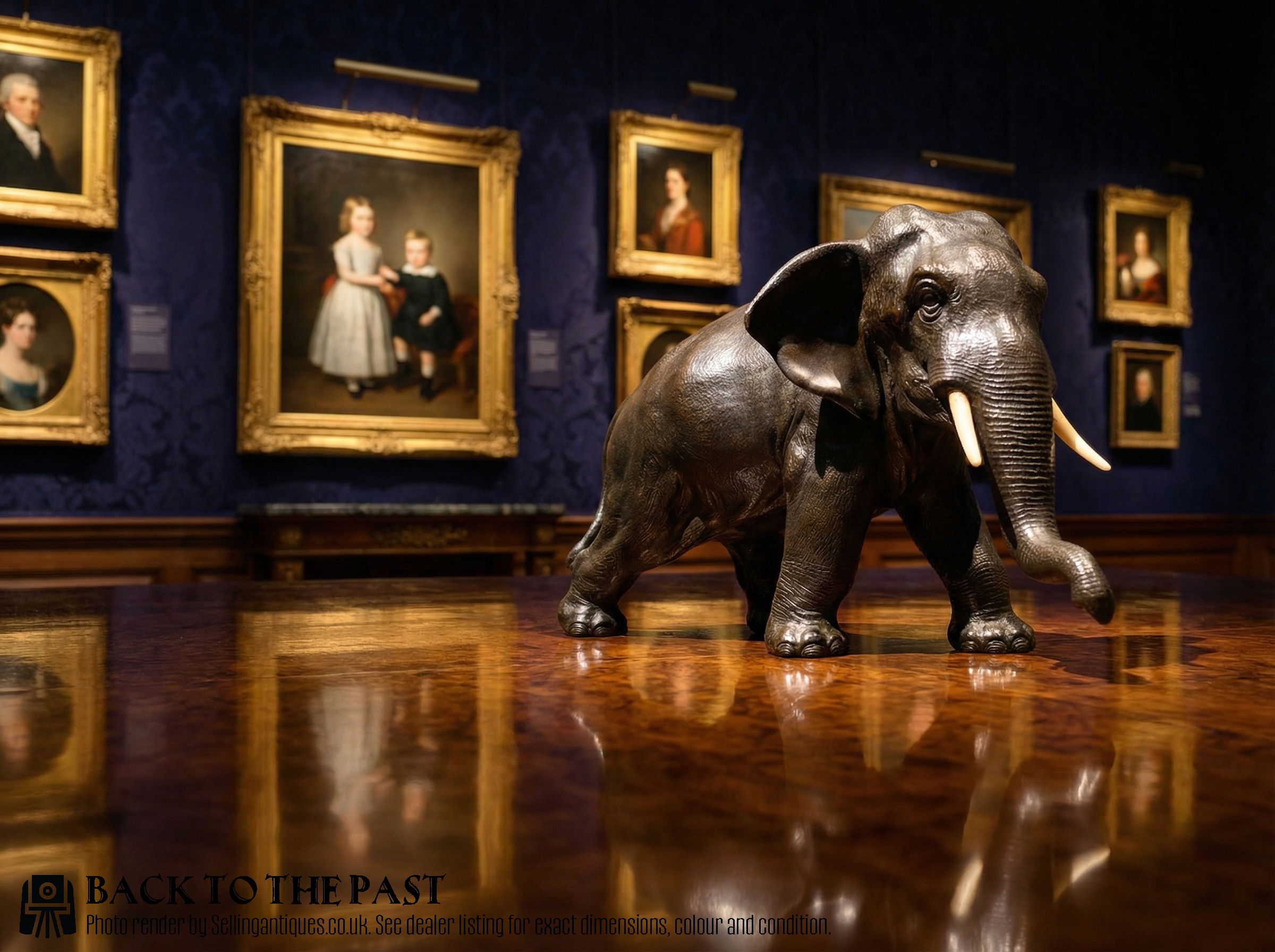
Elephants cast in bronze stand ready to guard your mantelpiece without needing any peanuts.
What varies in quality
Quality in japanese antique metalwork rests upon the precision of the casting and the fineness of the decorative inlay work. Pieces that display confident sculptural shaping and balanced proportions stand apart from simpler or less articulated examples.
The integration of secondary materials, such as silver inlay on a bronze ground, reveals the maker's technical mastery. Superior items maintain clean lines and secure, flush inlay across the metallic body.
KANASAWA
The Japanese Metalwork Glossary
- Bronze
- An alloy of copper and tin widely utilised for casting vessels and sculptural figures in Japanese metalwork. This durable metal takes patination and inlay exceptionally well.
- Inlay
- A technique where contrasting materials, such as silver, are embedded into recesses cut into the base metal surface. This creates intricate decorative patterns across vases and cases.
- Meiji Period
- A historical era spanning from 1868 to 1912 noted for expansive artistic production and technical refinement. Metalwork from this time often exhibits detailed figurative and sculptural qualities.
- Edo Period
- A historical era spanning from 1603 to 1867 characterised by distinct traditional craftsmanship. Pieces originating from this time demonstrate early decorative approaches.
Frequently Asked Questions
What periods do these metalwork pieces cover?
The available items span from the 18th century Edo period through the 19th century and the Meiji period into the Edwardian era. This timeline reflects shifting aesthetic preferences and production methods.
Each period brings distinct stylistic characteristics to the bronze, silver, and gold objects.
How were spectacle cases constructed?
Spectacle cases combine metallic bodies with components like silk cord and bone. Makers applied metalworking and inlay techniques to create functional personal accessories.
These pieces demonstrate how decorative metalwork was adapted for daily personal use.
What materials are used in these items?
Bronze, silver, and gold form the primary metallic medium for these pieces. Artisans frequently added silver inlay for visual detail.
Secondary materials like wood, bone, and silk cord also appear in the construction of specific objects.