



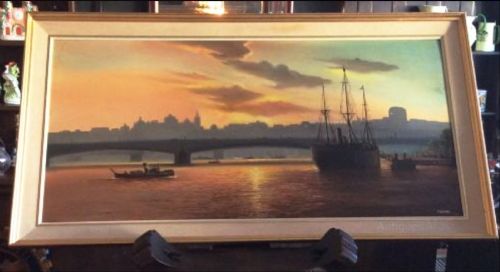
Maritime Wall Art Painting
Maritime wall art painting brings the power of the open sea and historic harbours into a room through nineteenth and twentieth century oils and watercolours.
Maritime Wall Art Painting
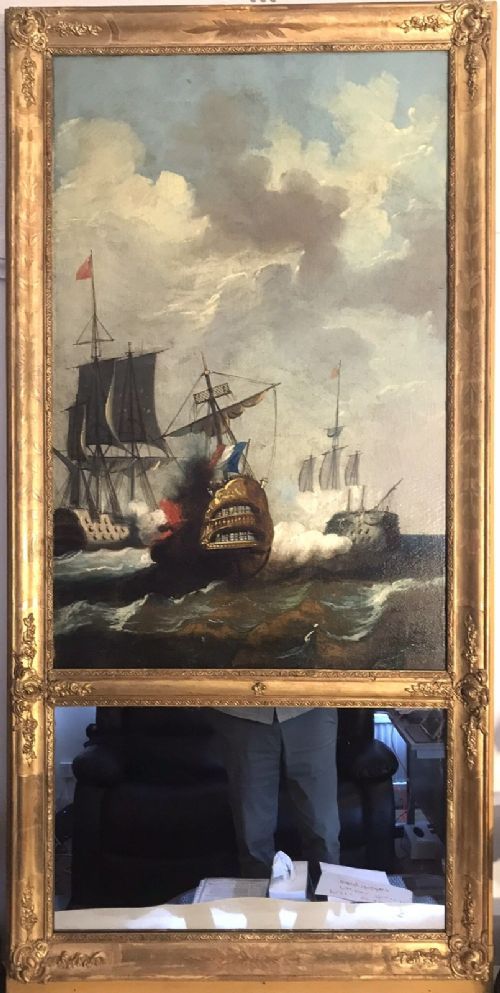
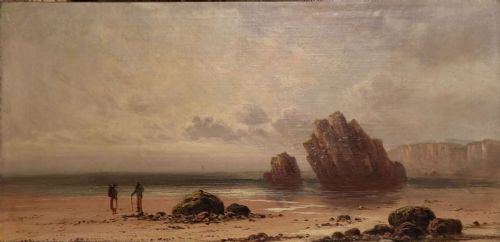
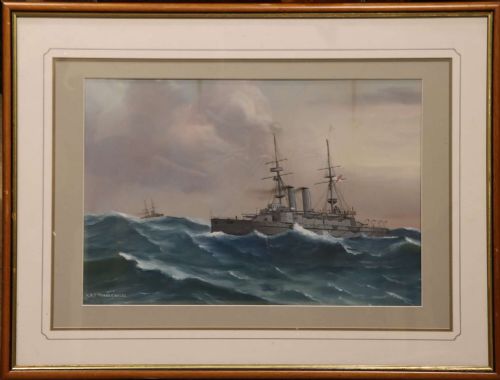
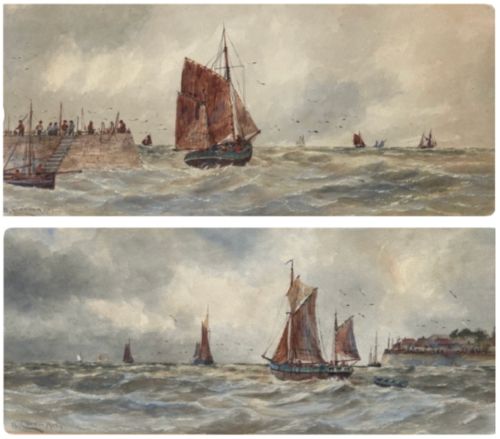
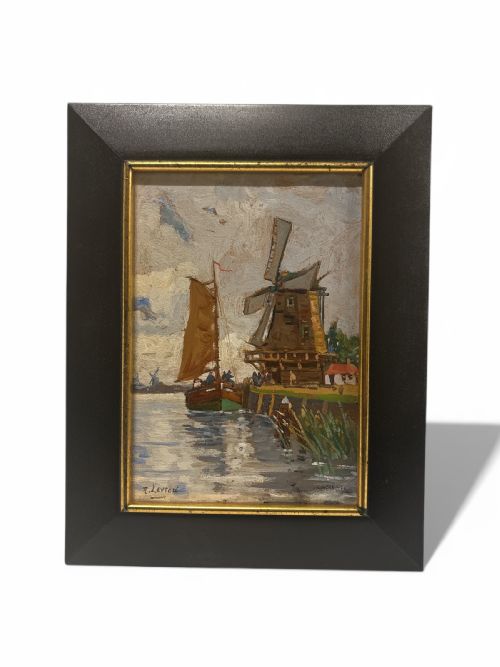
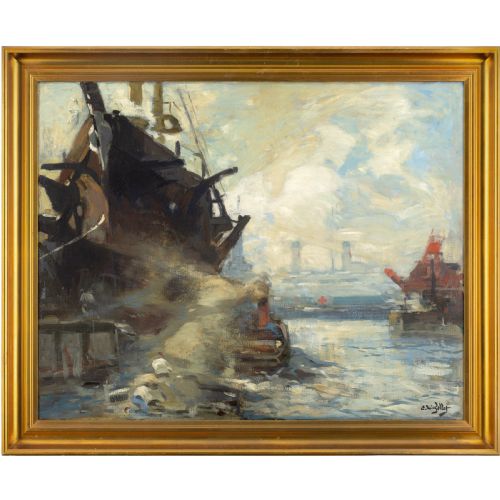
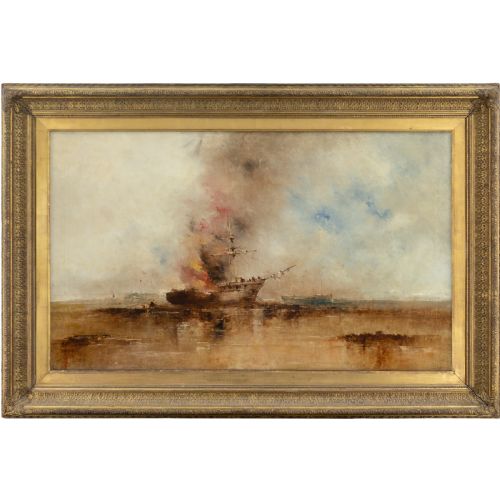
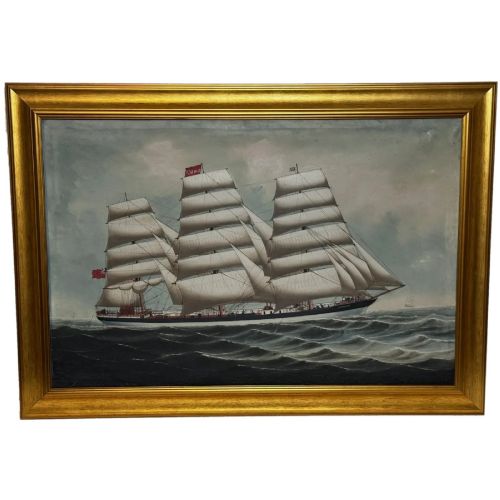
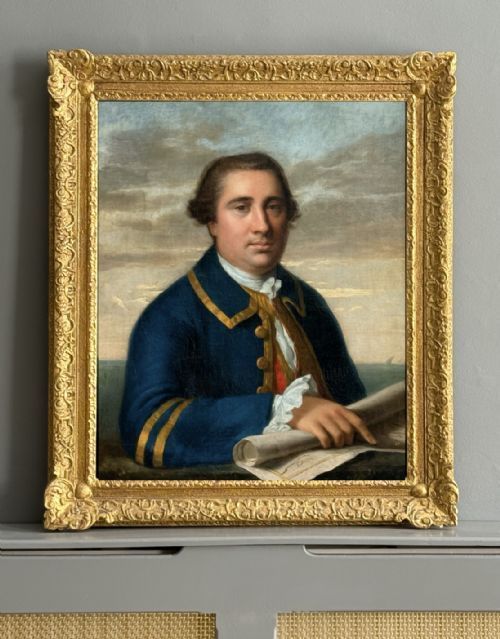
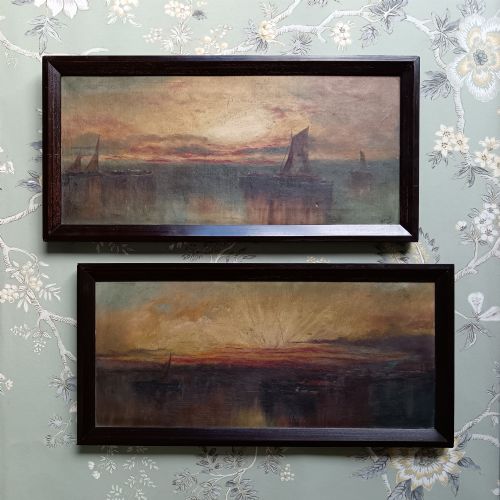
When searching for maritime wall art painting, collectors examine historical depictions of naval warships, merchant vessels, and coastal fishing boats set against changing seas. These works range from detailed nineteenth century watercolours of Cornish harbours to dramatic twentieth century oil paintings of ships in storms.
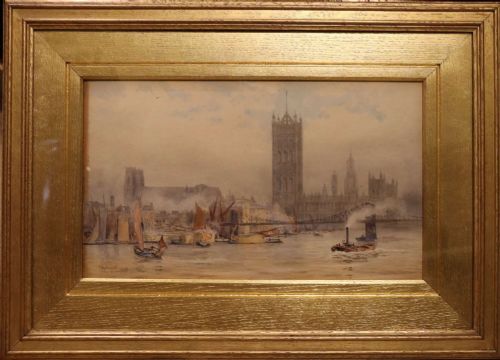
The most common examples on this page are nineteenth century and Edwardian oil paintings and watercolours on canvas, panel, and paper. They capture British and European coastal scenes, naval engagements, and quiet estuaries using traditional mediums.
Subjects span from grand naval scenes like the Battle of the East China Seas to local harbour views in St Ives, Brighton, and foreign ports such as Valletta and Palermo. Each piece documents a specific era of maritime history through the eyes of contemporary artists.
What varies in quality
Quality in these paintings rests upon the artist's command of light, atmosphere, and maritime anatomy. Superior works capture the weight of water, the correct rigging of vessels, and the specific play of daylight on canvas with confident brushwork.
The strength of composition and the handling of perspective distinguish ambitious large-scale statements from modest topographical records. An accomplished hand brings motion and authenticity to the sea, making historical events or coastal scenes convincing to the viewer.
Listed works span the nineteenth century, Edwardian era, and mid-twentieth century, utilising oil on canvas, watercolour, and gouache.
James Hardy·Kenneth Cozens·James Orrock·William Cannon·Eugène-Louis Gillot·William McAlpine·Lemuel Francis Abbott·John E. Aitken·Eric Tufnell·William Banks Fortescue·John Rose Miles·James Kay·William Broome·Bernard Gribble·Bonaventura Peeters·Francis Moltino·Paul Bret·Francis Hayman·Willem Bos·Donald McIntyre
The Maritime Wall Art Painting Glossary
- Impasto
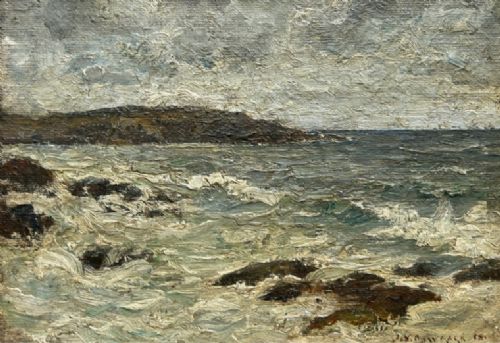
- Paint applied thickly to a canvas or board so that it stands out from the surface. This technique gives texture to crashing waves and billowing smoke in stormy marine scenes.
- Gouache
- An opaque water-based paint that dries to a matte finish. It is frequently combined with watercolour on paper or board to add solid highlights to ships and coastal buildings.
- Panel
- A flat wooden board used as a rigid support for oil paintings instead of stretched canvas. Panels were favoured by artists working outdoors or on smaller cabinet pieces.
- Seascape
- A work of art that depicts the sea, ships, or coastal views. It forms the primary category for maritime paintings alongside harbour scenes and naval portraits.
- Gilt wood
- Wood carved and coated with gold leaf or a gold-coloured finish to form a decorative frame. These frames often accompany nineteenth century paintings to complement the artwork.
Maritime Wall Art Painting: Frequently Asked Questions
What subjects do these maritime paintings show?
These works depict a wide variety of nautical subjects including naval warships, merchant steamers, fishing boats, and bustling international harbours. Artists recorded everything from calm coastal estuaries to violent storms at sea.
Many pieces also capture historical vessels, local coastal landmarks, and specific maritime events such as naval battles or wartime hospital ships.
How do I date a maritime painting?
Dating relies on the artist's active period, the style of the frame, and the type of vessel depicted in the scene. Steamships, specific naval uniforms, and architectural details offer clear clues to the decade.
Signatures, exhibition labels on the reverse, and the chosen medium of oil or watercolour further help narrow down the exact era of creation.
Where should I hang a maritime painting?
These artworks suit studies, living rooms, and hallways where their historical narratives and coastal colours can be appreciated up close. Placing them away from direct sunlight protects oil pigments and delicate watercolours from fading.
Pairing the frame style with your room's existing decor helps integrate these historic pieces into a modern interior space.
What is the difference between an oil and a watercolour marine painting?
Oil paintings use thick pigments on canvas or panel, offering rich textures, deep tones, and high durability. They excel at capturing dramatic skies and churning seas with heavy impasto.
Watercolours utilise translucent washes on paper or board, creating a lighter, luminous quality that captures coastal air and calm reflections with immediacy.