



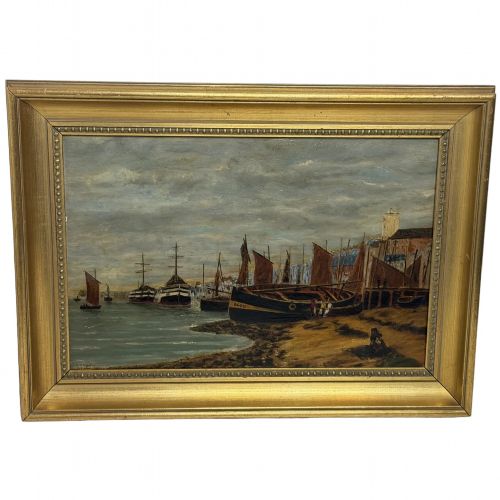
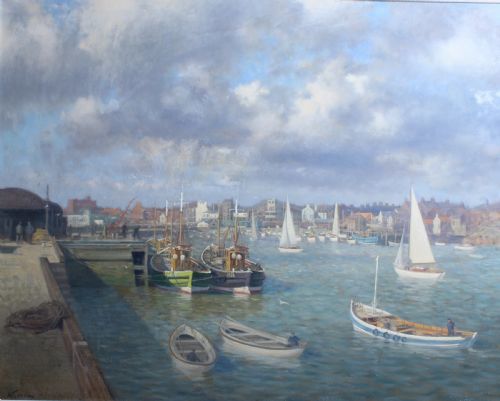
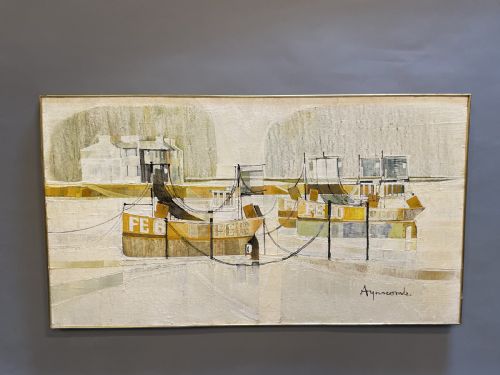


Coastal Harbour Oil Painting
A coastal harbour oil painting captures the salt air, shifting light and working vessels of the maritime world upon canvas or panel.
Coastal Harbour Oil Painting
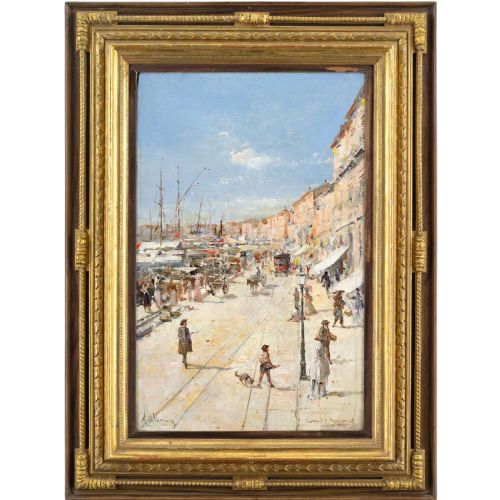
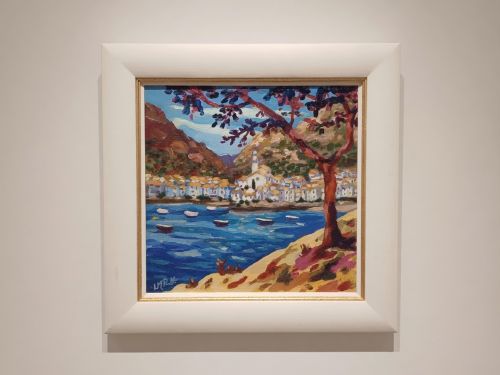
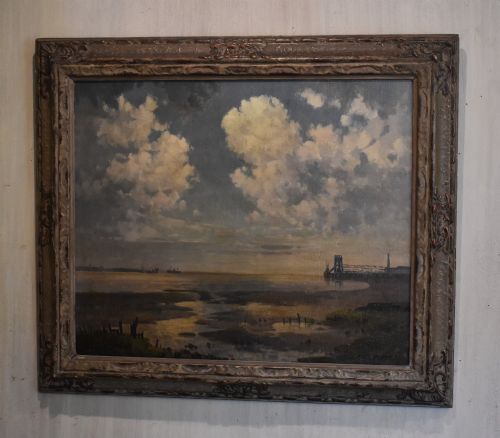
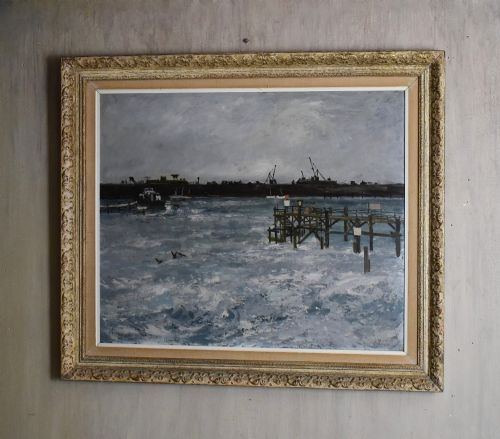
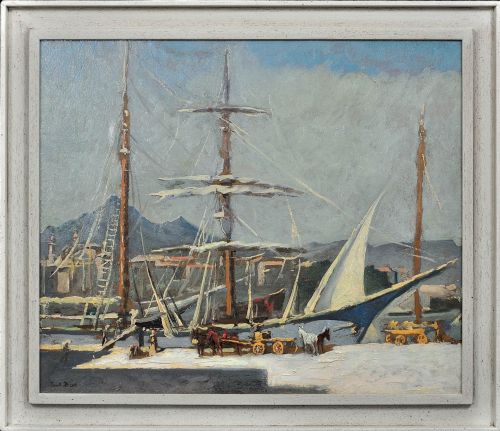
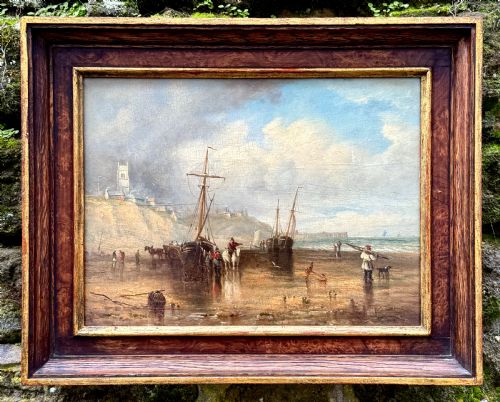
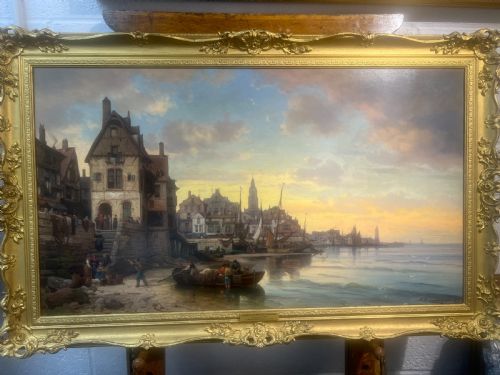
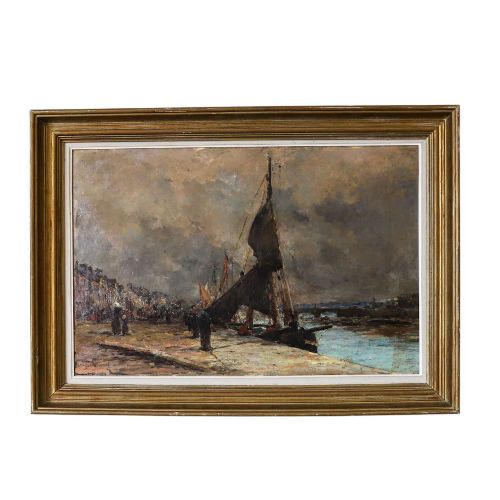
A coastal harbour oil painting records maritime life, busy quays and coastal views from various historical periods. The selections here range from nineteenth-century shipping scenes to mid-century impressionist interpretations of British and European ports.
Buyers encounter works on canvas, wood panel and board, framed in period gilt wood or simple mouldings. These pieces show locations from Cornish fishing villages to Mediterranean harbours, painted by both named artists and skilled amateurs.
How They Were Made
Artists apply oil paint to prepared surfaces of woven canvas, wooden panels or thick boards using bristle brushes and palette knives. This medium allows for smooth blending of sea and sky as well as heavy, textured impasto marks for waves and masonry.
Frames are constructed from wood and finished with gesso and gold leaf or plain paint, serving to protect the edges of the canvas and complete the presentation of the artwork.
Coastal Harbour Oil Painting Retail Price Guide 2026
Typical asking prices for coastal harbour oil painting among the pieces listed under this phrase on Sellingantiques today, from the lower quarter to the upper quarter. They describe what is for sale here now, not the wider market.
Several harbour scenes include remarkably detailed miniature sailors who appear to be arguing loudly over a coil of rope.
What Varies in Quality
Quality rests in the artist's handling of natural light, atmospheric perspective and the convincing movement of water against wood and stone. Stronger works demonstrate confident brushwork and accurate proportion in vessels and architecture, whereas weaker pieces rely on stiff outlines and flat colour.
The survival of the original surface condition, minimal retouching and an appropriate period frame also distinguish superior examples from heavily restored or later mounted canvases.
James Hardy·Kenneth Cozens·Augusto Alberici·Lucy Pratt·Clive Browne·Peter Brannan·Paul Bret·Thomas Creswick·Charles Euphraisie Kuasseg·Walter Goodin·William Edward Webb·Edward Matthew Elliott·Gyrth Russell·Jean Baptiste Olive·Raymond Picque·James Fry·George Turland Goosey·James Kyd·Adrian Van Porten·Stanley Leader·Donald McIntyre·Doyly John·T S Wallis·John Bell·James Webb
The Coastal Harbour Oil Painting Glossary
- Impasto
- Paint applied thickly to a canvas or board, standing out in relief from the plane and holding the distinct marks of the brush or knife.
- Panel
- A flat piece of wood used as a rigid support for oil painting, common in nineteenth-century works before canvas became universal.
- Gilt wood
- Carved timber finished with a thin layer of gold leaf or metallic powder, frequently used for traditional picture frames.
- Seascape
- A work of art depicting the sea, shipping, coastlines or marine views as the primary subject matter.
Coastal Harbour Oil Painting: Frequently Asked Questions
Can I hang these in direct sunlight?
Direct sunlight causes pigments to fade and accelerates the yellowing and cracking of old varnish over time.
Wall spaces with indirect, ambient light provide a safer environment for preserving the colours and integrity of the paint.
How do I identify the period?
Clues appear in the construction of the wooden stretcher or panel, the type of canvas weave, and the composition of the framing materials.
Clothing styles of figures on the quayside, the types of vessels moored in the harbour, and the artist's signature or exhibition labels further narrow down the date.
Are these works always signed?
Many marine and coastal works carry a signature or monogram in the corner, though a significant number remain entirely unsigned by the artist.
Unsigned paintings are often attributed through style, subject matter, old gallery labels on the reverse, or matching archival records.