



Framed Coastal Landscape Picture
A framed coastal landscape picture brings the movement of the sea and the light of the shore directly onto a room's wall.
Framed Coastal Landscape Picture
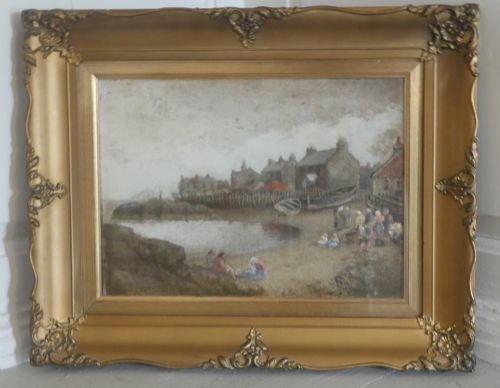
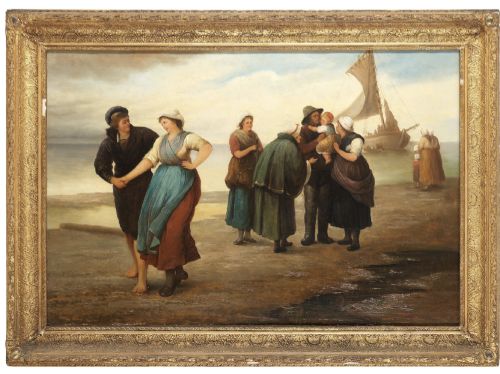
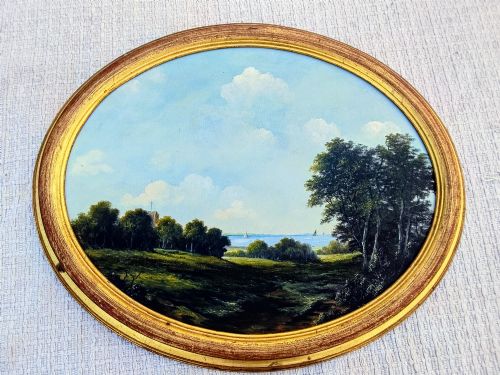
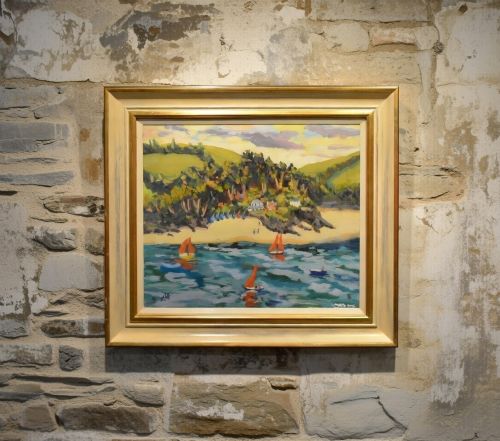
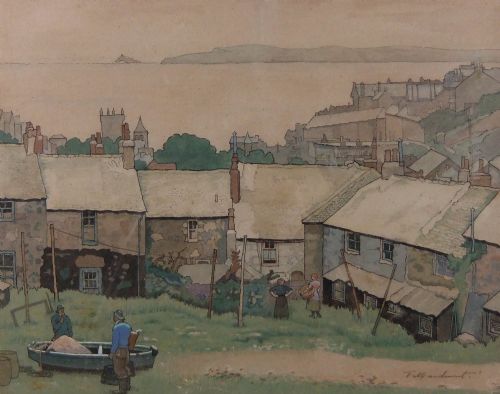
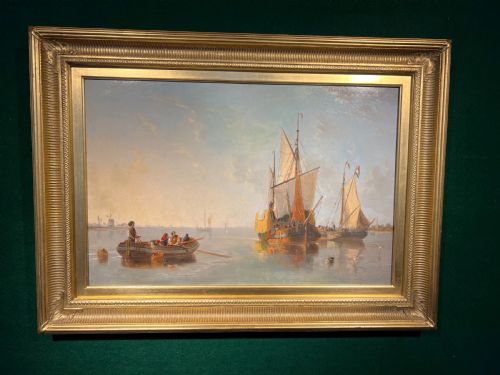
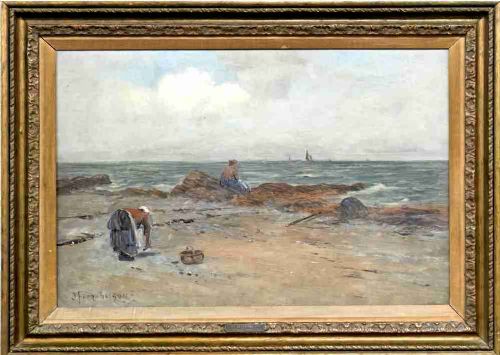
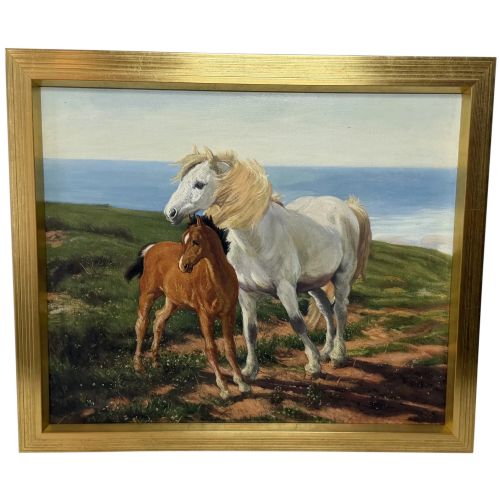
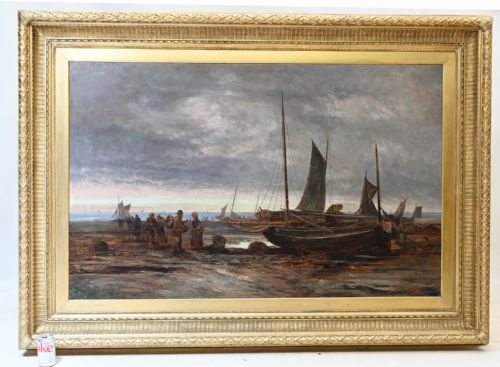
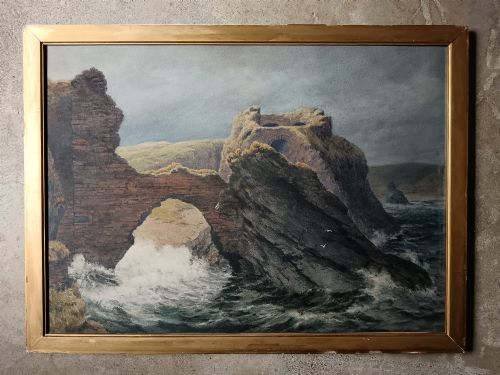
When searching for a framed coastal landscape picture, a buyer encounters works spanning the nineteenth century through the mid-twentieth century, including Victorian maritime art and British impressionism. These pieces capture harbours, cliffs, and coastal villages in varied weather, often framed in period wood or gilt moulding.
The most frequent examples on this page are nineteenth-century watercolours and oil paintings depicting British and European shores. Subjects range from busy fishing ports to quiet estuaries, preserved behind glass or mounted on canvas.
These artworks reflect shifting artistic interpretations of the sea, moving from detailed topographical views towards looser impressionistic treatments of light and atmosphere.
Materials and technique
Artists employed oil paint on canvas or board to build rich textures and deep tones for dramatic maritime scenes. Watercolours on paper offered a lighter medium for capturing translucent coastal light and atmospheric skies.
Finished works were traditionally secured within wooden frames, frequently finished with gilt gesso to complement the artwork. Glass protected fragile paper watercolours from moisture and dust over decades of display.
Listings feature works spanning the nineteenth century through the mid-twentieth century, utilising oil paint, watercolour, canvas, and gilt wood.
What varies in quality
The skill of the brushwork and the confidence of the composition distinguish finer works from standard decorative pieces. Master painters manipulated light, water movement, and perspective with precision, whereas lesser examples rely on formulaic repetition.
The integrity of the original period frame and the preservation of the paper or canvas surface influence the overall character of the piece. Well-maintained watercolours retain their original paper tone and pigment vibrancy without heavy fading.
John Wilson Carmichael·Joseph Farquharson·William Lee Hankey·James Webb·Gustave De Bréanski
The Framed Coastal Landscape Picture Glossary
- Watercolour
- A painting method where fine pigment is suspended in a water-based, translucent solution applied to paper.
- Gilt Wood
- Timber framing coated with a thin layer of gold leaf or metallic gilt paint, common in nineteenth-century presentation.
- Maritime Art
- Depictions of the sea, ships, and coastal environments, encompassing both calm harbours and stormy waters.
- Canvas
- Heavy woven fabric stretched across a wooden stretcher bar to serve as a durable support for oil paint.
- Impressionism
- A style focusing on the accurate depiction of light and its shifting qualities rather than fine detail.
Framed Coastal Landscape Picture: Frequently Asked Questions
How do I date a coastal painting?
Examine the materials, pigments, and the style of the wooden frame. Canvas types and stretcher construction often indicate specific manufacturing decades.
Signatures, inscriptions on the reverse, and artist biographical dates provide the most reliable chronological markers for authentic pieces.
Are watercolours more fragile than oils?
Paper watercolours are sensitive to direct sunlight and moisture, requiring protective glass and careful placement away from windows. Oil paintings on canvas are more robust, though they still benefit from stable indoor humidity.
Both mediums survive well when kept in appropriate environmental conditions without extreme temperature shifts.
Where should I hang a coastal picture?
Select an interior wall with indirect lighting to protect delicate watercolours from fading over time. Pairing the piece with neutral wall colours helps the painted tones stand out clearly.
Ensure the hanging height places the centre of the picture at comfortable eye level for viewers in the room.
What subjects appear in these scenes?
Common subjects include bustling fishing harbours, rocky cliffs, sandy estuaries, and ruined coastal castles. Many works record specific locations along British and European shores.
Artists frequently added figures such as local fishermen, women gathering bait, or sailing vessels navigating coastal waters.