




19th Century Irish Art
19th century irish art captures the cultural landscape and notable figures of the era through expressive oils and delicate watercolours.
19th Century Irish Art
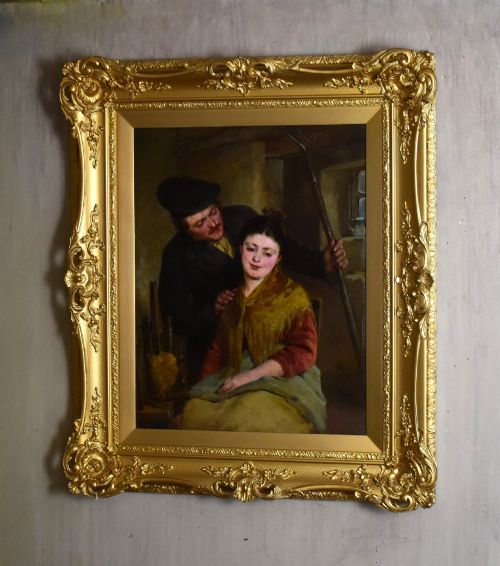
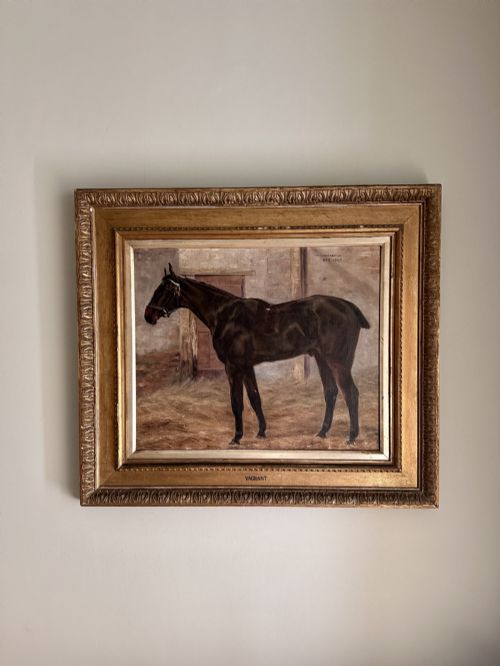
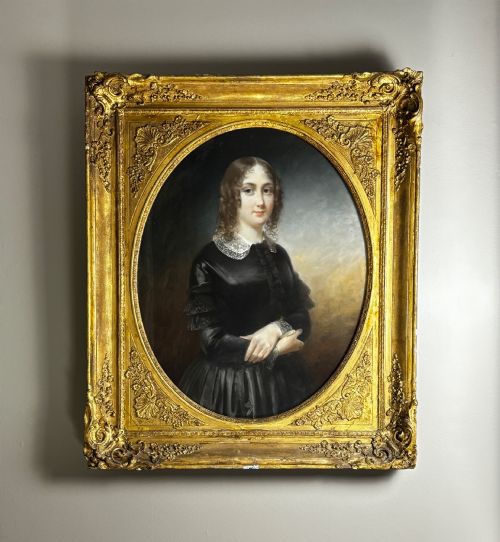
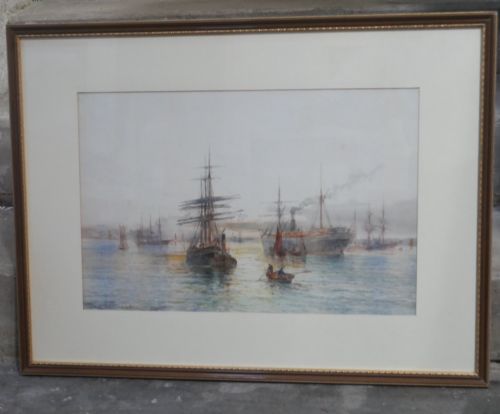
When you search for 19th century irish art, you encounter a diverse collection of oil paintings, watercolours, portraits, and sketches originating from Irish creators and subjects. These works document maritime scenes, architectural studies, and significant historical figures.
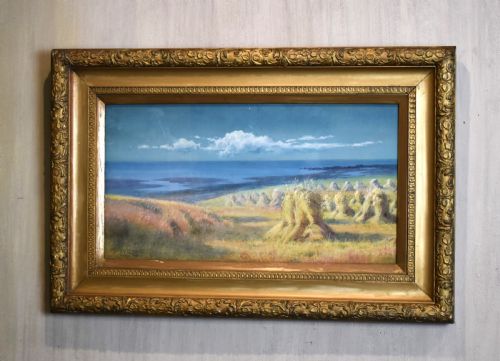
The pieces on this page span the Victorian period and the wider nineteenth century, reflecting both romantic landscapes and precise portrait miniatures. Rural scenes and coastal views frequently appear alongside formal likenesses of politicians and physicians.
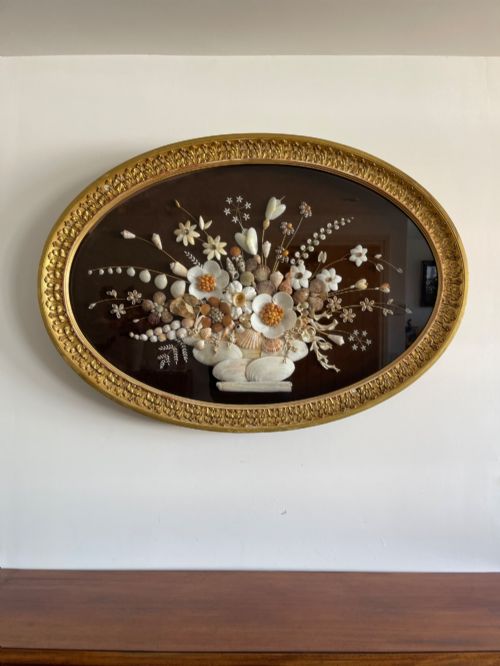
Beyond framed wall art, related items such as shellwork pictures and sculptural bronze representations occasionally surface within this category. Each medium offers a distinct window into nineteenth-century visual culture on the island.
Materials and Techniques
Paintings in this category rely primarily on oil on canvas, oil on panel, and watercolour pigment applied to paper. Artists utilised these mediums to capture atmospheric light in coastal scenes and detailed textures in portraiture.
Works on paper frequently incorporate pencil sketching and watercolour washes, often mounted within traditional frames of wood or giltwood. Shellwork pictures demonstrate alternative tactile compositions using natural marine elements.
Irish shellwork pictures bring Victorian parlour creativity indoors, transforming tiny coastal treasures into intricate decorative wall art.
Assessing Quality and Execution
Quality in these artworks rests upon the draughtsmanship, the handling of light and shadow, and the preservation of the pigment. Stronger examples display confident brushwork and secure provenance linking the piece to documented makers or exhibitions.
The depth of character in portraiture and the topographical accuracy in landscape watercolours distinguish finer works from standard decorative pieces. Original condition and minimal restoration further elevate the standing of an individual artwork.
Howard Helmick·Fred Fitzpatrick·Frederick Buck·Robert Richard Scanlan·Sir Francis Leggatt Chantrey·Peter Ghent·Arthur Alfred Davis·John E. Bosanquet·Joseph William Carey·James Arthur O'Connor·Arthur Waagen
The 19th Century Irish Art Glossary
- Portrait miniature
- A small, highly detailed painting, often executed on ivory, vellum, or card, capturing the likeness of an individual. These personal items required exceptional precision and fine brushes.
- Watercolour pigment
- Colouring material suspended in a water-soluble binder, used extensively for landscapes and preliminary sketches. It allows for translucent washes and delicate tonal gradations.
- Oil on canvas
- Pigment bound in an oil medium applied to a stretched woven fabric support. This technique provides rich colour depth and durability.
- Giltwood
- Wood carved and covered with a thin layer of gold leaf or gold paint. It forms the decorative framing surrounding many traditional paintings and mirrors.
- Provenance
- The documented history of ownership of an object, establishing its authenticity and origin. A clear record enhances the historical value of a piece.
19th Century Irish Art: Frequently Asked Questions
What subjects appear in these paintings?
The artworks encompass coastal views, rural Irish landscapes, and architectural studies alongside formal portraits of notable historical figures. Marine scenes and genre paintings also feature prominently across the collection.
These diverse subjects reflect the varied interests of nineteenth-century artists working in Ireland and abroad.
How should watercolour art be displayed?
Watercolours require careful placement away from direct sunlight to prevent the fading of delicate pigments on paper. Framing behind protective glass shields the surface from atmospheric dust and moisture.
Maintaining stable indoor humidity levels further preserves the integrity of both the paper and the surrounding mount.
Are these works signed by the artists?
Many pieces retain original signatures, monograms, or studio stamps that identify the creator. Documentation on the reverse or accompanying labels often verifies the attribution.
Unsigned works are evaluated through stylistic comparison, technique, and historical provenance.
What frames are typical for this period?
Traditional framing often consists of carved wood or giltwood surrounds that complement the aesthetic of the nineteenth century. These housings range from simple moulded profiles to ornate decorative designs.
Original frames contribute significantly to the historical context of the artwork they enclose.