




Victorian Irish Artwork
Victorian Irish artwork brings nineteenth-century scenes and portraits into the room, offering a direct link to the island's painters and printmakers.
Victorian Irish Artwork
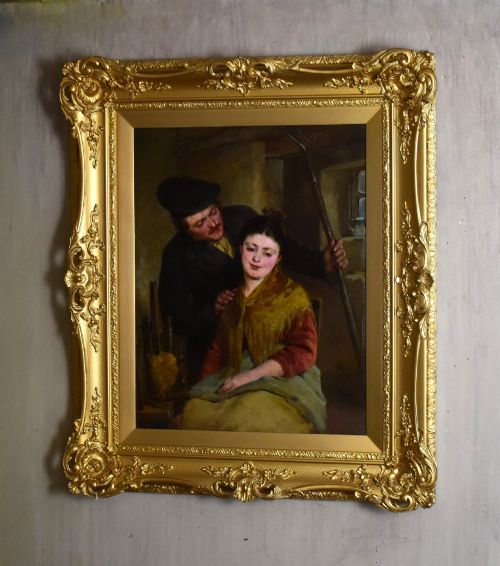
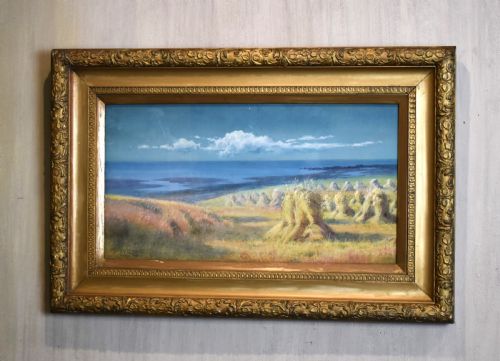
When you search for Victorian Irish artwork, you encounter paintings, oil paintings, wall art, and watercolour paintings from the nineteenth century. These framed pieces and framed prints capture maritime views, topographical landscapes, sporting subjects, and genre scenes.
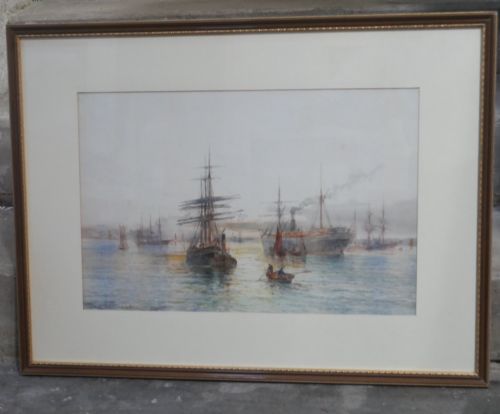
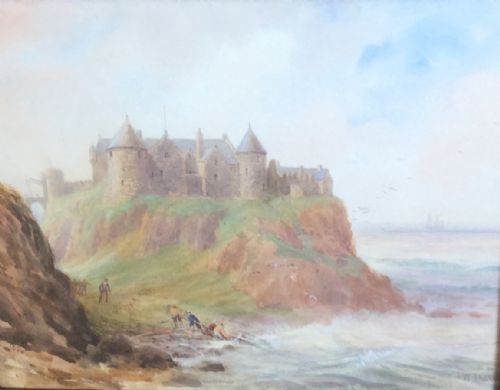
You are most likely to meet watercolours and oil paintings on this page, often signed by artists active in Dublin and regional counties. The subjects range from local coastlines like Dublin Bay and Ballyholme Bay to notable historical portraits.
The material record includes paper, wood, glass, and canvas, frequently housed within gilded wood and gesso frames. These works reflect the breadth of nineteenth-century realism and maritime art produced across the period.
How they were made
Makers utilised traditional canvas and paper grounds for oils and watercolour pigments, applying media with fine brushes to capture intricate details. Canvas works employ oil paints built up in layers, while watercolours rely on delicate washes on paper.
Frames play a structural and aesthetic role, constructed from wood and finished with gesso and gilded details. These surrounds protect the paintings and engravings while providing the period aesthetic expected of nineteenth-century framed art.
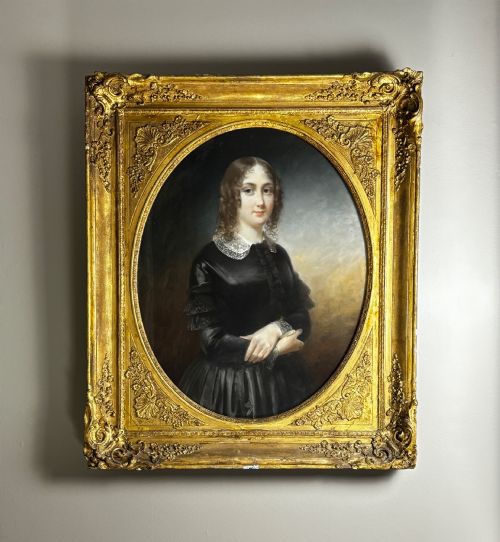
At least one nineteenth-century portrait on record depicts the personal physician to Queen Victoria.
What varies in quality
The strength of the composition and the handling of light and pigment distinguish finer paintings from simpler topographical records. Masterful brushwork in an oil portrait or a detailed coastal watercolour elevates a piece above standard decorative prints.
The condition of the original paper, canvas, and framing adds to the standing of a piece. Intact gilded wood and gesso frames retain their historical character, whereas heavy restoration or degraded pigment alters the visual balance.
Howard Helmick·Fred Fitzpatrick·Sir Thomas Newenham Dean·Robert Richard Scanlan·Peter Ghent·John E. Bosanquet·Joseph William Carey
The Victorian Irish Artwork Glossary
- Watercolour pigment
- A colour medium suspended in a water-soluble binder, applied to paper to create translucent washes and fine details. It defines much of the lighter wall art on this page.
- Gilded wood
- Timber coated with a thin layer of gold leaf or gold-coloured metal, often used for ornate picture frames. It provides a warm border that enhances the painting within.
- Gesso
- A plaster-like mixture applied to wood frames to create a smooth surface for gilding and moulding decorative details. It allows for crisp relief work around the edge of the artwork.
- Genre art
- Paintings that depict scenes from everyday life, ordinary people, and familiar domestic or rural settings. These works focus on narrative rather than formal portraiture.
- Topographical landscape
- An accurate representation of a specific geographical location, recording buildings, terrain, and coastal views. These pieces serve as visual records of nineteenth-century places.
Victorian Irish Artwork: Frequently Asked Questions
What subjects appear in Victorian Irish artwork?
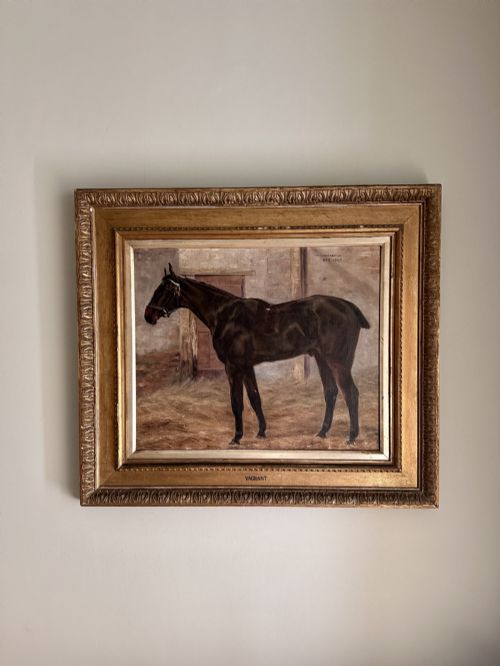
The subjects include coastal views, maritime scenes, equine portraits, and local genre pieces. Artists recorded specific locations such as Dublin Bay and Dunluce Castle alongside individual figures.
Portraits of notable historical figures also feature, providing a record of society during the nineteenth century.
How do I identify a period watercolour?
Period watercolours typically use paper supports with visible ageing, watercolour pigments, and period handwriting or signatures. They often arrive in original or period-appropriate frames.
Examining the paper substrate and framing materials helps confirm the nineteenth-century origin of the work.
How should I hang these paintings?
Keep these works away from direct sunlight and damp environments to protect the paper, canvas, and watercolour pigments. Stable room temperatures prevent the wood and gesso frames from cracking.
Secure hanging wire to wall studs or use appropriate fixings to support the weight of framed oils and engravings safely.
Are engravings different from paintings?
Engravings are printed works produced from an etched or carved plate rather than unique hand-painted compositions. They offer multiple impressions of an artist's design on paper.
Paintings are singular works created directly with oil on canvas or watercolour pigment on paper.