




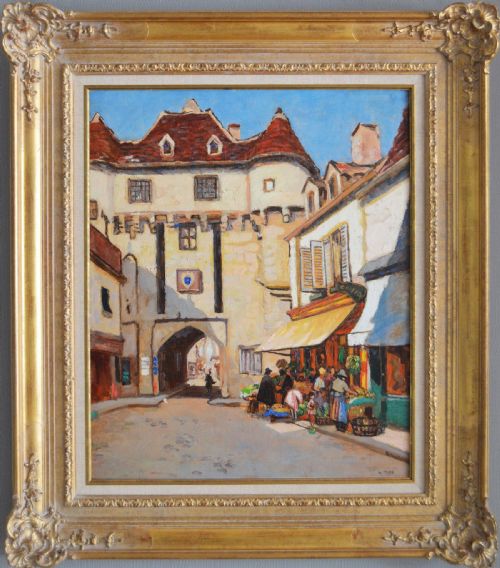
Antique Irish Fine Art
Antique irish fine art encompasses centuries of painted portraiture, landscapes and miniatures created with oil on canvas, paper and panel.
Antique Irish Fine Art
Antique irish fine art includes oil paintings, watercolour paintings and portrait miniatures spanning from the late seventeenth century through to the mid-twentieth century. Buyers encounter works ranging from early Anglo-Irish portraits of lords and judges to Victorian depictions of society figures.
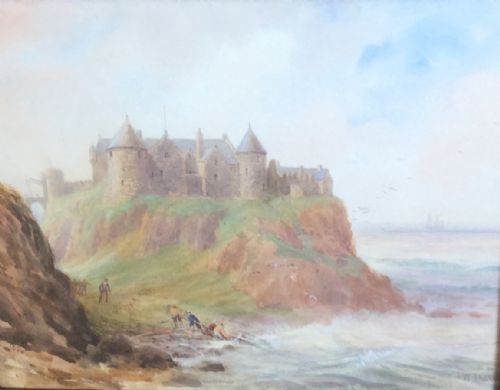
Landscapes form a distinct group within antique irish fine art, featuring watercolour and oil mediums capturing pastoral scenes and coastal settings. Artists recorded rural life and specific topographical locations such as Dunluce Castle.
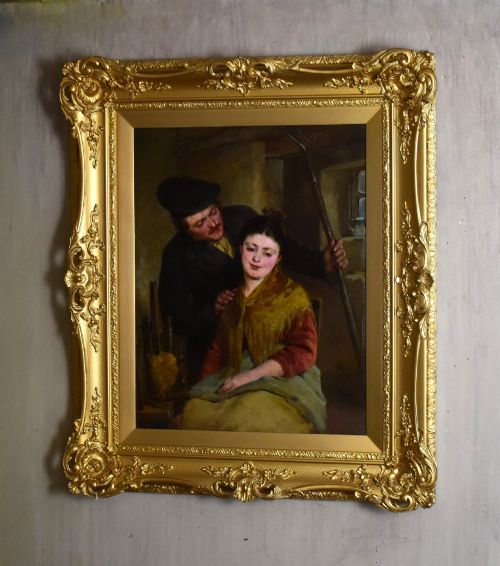
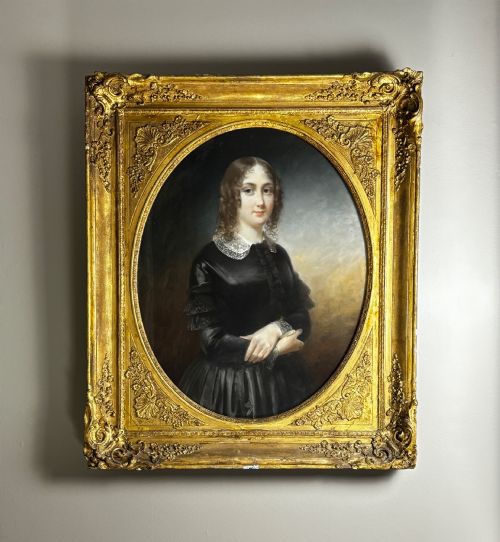
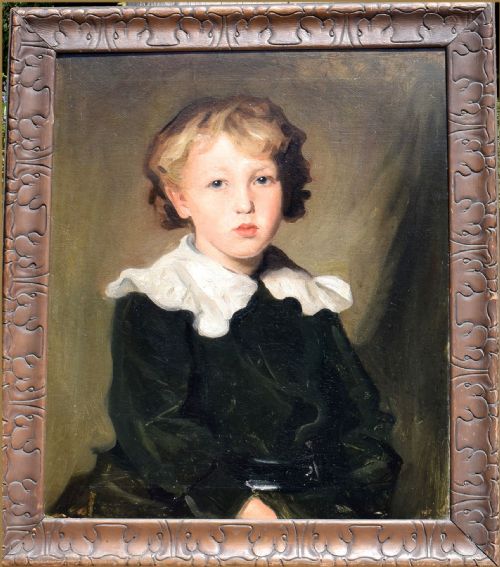
Portraiture dominates the selection of antique irish fine art, presenting sitters from various eras including Georgian and Edwardian periods. These works capture subjects from nobility and the legal profession to everyday figures through the hands of named painters and anonymous circles.
How they were made
Makers utilised oil on canvas, panel and paper as the primary grounds for their paintings, applying pigments with varied brushwork. Watercolours on paper provide a lighter medium frequently employed for landscapes.
Frames incorporating gilt and gilt wood complement the paintings and miniatures, enclosing works with decorative borders. Glass protects delicate watercolours and portrait miniatures from environmental damage.
Listings feature works spanning the 17th century to the 1950s, executed in oil and watercolour on canvas, paper and panel.
What varies in quality
The sophistication of the brushwork and the precision of likeness distinguish the execution of portraits and landscapes. Works by established RHA members or recorded practitioners demonstrate distinct compositional control compared to anonymous circle pieces.
The preservation of the original medium, whether oil paint on canvas or delicate watercolour on paper, affects the visual integrity of the artwork. Associated framing in period gilt wood influences the overall presentation.
Howard Helmick·Frederick Buck·Alfred Grey·Sir Thomas Lawrence·Charles McAuley·William Orpen·Joseph William Carey·James Latham·Thomas Hickey·Letitia Marion Hamilton
The Antique Irish Fine Art Glossary
- Oil on canvas
- A painting technique using pigments suspended in a drying oil, applied to a stretched woven fabric support. This method allowed artists to achieve rich colour depth and blended tones.
- Portrait miniature
- A small, highly detailed painting, often executed on ivory, vellum or paper, intended for intimate viewing or portable display. These works required fine brushes and steady execution.
- Watercolour
- A painting method where water-soluble pigments are applied to paper surfaces to create translucent washes. Artists utilised this technique to capture light and atmospheric landscape effects.
- Gilt wood
- Wood carved and coated with a thin layer of gold leaf or metallic powder. This material frequently appears on frames surrounding paintings and mirrors from various periods.
- RHA
- An abbreviation for Royal Hibernian Academy, an Irish institution supporting visual arts and exhibiting works by professional painters. Membership denotes a recognised status within Irish artistic circles.
Antique Irish Fine Art: Frequently Asked Questions
What subjects appear in antique irish fine art?
The selection includes formal portraits of judges, politicians and society figures alongside pastoral landscapes and townscapes. Painters recorded notable individuals and specific places across Ireland and beyond.
Subjects range from seventeenth-century nobility to twentieth-century views, reflecting the changing focus of artists through successive periods.
How are watercolours and oil paintings different?
Oil paintings utilise pigments bound in drying oil applied to canvas, panel or paper, offering rich texture and deep colour saturation. Watercolours employ water-soluble pigments on paper to produce translucent, luminous effects.
Oils typically require heavier stretcher frames, whereas watercolours are mounted behind glass for paper protection.
Which periods do these artworks represent?
The pieces span multiple centuries, starting from the late seventeenth century through the Georgian and Victorian eras into the twentieth century. Specific styles include Baroque, Regency, Realism and Impressionism.
Each period brings distinct clothing styles, portrait poses and landscape techniques that help identify the era of creation.
How do I display portrait miniatures?
Portrait miniatures require controlled environmental conditions away from direct sunlight to prevent fading of the delicate pigments on paper or vellum. They are usually housed behind protective glass within small frames.
Due to their intimate scale, they suit placement in studies or specialised display cabinets where viewers can observe the fine detail.