


Vintage River Landscape Artwork
Vintage river landscape artwork brings natural watercourses and historic bridges indoors, offering painted water views from the nineteenth and twentieth centuries.
Vintage River Landscape Artwork
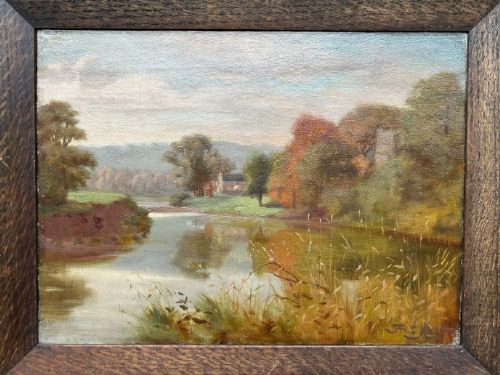
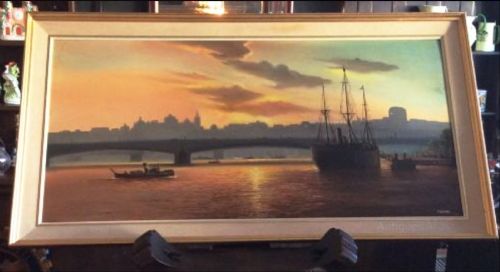
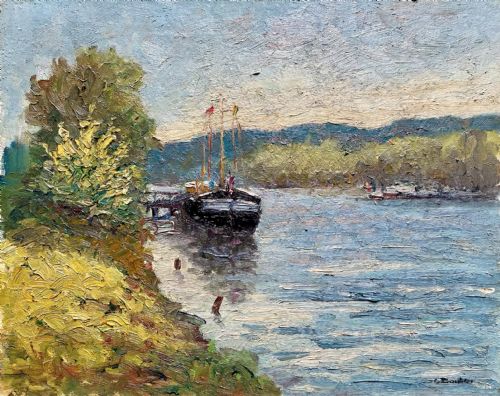
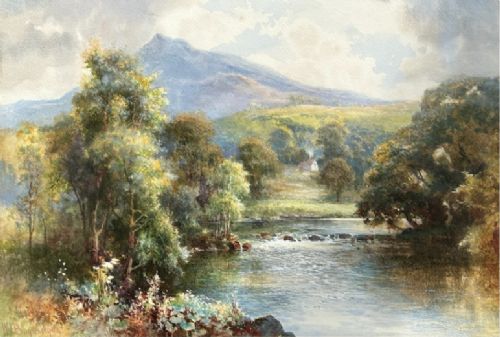
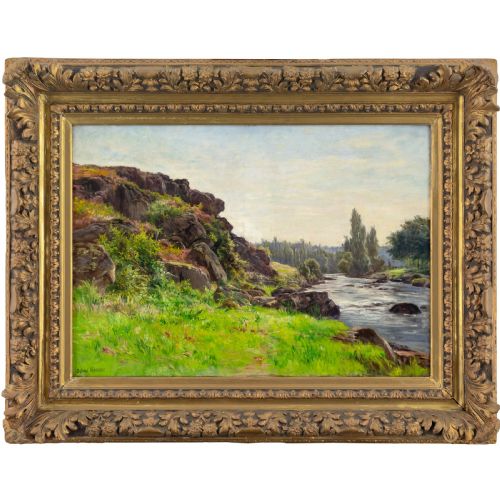
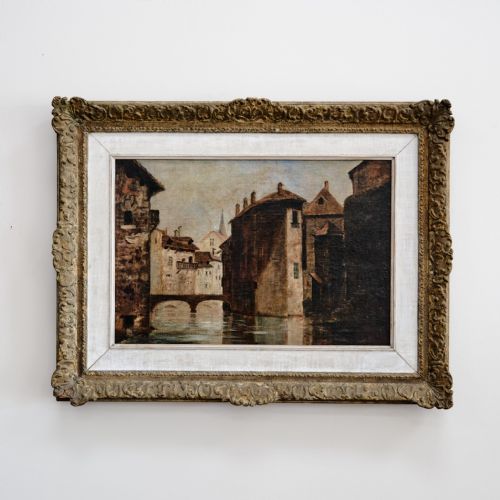
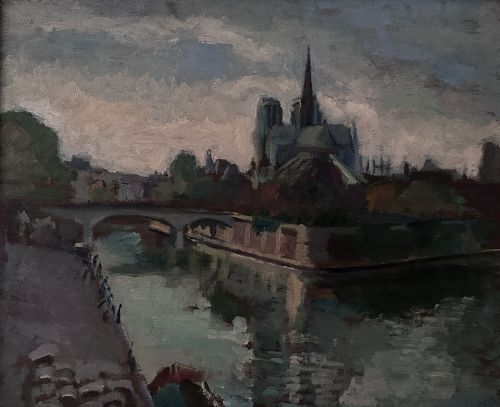
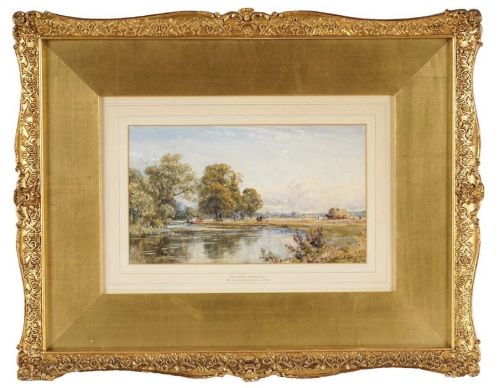
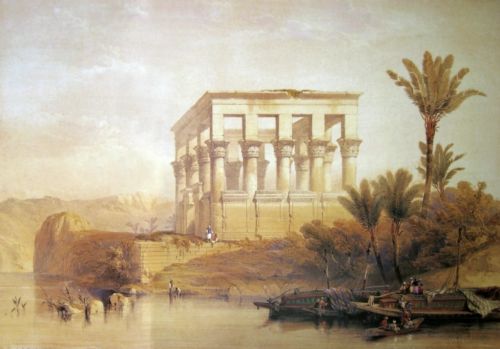
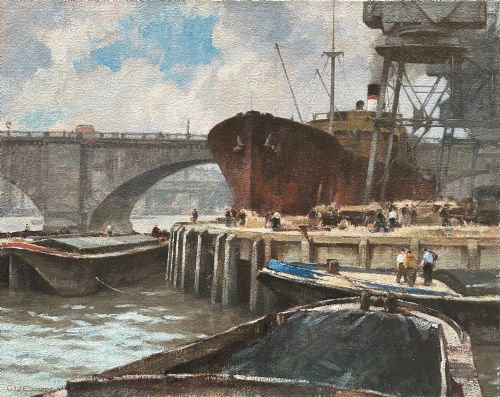
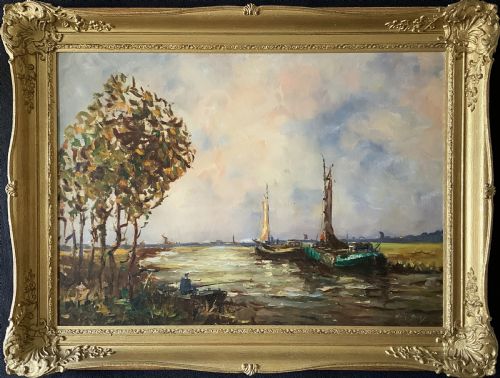
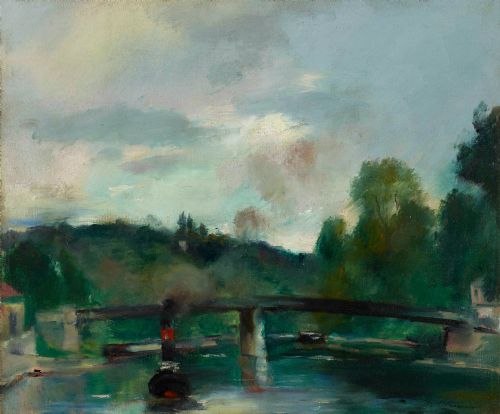
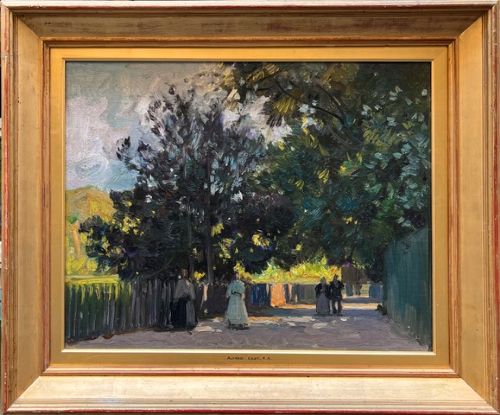
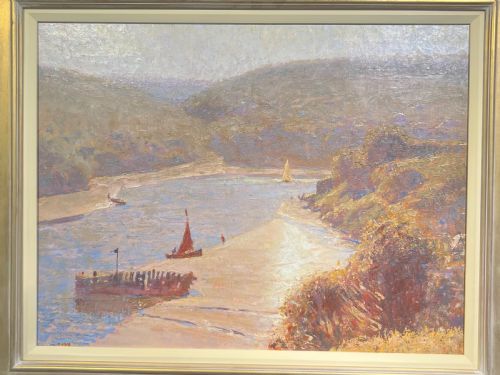
Vintage river landscape artwork centres on framed paintings and watercolours depicting bodies of water, from the Thames and the Seine to canals and Welsh streams. Buyers meet nineteenth-century academic watercolours alongside mid-century Impressionist oil paintings on canvas and wood panel.
The selection ranges from Victorian maritime scenes and Edwardian Welsh landscapes to 1960s French Post-Impressionist views of riverbanks and bridges. These pieces record pastoral waterways, urban bridges and coastal estuaries through the brush of British, French and Dutch artists.
Materials and techniques in execution
Artists painted these works using oil paint on canvas, wood panel and board, or applied watercolour pigments to paper sheets. Many canvases utilise visible brushwork characteristic of Impressionism and Post-Impressionism, while others employ fine detailing in oil or gouache.
Makers framed their compositions with wood surrounds, frequently incorporating applied gesso ornamentation and gilt finishes to complement the painted scenes.
Listings feature works created using oil paint, watercolour, charcoal and gouache across canvas, paper, wood panel and board supports.
Distinctions in quality and execution
Quality rests upon the handling of light on water, atmospheric perspective, and the confidence of the brushwork across the canvas or paper. Stronger examples display adept tonal control in capturing reflections and sky gradients, whereas lesser pieces rely on formulaic foliage and static water surfaces.
The sophistication of the composition and the artist's ability to render architectural elements, such as bridges and distant buildings alongside the river, elevate individual paintings above standard decorative works.
Alfred Young Nutt·Frederick Marriott·William Joseph Boyes·Robert Thorne Waite·David Roberts·Cyril Walduck Edwards·Willem Bos·Henri Ottmann·Sir Alfred East·Herbert Royle·Robert Leslie Howey·Florence Adelina Hess·David Cox·T Bergman·Hubert Wellington·Archibald Kay·Charles Clair·Henri Jaques Delpy·William Frederick Settle·Alexandre Le Bihan·Mario Pinetti·Gabriel Dauchot
The Vintage River Landscape Artwork Glossary
- Oil on Canvas
- Pigments bound in drying oil applied to a woven fabric stretched across a wooden frame. This primary medium allows for rich texture and deep colour saturation.
- Watercolour Painting
- Pigments suspended in a water-soluble vehicle applied to paper. This technique produces translucent washes and delicate atmospheric effects.
- Impressionism
- A nineteenth-century painting style focusing on transient effects of light, loose brushstrokes and everyday subject matter. Artists working in this manner prioritized outdoor scenes over strict academic precision.
- Gesso
- A paint mixture consisting of a binder mixed with chalk, gypsum or pigment. Makers applied this substance to wooden frames to create a smooth surface for gilding.
- Gilt
- A thin layer of gold applied to wood or gesso surfaces on frames. This finish adds reflective brilliance to the perimeter of the artwork.
Vintage River Landscape Artwork: Frequently Asked Questions
What periods do these river artworks date from?
The available pieces span from the nineteenth century through the Victorian and Edwardian eras into the mid-twentieth century, including works from the 1920s, 1950s and 1960s.
Most items originate from the Victorian period up to the mid-century, reflecting shifts from traditional academic schooling towards Impressionist and Post-Impressionist painting methods.
How should I hang vintage oil paintings?
These framed oil and watercolour works suit living rooms, studies and hallways where wall space permits a clear view of the composition. They require stable indoor humidity away from direct sunlight to protect both the canvas and the gilt frame.
Securing the frame with appropriate wall fixings ensures the weight of the wood and gesso is safely supported.
What subjects appear besides rivers?
While rivers form the core subject, artists frequently included adjacent elements such as stone bridges, moored barges, sailing ships, cathedrals and rural cottages. Urban canals and coastal marine views also feature prominently alongside pastoral riverbanks.
These additions place the waterways within specific British, French and Dutch topographic contexts.
How do I identify watercolours from oil paintings?
Watercolours are painted on paper, often displayed beneath glass within a protective mount, showing thin translucent washes of pigment. Oil paintings use heavy paint layers on canvas, board or wood panel, presenting a textured surface without glass.
Examining the support material clarifies whether the artist utilised oil paints or water-soluble mediums.