

Gold Gilt Wall Picture
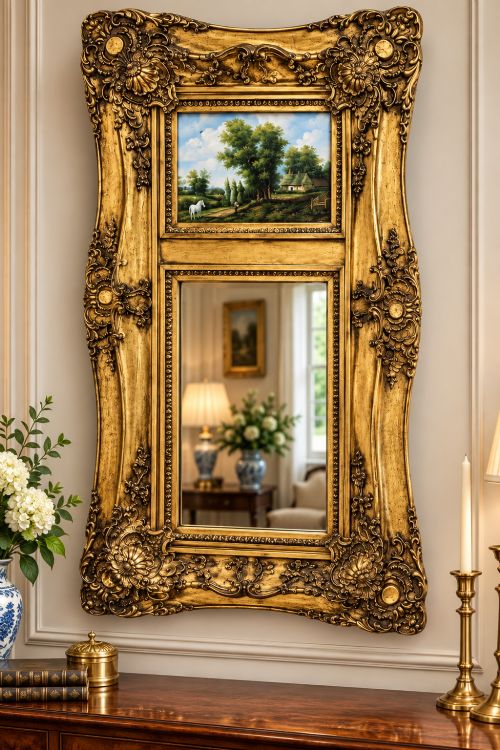
A gold gilt wall picture brings richness and history to a room through centuries of painted canvases, prints, and gilded frames.
Gold Gilt Wall Picture
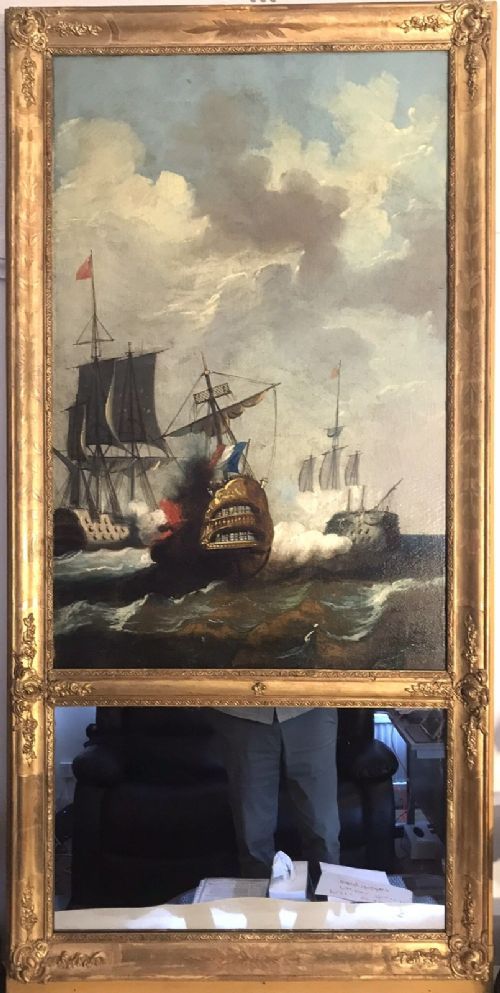
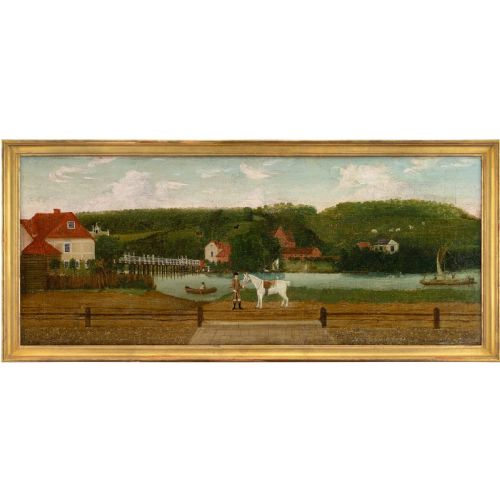
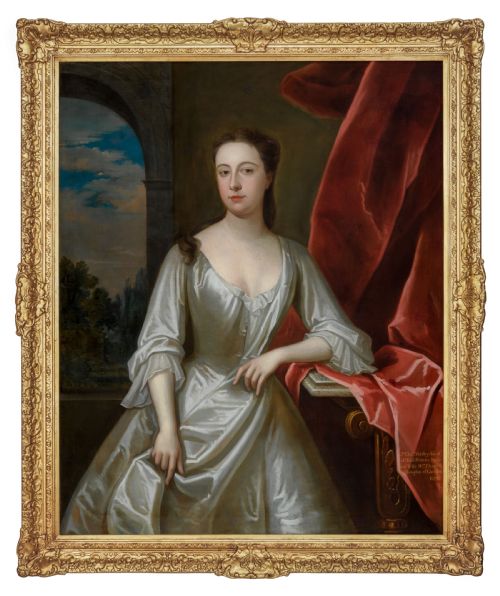
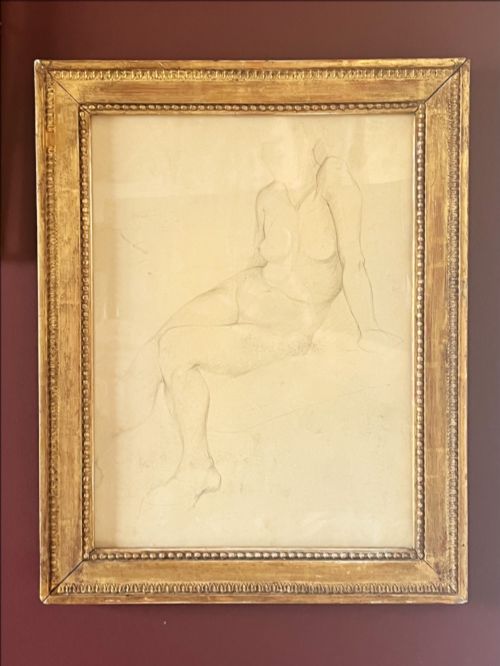
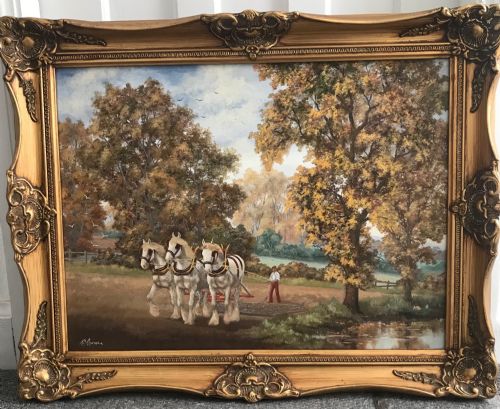
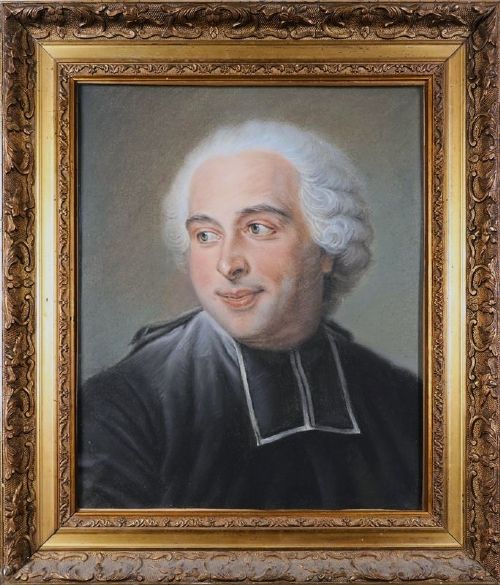
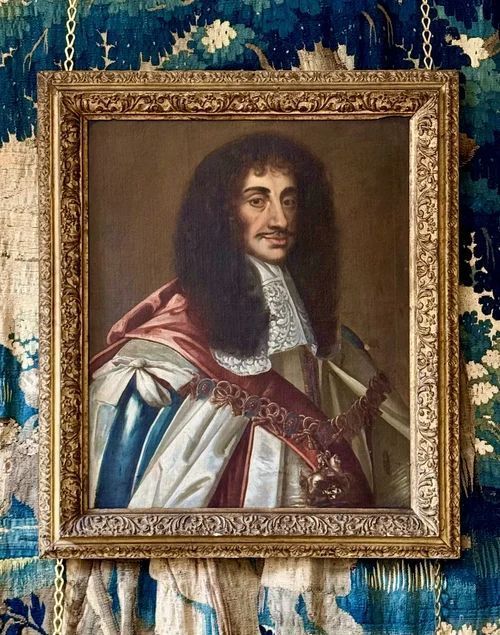
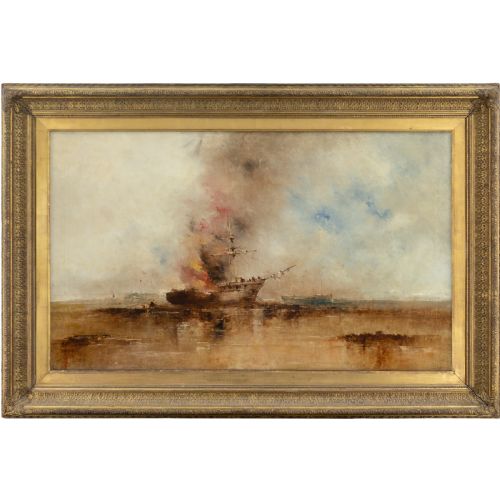
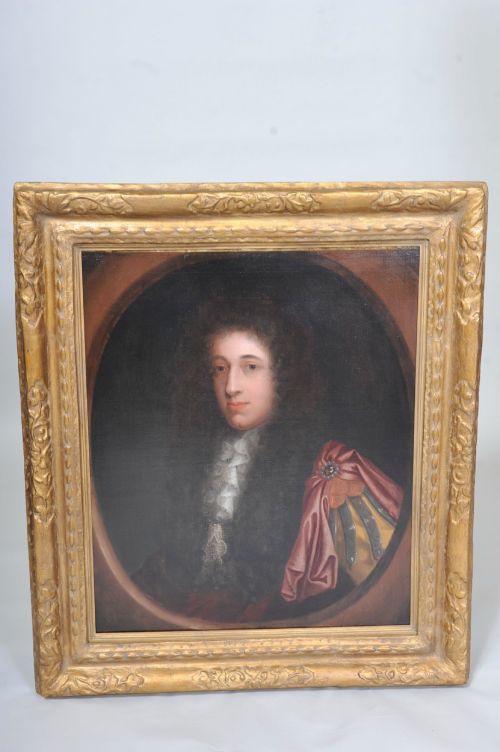
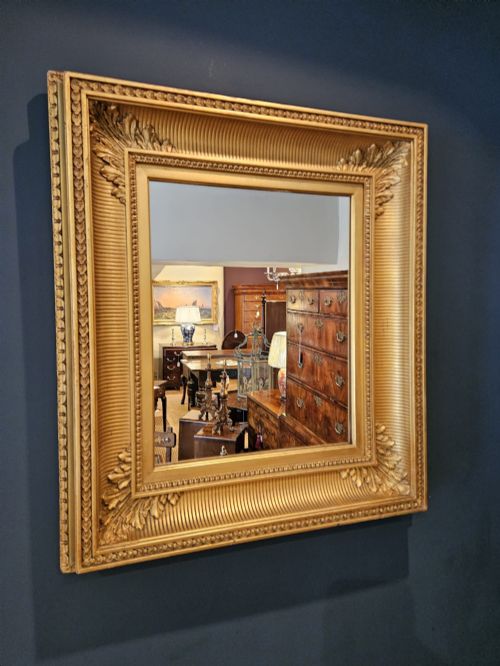
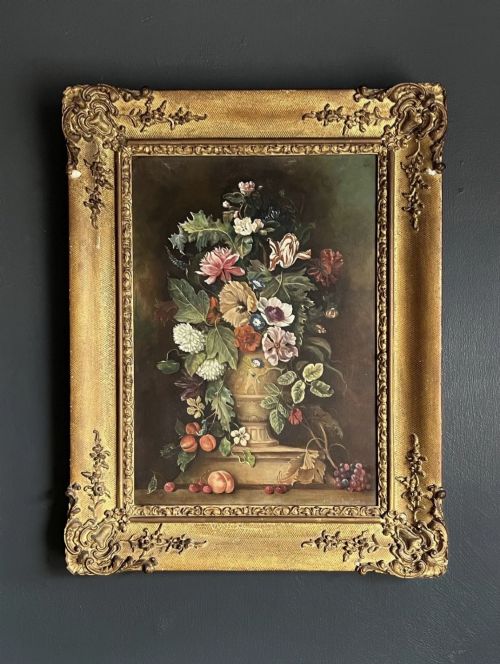
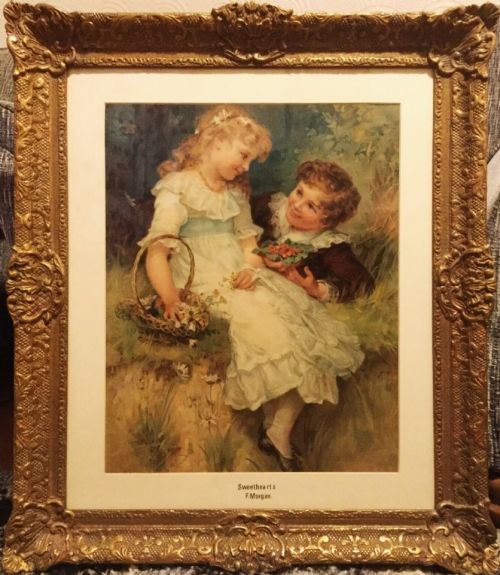
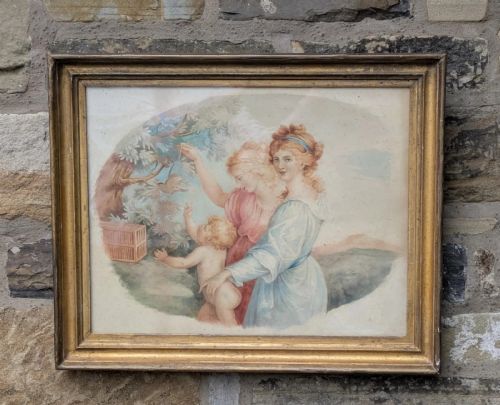
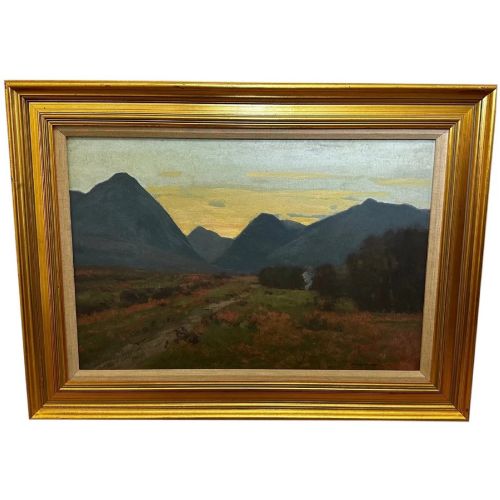
A gold gilt wall picture encompasses oil paintings, watercolours, portraits, landscapes, prints, and wall mirrors housed within ornate metallic surrounds. Buyers seeking this aesthetic encounter various periods ranging from the seventeenth century through the Victorian era and into the mid-twentieth century.
The most frequent examples on this page are nineteenth-century oil paintings on canvas and panel, alongside period engravings and Victorian mirrors. These works showcase subjects from classical scenes and equine portraits to Dutch flowers and cityscapes.
Originating from British, French, and broader European artistic traditions, these pieces combine traditional framing with diverse artistic mediums. Every item relies on the interplay between the artwork surface and the reflective quality of its surround.
Materials and construction methods
Makers constructed the supports using wood, canvas, paper, and glass, applying oil, watercolour, pastel, or gouache directly to the surface. Engravings and prints utilised paper housed behind protective glass panels.
Frames relied on wood bases shaped with gesso and coated in gold leaf or giltwood to achieve a lustrous metallic finish. Artisans carved intricate details such as acanthus leaf decoration directly into the wooden or gesso mouldings.
Distinctions in craftsmanship and preservation
Quality separates through the finesse of the artist's brushwork in oil on canvas or the crispness of detail in period engravings and stipple prints. Master painters captured light, proportion, and texture with greater precision than lesser contemporary hands.
The integrity of the gilt gesso frame also dictates worth, where intact original gilding and deeply carved ornamentation elevate the piece. Surviving in period frames without excessive modern restoration preserves the authentic character of the artwork.
Sir Godfrey Kneller·Sir Peter Lely·Stephen Samuel Lewin·David Bates·Francis Moltino
The Gold Gilt Wall Picture Glossary
- Giltwood
- Wood that has been coated with a thin layer of gold leaf or gold paint. This technique protected the underlying timber while providing a brilliant decorative surface.
- Gesso
- A plaster mixture applied to wood frames to create a smooth surface for carving and gilding. Artisans modelled intricate relief patterns into this compound before applying gold leaf.
- Stipple engraving
- A printmaking method using dots to create tonal gradations and subtle shading. This technique produced soft portraits and pictorial scenes popular in earlier centuries.
- Oil on canvas
- Pigments bound in a drying oil applied to a stretched fabric support. This medium allowed artists to achieve rich colours and lasting durability.
- Acanthus leaf
- A classical ornamentation motif modelled on the leaves of the Mediterranean plant. Carvers frequently utilised this design to decorate the corners and borders of antique frames.
Gold Gilt Wall Picture: Frequently Asked Questions
How do I hang a heavy gilt mirror?
Heavy gilt mirrors require secure wall fixings anchored directly into structural studs or masonry using heavy-duty brackets. Professional installation is recommended to support the substantial weight of the wood and gesso frame.
Ensure the hanging wire or mirror plates on the back match the rated capacity of your wall fixings to prevent accidental slips or damage.
Are these oil paintings original?
The listings feature original hand-painted works in oil on canvas or board alongside period prints, engravings, and oleographs. Each listing specifies the exact medium used by the artist.
Examining the surface texture under magnification reveals brushstrokes and craquelure that distinguish an original painting from a printed reproduction.
What periods do these artworks cover?
The collection spans multiple centuries, starting from seventeenth-century portraits through eighteenth-century engravings, nineteenth-century academic works, and twentieth-century pieces. Each era brings distinct painting styles and framing techniques.
Checking the listed period helps date the garment styles in portraits or the framing conventions characteristic of specific decades.