



Framed Impressionist Landscape Art
Framed impressionist landscape art brings light, atmosphere and swift brushwork into a room.
Framed Impressionist Landscape Art
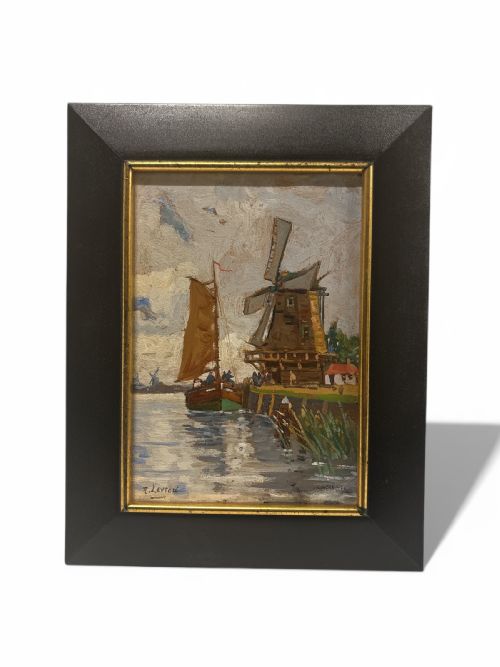
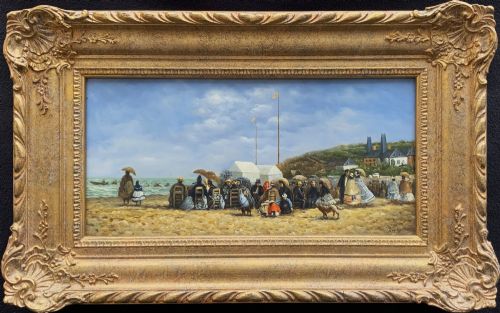
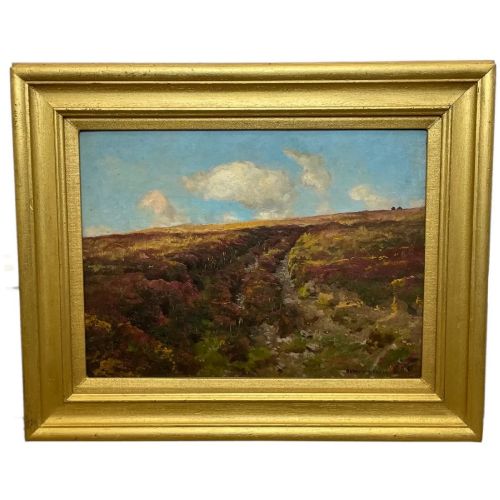
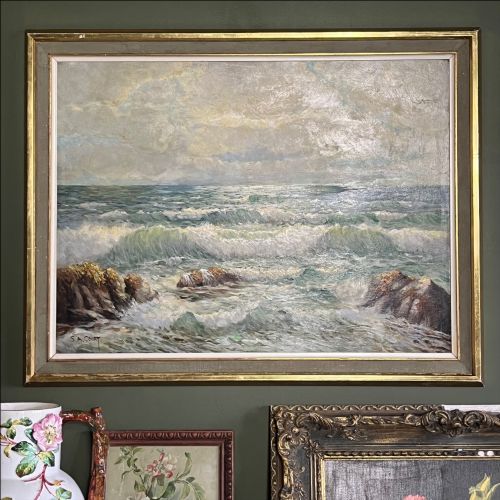
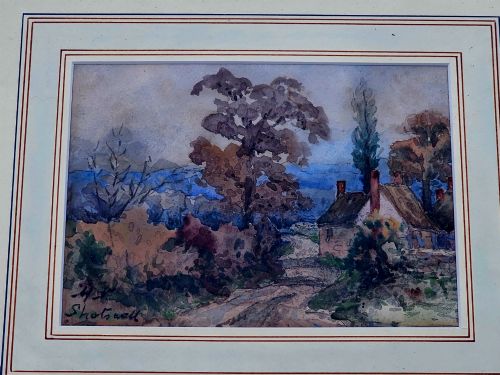
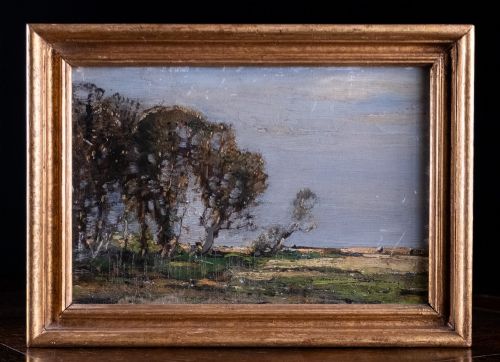
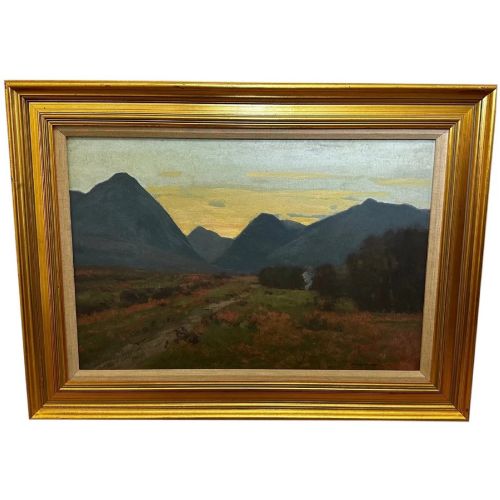
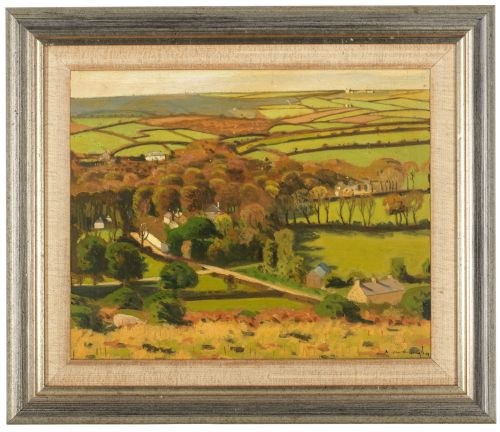
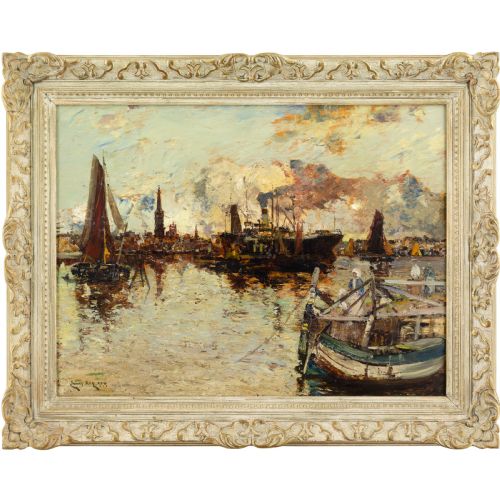
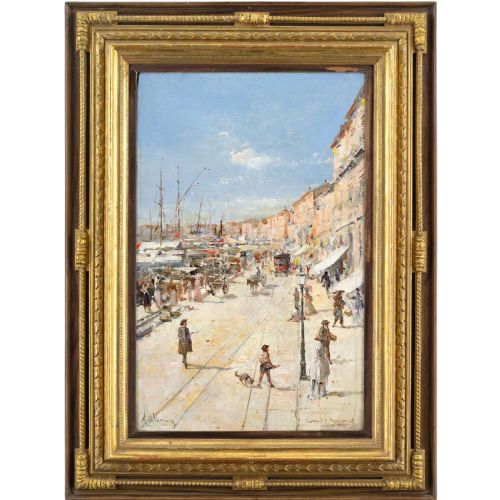
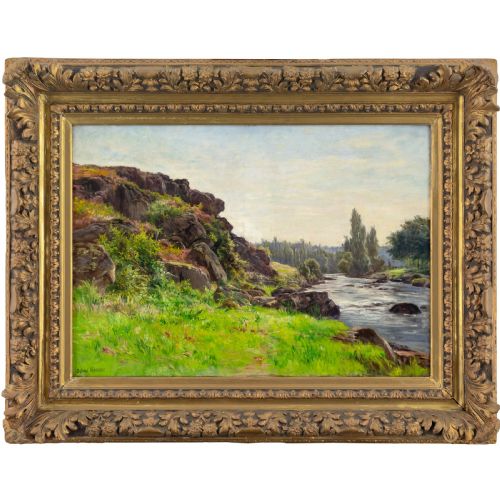
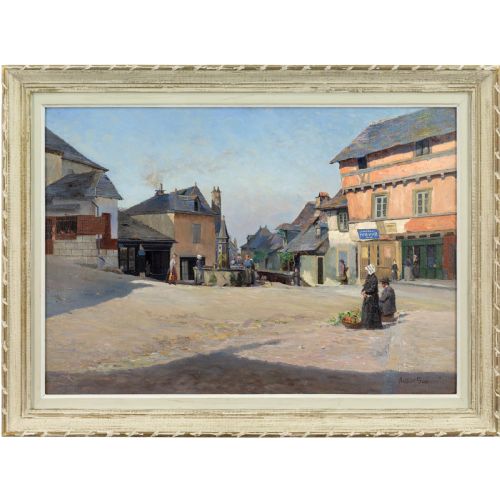
Framed impressionist landscape art encompasses oil paintings and watercolours depicting coastal scenes, harbours, rivers, farmyards and cityscapes created from the nineteenth century onwards. You encounter works spanning early twentieth-century British impressionism, post-impressionism and mid-century interpretations.
The selections range from intimate coastal views in Cornwall to continental street scenes and pastoral river banks. Most examples present traditional landscape subjects rendered through loose brushstrokes and a focus on natural light.
Works appear across various supports, primarily canvas and board, enclosed within period frames. The visual language prioritises atmospheric effects and outdoor settings over rigid academic finish.
Materials and construction
Makers apply oil paint and watercolour onto canvas, wood panels or paper supports, often working en plein air to capture immediate light conditions. The physical application relies on visible, textured brushwork rather than blended transitions.
The paintings sit within wood frames, frequently finished with gilt and gesso mouldings that complement the palette of the canvas. These surrounds range from simple wooden profiles to ornate decorative mouldings.
Several canvases record quiet moments of sheep grazing among wild garlic and boats resting in Cornish harbours.
Distinctions in quality
Quality rests on the confidence of the brushwork, the handling of light and the harmonious balance of composition across the canvas. Stronger pieces display a distinct command of tone and atmosphere that anchors the landscape.
The physical integration between the painting and its original wood or gilt gesso frame also influences the overall integrity of the piece. Cohesion between the maker's technique and the framing enhances the visual impact.
George Graham·Clifford Hanney·Arthur Wardle·Sidney A Court·Kershaw Schofield·George Houston·William Banks Fortescue·Robert Morson Hughes·James Kay·Augusto Alberici·Gabriel Mathieu·Arthur Gue·Charles Houben·Lucy Pratt·Antonio DeVity·Clive Browne·Paul Bret·Willem Bos·Henri Ottmann·Ernest Higgins Rigg·John Hodgson Lobley·Harry Kluge·Sir Alfred East·Donald McIntyre
The Framed Impressionist Landscape Art Glossary
- En plein air
- Painting outdoors to capture direct natural light and fleeting atmospheric conditions. This method defines much of the impressionist approach to landscape subjects.
- Gesso
- A plaster-like preparation spread over a wood frame before gilding or painting. It provides a smooth base for decorative surface treatments.
- Gilt wood
- Timber treated with a thin layer of gold leaf or metallic powder. It provides reflective framing that complements oil paintings.
- Post-Impressionism
- An art movement extending impressionist techniques while rejecting its limitations. It explores symbolic content and heavier structural forms.
- Watercolour
- Paint consisting of pigment suspended in a water-based solution applied to paper. It produces transparent washes of colour.
Framed Impressionist Landscape Art: Frequently Asked Questions
What is impressionist landscape art?
Impressionist landscape art captures natural scenery through loose brushwork and an emphasis on changing light rather than minute detail. These works record outdoor scenes such as rivers, coastlines and fields.
Created across the nineteenth and twentieth centuries, the style prioritises atmospheric mood and immediate visual experience.
How do I hang a framed oil painting?
Hang oil paintings on sturdy walls using fixings appropriate for the weight of the wood and gesso frame. Ensure the display position avoids direct, harsh sunlight to protect the pigments.
Keep the artwork away from sudden temperature fluctuations and damp environments to preserve the canvas and wooden support.
How do I identify a post-impressionist work?
Post-impressionist works often feature bolder brush application, structured geometric forms or expressive colour choices that move beyond purely naturalistic recording. They build upon impressionist techniques while exploring personal expression.
Signatures, artist dates and framing styles offer further clues to the specific period and origin of the piece.
Are these paintings on canvas or board?
The listings include works painted on canvas, wood panels and paper supports. Oil paint and watercolour serve as the primary mediums across these surfaces.
Each support method affects the texture of the finished piece and dictates the appropriate framing style.