



20th Century Marine Painting
20th century marine painting captures coastal scenes and naval vessels through watercolours and oils produced across the decades.
20th Century Marine Painting
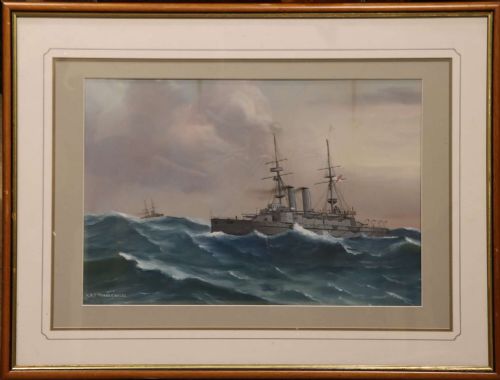
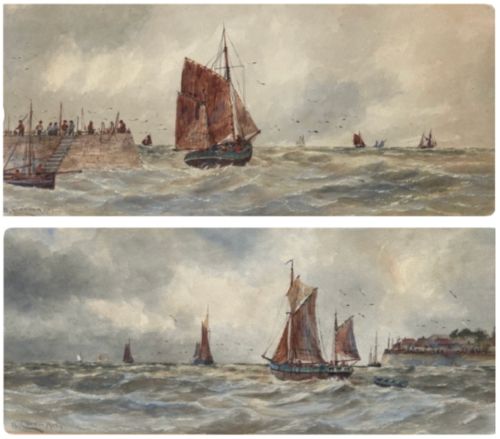
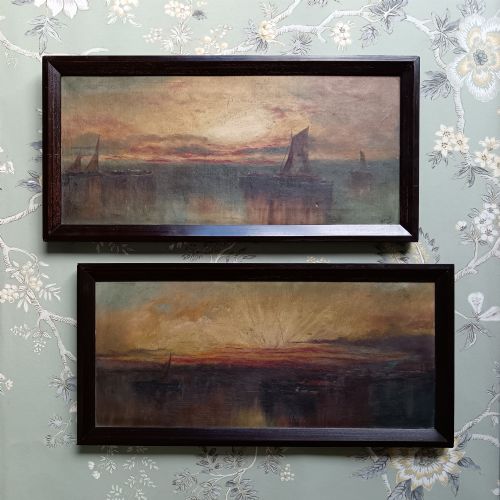
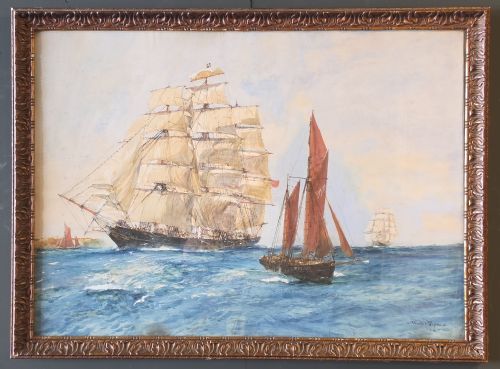
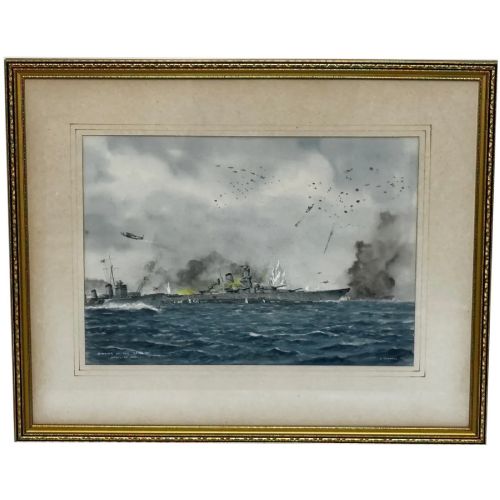
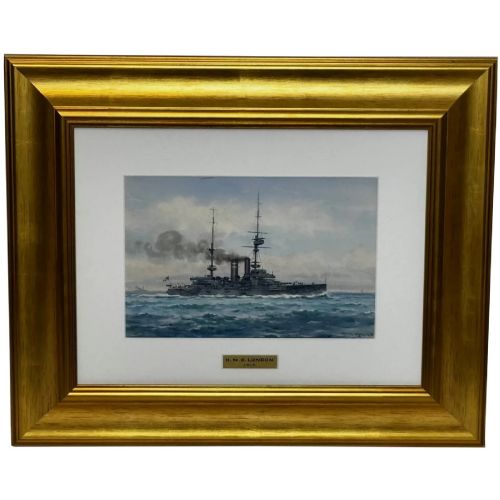
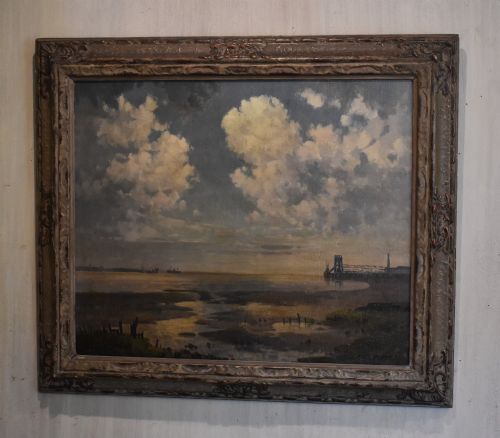
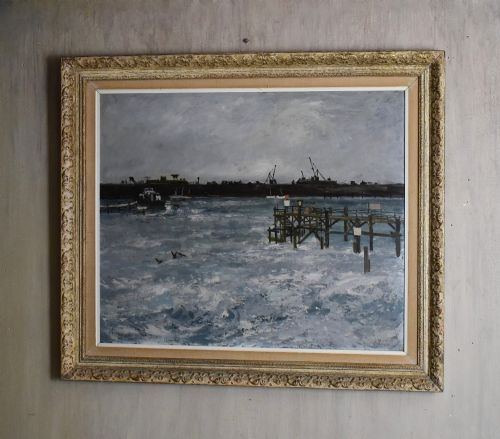
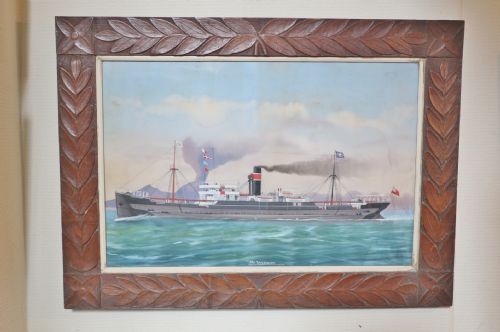
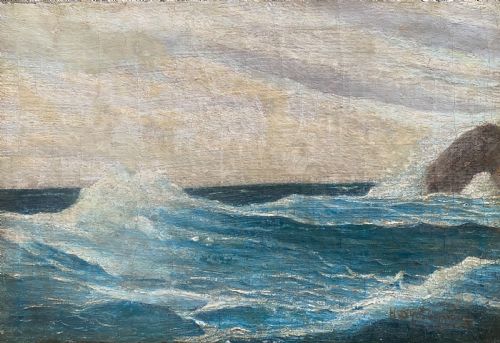
A 20th century marine painting focuses on maritime subjects, spanning bustling harbours, coastal landscapes, and naval engagements. The works available encompass traditional watercolours and impressionistic oils created from the Edwardian era through the mid-century decades.
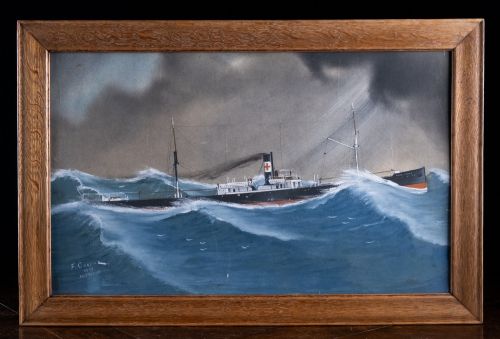
Buyers encounter depictions of specific vessels, such as warships and steamships, alongside quieter scenes of fishing boats and coastal views. These pieces reflect the evolving artistic interpretations of the sea across British, French, and international schools.
Materials and Technique
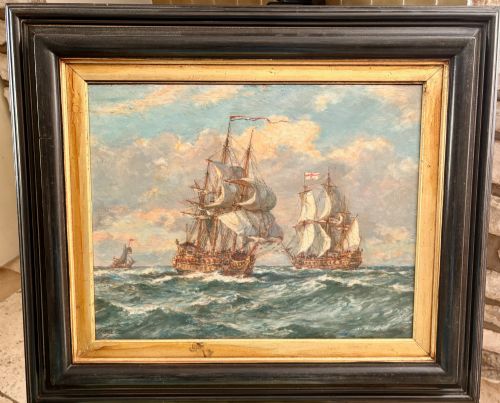
Artists of this period utilised oil paint on canvas or board, alongside gouache and watercolour on paper, to capture the shifting light and movement of water. The application ranges from tight, descriptive maritime illustration to looser impressionistic brushwork.
Support materials vary from traditional stretched canvas and wooden panels to heavy watercolour paper and card, often framed to protect the delicate pigments and painted surfaces.
20th Century Marine Painting Retail Price Guide 2026
Typical asking prices for 20th century marine painting among the pieces listed under this phrase on Sellingantiques today, from the lower quarter to the upper quarter. They describe what is for sale here now, not the wider market.
Several artists captured the exact moment a steamship puffed past a lighthouse.
Evaluating Quality
Quality rests in the artist's command of atmosphere, light, and maritime anatomy, where skilled brushwork conveys the genuine weight of a vessel and the movement of the sea. Stronger examples demonstrate confident composition and a perceptive handling of marine lighting.
Lesser works rely on rigid formulas and flat colour application without capturing the distinct atmospheric conditions of coastal environments.
Kenneth Cozens·William Cannon·Eugène-Louis Gillot·Charles Edward Dixon·Eric Tufnell·Frank Watson Wood·Bernard Gribble·Robert Leslie Howey·Gustave Vidal·Fred Pailhes·Norman Lloyd·Fred Lawson·Edward Seago·Donald McIntyre·Marc Aldine·Owen Bowen·Ernest F Hill·Don Wilson·James Torrington Bell
The 20th Century Marine Painting Glossary
- Gouache
- An opaque water-based paint that dries to a matte finish, frequently used in maritime works for sharp detail.
- Impressionism
- An art style focused on accurate depiction of light in its changing qualities, often seen in harbour scenes.
- Maritime
- Depicting ships, shipping, or the sea, encompassing both naval history and coastal landscape art.
- Provenance
- The chronology of the ownership of a painting, establishing its authenticity and historical record.
20th Century Marine Painting: Frequently Asked Questions
What subjects appear in these paintings?
The artworks depict naval battles, steamships, coastal harbours, and working fishing vessels. Scenes range from historical ship portraits to impressionistic coastal views.
Many pieces document specific vessels or identifiable ports across Britain, Europe, and the wider world during the twentieth century.
How do watercolours differ from oils here?
Watercolours utilise translucent pigments on paper to achieve delicate washes of light and sky. Oils offer heavier texture and deeper colour saturation on canvas or board.
Both mediums were widely used by marine artists to capture different atmospheric moods of the sea.
How should these paintings be framed?
Traditional wood frames suit the period aesthetic, often complemented by gilt liners or simple mounts for works on paper. Glazing is essential for watercolours and gouache to prevent environmental damage.
Original frames can add context, provided they complement the condition of the artwork.
How are periods identified?
Styles, artist signatures, and recorded dates establish the timeframe of production, moving from Edwardian realism to mid-century impressionism. Costume, vessel types, and architectural details in the background offer further chronological clues.
Exhibition labels and biographical records help confirm the exact decade.