





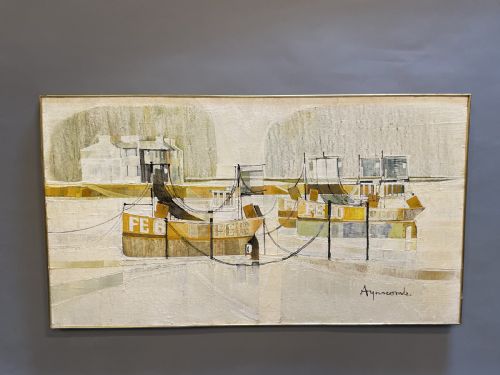


Vintage Harbour Oil Painting
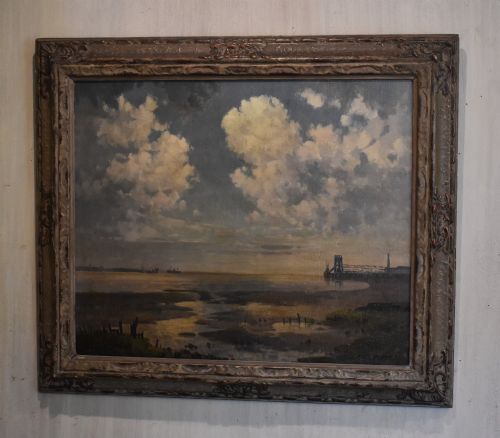
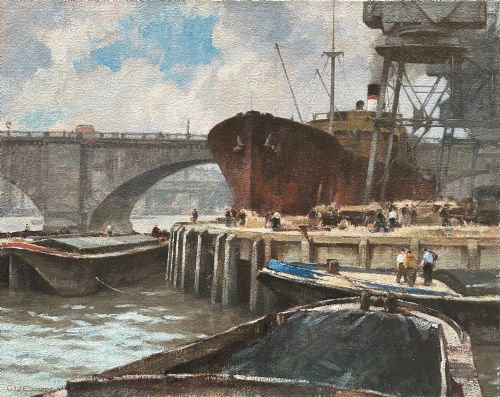
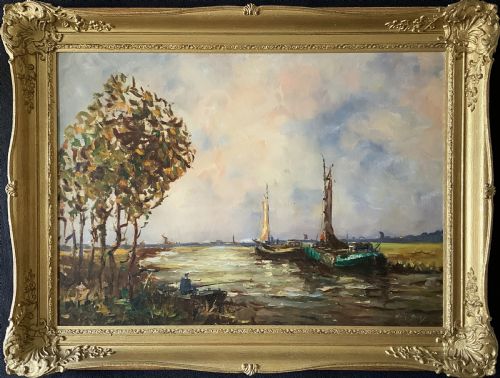
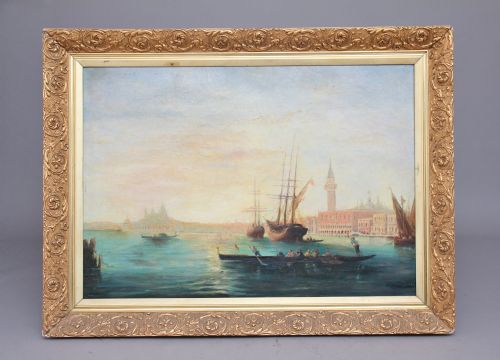
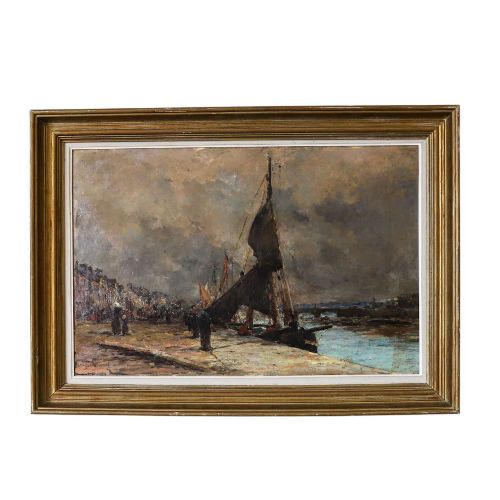
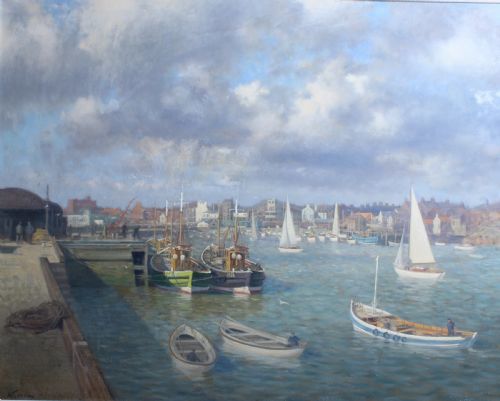
When you search for a vintage harbour oil painting, you find maritime scenes capturing working ports, coastal vessels, and tidal waters.
Vintage Harbour Oil Painting
A vintage harbour oil painting records maritime activity, coastal inlets, and fishing ports from the nineteenth and twentieth centuries. These artworks depict working docks, moored vessels, and tidal landscapes across British and European locations.
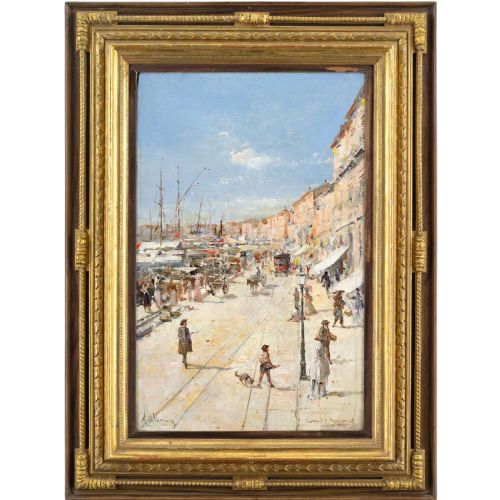
The selections available here range from nineteenth-century maritime water fronts to mid-century impressionist coastal views. Painters capture specific ports from Cornwall to the Mediterranean in varying light and weather conditions.
Canvases and boards preserve historical scenes of shipping, boatyards, and quaysides rendered through distinct regional movements including British Impressionism, Post-Impressionism, and the St Ives School.
How They Were Made
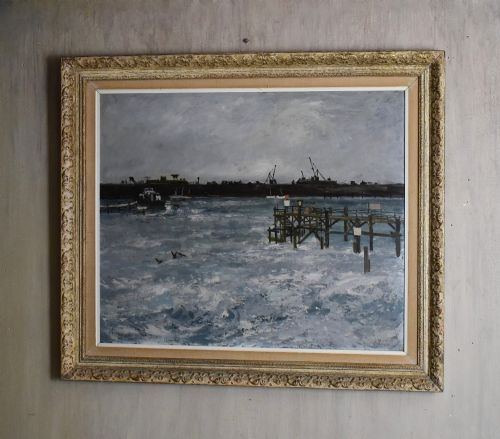
Artists painted primarily with oil paint on stretched canvas or wooden boards, applying pigment with brushes or palette knives to build texture. Impasto techniques appear in mid-century works, giving physical depth to water and skies.
Frames made from wood, frequently finished with gilt, encase the paintings to protect the edges of the canvas and complement the composition. Canvases are secured to wooden stretchers while boards provide a rigid painting ground.
Sailors and trawlers share canvas space with French holidaymakers reading on sunny seafronts.
What Varies in Quality
The strength of the composition and the artist's handling of light define the success of a maritime scene. Masterful brushwork captures the movement of water and atmospheric conditions distinctively.
The retention of original framing, often in gilt wood, adds context to the artwork. Provenance linked to known exhibitions or named artists elevates the standing of individual pieces.
Kenneth Cozens·Eugène-Louis Gillot·James Kay·Augusto Alberici·Clive Browne·Peter Brannan·Paul Bret·Cyril Walduck Edwards·Willem Bos·Walter Goodin·Paul-Jean Anderbouhr·Lokre·William Edward Webb·Edward Matthew Elliott·Gyrth Russell·Jean-Baptiste Olive·Raymond Picque·James Fry·Fred Pailhes·George Turland Goosey·Adrian Van Porten·Donald McIntyre·A Doyly-John·T.S. Wallis·Pauwels
The Vintage Harbour Oil Painting Glossary
- Canvas
- A heavy woven fabric stretched across a wooden frame to serve as a support for oil paint. It provides a flexible and durable painting surface.
- Impasto
- Paint applied thickly to a canvas or board, leaving visible brush or palette knife marks. This technique creates a three-dimensional surface texture.
- Gilt Wood
- Wood carved and coated with a thin layer of gold leaf or metallic paint. It is commonly used for traditional picture frames.
- Maritime
- Relating to the sea, ships, and harbours. In art, it describes subjects involving coastal views and marine vessels.
- Post-Impressionism
- An art movement following impressionism that explored emotional response and structural form. Artists used expressive colours and distinct brushwork.
Vintage Harbour Oil Painting: Frequently Asked Questions
What periods do these paintings cover?
The works span from the nineteenth century through the mid-twentieth century, including Victorian maritime pieces and mid-century impressionist works.
Dates recorded on the pieces extend from the 1880s up to the 1960s, reflecting changing artistic movements across those decades.
Which regions are shown in the scenes?
Depicted locations include British fishing ports in Cornwall, Scotland, and Dorset alongside continental European harbours in France, Italy, and the Netherlands.
Artists frequently painted coastal views during travels to specific ports such as St Ives, Rouen, Venice, and Antwerp.
How should I hang an oil painting?
Select a wall away from direct sunlight and excessive humidity to protect the oil paint and canvas from environmental damage.
Ensure the wall fixings safely support the weight of both the artwork and its wooden gilt frame.
Are the paintings signed by the artists?
Many of the works bear signatures or initials applied by the painter, often placed in a lower corner of the canvas or board.
Examine the listings for specific details regarding artist signatures, exhibition labels, and biographical records.