




Scottish Maritime Artwork
Scottish maritime artwork captures coastal scenes, fishing vessels and open waters through the eyes of regional painters.
Scottish Maritime Artwork
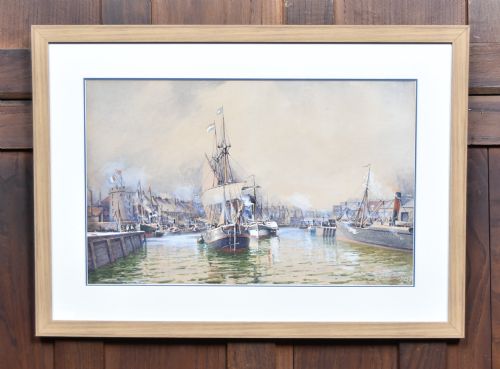
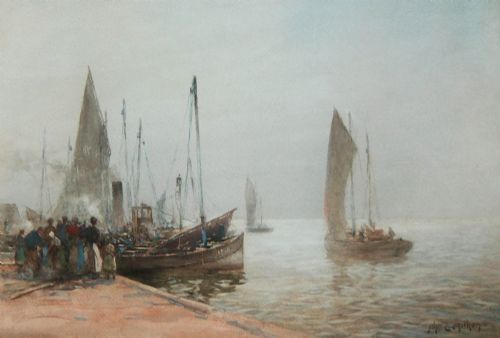
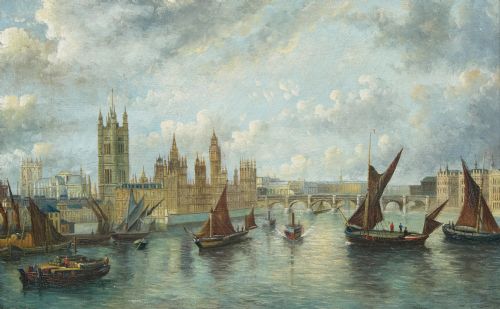
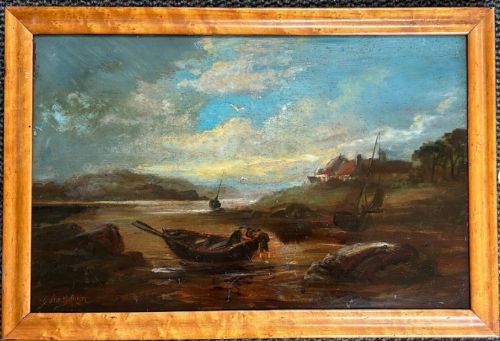
These works focus on coastal views, estuaries and shipping along the Scottish coast, recorded through various periods.
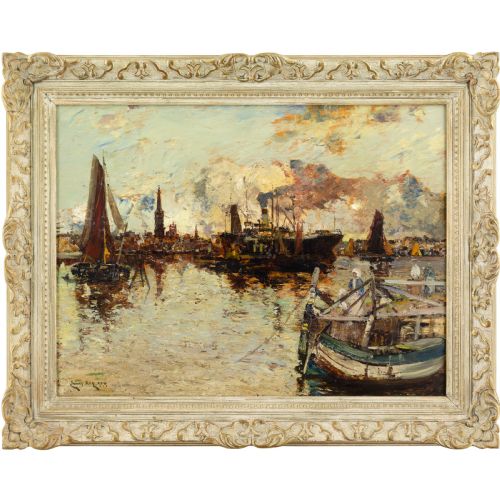
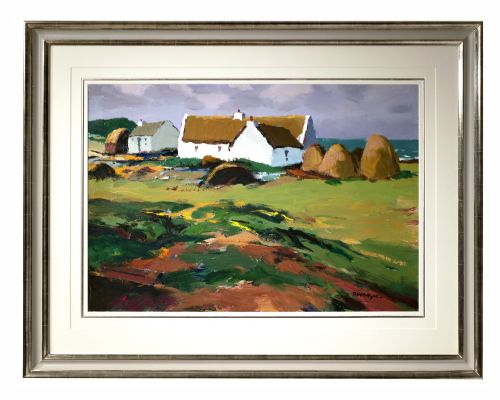
Buyers encounter watercolours and oil paintings on canvas, board or wood panel, originating from the Victorian era into the twentieth century.
Depictions range from quiet lochs and peaceful harbours to bustling ports and ships at sea.
Materials and Techniques
Artists worked primarily in oil paint or watercolour, applying pigment to prepared canvas, wood panels, board or paper.
Frames are frequently constructed from wood, often finished with gilt to complement the picture within.
Sam Bough signed his works with such frequency that even calm coastal sunsets seem to demand his signature.
Judging Quality
Skill in handling light and water distinguishes accomplished compositions from simpler topographical records.
The precision of brushwork and the stability of the support material indicate the standard of execution.
James E. Aitken·James Kay·Donald McIntyre·John Macvicar Anderson·John Mitchell·Stanley Orchart·Sam Bough·Owen Bowen·Richard Ball Spencer·James Kinnear·John Mc Ghie·James G. Faulds·Samuel Bough
The Scottish Maritime Artwork Glossary
- Watercolour
- A painting method where fine pigments are suspended in water-soluble binders and applied to paper.
- Canvas
- A heavy woven fabric stretched across a wooden frame to serve as a sturdy surface for oil paint.
- Wood Panel
- A flat wooden board used as a rigid foundation for oil paintings during the nineteenth century and earlier.
- Gilt Wood
- Timber frames treated with a thin layer of gold leaf or metallic gilding to enhance the artwork.
Scottish Maritime Artwork: Frequently Asked Questions
What periods do these paintings cover?
The selections span from the Victorian nineteenth century through to the mid twentieth century, capturing changing artistic styles over decades.
Works range from early Victorian watercolours to later twentieth century oils on canvas and board.
What subjects are most common?
Coastal villages, fishing boats in estuaries, lochs and named ships off the Scottish coast appear frequently across these paintings.
Artists recorded specific locations such as Anstruther, Antwerp, the Firth of Forth and Loch Lomond.
How should I frame a watercolour?
Watercolours require framing behind glass with acid-free mounts to protect the paper from moisture and light damage.
Keeping the paper from direct contact with the glass ensures the longevity of the pigment.
Are these works signed by the artists?
Many pieces feature signatures, monograms or inscriptions detailing the title and location on the front or reverse.
Documentation helps attribute specific coastal views to recorded painters of the Scottish School.