



Impressionist Coastal Scene Painting
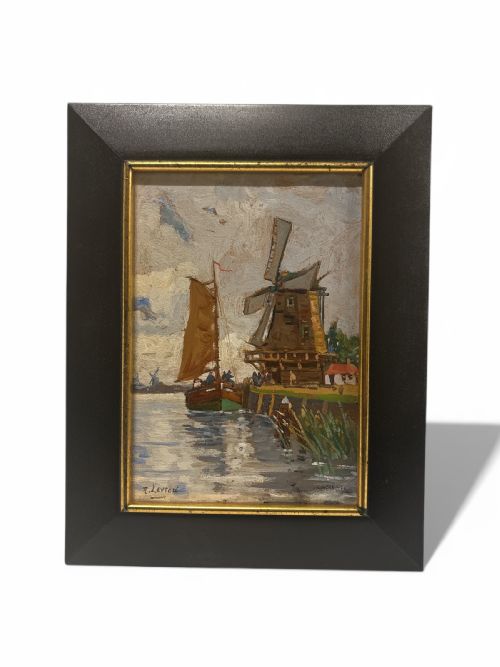
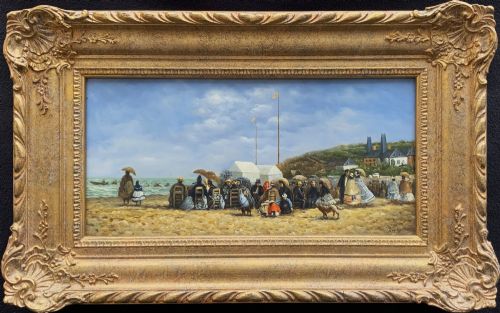
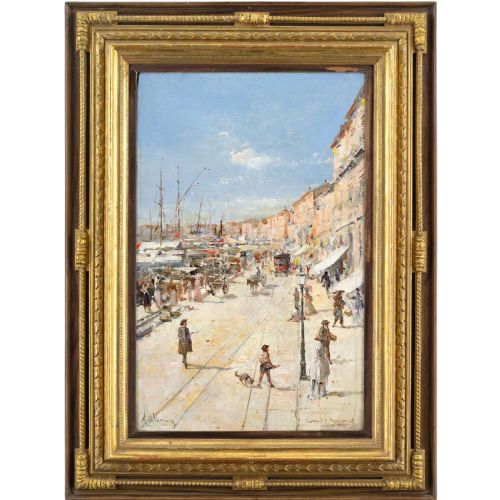
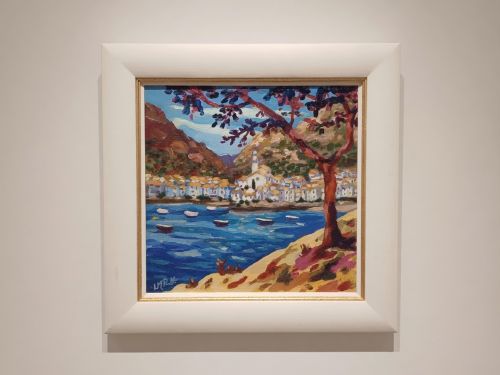
When you search for impressionist coastal scene painting, you discover works capturing harbours, beaches and maritime life through loose brushwork.
Impressionist Coastal Scene Painting
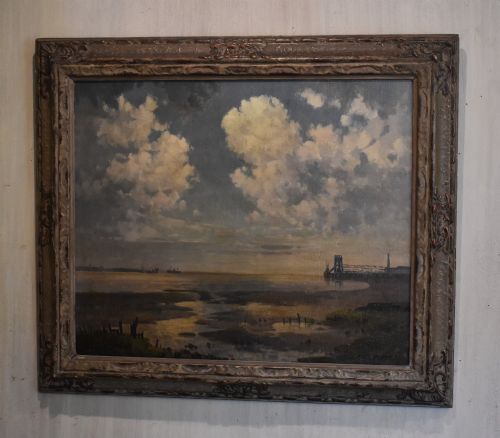
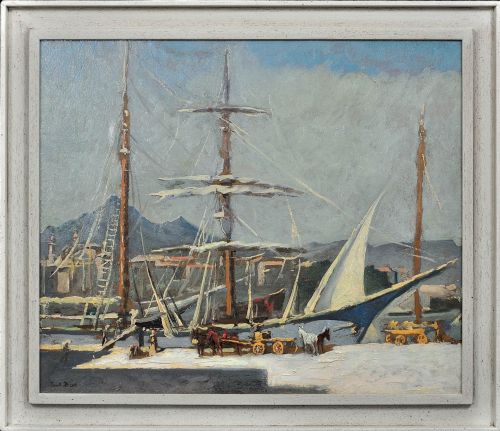
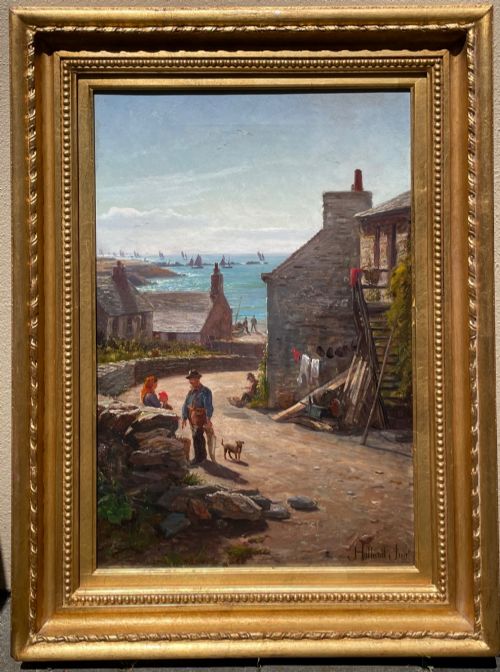
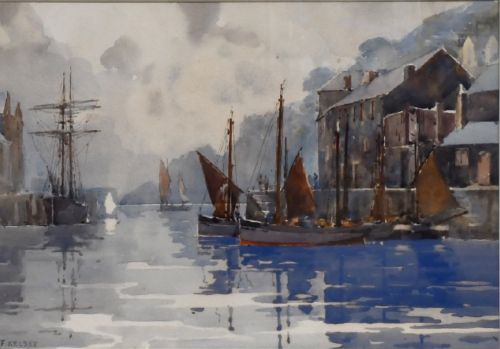
An impressionist coastal scene painting brings together the movement of water, shipping traffic and shoreline villages onto canvas or paper. These works capture atmospheric effects along the coast, ranging from busy harbours in Cornwall and Normandy to quiet beaches and rocky inlets.
The pieces you meet on this page span from the nineteenth century into the mid-twentieth century, encompassing British Impressionism, Post-Impressionism and regional artist groups such as the Newlyn School and St Ives School.
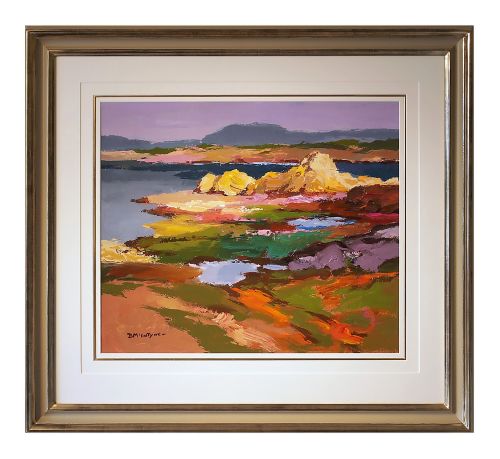
Makers recorded in these listings include William Banks Fortescue, Hector Caffieri, Charles Fouqueray and Donald McIntyre, alongside numerous other painters documenting maritime life across Britain and France.
Materials and technique
Artists primarily used oil paint on canvas or wood panels, building textures with direct brushstrokes that suggest the shifting light of the sea and sky. Watercolour on paper was equally common for capturing translucent washes of sea spray and coastal weather.
The application of paint prioritises visual impression over fine detail, utilising broken colour and rapid marks to convey movement in water, clouds and vessel rigging.
The listings include works spanning from the nineteenth century through the 1960s, executed in oil paint, watercolour, canvas and paper.
Factors of quality
Quality rests on the sureness of the handling and the artist's ability to capture light and atmosphere with economy. Stronger works demonstrate confident tonal balance and purposeful composition rather than excessive finish.
Provenance and documented association with recognised regional schools or exhibited painting societies elevate specific pieces within the market.
William Banks Fortescue·Augusto Alberici·Clive Browne·Paul Bret·Hector Caffieri·Donald McIntyre·John Holland·Frank Kelsey·Gyrth Russell·Raymond Picque·William Lee Hankey·Arthur Tucker·James Watson·C Caldwell·Frederick William Hattersley·Owen Bowen·Ernest F Hill·Sir David Murray·Jeffrey Pratt·William Lambert Bell·James Torrington Bell·William Tatton Winter·Ralph Todd
The Impressionist Coastal Scene Painting Glossary
- Newlyn School
- An artist colony based in Cornwall during the late nineteenth and early twentieth centuries. Painters focused on natural light and plein-air recording of local fishing communities.
- Post-Impressionism
- A development following impressionism that explored expressive colour and structured form. Painters pushed beyond optical realism towards personal interpretation.
- Watercolour
- A paint medium using water-soluble pigments applied to paper. It creates luminous, translucent effects suitable for rapid sketching outdoors.
- Plein-air
- Painting outdoors in direct contact with the subject. This approach allowed artists to observe natural changes in light and weather firsthand.
Impressionist Coastal Scene Painting: Frequently Asked Questions
What subjects appear in these coastal paintings?
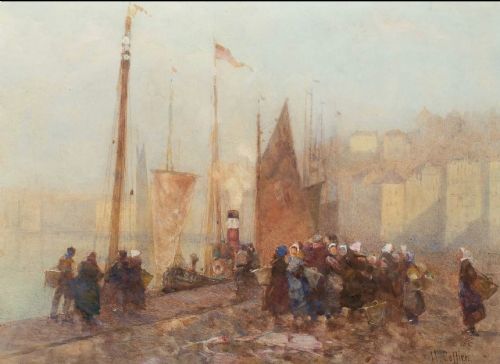
The works depict working harbours, sailing vessels, beach scenes and cliff landscapes. Scenes frequently record local maritime industries, including fishing boats and seaweed gatherers.
Locations span British coastal spots such as St Ives, Newlyn and Whitby alongside French and Sicilian ports.
How do I care for an oil painting on canvas?
Keep paintings away from direct sunlight and dramatic shifts in temperature or humidity. Stable domestic environments prevent canvas slackening and paint cracking.
Dust surfaces gently with a soft, dry brush without applying pressure to the pigment layer.
How do watercolours differ from oil paintings here?
Watercolour paintings utilise thin, translucent pigments on paper, often mounted behind glass for protection. They present a lighter, more delicate rendering of sea air and coastal mist.
Oil paintings offer heavier texture and opacity, built up on canvas or wood boards with visible brushwork.
How can I identify the period of a painting?
Dates rely on artist signatures, exhibition labels on the reverse, and stylistic markers linked to movements like Post-Impressionism or the Newlyn School. Framing materials and stretcher construction also offer chronological clues.
Comparative study of a painter's known working years helps narrow down the decade of creation.