


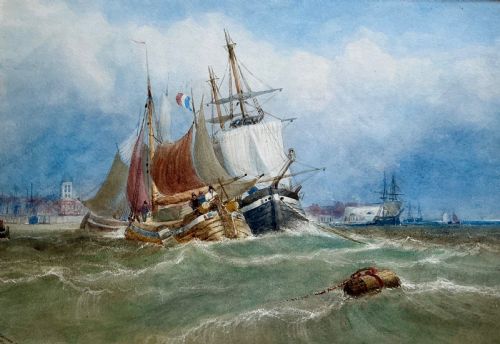

Blue Ocean Seascape Painting
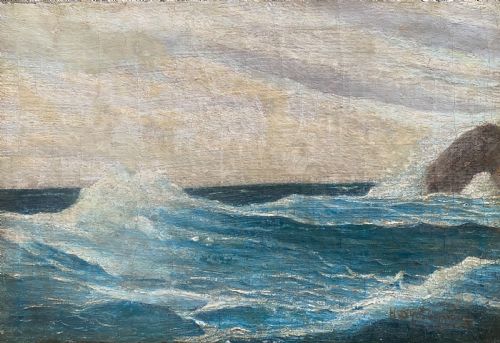
A blue ocean seascape painting captures the movement and light of coastal waters, offering a window into maritime history.
Blue Ocean Seascape Painting
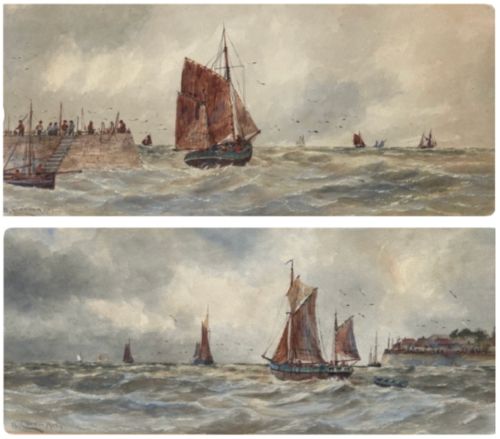
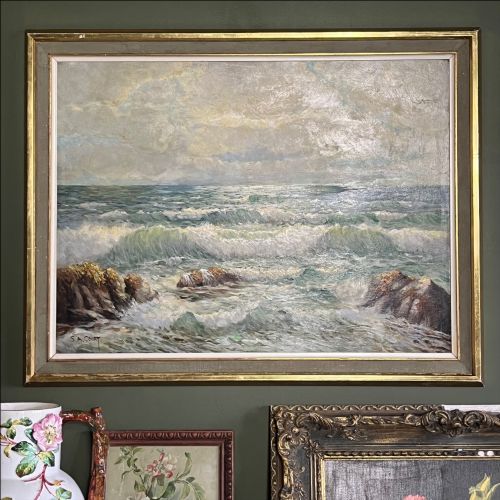
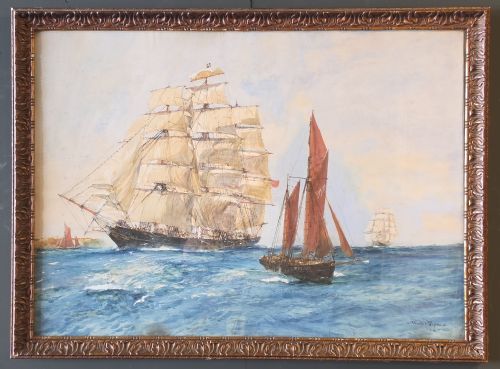
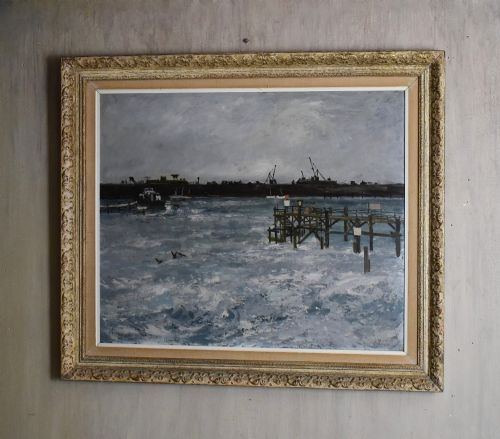
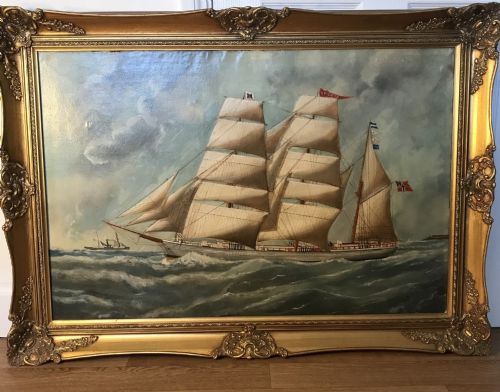
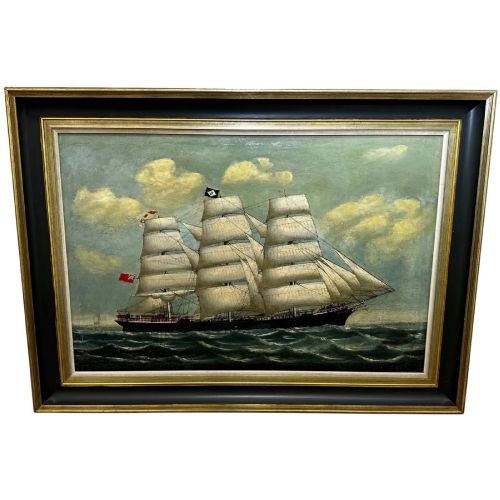
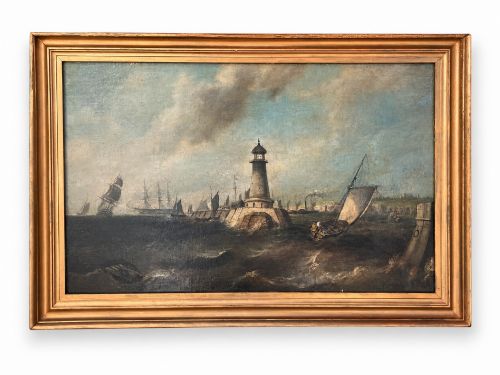
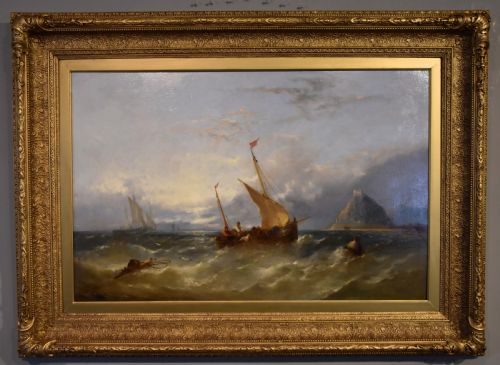
A blue ocean seascape painting brings together marine subjects, coastal views, and expansive waters created across the nineteenth and twentieth centuries. These works range from tranquil harbour scenes to dramatic storm paintings featuring sailing ships and fishing boats.
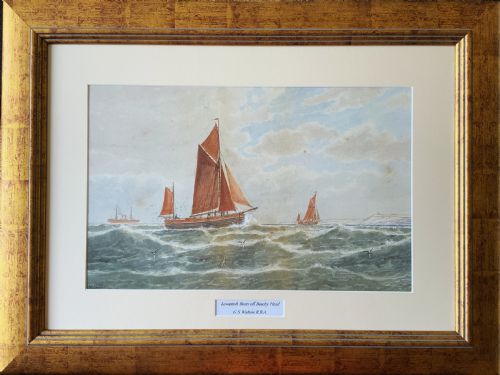
The pieces on this page appear in various forms, primarily as oil paintings and watercolour paintings on canvas, paper, or board. Collectors encounter works from the Victorian period through to the mid-twentieth century, including British Impressionism and Post-Impressionism.
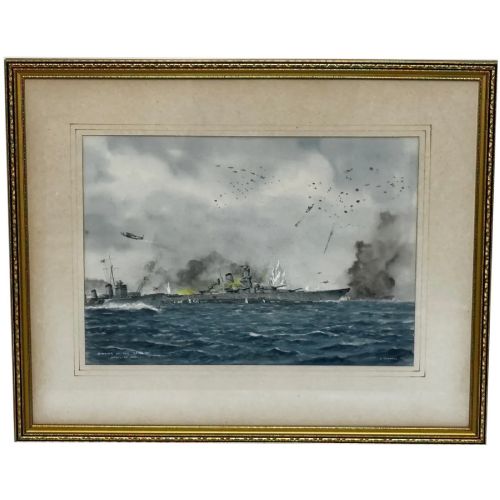
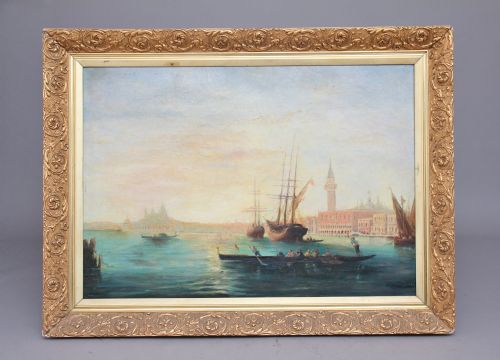
Many items document specific locations, such as Cornish harbours, the Venetian lagoon, or open ocean battles. The selection encompasses traditional English and European marine art created by both named artists and the wider British School.
Materials and techniques
Artists relied primarily on oil paint on canvas or board, and watercolour on paper, sometimes utilising gouache for denser colour application. Oil allowed for heavy impasto and textured sea spray, while watercolour suited delicate coastal light and transparent washes.
Works created en plein air captured direct atmospheric conditions along the coast, whereas studio paintings drew on detailed sketches of vessels and marine architecture. Framing in gilt wood frequently completed the presentation of these historical artworks.
Blue Ocean Seascape Painting Retail Price Guide 2026
Typical asking prices for blue ocean seascape painting among the pieces listed under this phrase on Sellingantiques today, from the lower quarter to the upper quarter. They describe what is for sale here now, not the wider market.
The inventory records regional coastal views from Cornwall and Yorkshire alongside Mediterranean and Venetian lagoon scenes.
Evaluating quality and execution
Quality rests on the artist's handling of light, atmosphere, and the convincing movement of water against shipping vessels. The most accomplished pieces demonstrate a confident command of tone and perspective that brings the marine environment to life.
The distinction between standard decorative works and finer paintings lies in the subtlety of brushwork and the accurate depiction of maritime rigging, hulls, and coastal geology. Condition and the preservation of the original paint surface also influence the standing of each piece.
Charles Edward Dixon·William Henry Williamson·George Stanfield Walters·Henry Barlow Carter·Sir William Russell Flint
The Blue Ocean Seascape Painting Glossary
- Watercolour
- A painting method where fine pigment is suspended in water-based solution, traditionally applied to paper to create luminous effects. It requires a steady hand as corrections are difficult to make.
- Impasto
- Paint applied thickly to a canvas or board, standing out in relief from the surface. This technique allows the viewer to see individual brushstrokes and adds physical texture to waves and clouds.
- En plein air
- The practice of painting outdoors to capture direct natural light and atmospheric conditions. It became popular among nineteenth-century artists seeking realism.
- Gouache
- An opaque water-based paint that provides solid, flat areas of colour with a matte finish. Artists often combined it with watercolour for highlights on water.
- Marine art
- Artistic representation of the sea, ships, and coastal views. This genre encompasses historical naval battles, port scenes, and tranquil coastal landscapes.
Blue Ocean Seascape Painting: Frequently Asked Questions
What periods do these paintings cover?
The listings span from the nineteenth century through the Victorian and Edwardian eras into the mid-twentieth century. This includes works from the 1900s, 1920s, and 1950s.
Styles shift from traditional Victorian marine art toward British Impressionism and Post-Impressionism in later decades.
How do I care for antique watercolours?
Watercolour paintings require protection from direct sunlight to prevent fading of the pigments on paper. Framing behind conservation glass helps block ultraviolet rays.
Keep the works in stable humidity conditions to avoid paper warping and mould growth.
What subjects appear most often?
Common subjects include fishing boats, three-masted schooners, clipper ships, and steam vessels navigating coastal waters and harbours. Many pieces focus on specific British and European coastal locations.
Scenes range from calm anchorages to stormy seas and naval battles.