


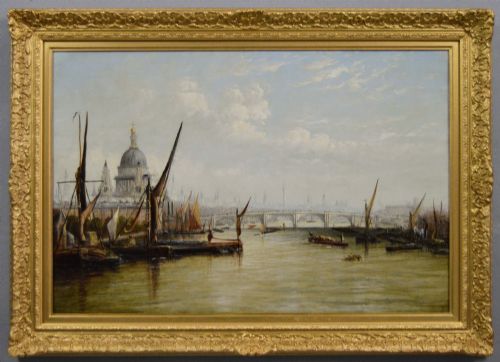

Gold Frame Marine Art
Gold frame marine art brings nineteenth-century maritime history into a room through rich oil paintings set in gilded surrounds.
What gold frame marine art is
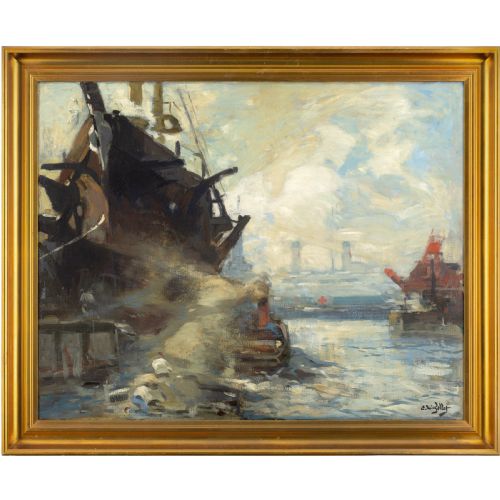
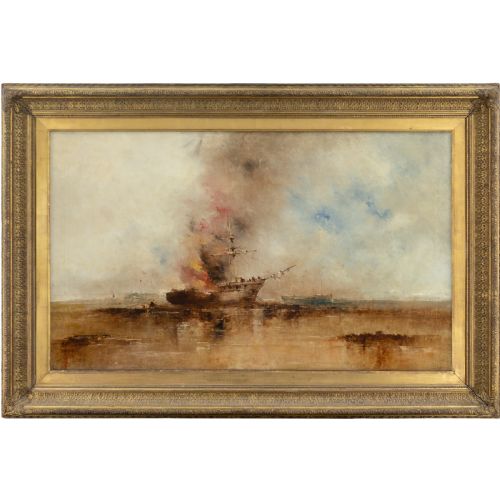
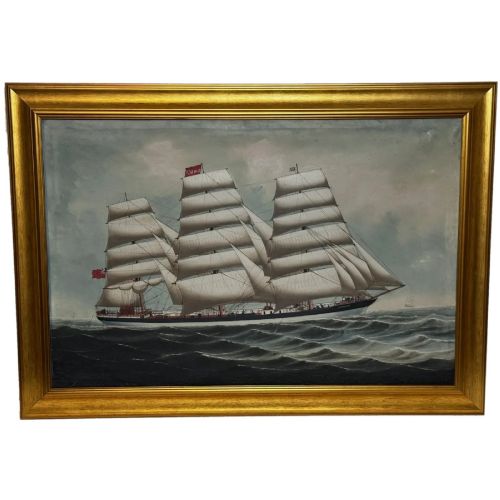
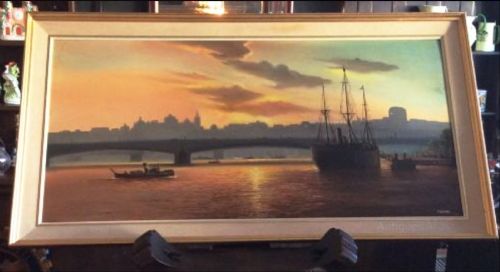
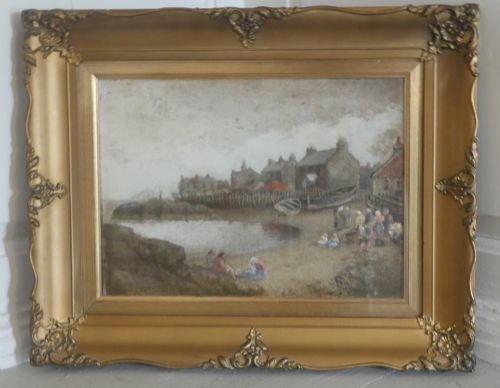
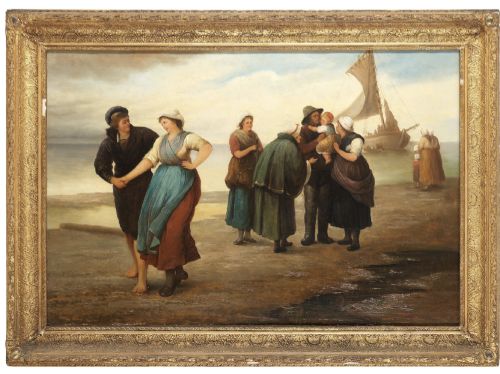
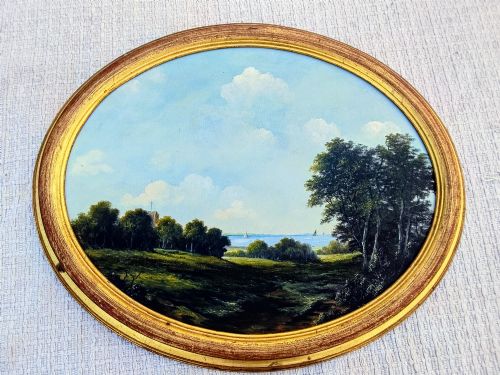
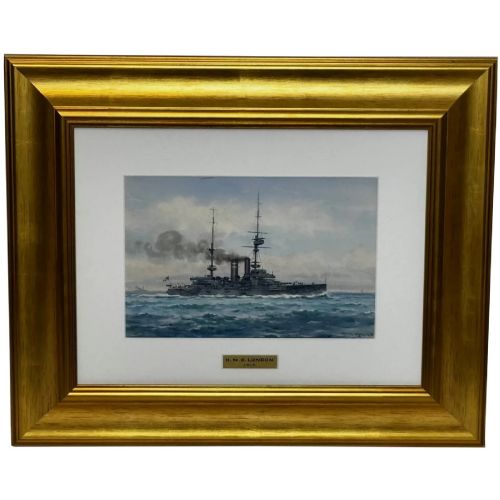
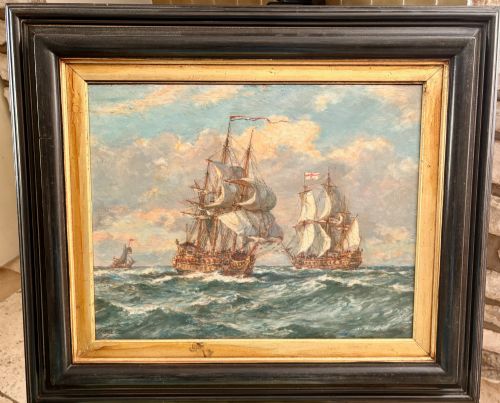
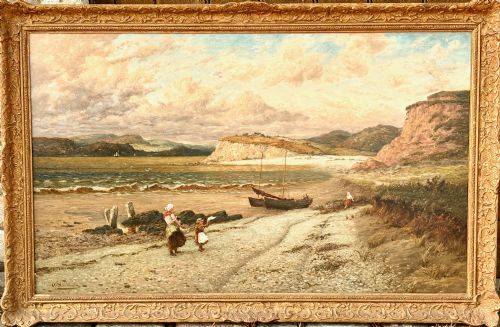
These pieces are nineteenth-century oil paintings depicting shipping, coastal scenes, and maritime events, housed in traditional gilded frames. Buyers seeking gold frame marine art encounter works ranging from early nineteenth-century Regency compositions to late Victorian Dutch-influenced coastal views.
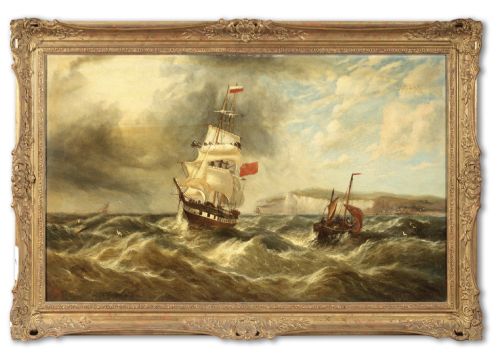
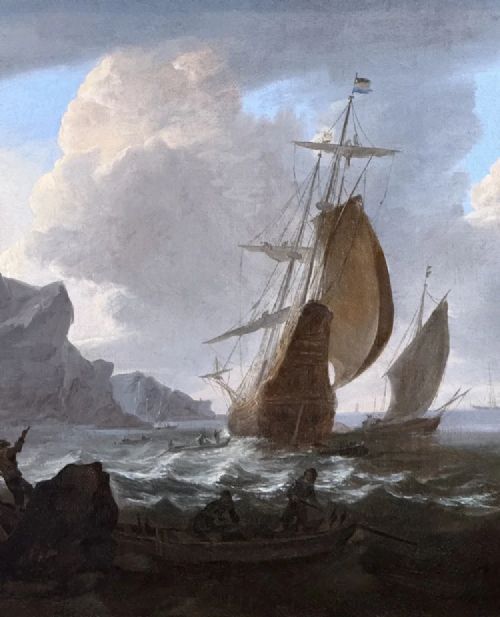
The subjects span heavy seas, calm harbours, and specific locations such as Plymouth Breakwater, Garwick Bay, Douglas Harbour, and Dutch shores. Creators recorded in the listings include named nineteenth-century artists and circles such as Nicholas Condy, Richard Ball Spencer, William Edward Webb, Pieter Cornelis Dommersen, and Stephen Brownlow.
Forms are predominantly oil on canvas, alongside oil on panel, framed in materials such as giltwood, gesso, and gold leaf. The majority of pieces date from the Victorian era and the broader nineteenth century, reflecting naval activity, fishing vessels, and coastal life.
How they were made
Artists worked in oil paint upon canvas or wooden panels, building up maritime scenes with brushwork suited to capturing water, skies, and shipping vessels. Canvases were stretched across wooden supports before receiving layers of pigment and protective varnishes.
Frames were constructed from wood and shaped using applied gesso and plaster to form decorative moulding. These wooden frames were then finished with gold leaf or giltwood treatments to create the characteristic metallic sheen surrounding the canvas.
Retail Price Guide 2026
Typical UK retail prices for gold frame marine art, calculated from the Sellingantiques database of over a million retail prices indexed since 2003. This retail price guide relies exclusively on Sellingantiques data; no external sources or auction records are used, so the figures do not describe the wider market.
Several canvases capture British fishing vessels and rough seas, reminding viewers that nineteenth-century artists endured chilly coastal weather for their art.
What varies in quality
Quality rests upon the handling of light, atmosphere, and maritime detail by the artist, distinguishing works by named painters from anonymous studio output. The depth and precision in rendering rigging, hulls, and turbulent or calm water separate accomplished compositions from simpler depictions.
The integrity and hand-finished detail of the surrounding giltwood and gesso frame influence the overall character of the piece. Frames with crisp moulding and well-applied gold leaf complement the oil painting and retain their decorative presence over time.
Nicholas Condy·Richard Ball Spencer·William Edward Webb·Pieter Cornelis Dommersen·Stephen Brownlow
The Gold Frame Marine Art Glossary
- Giltwood
- Wood carved and coated with gold leaf or gilt preparation to create a metallic surface. It forms the primary decorative border for many nineteenth-century oil paintings.
- Gesso
- A plaster-like mixture applied to wooden frame bases and sculpted into ornamental patterns before gilding. It provides the raised relief details seen on traditional picture frames.
- Oil on Canvas
- Pigment mixed with drying oils applied to a stretched woven fabric support. This combination allows for rich blending of colour and long-term durability in maritime scenes.
- Maritime
- Pertaining to the sea, shipping, and navigation. This category encompasses naval vessels, fishing boats, and coastal harbours shown in nineteenth-century art.
Frequently Asked Questions
What periods do these paintings come from?
The available selection spans the nineteenth century, including Regency, early Victorian, and later periods up to nineteen hundred.
Specific dates within titles point towards named decades such as eighteen eighty and eighteen ninety alongside broader nineteenth-century classifications.
How should I hang a heavy gilt frame?
These frames incorporate solid wood, gesso, and plaster, meaning they require secure wall fixings rated for substantial weight.
Using appropriate picture hooks and anchoring directly into wall studs ensures the artwork remains safely supported.
Are all the paintings signed by artists?
Makers represented include named nineteenth-century painters such as Richard Ball Spencer, William Edward Webb, and Pieter Cornelis Dommersen.
Other works originate from artist circles or makers active during the nineteenth century without explicit individual signatures.
What subjects appear in these coastal scenes?
Compositions feature Royal Navy shipping, heavy seas, fishing boats near Dutch shores, and specific locations like Douglas Harbour.
Artists recorded coastal weather conditions ranging from spring breezes to turbulent water and post-battle scenes.