



Original Landscape Painting Canvas
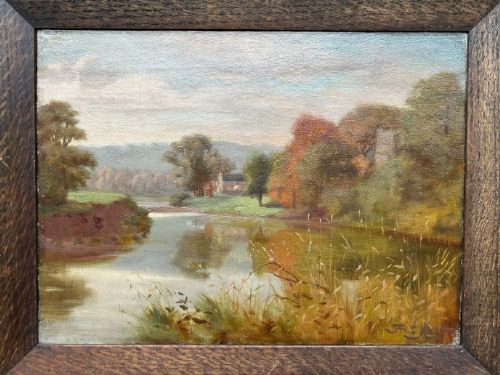
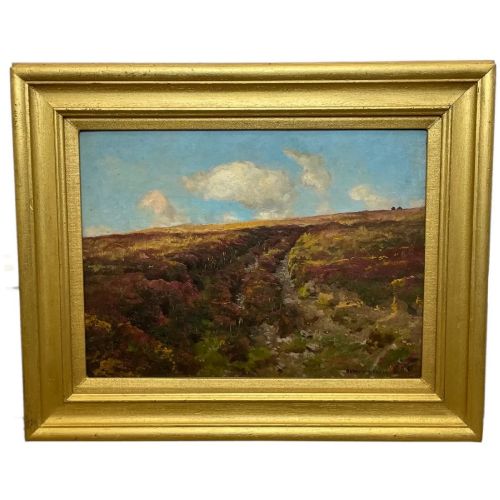
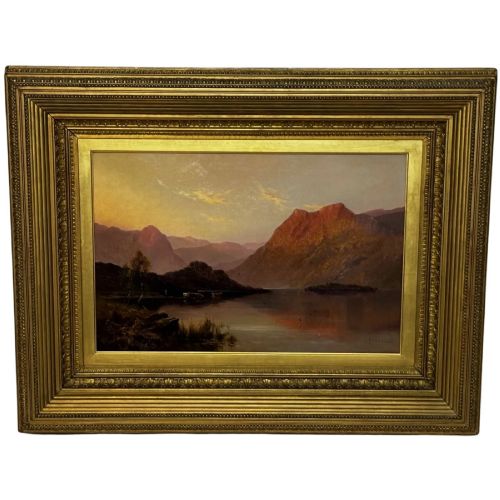
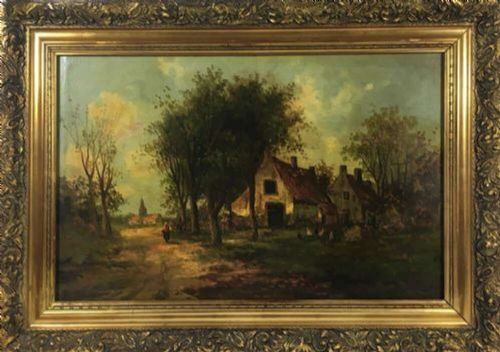
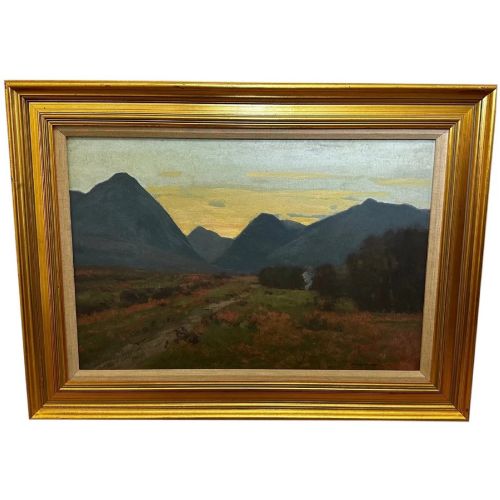
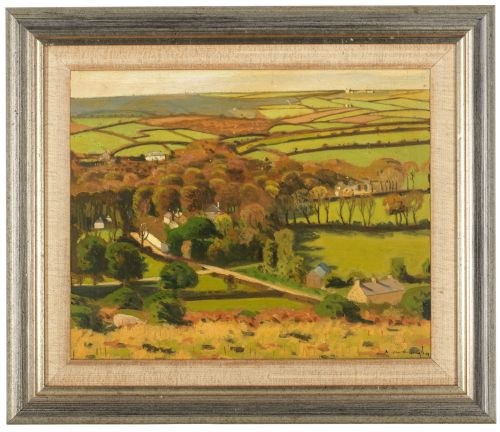
An original landscape painting canvas captures the texture and natural light of a pastoral scene using time-tested pigments applied directly by an artist's hand.
Original Landscape Painting Canvas
An original landscape painting canvas brings historical countryside, coastal, and river views directly into a room through authentic period brushwork.
Buyers encounter works spanning from the nineteenth century through the modern era, featuring both British and continental settings.
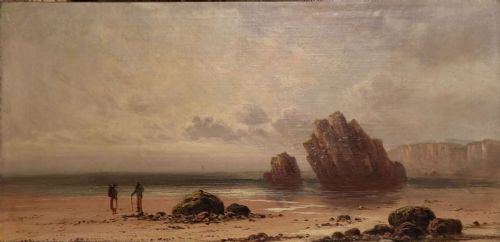
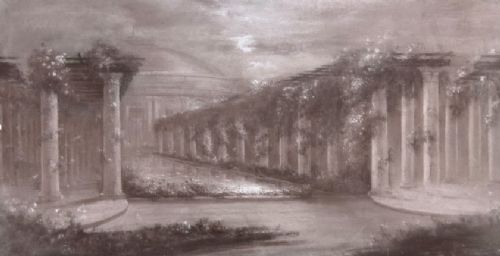
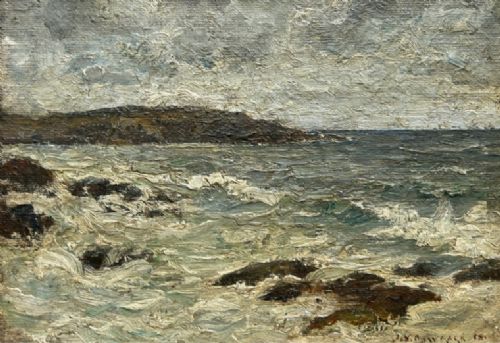
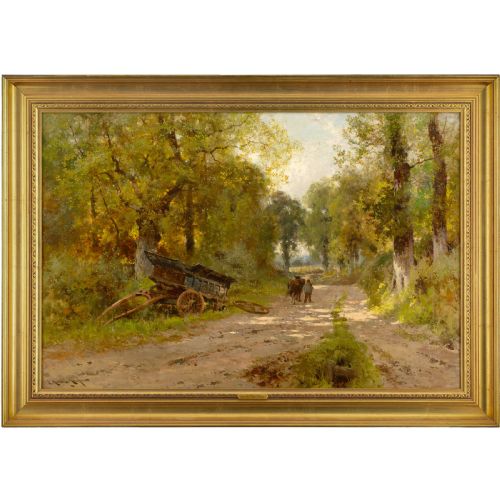
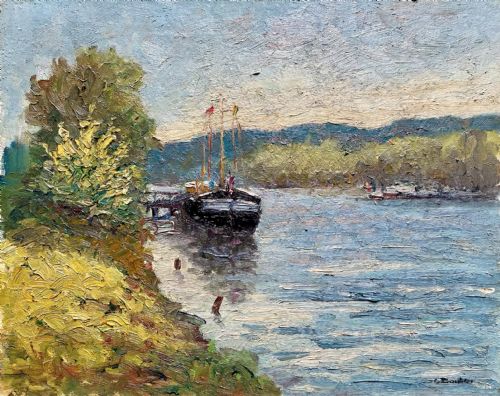
Common motifs include pastoral farmsteads, woodland glades, and marine views rendered in oils or charcoal.
How They Were Made
Artists applied oil paint and pigment onto woven canvas stretched over wooden frames, sometimes utilising gesso as a preparatory ground layer.
Many works incorporate impasto techniques where thick paint builds physical texture on the surface, while others rely on smoother glazes.
Support materials range from traditional linen and cotton canvas to boards and paper attached to stretchers.
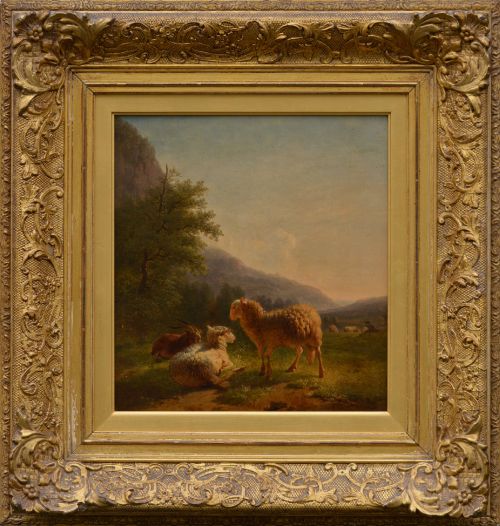
Several canvases capture cows, sheep, and dogs interrupting quiet rural paths across Britain and continental Europe.
What Varies in Quality
Compositional balance and brushwork dexterity distinguish accomplished academic works from simpler decorative sketches.
The preservation of the original pigment layer and the structural integrity of the underlying canvas determine the longevity of the piece.
Eugène Verboeckhoven·William H Myers·George Graham·Clifford Hanney·Frederick Marriott·Arthur Wardle·John Horace Hooper·Alfred Fontville de Breanski Jr·George Houston·Robert Morson Hughes·Thomas W Lascelles·Gabriel Mathieu·David Bates·Benjamin Barker of Bath·Lucy Pratt·Alfred Pollentine·Antonio DeVity·Clive Browne·Peter Brannan·Francis Moltino·Thomas Sidney Cooper·Raymond Booth·Ethel Sands
The Original Landscape Painting Canvas Glossary
- Impasto
- The process of laying oil paint onto the canvas in thick strokes that stand proud of the surface. This technique preserves the physical gesture of the artist's brush.
- Stretcher
- The wooden frame upon which the canvas is tensioned before painting. Historic stretchers often show wedge keys at the internal corners.
- Gesso
- A primer mixture consisting of a binder mixed with chalk or pigment applied to prepare the canvas. It provides a stable and luminous base for oil paint.
- Provenance
- The documented history of ownership associated with a work of art. This paper trail helps establish authenticity and attribution.
- Barbizon School
- A nineteenth-century French movement focused on plein-air landscape painting. Artists prioritized direct observation of nature over idealized studio compositions.
Original Landscape Painting Canvas: Frequently Asked Questions
What is the difference between oil on canvas and oil on board?
Oil on canvas utilises a flexible woven textile stretched over a wooden frame, offering slight give and distinct surface texture.
Oil on board employs a rigid wooden or cardboard support, which prevents sagging but lacks the traditional weave of textile grounds.
How do I identify nineteenth-century landscapes?
Nineteenth-century landscapes often feature traditional romantic or pastoral compositions with naturalistic earth tones. Examining the reverse side frequently reveals period framers' stamps or handwritten artist inscriptions.
Stretcher construction and handmade nails also provide physical clues to the age of the wooden support.
Should these paintings be framed?
Original oil paintings on canvas require proper framing to support the edges and protect the delicate textile from physical bumps. Traditional giltwood frames complement nineteenth-century and early twentieth-century aesthetics.
Ensure the frame does not trap moisture directly against the painted surface.