


Traditional English Wall Art
Traditional English wall art encompasses centuries of painted landscapes, portraits and coastal scenes that define historic domestic interiors.
Traditional English Wall Art
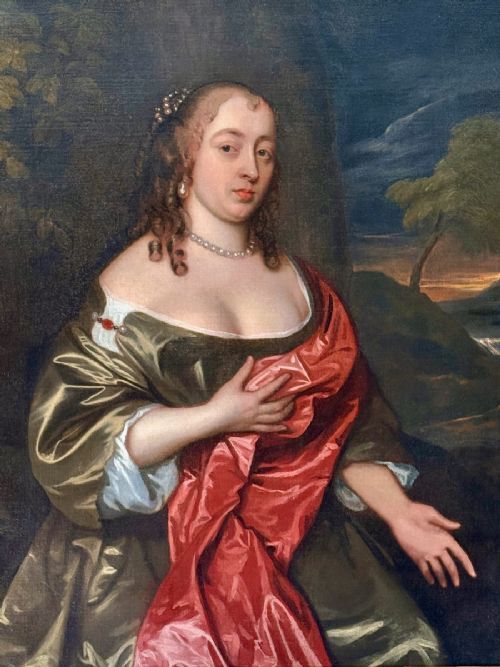
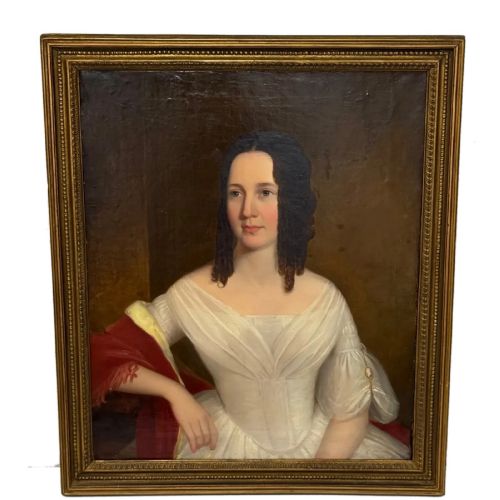
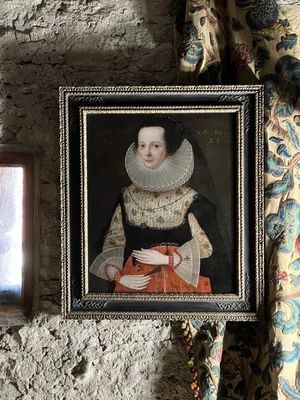
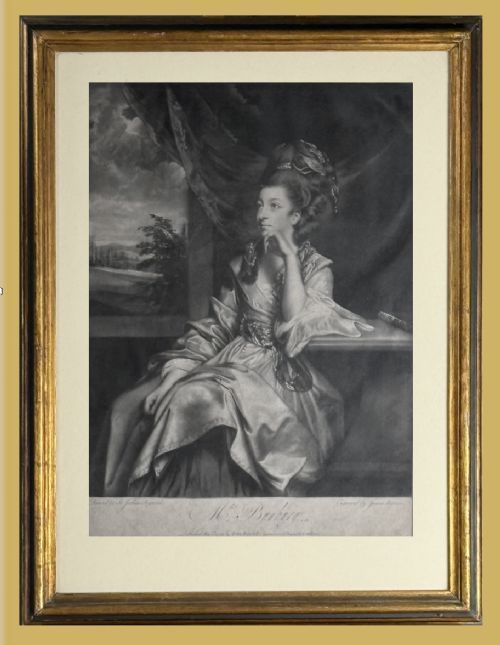
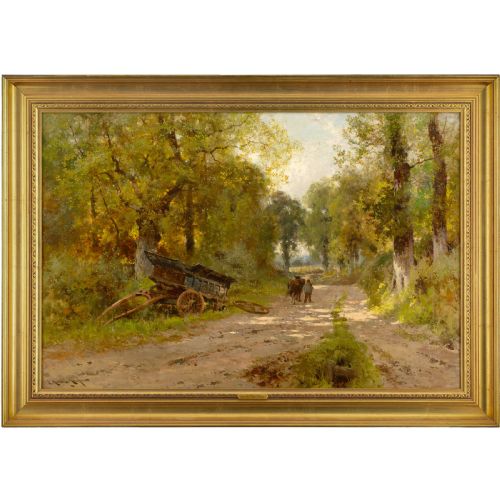
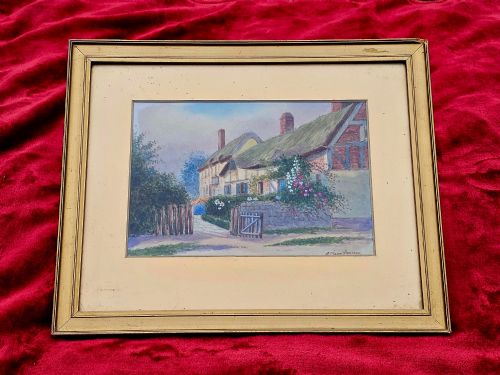
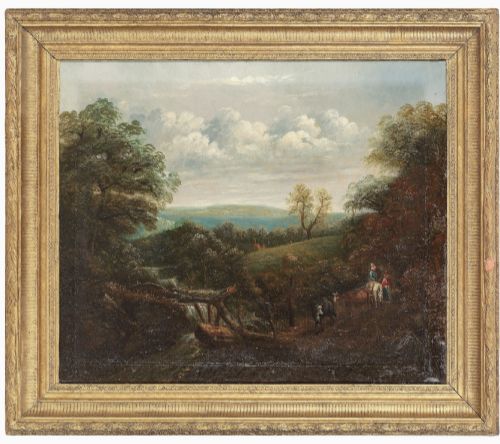
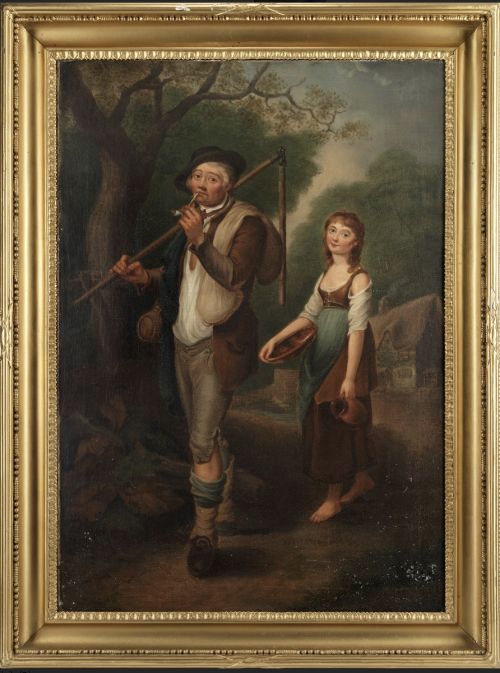
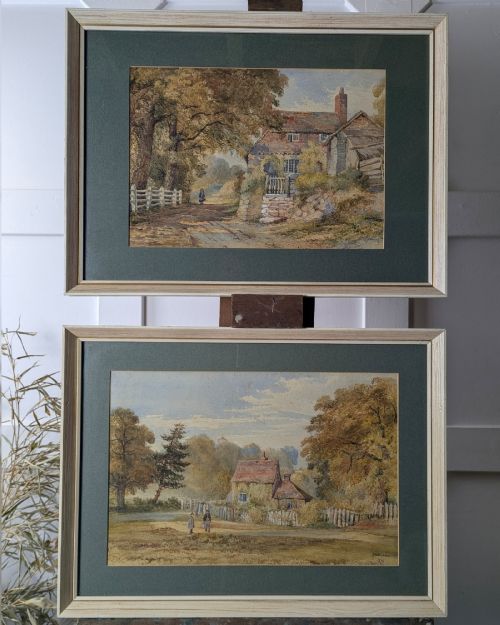
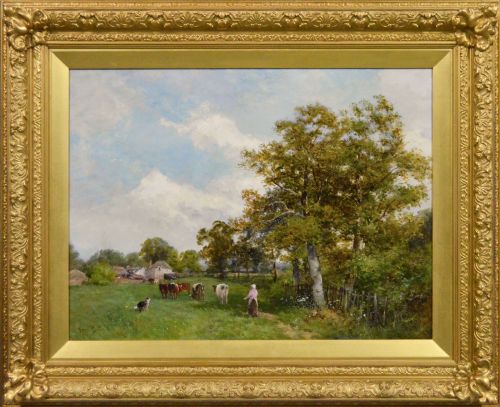
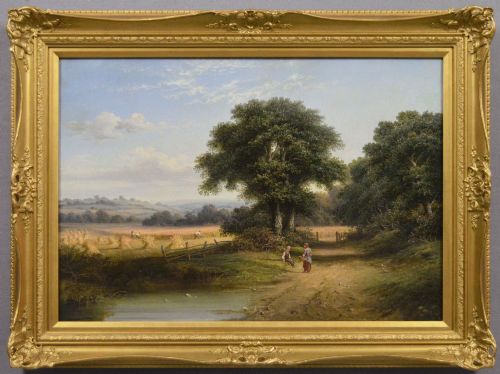
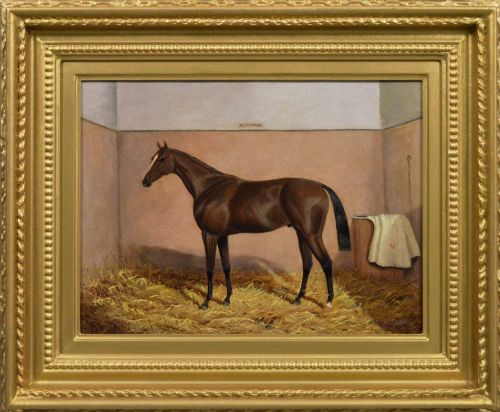
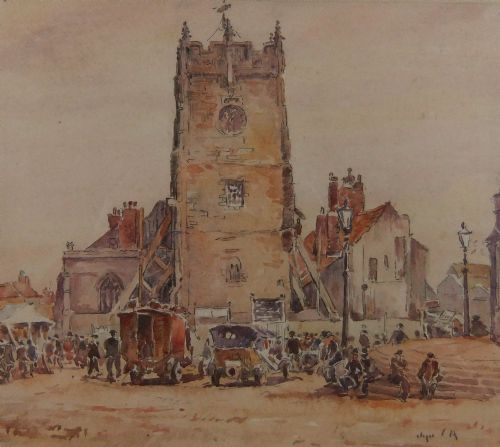
Traditional English wall art spans centuries of oil paintings, watercolours and framed artworks originating from the seventeenth century through to the mid-twentieth century. These pieces record rural landscapes, maritime views, sporting subjects and detailed portraiture executed by named artists and regional English schools.
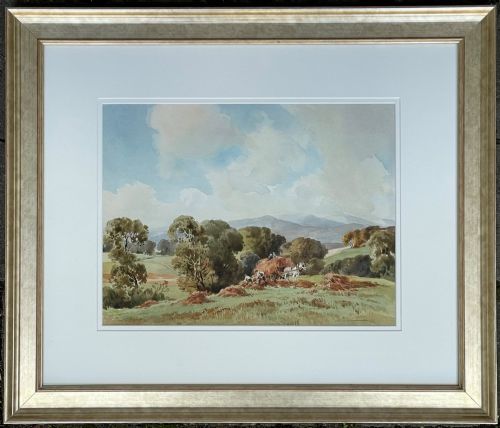
Buyers searching for traditional English wall art most frequently encounter nineteenth-century canvases and watercolours depicting pastoral scenes, river landscapes and coastal harbours. These works often arrive set within period gilt wood frames that complement the traditional subjects.
Materials and methods
The works utilise oil paint applied to canvas, wooden boards or card, alongside delicate watercolours rendered on paper. Artists worked with pigments mixed by hand or supplied commercially, layering tones to capture natural light in landscapes and texture in portraits.
Framing forms an integral part of the construction, employing carved and gilded wood or simple moulded timber to protect the painted surface. Glazing is added to watercolours and works on paper to shield the delicate pigments from atmospheric moisture.
Listings span multiple centuries, uniting seventeenth-century portraits with twentieth-century marine watercolours across various wood, canvas and paper supports.
Distinctions in quality
Quality rests upon the confidence of the brushwork and the artist's ability to render light, atmosphere and anatomical accuracy in figures or animals. Finer examples display assured handling of composition and colour harmony rather than rigid adherence to formulaic studio production.
The preservation of the original surface and the integrity of the ground layer separate superior pieces from those compromised by heavy restoration. Surviving period frames appropriate to the date of the artwork elevate the overall cohesion of the piece.
Alfred Young Nutt·Percy Lancaster·John Horace Hooper·A. Marie Parsons·William Banks Fortescue·Thomas Barker of Bath·David Bates·Walter Heath Williams·Albert Clark·Henry Yeen King·Robert Leslie Howey·Henry H Parker·Thomas Walker Bretland·Sydney Yates Johnson·Hubert Wellington
The Traditional English Wall Art Glossary
- Oil on canvas
- Pigment suspended in drying oil applied to a stretched woven fabric support. This medium allowed artists to build rich textures and deep tones.
- Watercolour
- Pigments ground in a water-soluble binder applied to paper supports. It creates luminous, transparent washes characteristic of historic British landscape sketching.
- Mezzotint
- A printmaking process of the intaglio family where the plate is roughened to achieve rich dark tones and subtle tonal gradations. It was frequently used to reproduce oil portraits.
- English School
- A designation for works produced by British artists whose specific individual identity is unrecorded or attributed to a collective regional tradition. It groups together stylistically linked paintings from particular eras.
Traditional English Wall Art: Frequently Asked Questions
What subjects appear most often in these paintings?
Rural landscapes, river views, coastal harbours and formal portraits dominate the selection. Artists recorded the changing British countryside, agricultural scenes and domestic animals with careful observation.
Maritime watercolours and local topography also feature prominently, reflecting a strong historical interest in regional geography and coastal trade.
How should these framed artworks be displayed at home?
Traditional paintings and watercolours require placement away from direct sunlight and high humidity to protect the pigments and wooden supports. Natural indirect light highlights the brushwork without fading the delicate colours of older watercolours.
Maintaining stable indoor temperatures prevents the canvas or wooden panel from warping over time. Secure wall fixings appropriate for the weight of heavy gilt frames ensure safe exhibition.
How do I identify the period of an artwork?
Stylistic clues within the clothing of portrait sitters, the architectural details of depicted buildings and the framing materials offer clear indications of date. Costume changes and landscape fashions shifted visibly between the seventeenth, eighteenth and nineteenth centuries.
Backboards, stretcher frames and artist inscriptions or labels on the reverse provide further documentation. Examining the type of canvas or paper backing helps confirm the era of production.
What is the difference between oils and watercolours here?
Oil paintings utilise thick pigments on canvas or wood boards, offering rich textures and deep, enduring colour saturation. They capture dramatic lighting effects in landscapes and detailed realism in portraiture.
Watercolours employ transparent washes on paper, creating luminous and delicate atmospheric effects. These works require protective glass framing to prevent moisture damage and surface abrasion.