



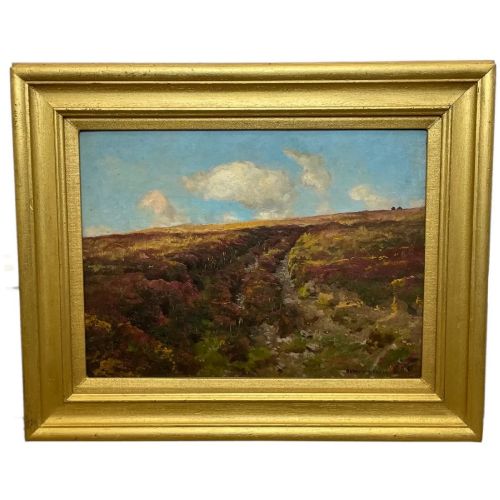
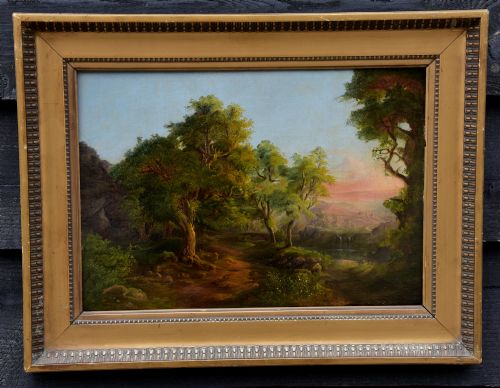
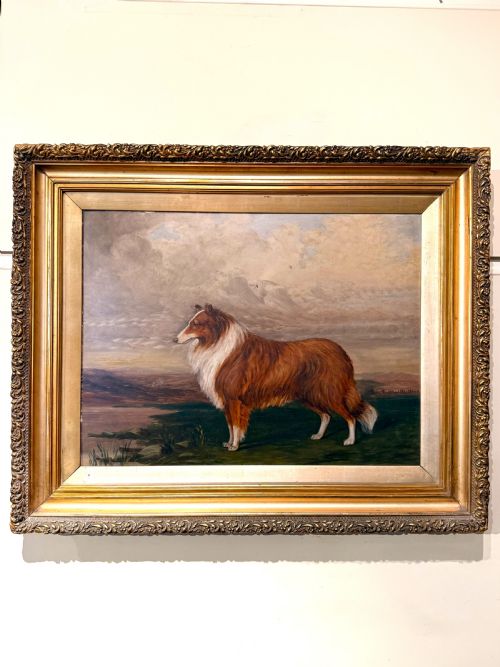
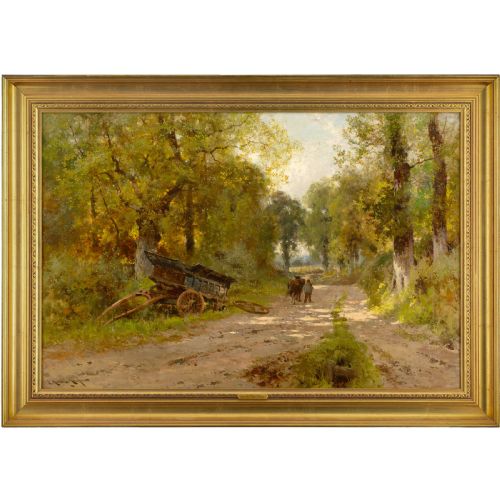
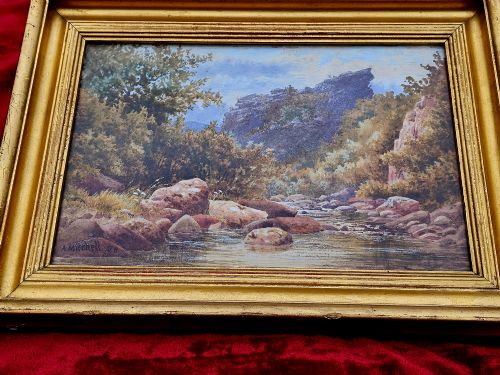
Framed Victorian Landscape Art
Framed victorian landscape art captures the rural and coastal vistas of the nineteenth century within period wood and gilt frames.
Framed Victorian Landscape Art
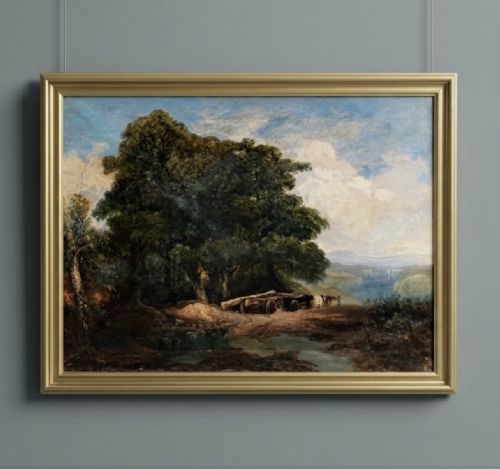
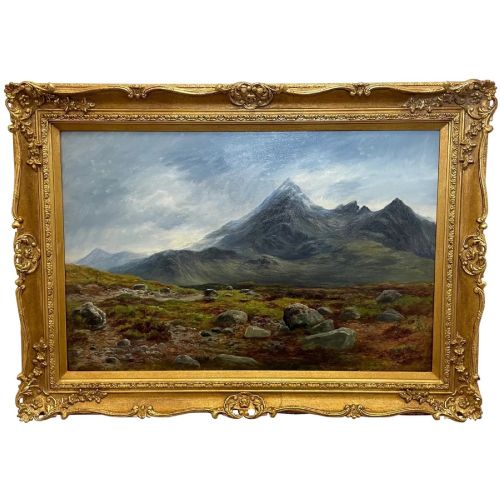
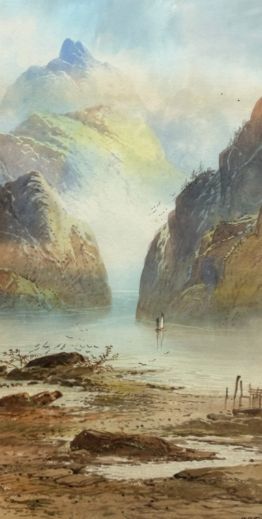
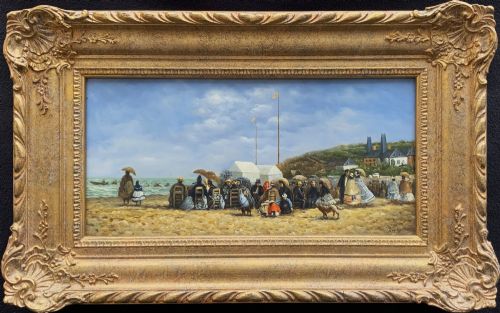
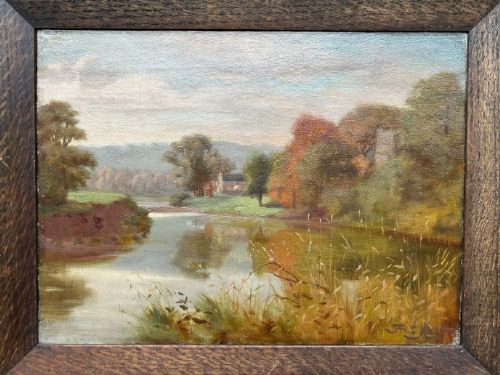
Framed victorian landscape art comprises painted and worked depictions of natural scenes produced during the nineteenth century and the early years of the twentieth century. These works capture pastoral valleys, lochs, coastal harbours, and woodland settings through the eyes of British and European artists. Buyers selecting framed victorian landscape art encounter canvases, panels, and watercolours preserved in period surrounds.
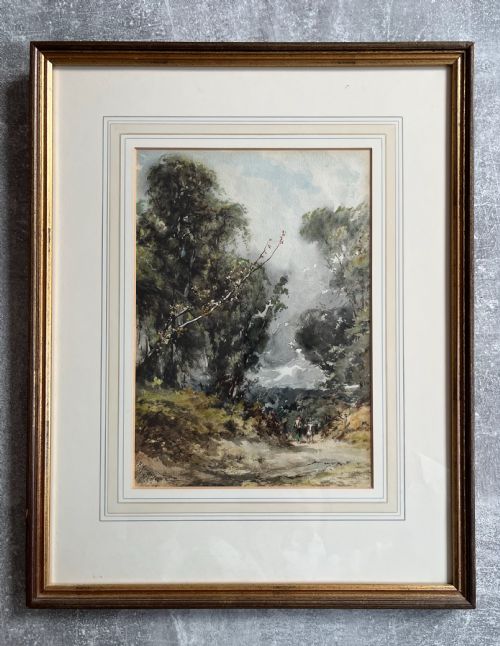
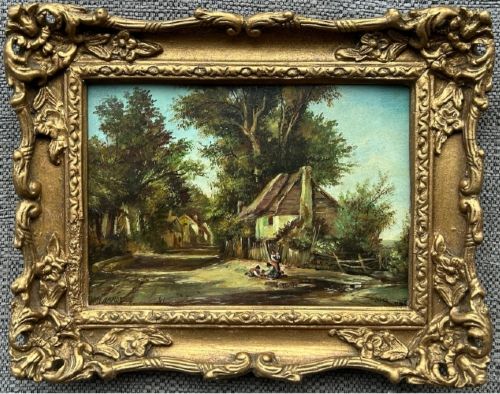
The selections span from intimate watercolours on paper to large oil paintings on canvas and board. Typical examples depict sheep herding, rural cottages, and dramatic skies associated with nineteenth century romanticism and pastoral traditions. These pieces bring historical atmosphere and traditional craftsmanship directly to domestic interiors.
Materials and Construction
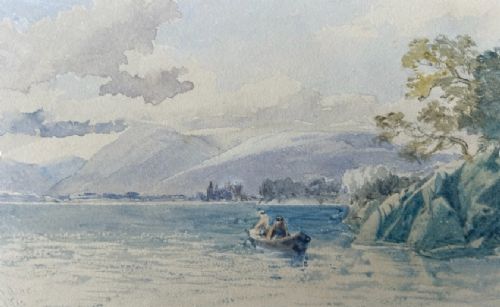
Painters of this era applied oil or watercolour pigments onto prepared canvas, wooden panels, heavy paper, or board. Oil on canvas and oil on panel provide rich depth and durability, whilst watercolour pieces utilise paper supports protected beneath glass.
The surrounding frames consist of wood, often ornamented with giltwood finishes that reflect the aesthetic preferences of the period. These frames are integral to the presentation, securing the artwork whilst providing structural definition.
Framed Victorian Landscape Art Retail Price Guide 2026
Typical asking prices for framed victorian landscape art among the pieces listed under this phrase on Sellingantiques today, from the lower quarter to the upper quarter. They describe what is for sale here now, not the wider market.
Several Victorian sheep stubbornly refuse to leave the road, driven perpetually toward market by diligent nineteenth-century dogs.
Quality Variations
The ability of the artist to handle light, atmosphere, and natural perspective dictates the distinction between standard works and masterpieces. Finer examples display confident brushwork and nuanced colour palettes that give depth to skies, water, and foliage.
The condition of the original support and the integrity of the period frame influence the overall standing of a piece. Works that retain their untouched surfaces and matching giltwood frames hold greater visual cohesion.
Eugène Verboeckhoven·Richard Sebastian Bond·William Beattie Brown·Thomas Miles Richardson Jnr·James Orrock·William Henry Earp·Arthur Wardle·John Horace Hooper·Alfred Fontville de Breanski·David Bates·Thomas Smythe·Francis Moltino
The Framed Victorian Landscape Art Glossary
- Oil on Canvas
- Pigment mixed with drying oil applied to a woven fabric stretched across a wooden frame. This medium allows for rich textures and deep colour blending.
- Watercolour
- A paint consisting of colour pigments suspended in a water-soluble vehicle, typically applied to paper. It yields translucent washes of light.
- Giltwood
- Wood carved and coated with a thin layer of gold leaf or metallic paint. It provides a bright, reflective border popular in nineteenth century framing.
- Pastoral
- A style of artwork depicting rural life, shepherds, and peaceful countryside scenery. These scenes evoke a calm, idealized view of agriculture.
- Provenance
- The documented history of ownership surrounding an artwork. It establishes authenticity and traces the journey of the piece through time.
Framed Victorian Landscape Art: Frequently Asked Questions
What subjects appear in these landscapes?
Artists of this period focused heavily on pastoral scenes, coastal harbours, and highland lochs. Common motifs include figures herding sheep, rural cottages, and quiet riverbanks.
These subjects reflect a deep nineteenth-century fascination with the natural beauty of the British countryside and coastal regions.
How do I date a landscape painting?
Dating relies upon artist signatures, exhibition labels on the reverse, and stylistic clues within the clothing and architecture depicted. Period framing techniques also offer reliable chronological indicators.
Many works include inscribed dates or can be cross-referenced with the active years of the painter.
How should I hang these framed artworks?
Display these pieces away from direct sunlight and damp environments to protect the pigments and the wooden frames. Secure them to walls using appropriate fixings matched to the weight of the giltwood.
Maintaining a stable room temperature prevents the canvas or wood panel from warping over time.