



Rural Scene Watercolour
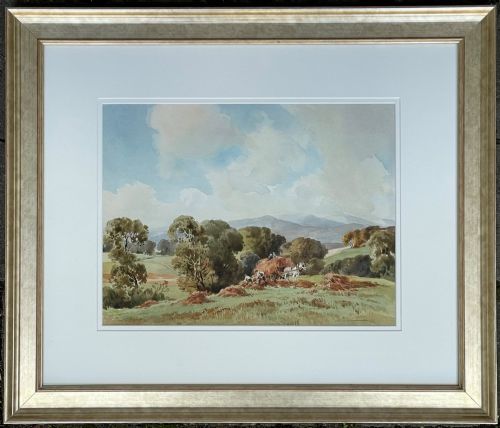
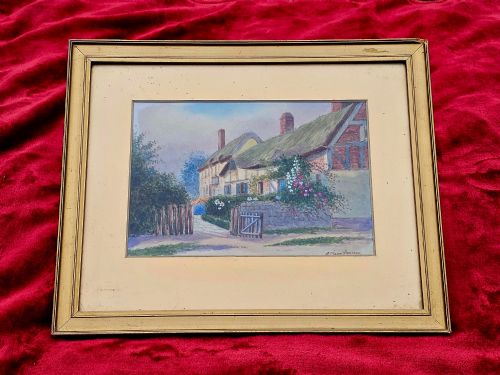
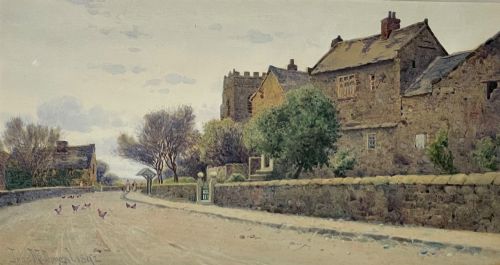
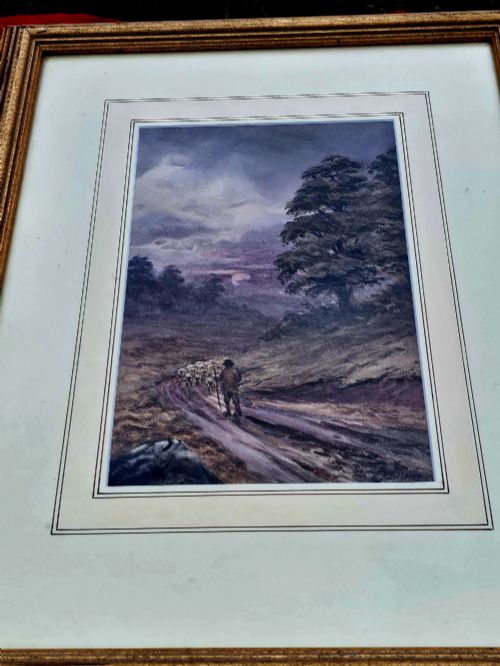
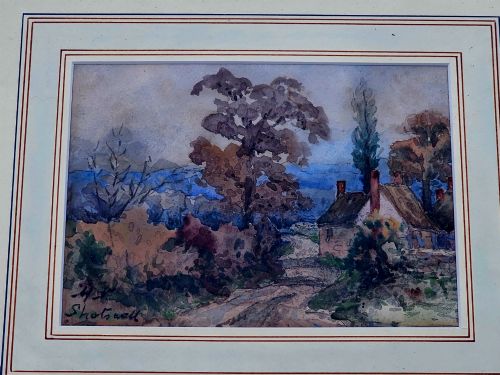
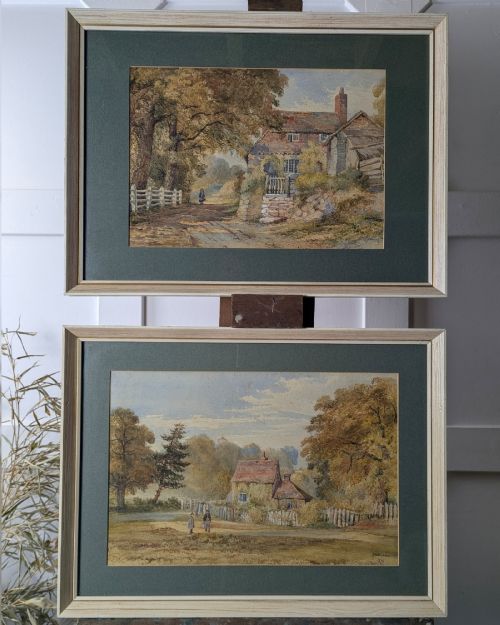
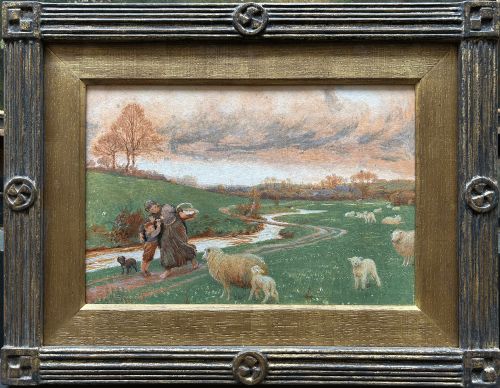
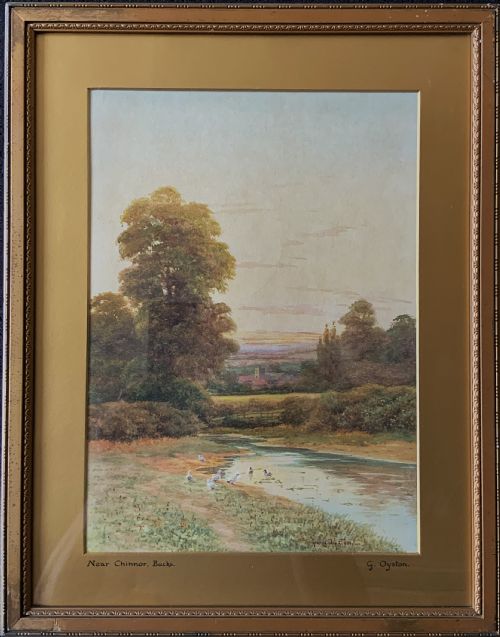
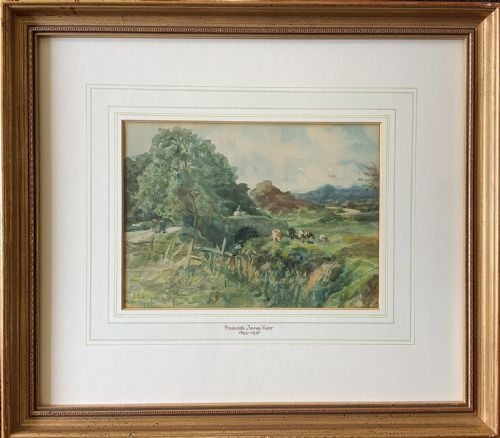
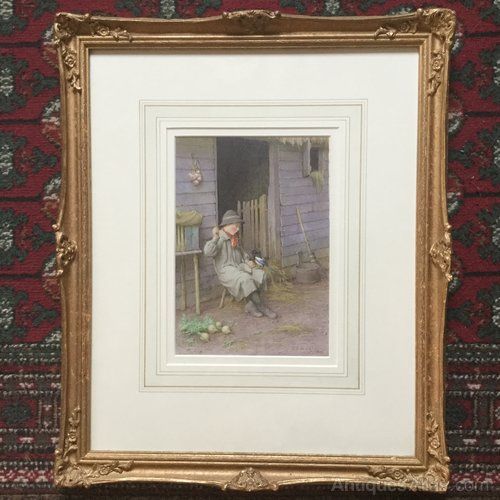
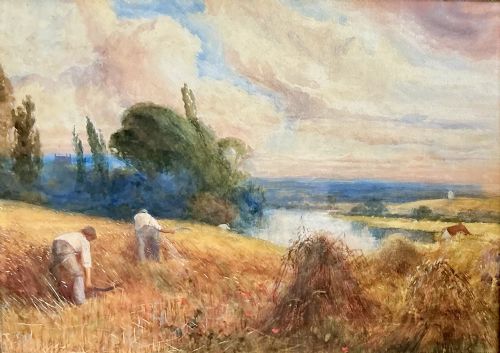
These rural scene watercolour paintings capture quiet countryside moments, river landscapes and pastoral views on paper.
Understanding rural scene watercolour
A rural scene watercolour brings traditional British pastoral life into a room through delicate pigment applied to paper. The pieces on this page span the late nineteenth century and the early twentieth century, showing periods like the Victorian era alongside British Impressionism and the Traditional British School.
Buyers encounter framed artworks featuring subjects ranging from shepherds with flocks and farmworkers' cottages to river landscapes and country tracks. Forms include wall art and paintings preserved beneath glass within wood and gilt wood frames.
Materials and technique
These works utilise watercolour pigments on paper support, capturing light and atmosphere through washes of transparent colour. The physical composition relies on traditional methods where artists built up pastoral views using layered pigment.
Framing often involves wood and gilt wood surrounds combined with protective glass, preserving the delicate paper surfaces from environmental damage over the decades.
Retail Price Guide 2026
Typical UK retail prices for rural scene watercolour, calculated from the Sellingantiques database of over a million retail prices indexed since 2003. This retail price guide relies exclusively on Sellingantiques data; no external sources or auction records are used, so the figures do not describe the wider market.
Listings feature paper, glass, wood, and pigment across Victorian and early twentieth-century periods.
Judging quality
Quality rests in the confidence of the brushwork and the artist's ability to render light across a landscape, separating masterly composition from simple illustration. The depth of the pigment and the subtlety of tone determine the visual impact of each pastoral view.
The preservation of the paper and the suitability of the original or period frame contribute to the overall integrity of the piece. Strong provenance and clear signatures by known hands elevate individual works above unsigned school pieces.
Colin H Greenwood·W Tatton Winter·Horace Augustus Mummery·J W Milliken·Thomas Bush Hardy
The Rural Scene Watercolour Glossary
- Watercolour
- A painting method in which the paints are made of pigments suspended in a water-based solution. It requires a swift and decisive hand on paper because alterations are difficult to conceal.
- Gilt Wood
- Wood that has been treated with a thin layer of gold leaf or gilt finish. It frequently frames these nineteenth-century pictures.
- British Impressionism
- A painting style focusing on light and everyday subjects that emerged in Britain during the late nineteenth century. It appears in several pastoral works of this period.
- Pigment
- The finely ground coloured powder that creates the visible medium on the paper. Artists mix this with water to achieve varying degrees of transparency.
Frequently Asked Questions
How should I hang a watercolour?
Keep these works away from direct sunlight to prevent the pigments from fading across the paper.
Ensure the room maintains a stable humidity level to protect both the paper support and the wooden frame.
Are these paintings signed?
Many pieces carry artist signatures or attributions that link them to specific hands of the Victorian and early twentieth-century periods.
Unsigned examples are often attributed to the British School of the same era based on style and technique.
What frames are typical?
Most works are housed in traditional wood or gilt wood frames that complement the pastoral subject matter.
Glass fronts protect the delicate watercolour surface from dust and handling.
Which periods are represented?
The selection spans the late nineteenth century through to the early twentieth century, including Victorian works.
Styles range from traditional British landscapes to British Impressionism.