



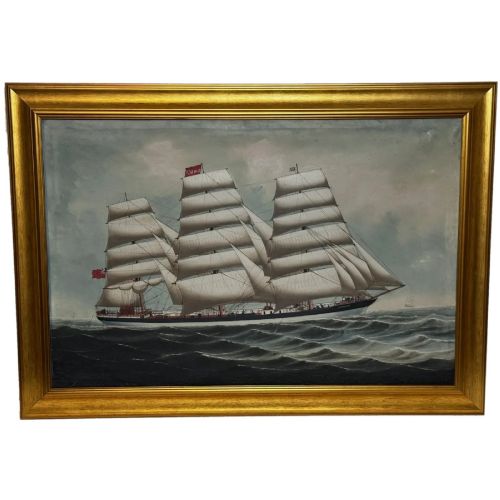
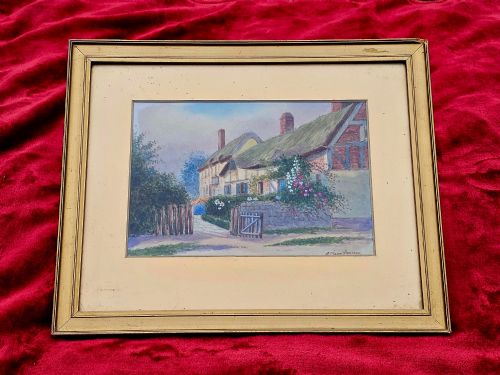
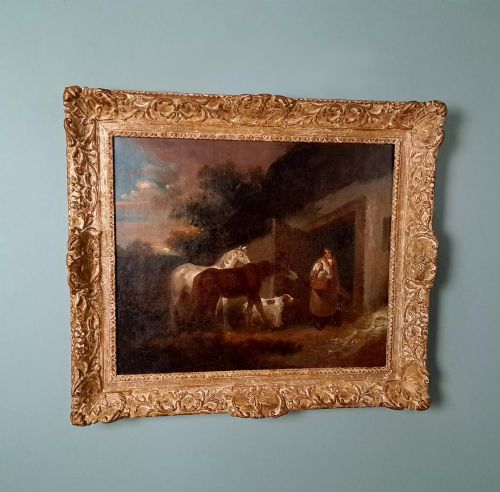
Traditional Landscape Artwork
Traditional landscape artwork brings the countryside, rivers and coastlines of past centuries into modern rooms through oil paint and watercolour.

Traditional Landscape Artwork
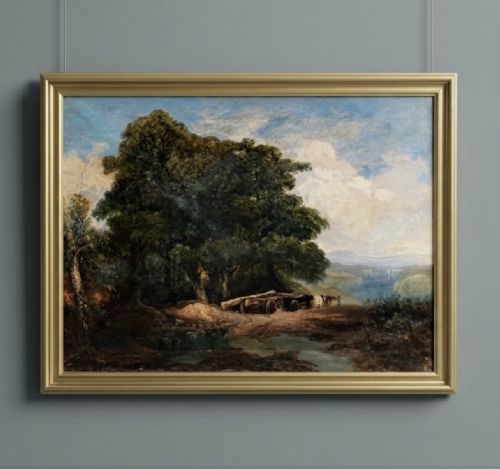
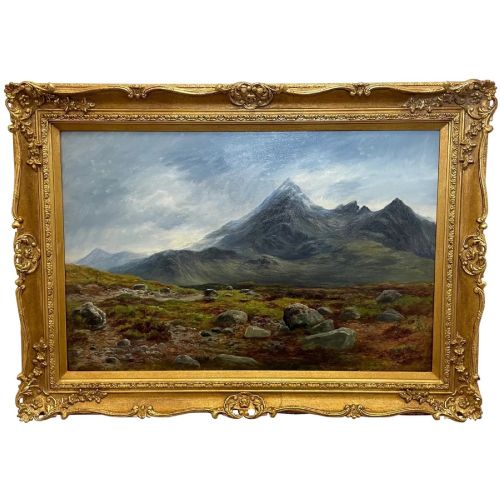
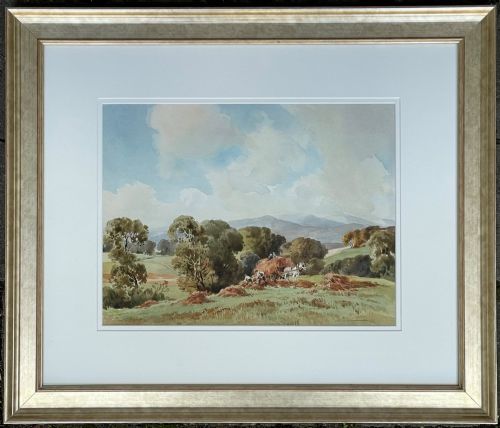
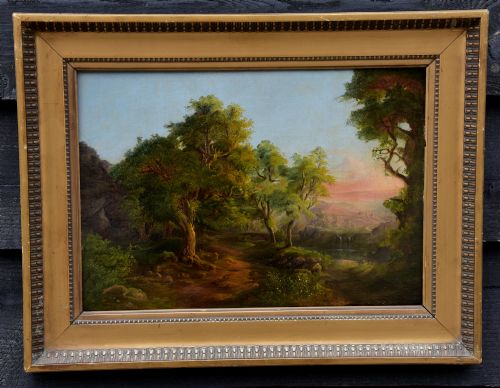
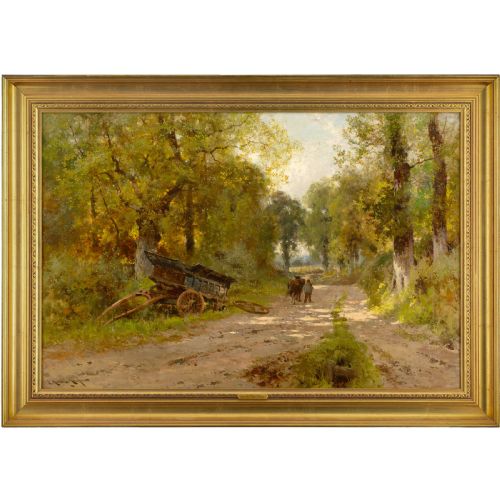
Traditional landscape artwork captures rural scenes, pastoral valleys, coastal views and woodland paths created across the nineteenth and early twentieth centuries. These pieces record topographical observations and romantic interpretations of British, Scottish and European scenery using established academic methods.
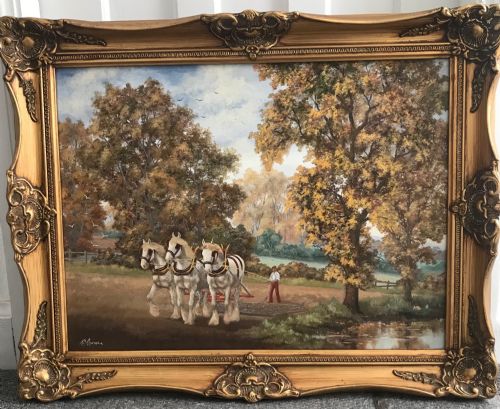
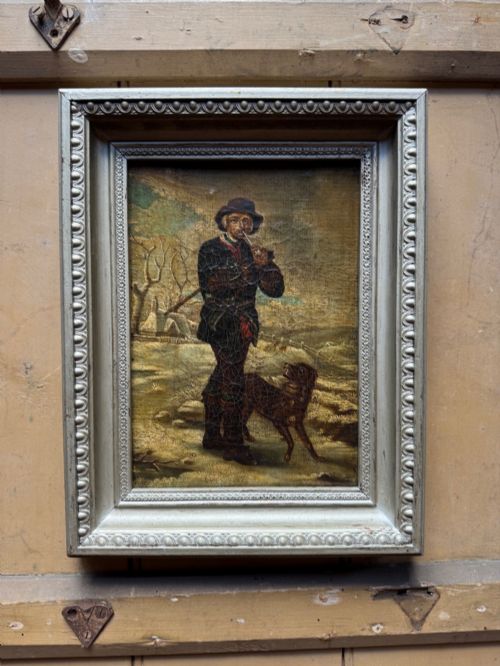
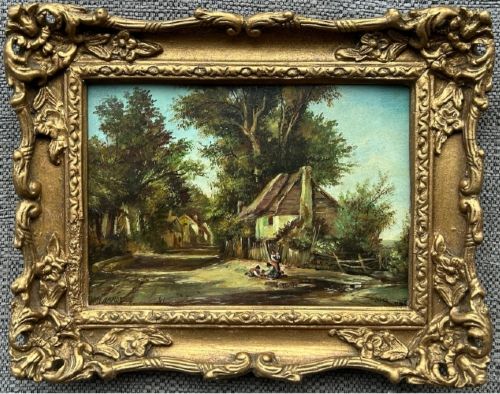
The most common examples on this page are oil paintings on canvas or wood panel alongside watercolours on paper. Many are framed in period gilt wood and date from the Victorian and Edwardian eras, depicting subjects such as rivers, livestock and cottages.
Materials and construction
Painters utilised oil paint applied to stretched canvas, wooden panels or thick paper boards to build rich textures and deep colour tones. Watercolour works rely on pigments washed across textured paper to capture lighter atmospheric effects in riversides and coastal harbours.
Framing often involves moulded gilt wood or carved timber surrounds that protect the edges of the canvas or paper. Many original pieces retain their period frames, showing hand-finished gilding and decorative corner details contemporary to the painting.
Traditional Landscape Artwork Retail Price Guide 2026
Typical asking prices for traditional landscape artwork among the pieces listed under this phrase on Sellingantiques today, from the lower quarter to the upper quarter. They describe what is for sale here now, not the wider market.
Materials recorded across the inventory include canvas, wood panels, gilt wood frames and handmade paper.
Distinctions in quality
Quality rests upon the confidence of the brushwork, the handling of light and shadow, and the anatomical accuracy of figures or animals within the composition. Stronger works demonstrate a clear spatial depth and subtle colour blending rather than stiff mechanical application.
The fidelity of the original framing and the clarity of the artist's signature or attribution contribute further distinction. Pieces originating from recognised regional schools or exhibiting documented provenance command greater attention from collectors.
Richard Sebastian Bond·William Beattie-Brown·Tom Campbell·Alfred Young Nutt·George Houston·David Bates·Robert John Hammond
The Traditional Landscape Artwork Glossary
- Oil on Canvas
- A painting medium where pigments bound in drying oil are applied to woven canvas stretched across a wooden frame. This technique allowed artists to create smooth gradations and heavy impasto textures.
- Watercolour
- A painting method where water-soluble pigments are diluted and applied to paper surfaces. It produces transparent washes ideal for capturing skies and open water.
- Wood Panel
- A rigid support surface made from timber used by painters before stretched canvas became standard. Panels provide a stable foundation that prevents cracking in smaller works.
- Gilt Wood
- Timber carved or moulded and coated with a thin layer of gold leaf or metallic gilt finish. It was commonly used for traditional picture frames during the nineteenth century.
- Provenance
- The documented history and ownership lineage of an artwork. Clear provenance helps verify the authenticity and approximate date of a piece.
Traditional Landscape Artwork: Frequently Asked Questions
How do I date a traditional landscape painting?
Dating relies on stylistic clues, framing materials, artist signatures and any inscriptions found on the reverse of the canvas or panel. Nineteenth-century works often feature specific canvas stamp marks and stretcher designs.
Comparison with documented works by the same artist or regional school helps narrow the decade of creation. Costume details in figures and livestock breeds can also provide helpful chronological markers.
Are these artworks original pieces?
The selection consists of original hand-painted works created directly by artists rather than modern mass-produced prints. Each piece displays unique brushstrokes and physical texture characteristic of historical painting.
Signatures, attribution notes and exhibition labels further confirm the individual creation of each canvas or watercolour.
How should I care for antique oil paintings?
Oil paintings require stable indoor humidity and protection from direct sunlight to prevent canvas sagging and pigment fading. Dusting should be done gently with a soft, dry brush without applying cleaning liquids.
Professional conservation is recommended if the surface accumulates stubborn grime or if the varnish layer yellows over decades.
What subjects are common in these paintings?
Common subjects include pastoral river valleys, highland mountains, coastal harbours, woodland paths and agricultural scenes with figures or animals. These motifs reflect the nineteenth-century appreciation for rural life and natural topography.
Scenes often capture specific British and European locations recorded during sketching tours or Grand Tour travels.