

Victorian River Painting
A victorian river painting captures nineteenth-century waterways through traditional oil and watercolour, bringing historic pastoral scenes into your home.
Victorian River Painting
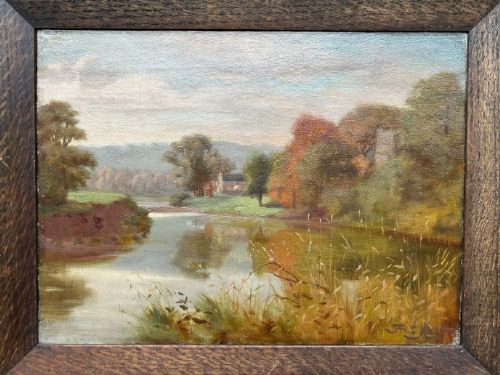
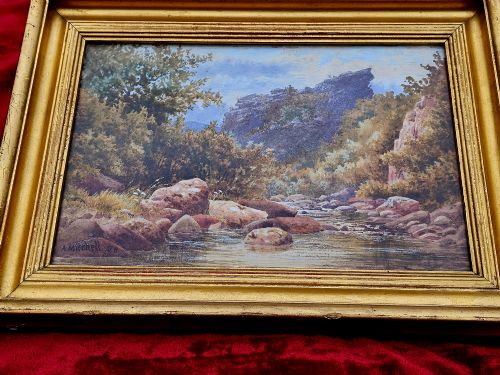
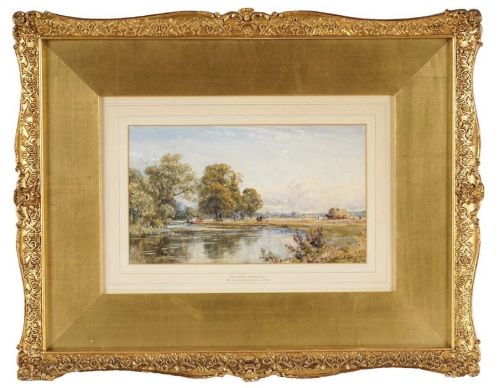
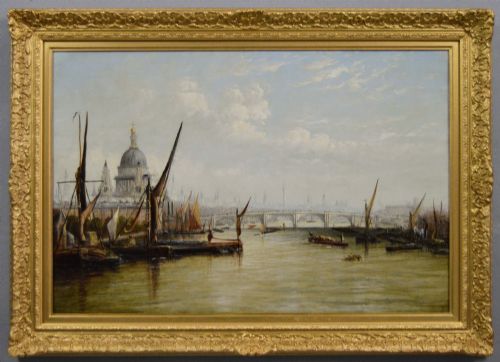
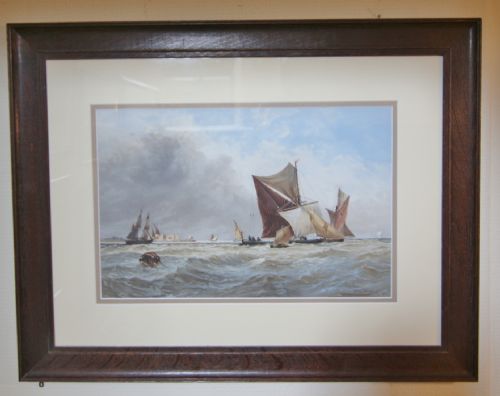
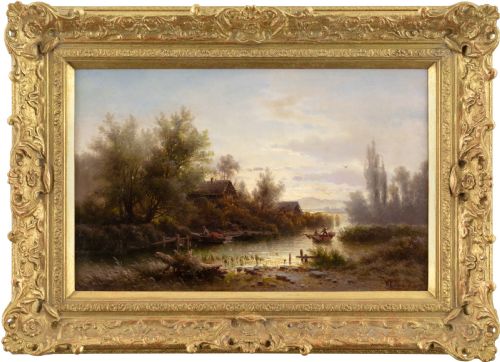
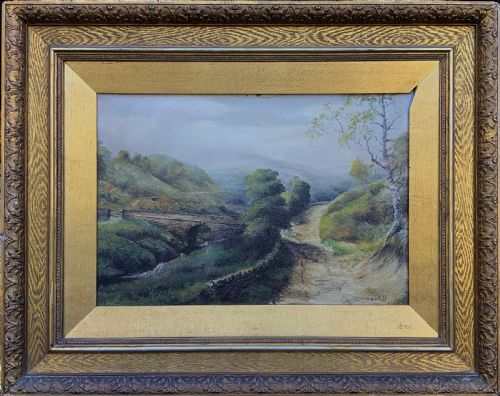
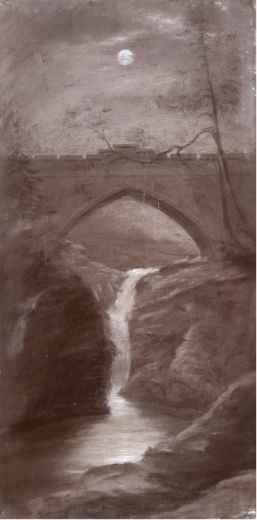
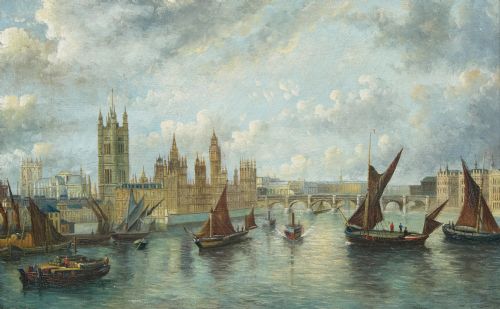
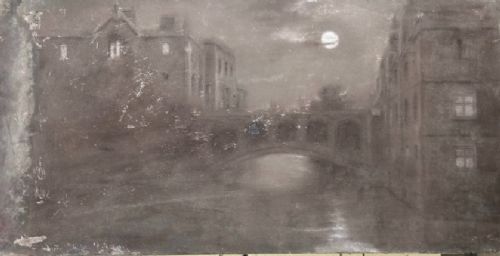
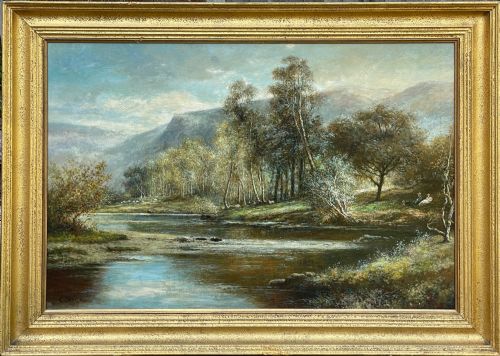
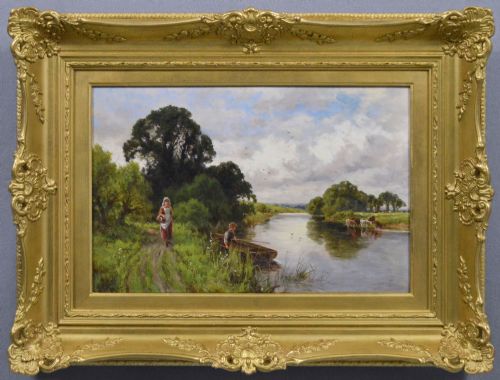
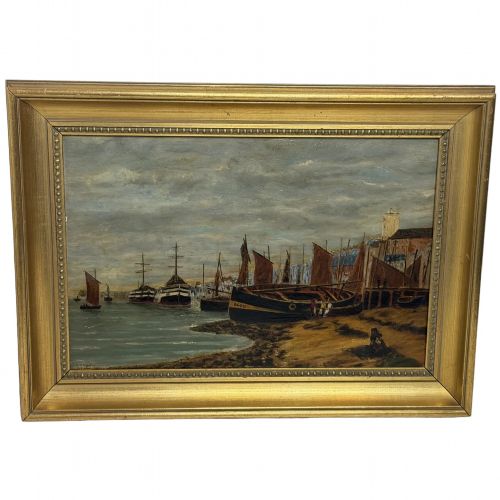
A victorian river painting encompasses nineteenth-century depictions of waterways, ranging from tranquil pastoral streams to bustling commercial ports. Buyers frequently encounter watercolours on paper and oil paintings on canvas depicting iconic British rivers such as the Thames, Tyne, and Medway. These artworks capture the changing light of the period through distinct regional styles including Victorian Naturalism and Edwardian Tonalism.
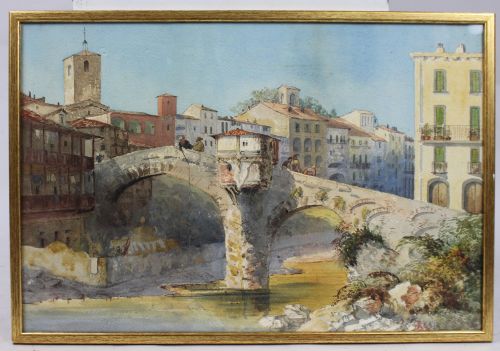
The subjects extend beyond purely rural idylls to incorporate townscapes, shipping scenes, and industrial activity along the water's edge. Works signed by listed Royal Academy exhibitors sit alongside pieces attributed to the broader British and continental schools of the nineteenth century. Framing typically consists of period gesso and giltwood settings that complement the traditional canvas or paper mediums.
What Varies in Quality
The distinction between standard works and exceptional examples lies in the artist's handling of light, atmospheric depth, and topographical precision. Masterful brushwork brings movement to water and air, whereas lesser examples rely on formulaic foliage and rigid composition.
Provenance and documentation elevate certain pieces, particularly those exhibited at the Royal Academy or signed by recognised nineteenth-century masters. The integrity of the original giltwood and gesso frame also contributes significantly to the overall standing of the piece.
Several artists clearly spent long hours getting damp by locks and riversides just to paint a cow looking meditative.
Francis Moltino·TB Hardy·Albert Rieger·Henry H Parker·Thomas Baker of Leamington·Charles William Wyllie·Cornelius Pearson·Edwin Lord Weeks·John Ferneley Senior·Stuart Lloyd
The Victorian River Painting Glossary
- Gesso
- A plaster-like material applied to wooden frames before gilding. It provides a smooth base for intricate moulded decoration.
- Giltwood
- Timber carved and coated with gold leaf. This material defines the traditional frames surrounding nineteenth-century paintings.
- Watercolour
- Pigment suspended in a water-soluble binder applied to paper. It was widely utilised by Victorian artists for luminous landscape studies.
- Oil on Canvas
- Pigment mixed with drying oil applied to a stretched woven fabric support. This medium allows for rich colour blending and texture.
- Tonalism
- An artistic style focusing on shadow and atmospheric mood rather than crisp topographical detail. It became prominent towards the end of the nineteenth century.
Victorian River Painting: Frequently Asked Questions
What subjects appear in these paintings?
The compositions feature British and European waterways, ranging from quiet rural streams with cattle to busy commercial docks and bridges.
Artists frequently recorded specific locations such as the River Thames, Whitby harbour, and Welsh estuaries alongside imagined pastoral landscapes.
How should I hang a period oil painting?
Display the artwork away from direct sunlight and fluctuating heat sources to protect both the canvas and the gilt frame.
Ensure the wall fixings are adequate for the combined weight of the painting and its heavy wood or gesso enclosure.
Are watercolours as durable as oils?
Works on paper require protection behind glass and conservation-grade mounting to prevent fading from light exposure.
When properly framed and kept away from damp conditions, nineteenth-century watercolours remain stable and vibrant.
How can I identify the date of a piece?
Look for artist signatures, dates inscribed on the canvas or reverse, and exhibition labels from institutions like the Royal Academy.
Construction details of the stretcher bars and the style of the original giltwood frame offer further chronological indicators.