

British Rural Scene Painting
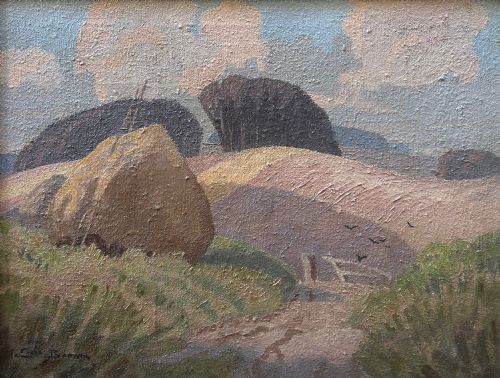
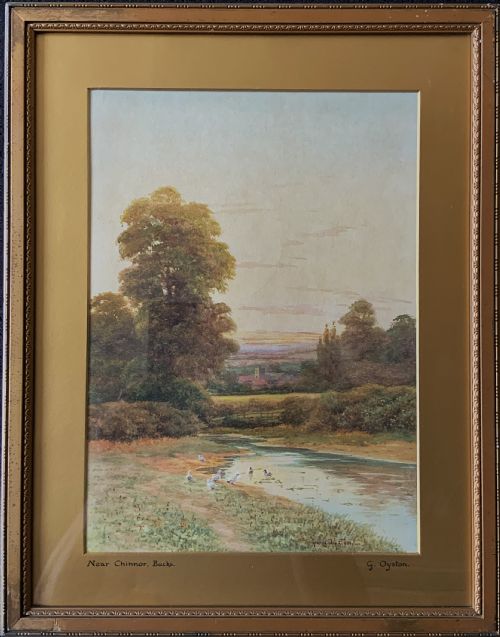
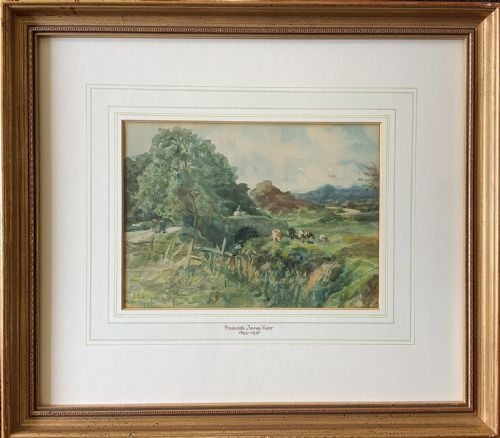
British rural scene painting captures the fields, rivers, and farmyards of the countryside through the eyes of nineteenth and early twentieth-century artists.
British Rural Scene Painting
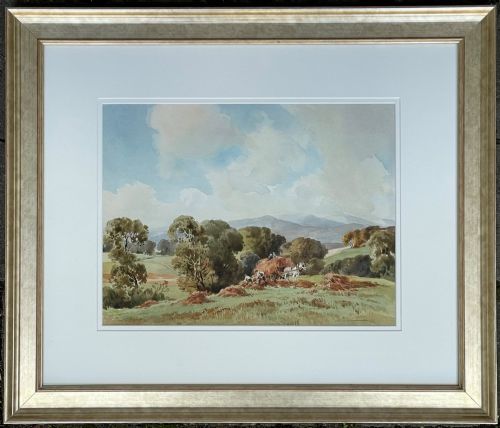
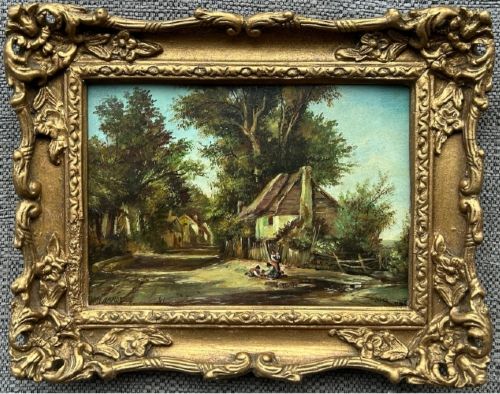
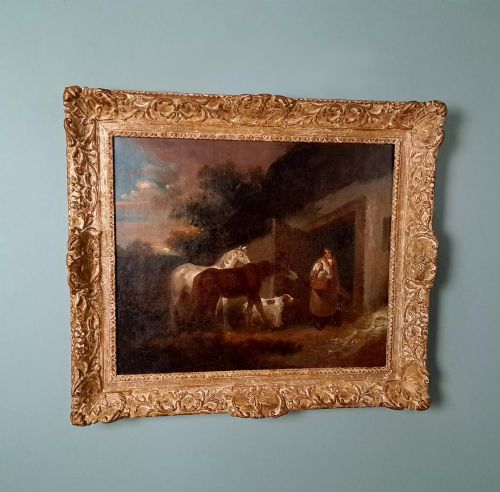
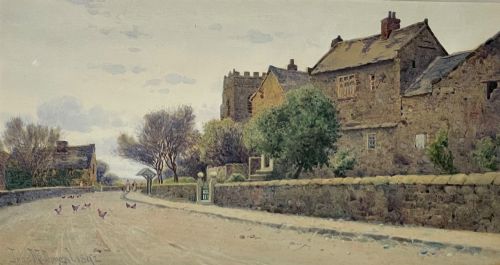
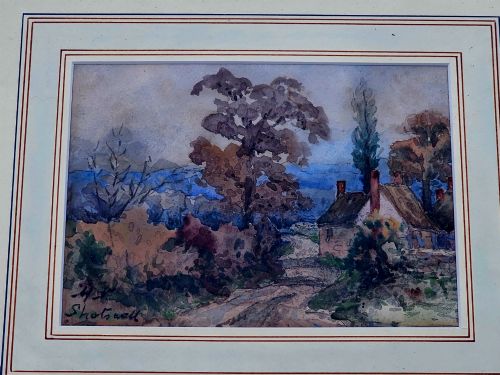
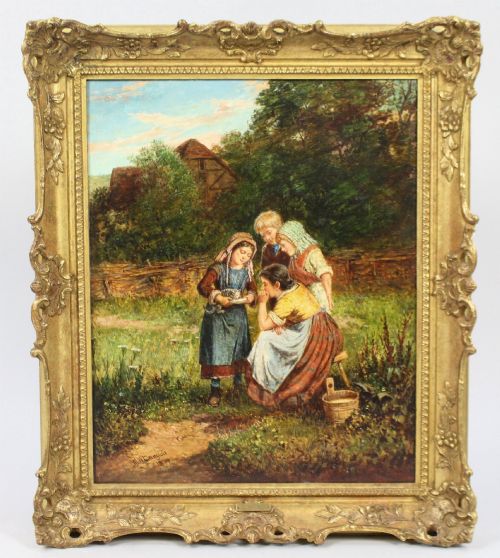
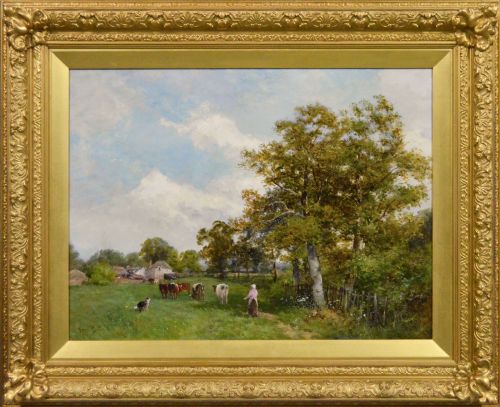
A british rural scene painting depicts agricultural life, pastoral landscapes, and village settings across the nineteenth and early twentieth centuries. The works recorded here range from nineteenth-century pastoral canvases to early twentieth-century impressionist watercolours.
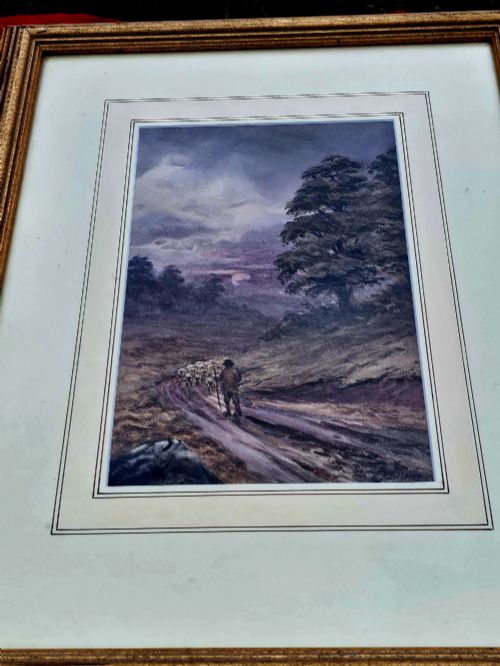
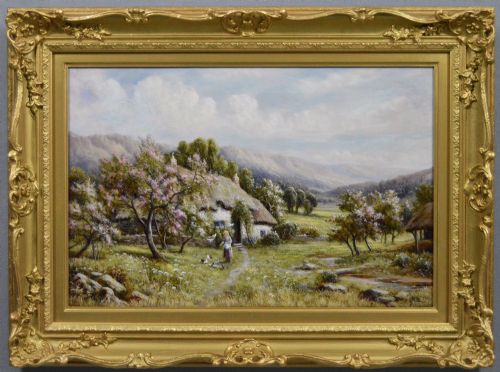
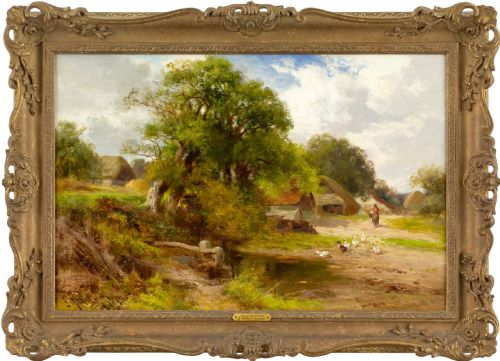
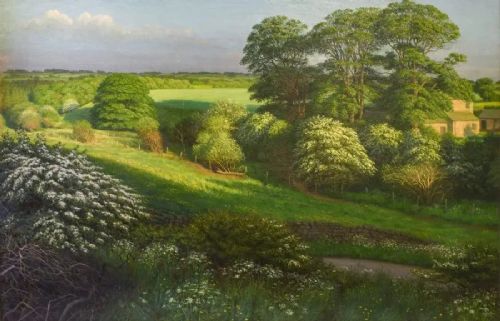
Most pieces encountered on this page feature everyday country life, such as figures herding sheep, harvesting hay, or working near thatched cottages. These works capture the changing light of the English countryside using traditional compositions established by the English School.
How They Were Made
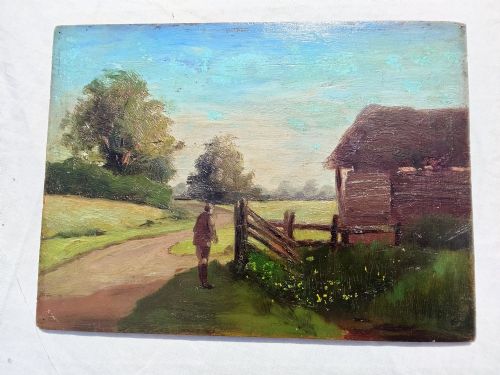
Artists applied oil paint to stretched canvas, wooden panels, or wooden boards to create durable landscapes with rich textures. Watercolours were painted on paper, allowing for lighter washes that captured atmospheric weather and river scenes.
Makers utilised brushes of varying thickness to build up details of foliage, livestock, and human figures. Many works were signed by the artist and finished with protective layers of varnish or framed behind glass.
Commonly depicted animals in these scenes include sheep, cattle, shire horses, and farm geese tended by rural figures.
What Varies in Quality
Quality rests upon the artist's ability to handle light, shadow, and movement within a landscape. Stronger pieces display confident brushwork and accurate proportions in figures and animals, whereas weaker examples rely on rigid lines and flat colour fields.
The choice of medium and surface also influences the finished depth of a work. Panels and high-grade canvases preserve pigment integrity better over time than thin paper works affected by light exposure.
Percy Lancaster·William Howard Hardy·William Joseph Shayer Senior·John McDougal·Mark William Langlois·David Bates·Robert John Hammond·John Horace Hooper·Raymond Booth·Eric Brown·George Oyston·Frederick James Kerr·Edgar Hunt·William Greaves·Frederick Hines·Sydney Yates Johnson·Herbert Royle·Ernest Higgins Rigg·Owen Bowen·Henry John Yeend King·Ernest Pile Bucknall·Henry John Boddington·Frederick James Knowles·Colin H Greenwood·Henry Bailey
The British Rural Scene Painting Glossary
- Oil on Canvas
- Pigment mixed with drying oil applied to a woven fabric support. This combination allows for rich blending and textured impasto work.
- Watercolour
- A paint consisting of colour suspended in a water-soluble vehicle, typically applied to paper. It creates translucent washes suited to skies and rivers.
- English School
- A classification for artists working within Britain who shared stylistic traditions. This grouping reflects shared regional subjects rather than a formal academy.
- Victorian Pastoral
- A nineteenth-century style focusing on idealized rural life and agricultural labour. These scenes emphasise harmony between workers, animals, and the countryside.
British Rural Scene Painting: Frequently Asked Questions
What subjects appear in these paintings?
The artworks primarily show agricultural laborers, farm animals, rivers, and cottages across British regions. Common motifs include haymaking, herding sheep, and fishing under willow trees.
These subjects reflect nineteenth and early twentieth-century rural life before mechanization reshaped the countryside. Artists recorded both sweeping vistas and intimate village moments.
How do I identify the period of a painting?
Periods can be determined through framing styles, signatures, and the clothing worn by figures in the composition. Victorian works often feature detailed realism, while twentieth-century pieces lean towards impressionist techniques.
Examining the backing materials and canvas types also helps establish the age of the piece. Written inscriptions on the reverse frequently provide specific dates and locations.
Where were these rural scenes painted?
Artists travelled across various British counties, capturing landscapes in Yorkshire, Essex, Sussex, and Buckinghamshire. Specific locations are often noted in the titles or on the back of the frames.
These regional settings allowed painters to explore different topographies, from northern moors to southern river valleys.
How should I display watercolour paintings?
Watercolours on paper require framing behind glass to protect them from dust, moisture, and handling. Acid-free mounts prevent the paper from discolouring over time.
Placement away from direct sunlight preserves the delicate pigments used in these works. Controlled indoor lighting ensures the paintings remain clear and legible on the wall.