





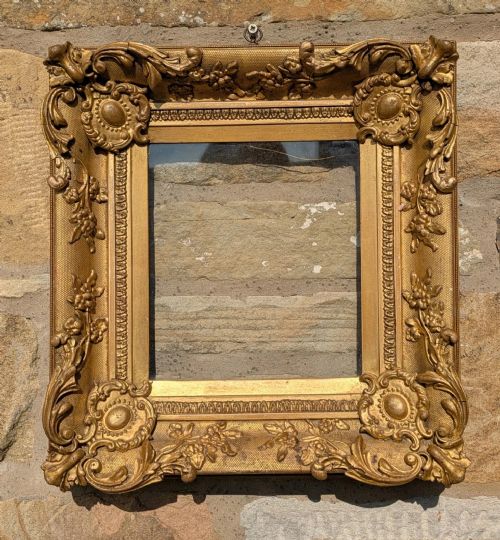


Ornate Giltwood Picture Frame
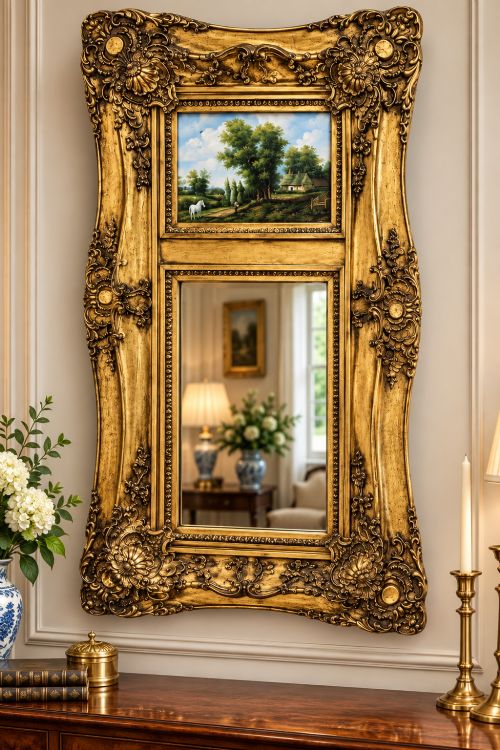
An ornate giltwood picture frame brings heavy, carved character to a plain wall, housing canvases or reflecting light as a mirror.
Ornate Giltwood Picture Frame
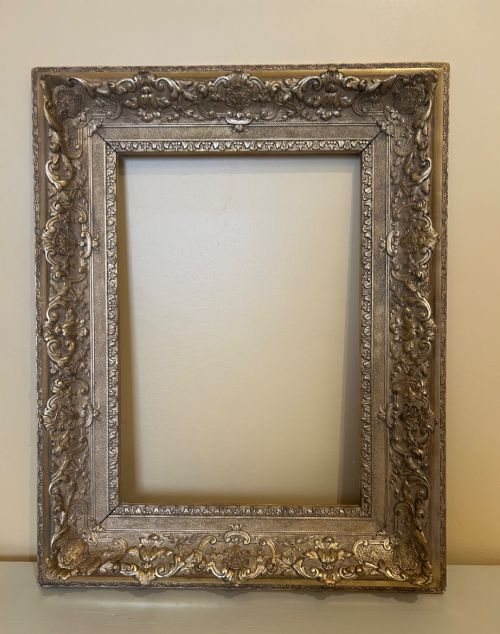
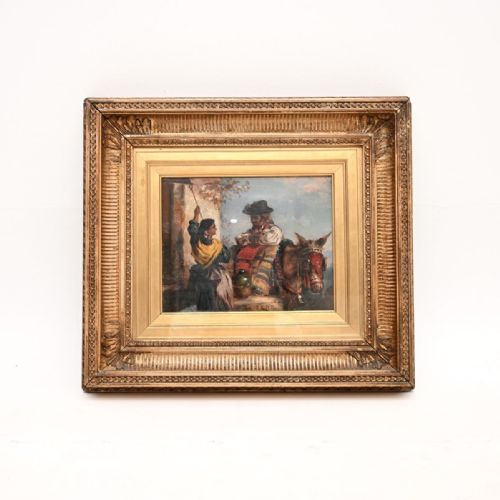
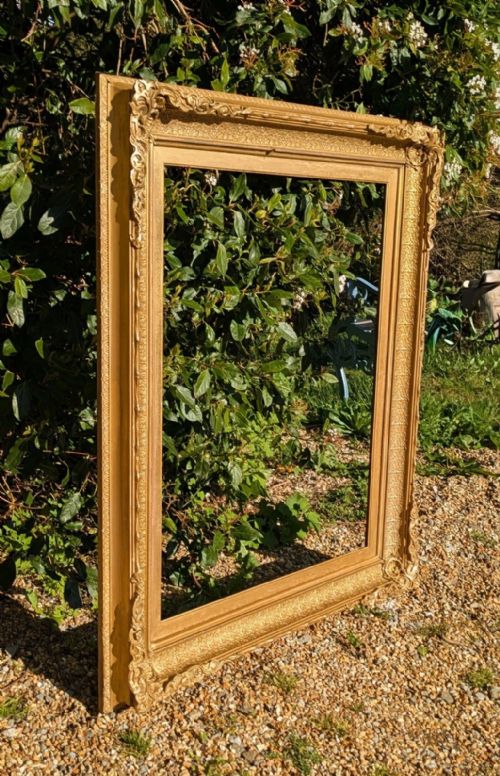
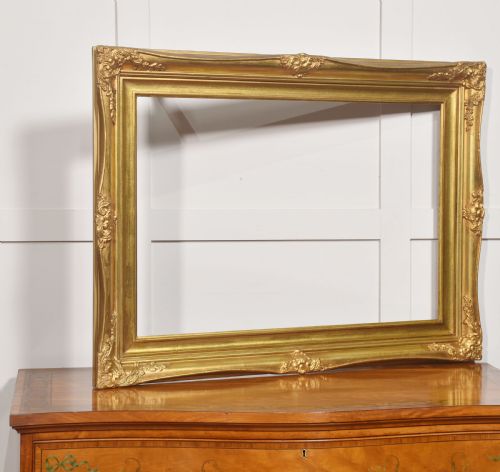
When you search for an ornate giltwood picture frame, you encounter heavily carved mouldings designed to hold oil paintings, portraits, landscapes, or glass mirrors.
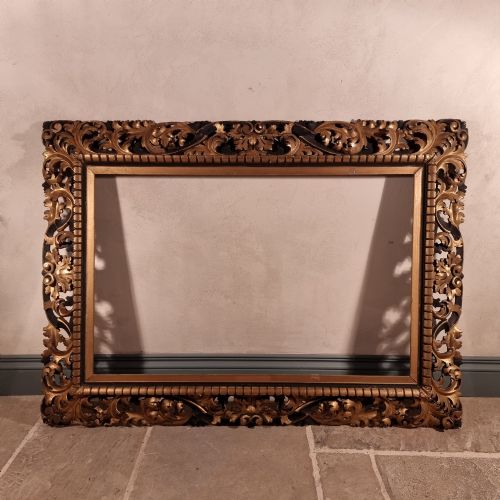
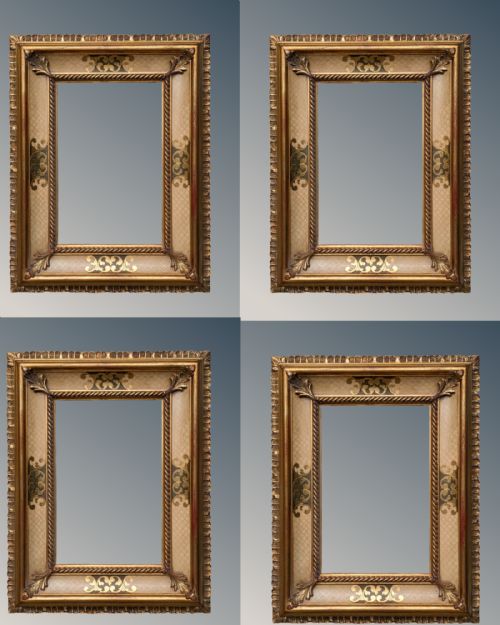
The versions most common on this page hail from the nineteenth century, incorporating Victorian, Rococo Revival, Florentine, and Baroque styles.
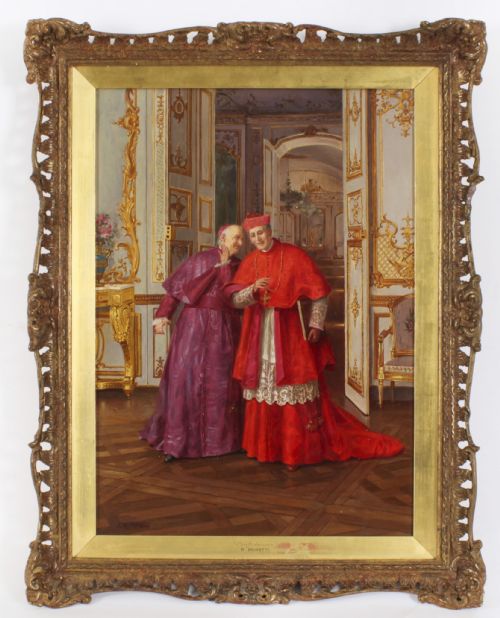
Many examples double as wall mirrors, while others still contain period oil paintings on canvas depicting landscapes, animals, or figures.
Materials and construction
Makers built the structural carcasses from timber or wood, applying layers of gesso to build up intricate relief ornaments before gilding.
Gold leaf or liquid gilding covers the surface, catching the light across deep cavettos, scrolling acanthus leaves, and floral motifs.
Frames designed for artworks often include canvas inserts, stretchers, or backing panels alongside the primary timber frame.
Current listings feature frames and mirrors spanning the seventeenth century through to the nineteen-thirties, utilising timber, gesso, and gold leaf.
Assessing quality and craftsmanship
Quality rests in the depth and sharpness of the carving, distinguishing hand-carved wooden relief from soft, brittle moulded gesso.
The integrity of the original gold leaf surface dictates the visual weight, with burnished areas contrasting against matte recesses.
Substantial depth in the rebate and moulding profile creates shadow and presence on the wall.
Renato Moretti·Thomas Kent Pelham·John Arthur Lomax·Claude Cardon·George Goodwin Kilburne·William Mellor·Thomas E Francis·Francesco Bergamini
The Ornate Giltwood Picture Frame Glossary
- Giltwood
- Wood that has been coated with gold leaf or gold paint. This finish creates the characteristic bright metallic sheen seen on period frames.
- Gesso
- A plaster mix applied to wood frames to create a smooth base for carving or moulding. It accepts fine detail work before gilding.
- Rococo Revival
- A nineteenth-century design style mimicking eighteenth-century French asymmetry. It relies on C-scrolls, shell motifs, and exuberant floral carving.
- Cassetta
- A flat-profile frame style with raised inner and outer mouldings. Renaissance Italian makers popularised this balanced form.
- Swept frame
- A frame profile featuring undulating, sweeping curves along its outer and inner edges. This style adds dynamic movement to the mounted artwork.
Ornate Giltwood Picture Frame: Frequently Asked Questions
How do I hang a heavy antique frame safely?
Heavy nineteenth-century timber and gesso frames require robust fixings attached directly to wall studs or masonry using appropriate wall anchors.
Verify that the hanging cord or D-rings screwed into the frame back can support the substantial combined weight of the wood and glass or canvas.
Can I use these frames for modern mirrors?
Many empty frames from this period adapt readily for use as decorative wall mirrors by having a glazier insert a bespoke mirror plate.
Ensure the rebate depth inside the moulding is sufficient to hold both the mirror glass and secure backing boards safely.
How do I clean giltwood safely?
Dust the intricate carved surfaces gently using a very soft dry brush or a feather duster to dislodge particles without disturbing fragile gold leaf.
Avoid all water, liquid cleaners, and chemical solvents, as moisture strips nineteenth-century gilding and softens the underlying gesso.
How do I tell Victorian frames from earlier ones?
Victorian examples often display heavier, denser gesso ornamentation and deep cavetto profiles influenced by Rococo and Baroque revivals.
Earlier pieces from previous centuries tend to show simpler timber construction or distinct hand-carved nuances unique to Renaissance and seventeenth-century workshops.