
19th Century Country Scene
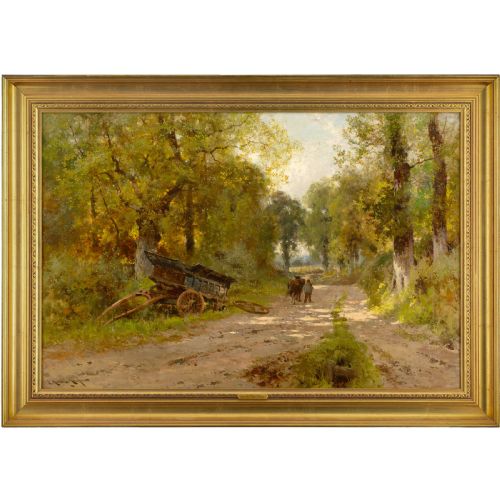
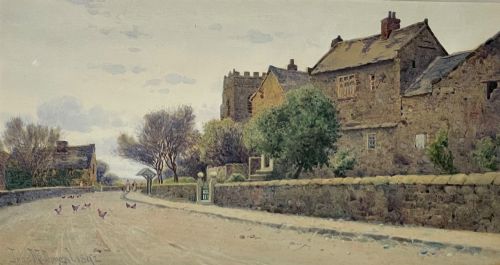
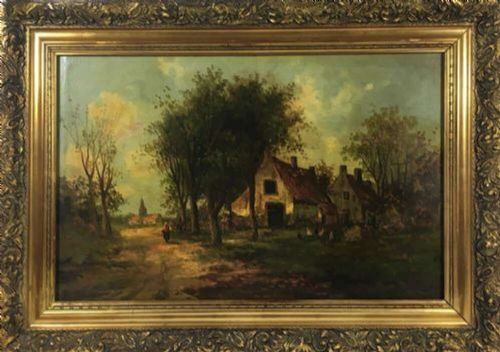
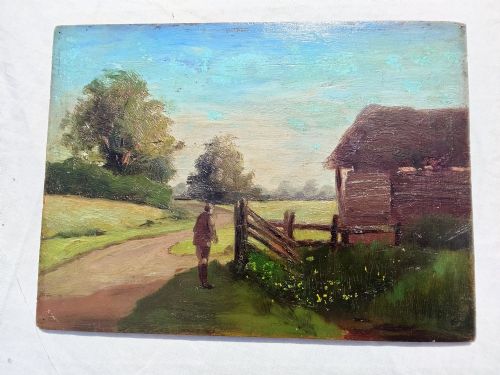
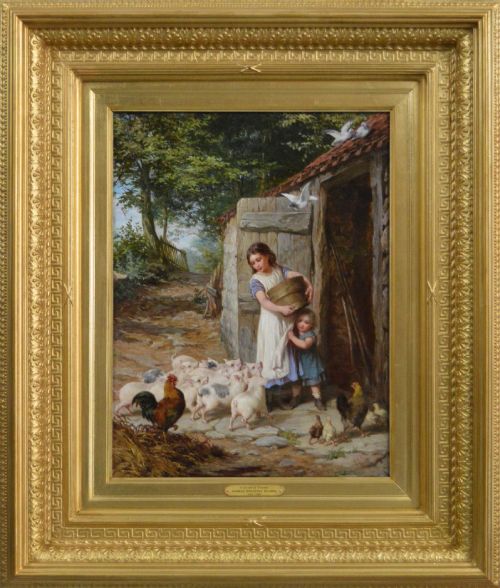
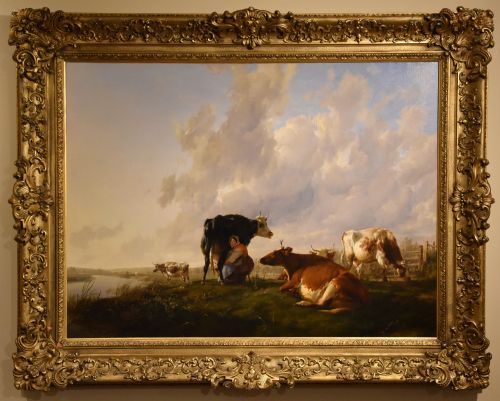
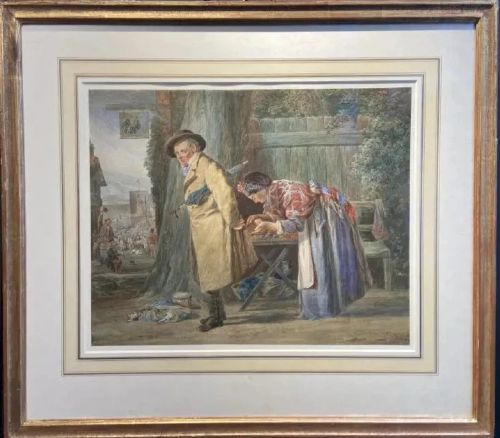
A 19th century country scene brings the quiet hum of pastoral life, agricultural labour and rural landscapes directly onto the wall.
19th Century Country Scene
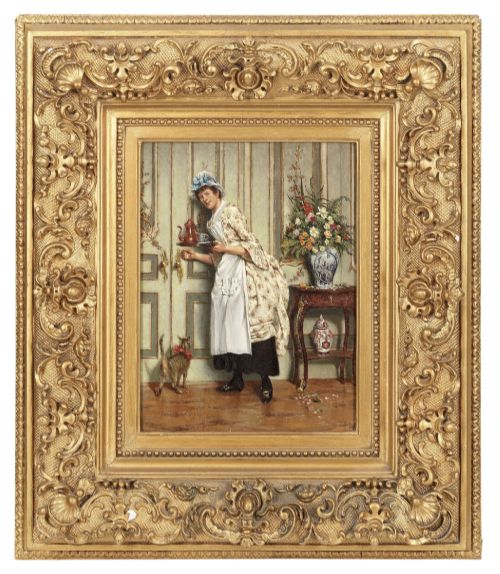
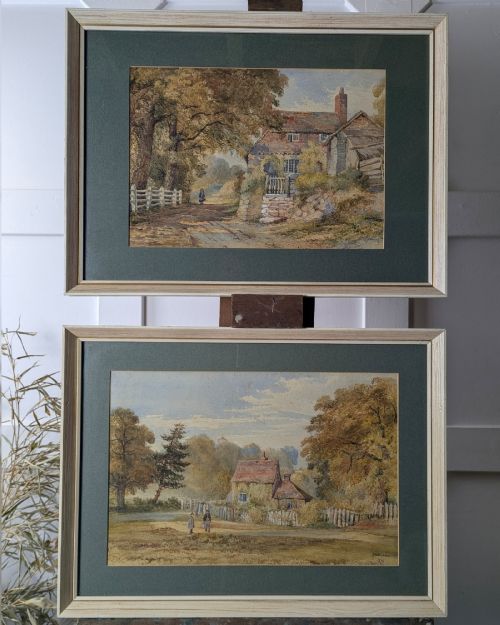
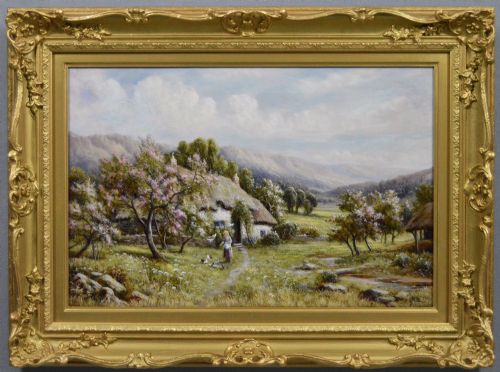
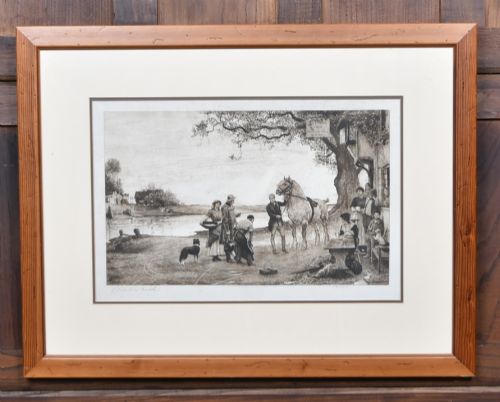
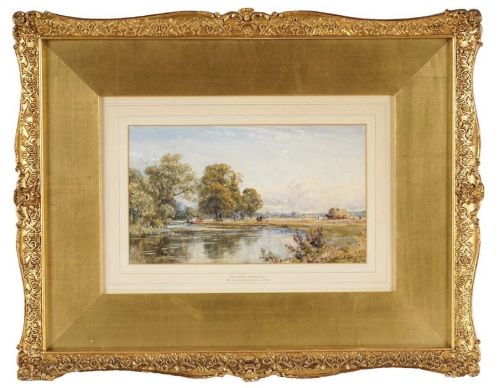
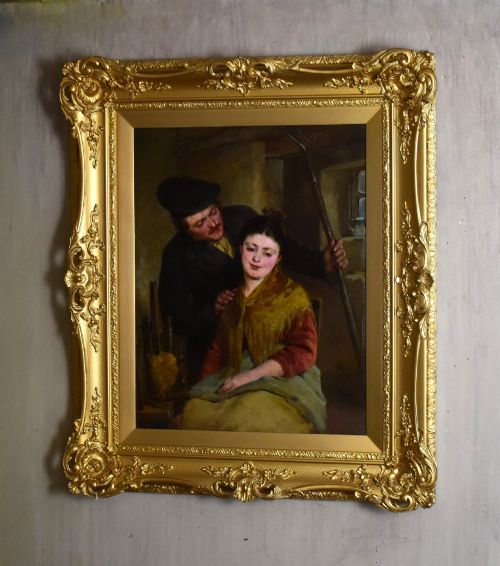
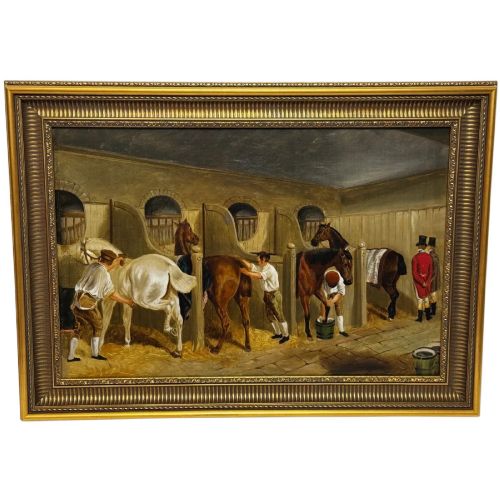
A 19th century country scene captures rural life, agricultural work and pastoral landscapes through paintings and works on paper created during the Victorian era and preceding decades. These works range from broad depictions of English and European countryside to intimate glimpses of farmyards, cottages and river banks.
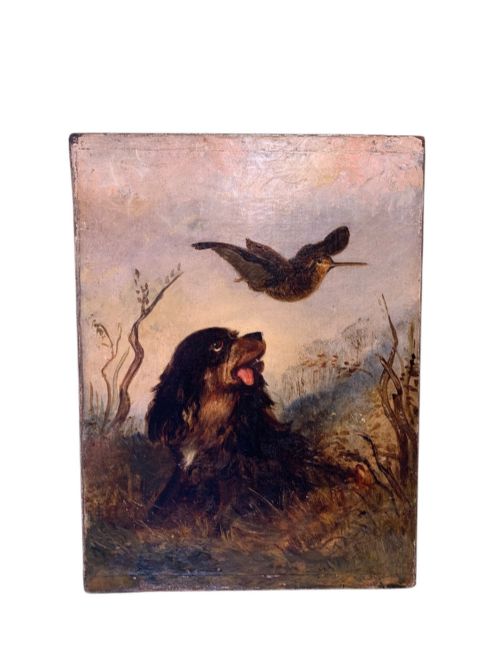
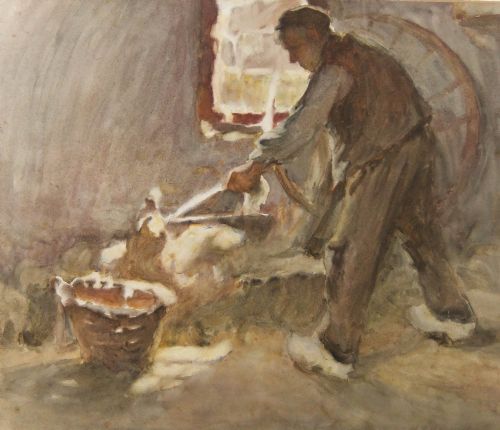
Buyers frequently encounter oil paintings on canvas or wooden board alongside watercolours, etchings and lithographs. The subjects span tranquil river views, cattle grazing, sheep flocks, blacksmith shops, cottage interiors and hunting pursuits.
Originating predominantly from British and continental schools, these pieces reflect a period of immense artistic interest in agrarian life, naturalism and romantic landscapes.
How they were made
Artists relied primarily on oil on canvas, oil on wooden board, and watercolour on paper, often framing the finished works in period giltwood and gesso frames. Pigments were applied with brushwork that shifted from meticulous academic detail earlier in the period to looser, more atmospheric marks by the end of the century.
Support materials like stretched canvas and seasoned wood panels were prepared with traditional grounds before the artist began. Works on paper were frequently executed in transparent watercolour or heavier gouache, sometimes finished with pastel highlights.
19th Century Country Scene Retail Price Guide 2026
Typical asking prices for 19th century country scene among the pieces listed under this phrase on Sellingantiques today, from the lower quarter to the upper quarter. They describe what is for sale here now, not the wider market.
Listings feature oil on canvas, watercolour on paper, and oil on wooden board across Victorian pastoral and realism styles.
What varies in quality
Quality rests upon the artist's command of light, atmospheric depth and the naturalistic rendering of figures and animals. Superior works display confident brushwork and a convincing sense of space, whereas weaker examples can feel stiff, formulaic or flat in composition.
The survival of the original giltwood and gesso frame significantly influences the integrity of a piece, as matching period frames enhance the overall visual weight. The vibrancy of pigments and the stability of the canvas or paper surface also distinguish finer examples from those affected by heavy past restoration.
John Horace Hooper·John McDougal·Stephen Samuel Lewin·Henry Silkstone Hopwood·Robert John Hammond·Robert W. Macbeth·Howard Helmick·George Augustus Holmes·Thomas Sidney Cooper·Joseph H Barnes·Henry H Parker·Thomas Walker Bretland·Henry Schouten·Herman S Melville·Joseph Knight·Henri Jaques Delpy·John Frederick Herring Jnr·Ernest Pile Bucknall·Samuel Joseph Clark·George Armfield
The 19th Century Country Scene Glossary
- Barbizon School
- A group of French painters associated with naturalistic landscape painting during the mid-nineteenth century. They favoured working directly from nature and focusing on rural scenes.
- Giltwood
- Wood that has been covered with a thin layer of gold leaf. It is frequently seen on the ornate frames enclosing nineteenth-century oil paintings.
- Gesso
- A paint mixture consisting of a neutral binder mixed with chalk, gypsum, or pigment. It was applied to wooden panels and canvas frames to create a smooth surface before gilding or painting.
- Pastoral
- A genre of art depicting the rural countryside, farm life, and shepherds tending flocks. These scenes idealised rural simplicity.
- Etching
- A printmaking process where lines are incised into a metal plate with acid before ink is applied and transferred to paper. This technique produced finely detailed rural prints.
19th Century Country Scene: Frequently Asked Questions
How do I identify a Victorian country scene?
Look for characteristic subjects such as agricultural labourers, cottage exteriors, pastoral livestock and river landscapes executed in oil or watercolour. The materials, frame styles and artist signatures often provide clear indicators of the period.
Many pieces carry specific stylistic markers associated with British realism, the Barbizon school or Victorian pastoral art from the mid to late nineteenth century.
Are these paintings original or reproductions?
The works listed are original nineteenth-century paintings, watercolours and prints created by period artists. Each piece represents an authentic historical artwork rather than a modern mechanical reproduction.
Close inspection under natural light reveals the genuine brush texture, pigment layering and paper or canvas ageing appropriate to the era.
How should I frame and display an antique oil painting?
Antique oil paintings are best housed in their original or period-appropriate giltwood and gesso frames to maintain historical context and visual balance. Display them away from direct sunlight, excessive moisture and dramatic temperature fluctuations.
Wall placement should ensure the canvas is secure and supported properly by sturdy picture wire attached to the frame.
What subjects are most common in these scenes?
Common subjects include cattle grazing by rivers, sheep flocks tended by shepherds, farmyard horses, blacksmiths at work and figures outside rural cottages. These themes reflect the era's deep fascination with agrarian life and the natural landscape.
Artists frequently documented specific regional landscapes across Britain, France and Belgium, capturing the distinct light and topography of those areas.