





Impressionist Coastal Seascape Art
Impressionist coastal seascape art captures the changing light and motion of harbours, shores and open water across the nineteenth and twentieth centuries.
Impressionist Coastal Seascape Art
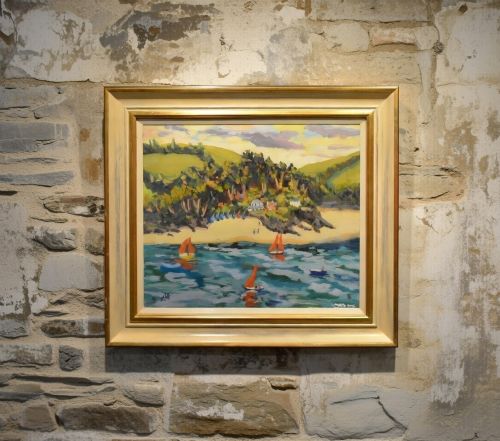
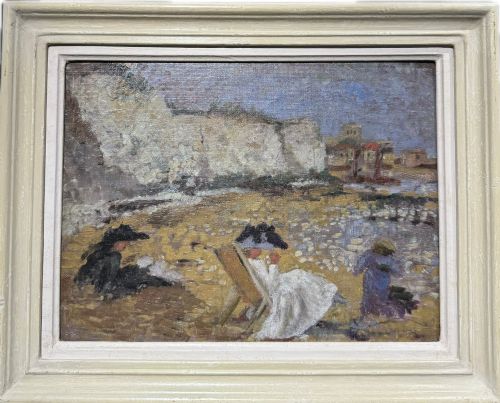
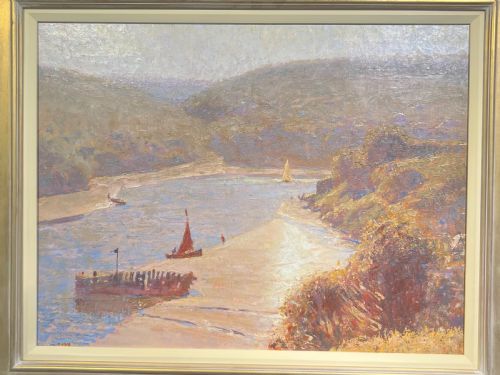
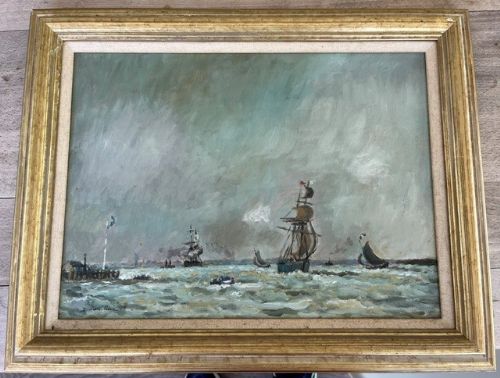
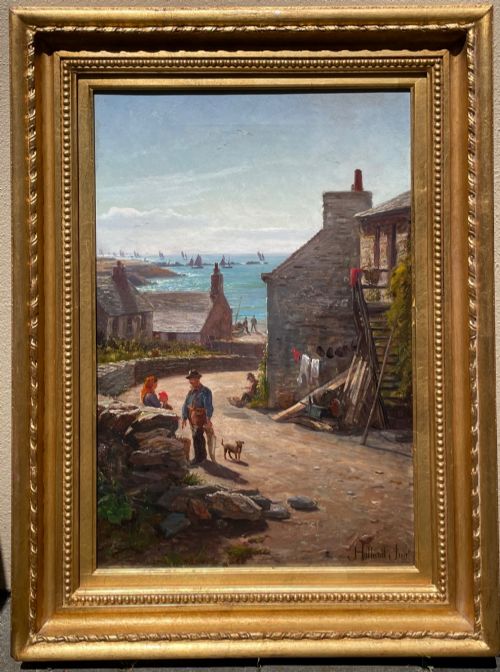
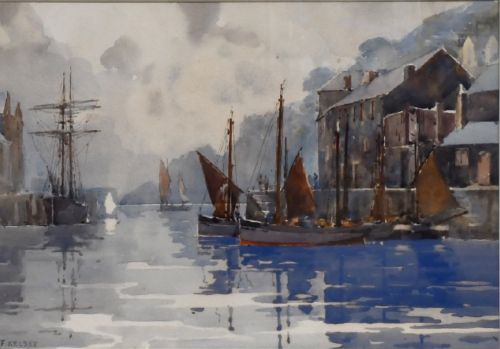
Impressionist coastal seascape art gathers oil paintings, watercolours and oil on board works depicting maritime scenes from British and French artistic traditions. Pieces range from late nineteenth-century watercolours of Cornish harbours to mid-century French Riviera compositions and abstract interpretations.
The works record coastal locations such as St Ives, Polperro, Concarneau and the Mediterranean coast, focusing on fishing boats, beaches, tides and quaysides. Painters worked en plein air to capture transient weather and atmospheric conditions on canvas, paper and panel.
Represented styles span Victorian realism, British Impressionism, Post-Impressionism and mid-century modernism. These works reflect the shared European fascination with coastal light, maritime labour and seaside leisure.
How They Were Made
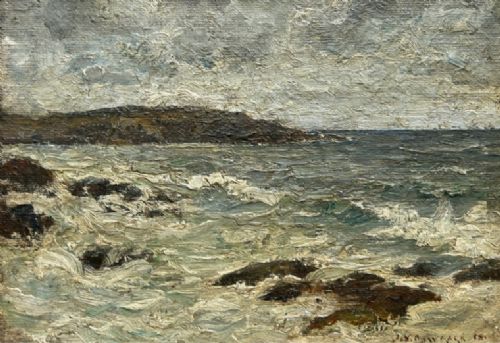
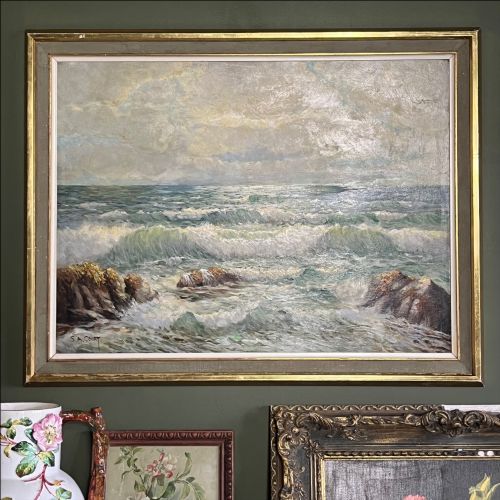
Artists applied oil paint and watercolour onto canvas, wooden panels, board and heavy paper, often working directly outdoors in front of the subject. Impasto techniques built thick, textured surfaces of pigment to represent crashing waves, rugged cliffs and sandy shores.
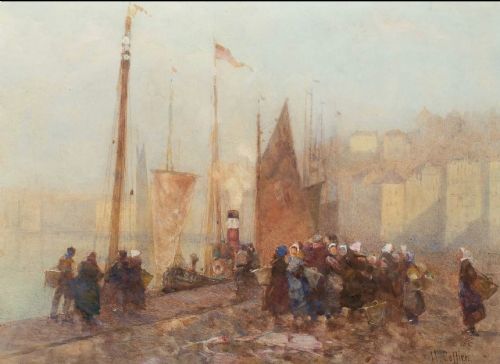
Framed watercolours relied on transparent washes to capture fluid light on paper, while oils utilised heavier brushwork and palette knives to build up coastal forms. Gilt frames frequently enclosed the finished works, complementing the tonal palettes of the maritime scenes.
Salt spray and sea air occasionally left microscopic traces in early outdoor oil paintings.
What Varies in Quality
The strength of a piece depends upon the confidence of the brushwork and the artist's command of light, atmosphere and spatial depth. Works executed en plein air with direct, spontaneous marks generally achieve greater vitality than static studio copies.
The handling of specific coastal elements, such as the texture of water, the play of sunlight on sails and the structural definition of harbour walls, distinguishes accomplished paintings from routine topographical views. Provenance, exhibition history and the survival of the original frame further influence the standing of an individual work.
Clifford Hanney·Sidney A Court·William Banks Fortescue·Hector Caffieri·Lucy Pratt·Ethel Sands·Cecil Allan Mould·Erich Mercker·John Holland·Frank Kelsey·Edward Matthew Elliott·Louis Suire·Gustave Vidal·Gyrth Russell·Jean-Baptiste Olive·Raymond Picque·William Lee Hankey·George Turland Goosey·Norman Lloyd·William Greaves·Charles Malfroy·Edward Seago·Florence Hess·Roger de la Corbiere·Donald McIntyre
The Impressionist Coastal Seascape Art Glossary
- En plein air
- Painting outdoors to observe direct effects of light and weather on the subject. This method defined impressionist approaches to coastal scenery.
- Impasto
- Paint applied thickly to a canvas or panel, standing out from the surface. It is frequently utilised to convey the physical texture of sea foam and rocky shores.
- Watercolour
- A paint consisting of water-soluble pigments used on paper. It allows for transparent washes that render atmospheric skies and coastal water.
- Post-Impressionism
- An art movement following impressionism that explored emotional response and structural form. Artists pushed colour and brushwork beyond strict naturalism in maritime subjects.
Impressionist Coastal Seascape Art: Frequently Asked Questions
What subjects appear in these seascapes?
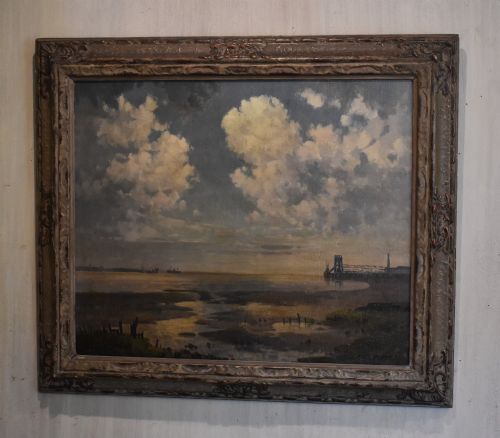
The works depict harbours, sandy beaches, fishing vessels, cliffs and open coastal waters. Scenes range from bustling working ports like St Ives and Concarneau to quiet Mediterranean shores.
Painters focused on maritime architecture, tides, shipping and the daily labour of coastal communities. Light falling on water and sails forms a central theme across the compositions.
How do oil paintings differ from watercolours here?
Oil paintings utilise heavy pigments on canvas, board or panel, often featuring textured impasto brushwork. They capture robust light and substantial forms like stone quays and wooden boats.
Watercolours employ transparent washes on paper to render softer atmospheric effects and fluid coastal light. Both mediums were deployed by artists working outdoors to record seaside environments.
Where were these coastal scenes painted?
Locations span British shores, particularly in Cornwall and Yorkshire, alongside French coastal regions including Normandy, Brittany and the Côte d'Azur. Artists travelled to specific maritime hubs known for artistic colonies.
Sites such as Polperro, Boulogne, Honfleur and Monaco provided varied topography, from rugged cliffs to sunlit southern harbours.
How do I date an impressionist seascape?
Dating relies on recorded artist lifespans, stylistic shifts between Victorian realism and mid-century abstraction, and framing materials. Signatures and exhibition labels on the reverse offer further chronological clues.
The progression from late nineteenth-century naturalism through impressionist brushwork to mid-century modernism guides identification of the period.